Kenosha after the Rittenhouse verdict – calm in the eye of the storm

The day after the jury found Kyle Rittenhouse not guilty of all charges related to him killing two people and wounding a third, I took the 12:51 PM train to Kenosha, not sure what to expect.

I wasn’t expecting the kind of rioting and looting that rocked Kenosha in the wake of the shooting of Jacob Blake, which inspired Rittenhouse to drive to the city and play vigilante. I agreed with several other journalists that mentioned on Twitter that the weather was way too cold for this kind of thing. But I figured there might be protests. And, honestly, I was curious if we might see something like the mass painting of murals on the plywood I saw when I went to Kenosha on Aug. 28, 2020, three days after Rittenhouse shot three people and five days after Blake was shot. That came as a complete, albeit pleasant surprise to me at the time.

I’ve blogged about that visit, and the visit in October of the same year. Since then, I’ve been to Kenosha in March of this year and in the end of May. I saw more and more plywood come down. In March, I read an article in Kenosha News I got at Kroger’s about how the city really wanted businesses to take the plywood down, and saw in the end of May that, while most did, a few didn’t. In those two times – it wasn’t as if the events of last summer, of the then-upcoming Rittenhouse trial, weren’t on people’s minds, but it wasn’t what people focused on. I was curious how people were feeling now, when at least one chapter of this saga is over.

Some words about my feelings on the verdict. I wasn’t able to follow the trial as closely as I would’ve liked – I still have work, and writing of the creative kind – but, from what I’ve seen and read, I thought the prosecution didn’t make the best case. And there the fact that Wisconsin law, like the law in some other states, allows people to brandish firearms who have no business brandishing firearms, and gives too much leeway to people claiming self-defense. Two people died, one of whom was unarmed. There have to be consequences for that. Maybe not life in prison type consequences, but consequences nonetheless.

I’ve heard some variation of the statement that this would have played out differently if Rittenhouse was black, and I think there is something to it, in the sense that, one of the things covering majority-black neighborhoods taught me was we as the American society more readily assume danger when it comes to Black men, even Black kids, the way we don’t necessarily do with white kids. An African-American teen brandishing a rifle would’ve gotten more concern, I doubt police would’ve been allowed him to just walk away and I think the jury would’ve been less inclined to see him as a scared kid fighting for his life.

I wanted to go to Kenosha on Friday, when the verdict was announced, but Metra Union Pacific North Line schedule, which already didn’t have that many trips to Kenosha, only got worse since my last visit. The only way to get to Kenosha now is to take an early morning train, and the only evening train returning to Chicago is earlier than ever. But Saturday schedule, which was restored at the end of May, is still more flexible in that regard. I still managed to miss an earlier morning train, but at least the Saturday schedule had a noon option.

Like I said, I expected that there might be a protest, maybe a rally, maybe a handful of protesters at the courthouse. But that’s not what I found in Kenosha.

Continue reading “Kenosha after the Rittenhouse verdict – calm in the eye of the storm” →
Fighting The Food Deserts

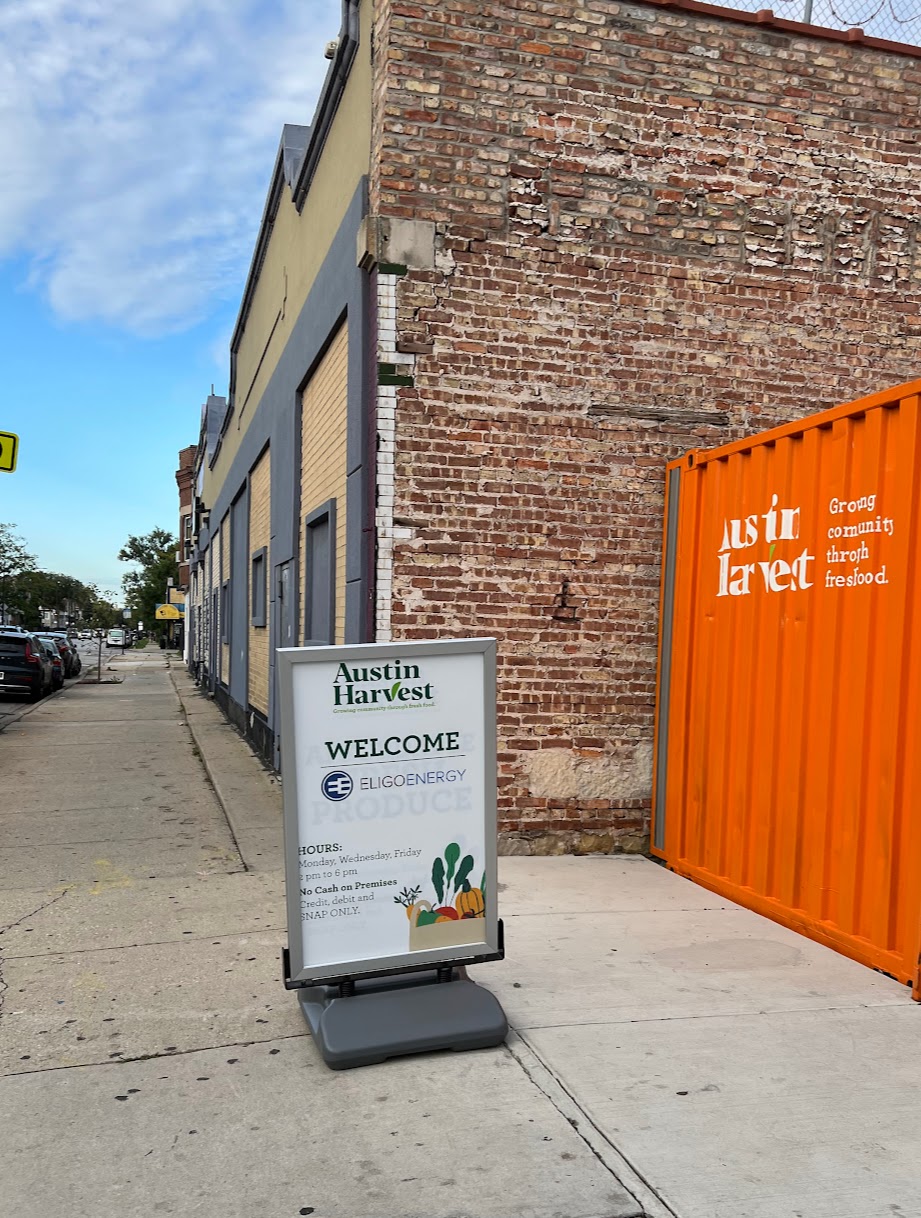
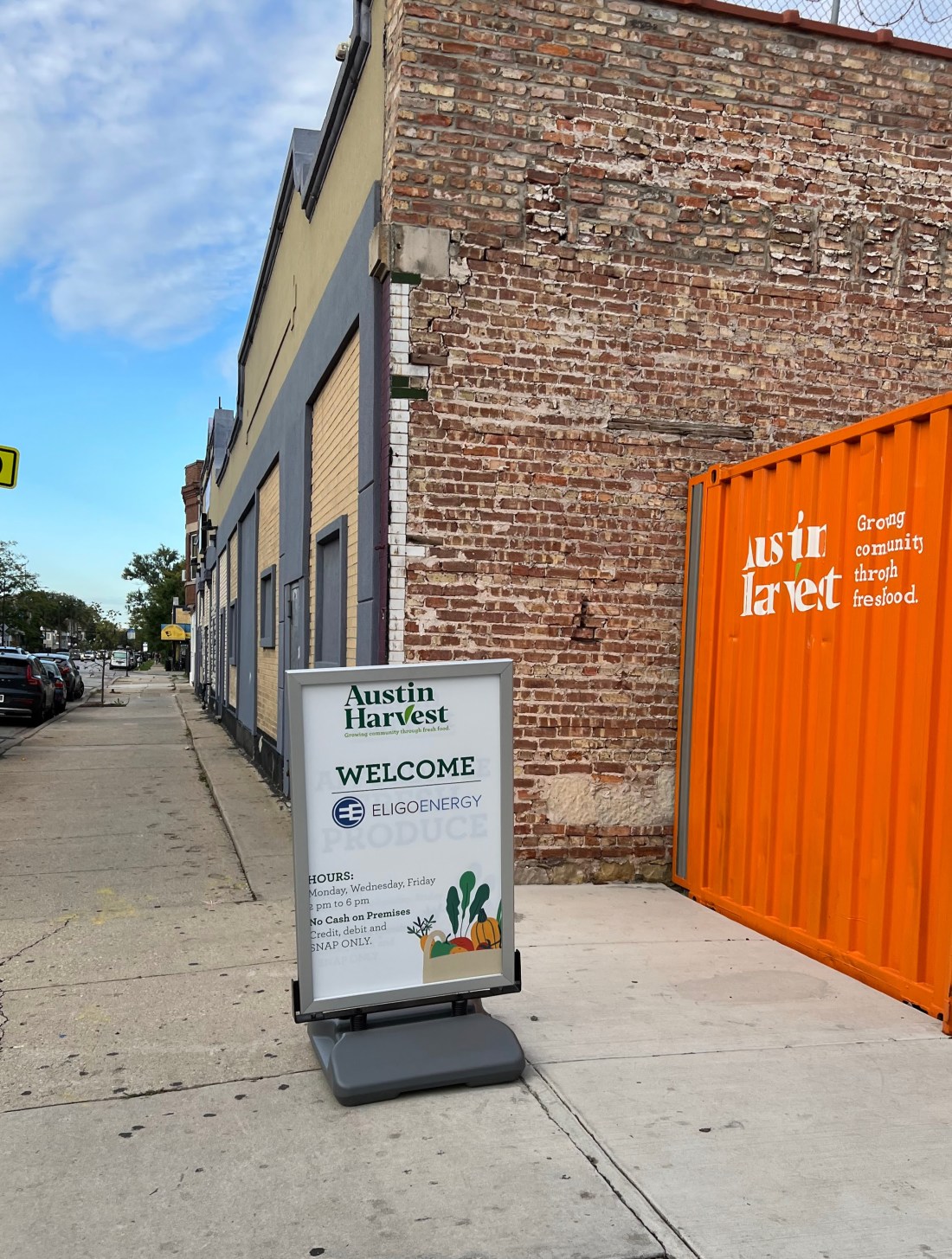
Friday was our company day at the Austin Harvest. On Tuesday, our HR sent out the driving/parking directions and asked to “let her know if anybody does not have transportation.” I messaged her that I would take the Green line (even if I had a car, why I would drive South-West at 4 PM on Friday?!). She replied – OK, but later when I passed her desk she asked me: so, you are going to take CTA?… Oh, I was sure she would ask! I laughed and said: I was waiting for that question! No worries, I know how to ride CTA! I know how to ride the Green line! I know exactly why you asked, but let me assure you, I know how to be in Austin! And I reminded her what I told her previously about Igor and Austin weekly. She asked hopefully: is he going to be with you? I told her: maybe just to help me carry the produce, but with him or without, I know. 

I had mixed feelings about this conversation: it was w=very sweet of her to ask, but it is so sad that there was a reason to ask. Actually, there were two reasons, and both are the sad ones: about the situation in Austin in general, and about “people who do not ride the Green Line.” 

In any case, on Friday, we met up with Igor and went to the Austin Harvest, and we were the first ones there. And I bought $30 worth of produce (partially for Igor), exceeding the required $20 minimum purchase. Two gigantic bags of produce! I was very happy to support the initiative, but I wonder why they even need that kind of fundraising – it’s not like their prices are high, and it’s not like there is much competition around. In fact, there is no competition, which is why they opened the market in the first place. 

Here is an article about how and why Austin Harvest started. Now, they are planning to build a permanent space for the market, which will allow them to operate indoors in colder weather. Until then, the market is outdoor only and will be open until Thanksgiving. 

On the way back, Igor and I talked about the ways of reviving the neighborhoods. Austin is one of those that have a potential, and I am wondering what could become a turning point.

Can You Choose Your House Buyer?

Some time ago, I had a conversation with one of my Instagram friends. She lives in Germany, and she was talking about people buying and selling houses there. She posted about the application process and how prospective buyers write essays just like you do when applying for college. They try to convince the seller why they are the best candidates for this acquisition.

I told my friend that in the US, things are different and that most of the time, the seller and the buyer do not know each other. She asked me whether, in my case, the association had a word in who would be the next owner, and I told her – no, I didn’t know anything about the association; it was all an extra bonus.

Then I thought about that difference, and I think it comes to the fact that we want to avoid unfair treatment. We all know that Black people are being approved for a mortgage at a lower rate than White, and you remember what I learned about my old house sale. Not knowing your buyer provides at least some assurance of objectivity.

Another aspect is a clear distinction between neighborhoods, which is especially pronounced in Chicago. I knew nothing about this association, but I knew that I was moving to Rogers Park, and this fact set the scene. For many people, it’s a desirable destination, but not for everybody.

Neighborhoods and not gated communities either. This year, there were a lot of changes in my condominium, and the veterans are excitedly saying that “now we have diversity.” Not that much, but at least there are people of different races and people speaking different languages. We shall see how things will turn, but I do not think we will ever get to the point of buyers’ essays 🙂

Pullman Open House

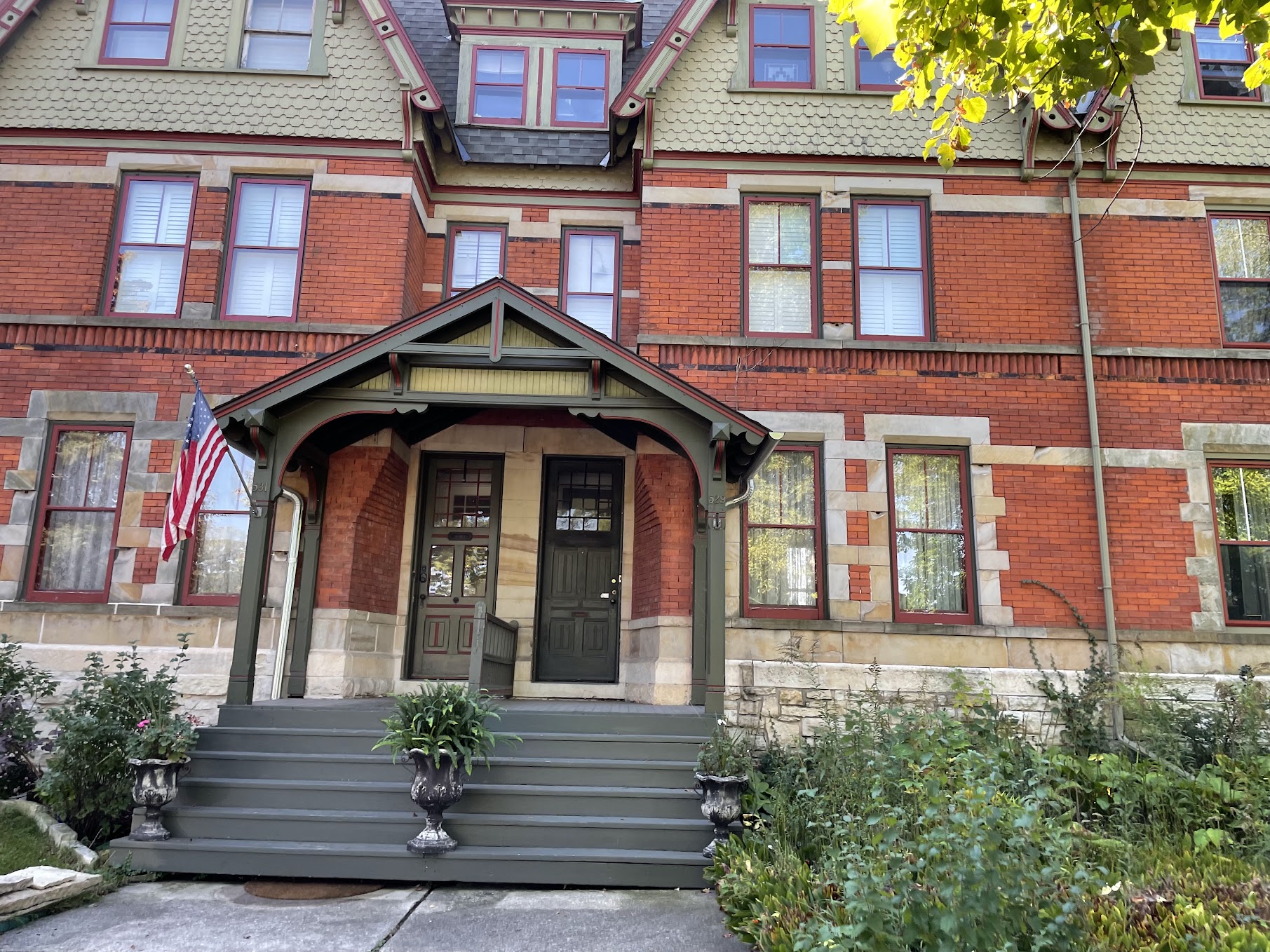
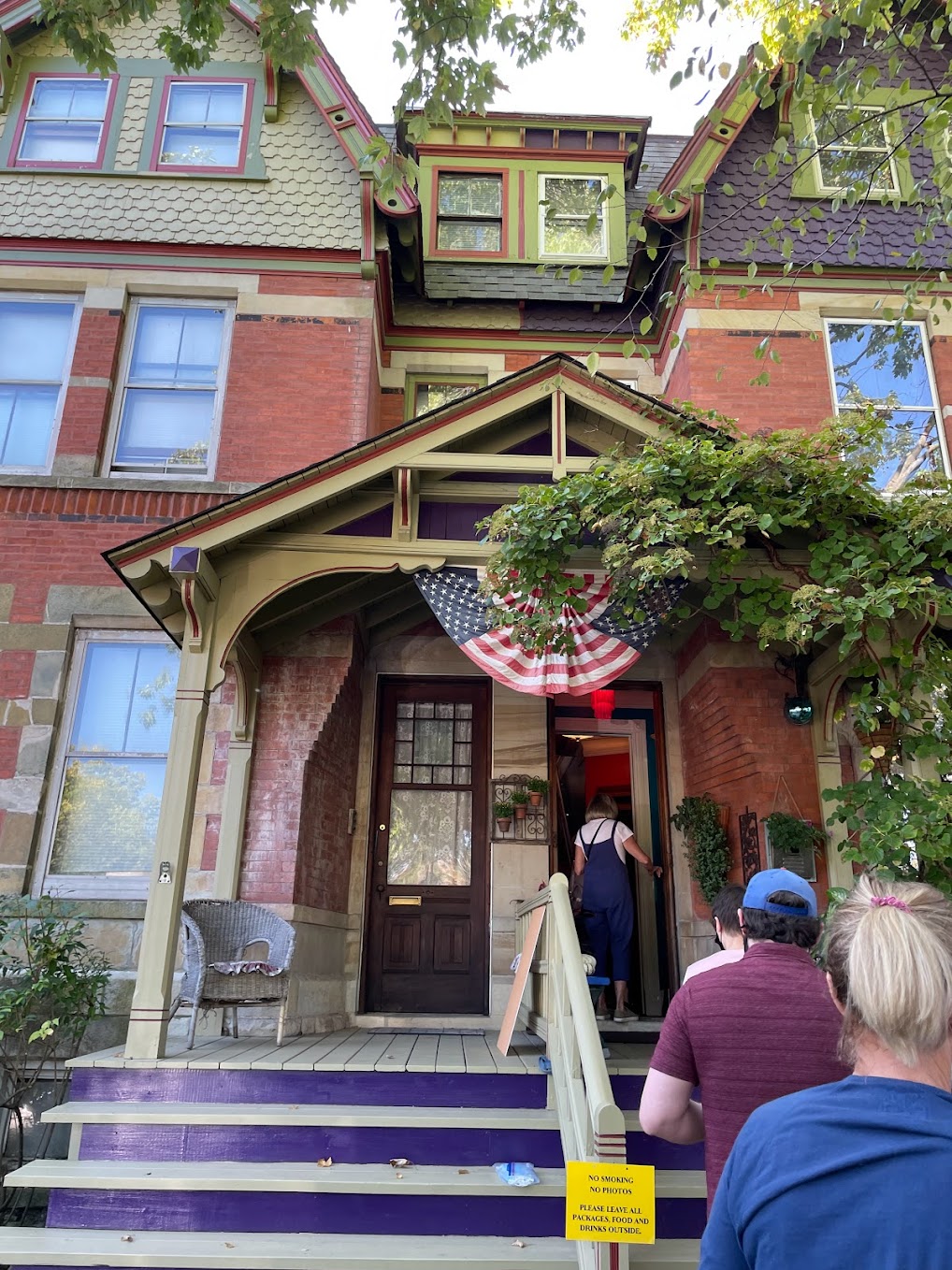
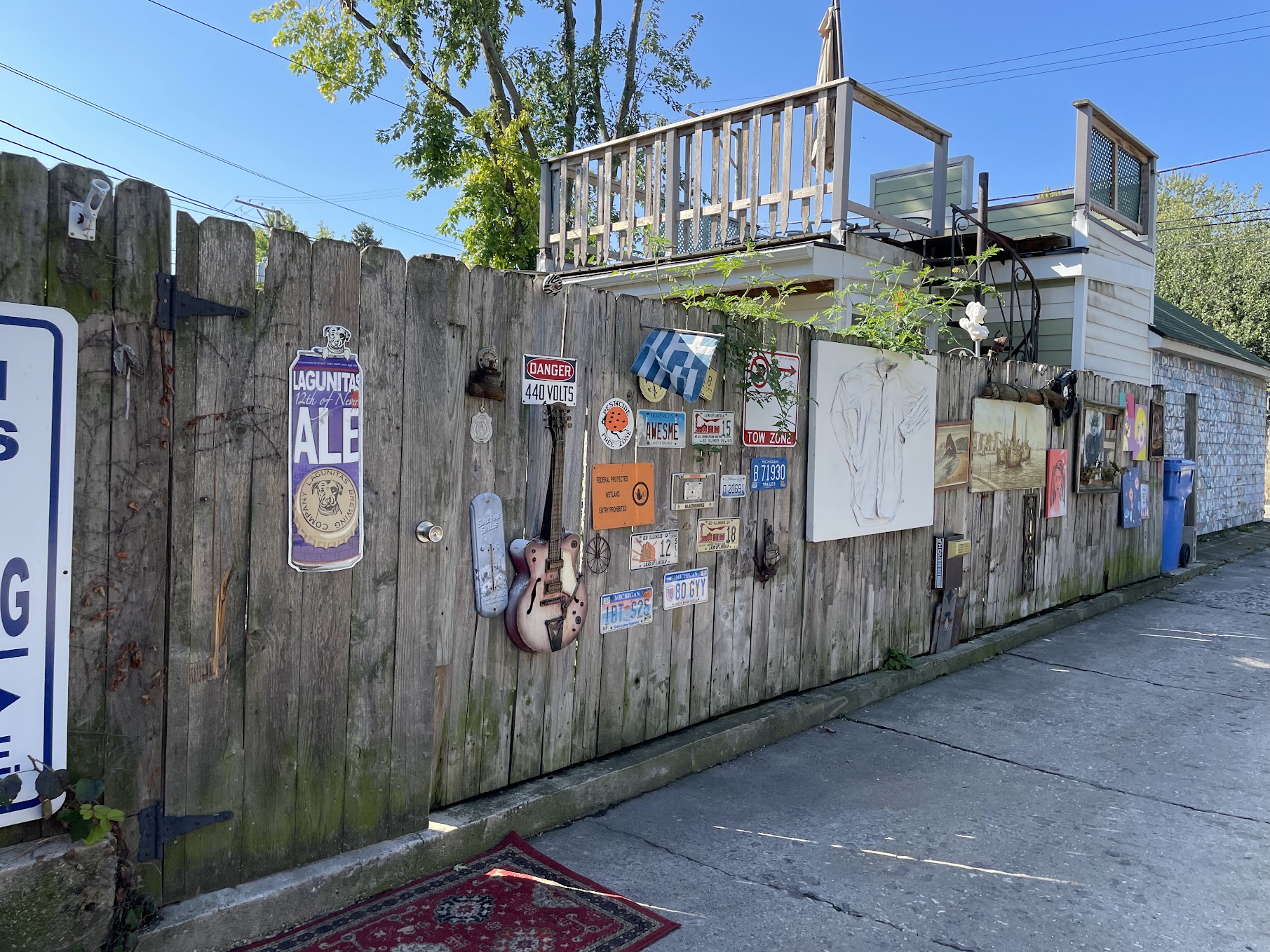
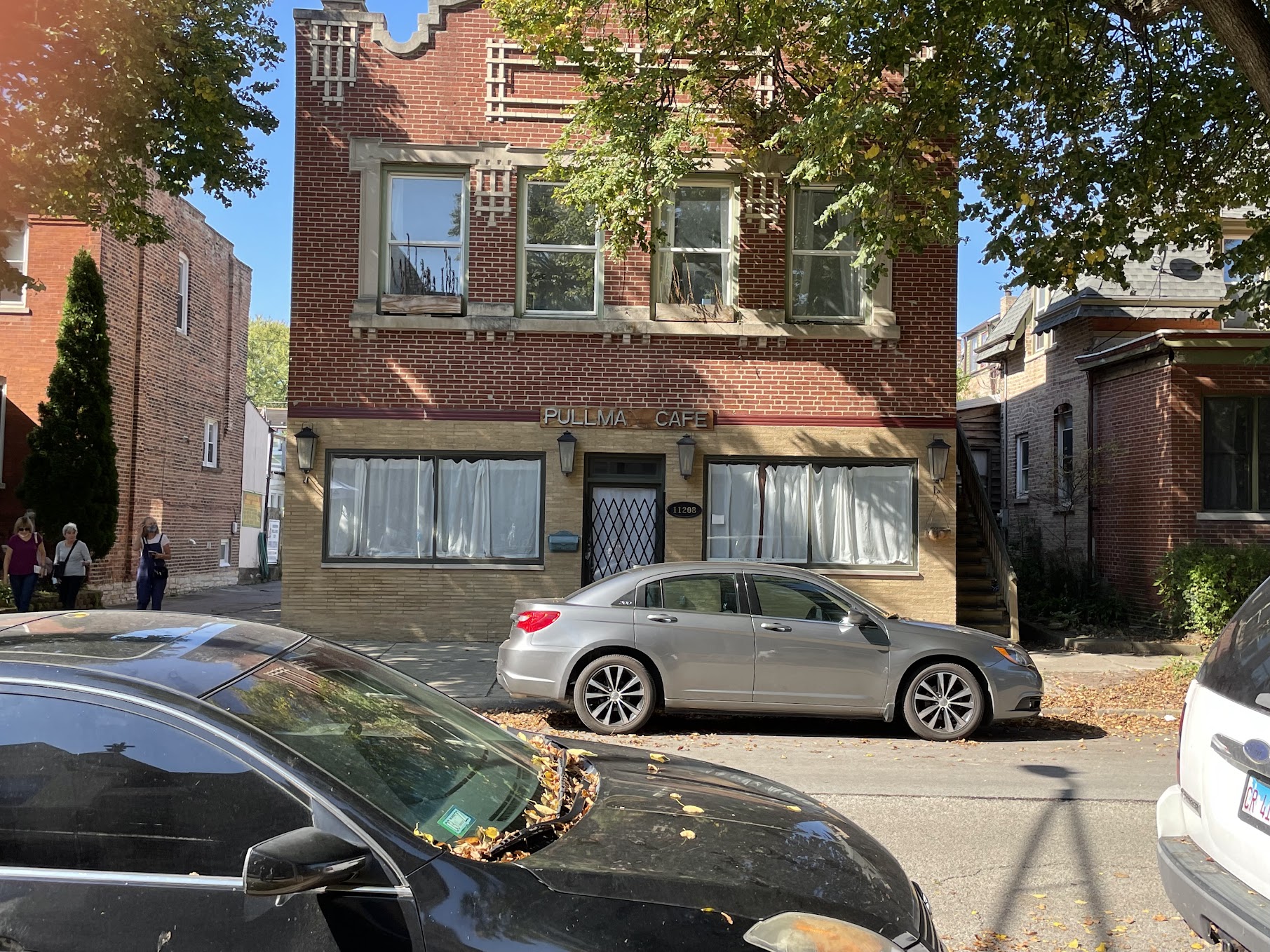
On Saturday, Igor, mom, and I went to the Pullman Open House to tour the homes. The weather was gorgeous; I do not remember ever being on that tour on such a perfect day. Also, that was the best open house we’ve attended from the organizational point of view; the route was planned perfectly, the sights were clearly marked.

Most of the houses which were this year were the new ones. And this time, no pictures were allowed inside, except for two places that contained exhibits.

Mom got tired of climbing the stairs in most houses, but overall, she liked this whole experience, and I am glad we took her out. Like one of the older volunteers commented: keep her moving!

Continue reading “Pullman Open House” →

“Obama Portraits” Exhibit With ODS

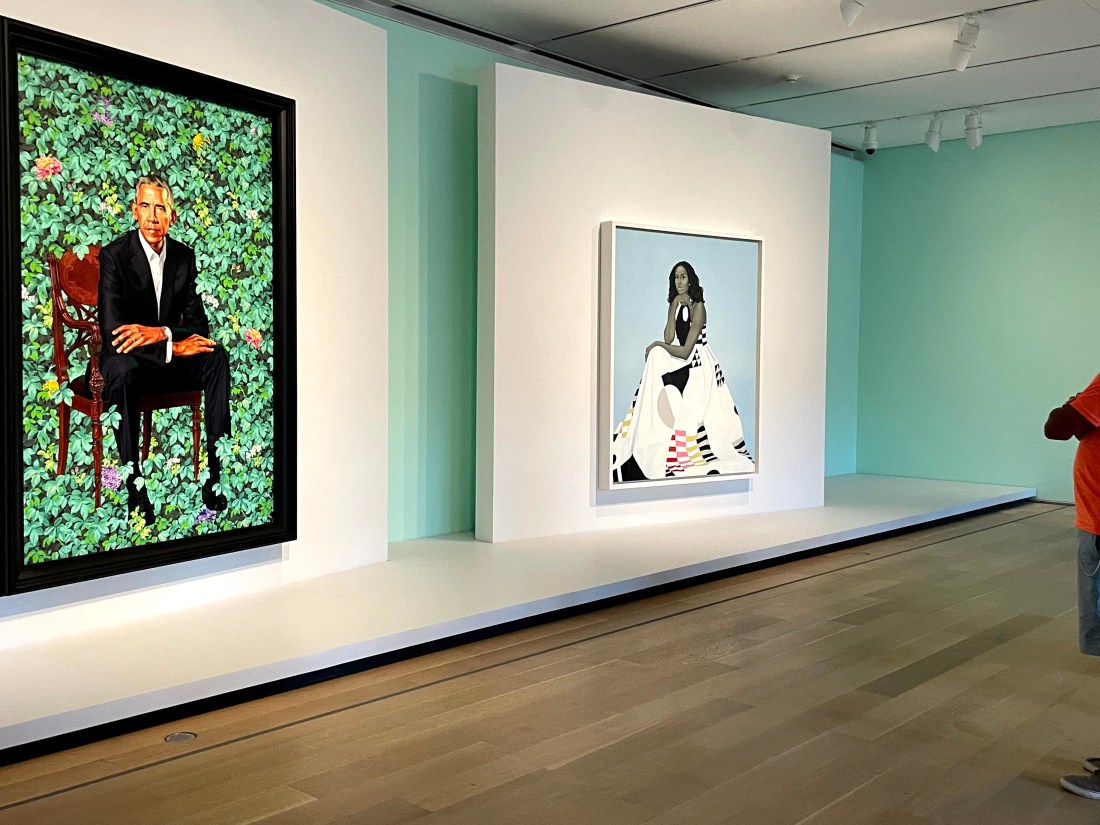
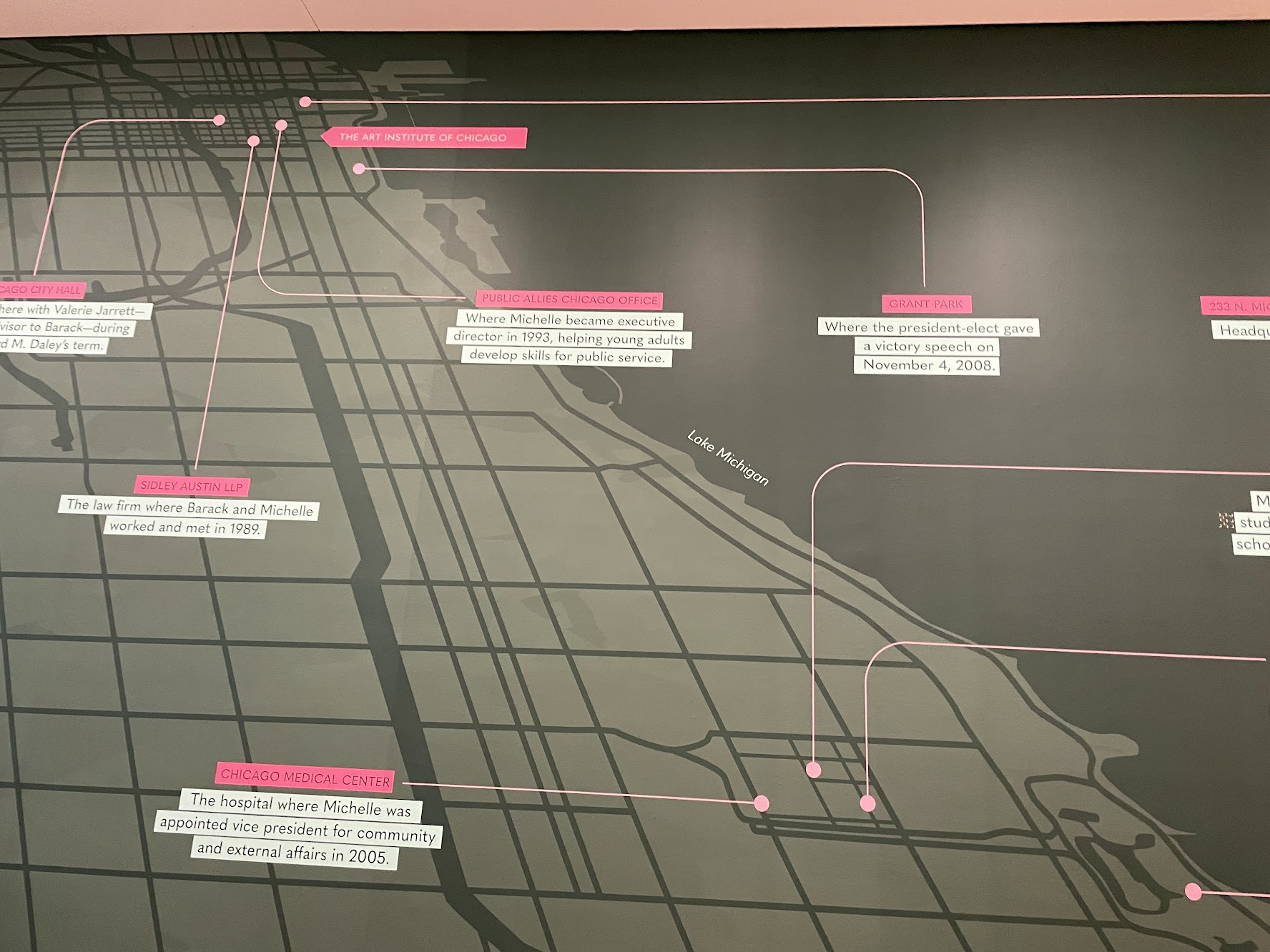
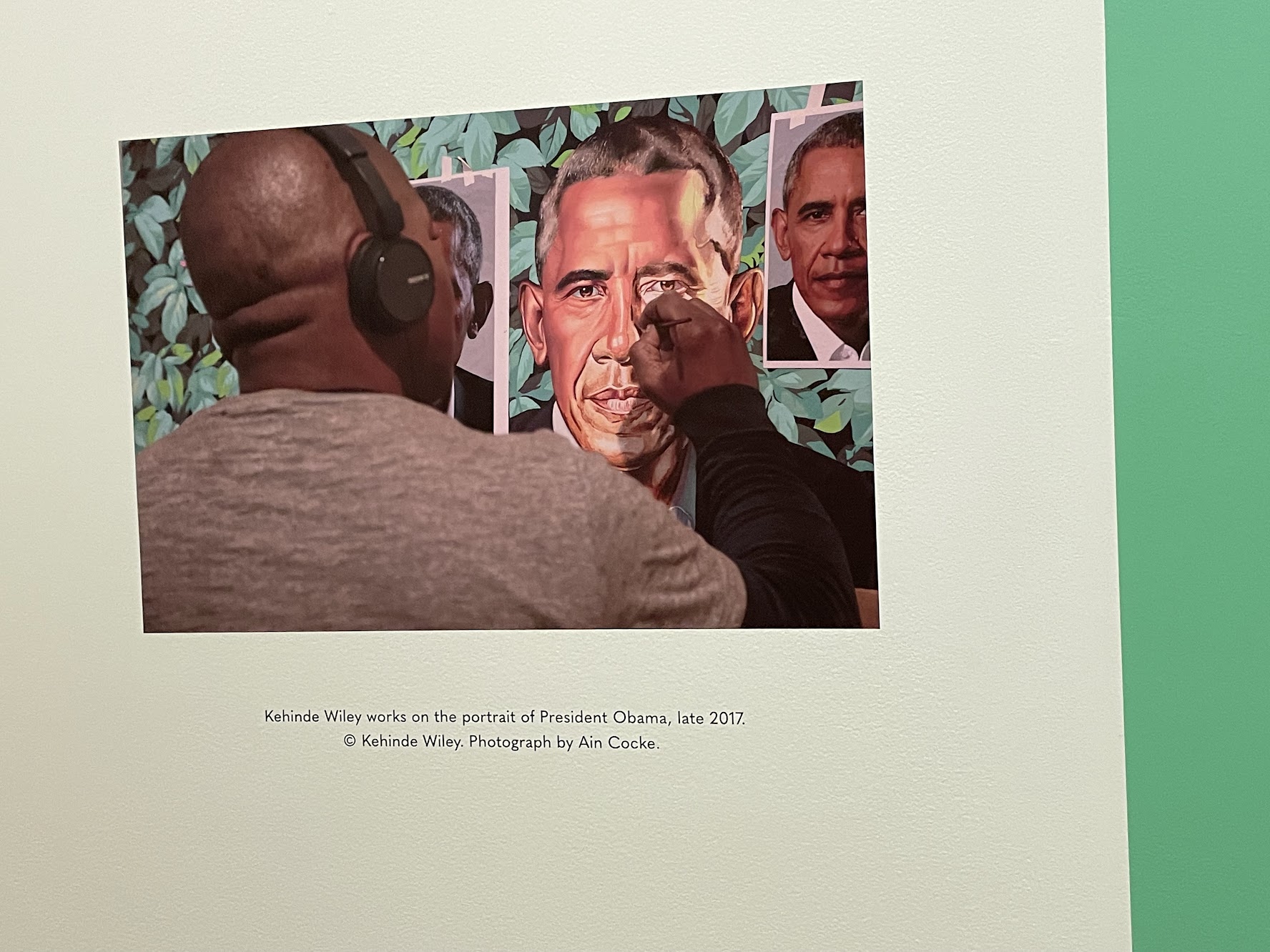
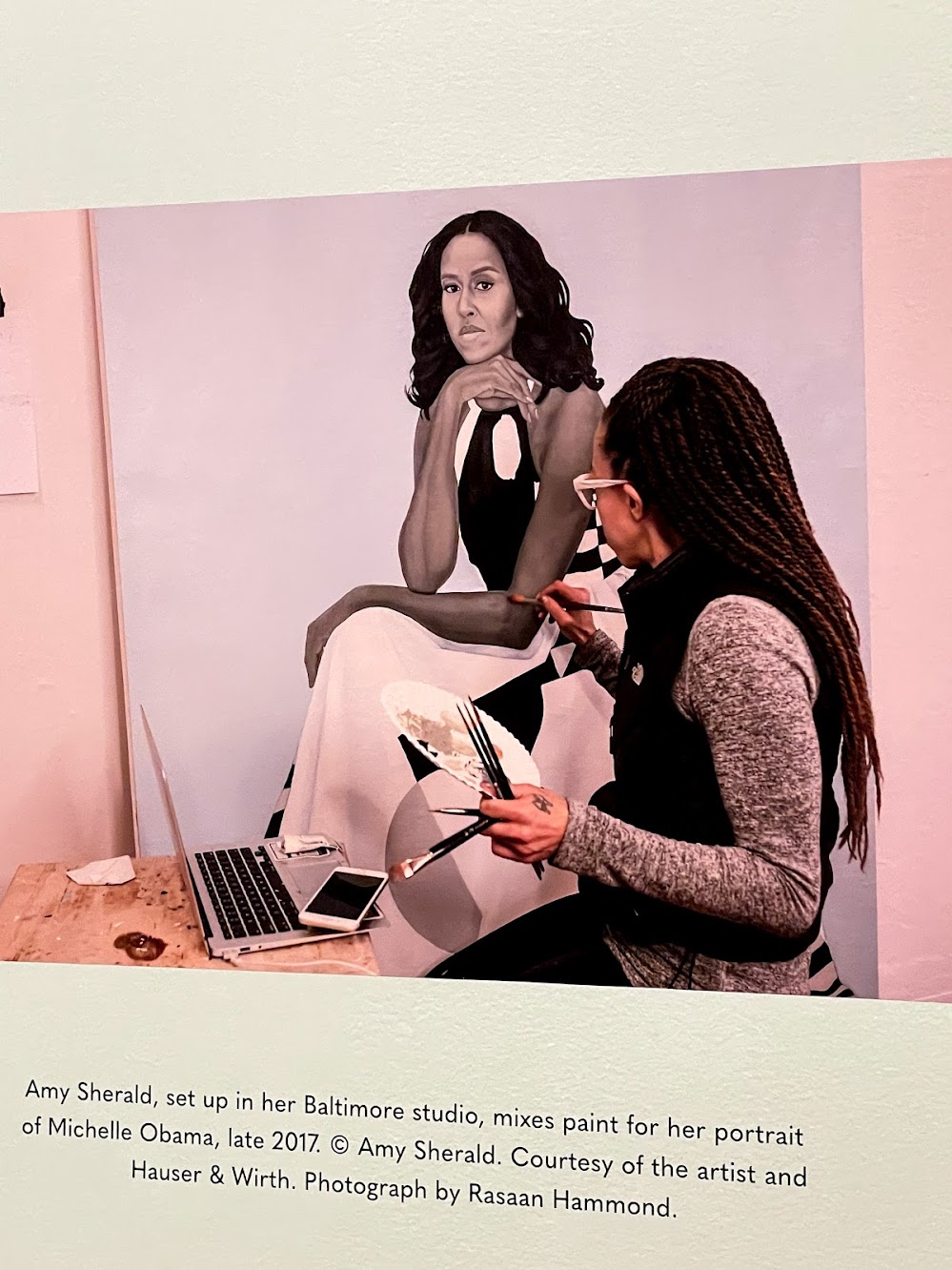
On Thursday, I went to the Art Institute with the youth from the ODS for the first time since last summer. I was hoping that waiting for this to happen. Now, several things happened simultaneously: the Art Institute returned the evening hours (Thursdays and Fridays till August 15), the Obama portrait exhibit opened, and the Art Institute Council for public relations gave the Night Ministry two dozen tickets for this exhibit, which includes the full Art Institute admission.

The exhibit is very small: the portraits of Barak and Michelle, several related artworks, and how these portraits were painted.

Continue reading ““Obama Portraits” Exhibit With ODS” →

Half-pandemic May

Today, Chicago and the state of Illinois lifted most remaining COVID-19 mitigation-related masking and social distancing requirements and capacity limits. It isn’t quite the end of an era, but it is a step forward.

But when I wrote a decent chunk of this post (on June 7), many of those limits were still in place, and Chicagoland region was caught in an interesting half-way state that had as much to do with people’s attitudes as anything that was formally required.

I’ve been Chicagoland specifically because the United States, for better or for worse, continues to be a patchwork of restrictions, regulations and approaches. For the past 12 months, I’ve been able to sit down in coffee shops in Kenosha (Wisconsin) and Michigan City (Indiana), but not in Chicago and most suburbs. Masking has also varied – as I mentioned before, Kenoshans really didn’t mask much until the fall 2020 surge in cases.

In the past two months, we saw two major developments.

In late April, CDC issued a recommendation stating that people don’t have to wear masks outdoors – though it still recommended that unvaccinated people wear masks in crowded outdoor settings. Then, on May 13, it recommended allowing vaccinated people to go maskless indoors, except in public transit, government buildings, hospitals and some other congregate settings. Illinois and Chicago specifically adjusted their respective regulations accordingly – which meant, in practice, that businesses and public institutions such as libraries could continue requiring everybody to wear masks, if they so chose.

Continue reading “Half-pandemic May” →

Is It Really Too Extreme?

Some time ago, a friend of mine emailed me one story about one prominent journalist being fired from the job he holds for many years based on the accusations of insensitive conversations and offensive remarks. My friend asked me whether I feel that “cancel culture” goes overboard. I told her that I would read this story more closely and tell her my opinion. 

This conversation happened a while ago, and first, I wanted to go over the details of the story she sent to me. But then I thought that the problem I want to address is not in the specific story of a specific person but rather this whole attitude of “well, I can agree with some of that, but that is way too overboard!”

Years ago, I thought the same. I thought it is OK that I have to be twice brighter as any man applying for the same job because I have to balance out the fact that I might have to take time off for a sick child. Years ago, I felt OK when men would hold the door for me or take heavy bags from me because they can carry them:). I even liked the hand-kissing thing.  

Years ago, I didn’t see anything wrong in presenting the Africans in the children’s books virtually naked and carrying spears.

The awakening moment for me was realizing that I belong to one of the “stereotyped” groups of people in the US. I know that some people are OK with that, but I never was. At my first job, when I didn’t have a car yet and could not drive, people were taking turns to drive me to work and helping me to pick up Vlad and Anna from the daycare. I realized that I hate the question, “who is picking up Russian kids today?” Why it’s important that they are Russian? Why are they not just Hettie’s kids? I hated the joke “Russians are coming!” when Yuri and I would enter the office. You might say that I was over-sensitive. Probably, but it was very difficult not to be annoyed with the “Anastasia” cartoon and to know that people indeed believe that’s who you are. 

There are tons of good books about racial and gender discrimination. Many people said it way better than I can. Still, I know that my friends want to know my very personal opinion: it’s all fine, Hettie, but what do you think?

First, I think that whatever “general population” considers “overboard, too much, too extreme” is just right. For many years, it never occurred to me to imagine how people on the receiving end feel. I never thought about whether “little black people” would like their images in my children’s books. The thought never crossed my mind. I was guilty across the board of stereotyping people by national origin, race, and gender. I think that people feel “too much” just because this way of thinking breaks their default patterns. “it’s not a big deal,” because it’s not a big deal for them.

And second, I think that people have a right to be “too sensitive.” because it is not “too sensitive,” it’s defending their dignity. I remember my Jewish friends in the Soviet Union reacting with pain on any display of antisemitism. Some people could also say: what’s a big deal? Nobody means anything bad, really! That’s just a joke! Back then, I would say the same thing: they had a right to be over-sensitive. Jews in the Soviet Union were indeed discriminated against, and their reaction at each and single case was justified. 

It is wrong to mock “too much of political correctness..” SImply wrong. Try to imagine yourself on the other side of the equation. 

My City

The city is alive. Not exactly as pre-pandemic, but so much more than a year ago! My city is alive, and it will live, and it will rebound because this city is meant to live. 

Two pieces of news today almost made me cry. The first one was the Navy Pier reopening with the fireworks each Saturday till Memorial Day – and now I will be able to see them! The first firework will happen on May 1, and it will be dedicated to the health care workers. 

The second one is about the Arts 77 grant – $60 mln to support the local artists. That is unprecedented, and it is such a right thing to do and at the right time.

And one more thing. Do you know what I hate? I hate when people who do not live in the city, do not go to the city, and do not know what’s going on there are trying to give me pieces of advice. Out of the blue, when I mentioned that I am going to meet somebody in the city before heading home, a very well-intended co-worker said: you’d better hurry up and leave the city before it starts. I was: what starts? They are going to announce a verdict for Derek Chauvin, and if he will not be convicted… I was like: firstly, he will be most likely convicted. Second, it’s not like “something” will happen instantaneously. And this “something” is not necessarily going to be violent. 

There was a helicopter in the sky when I was walking towards the train station, that’s true. But boy, I can’t even describe how I feel about people who are still entering the city as if it is a war zone … 

Chicago’s Austin community and the complexities of COVID-19 vaccine equity

For the most part, Illinois is till currently in Phase 1B of the vaccination program. In order to get inoculated, you have to be 65 or older, or (with a few exceptions) an essential worker, or a teacher, or (in most parts of the state) be an adult with some kind of a long-term health issue. This means that most adults and none of the kids still can’t get it.

For the most part.

In the end of February, the City of Chicago quietly launched the Protect Chicago Plus initiative, where the city is offering vaccinations to everybody age 18 or older who live in certain community areas and set up temporary vaccination sites. The idea is that the majority-black and majority-Hispanic neighborhoods have seen higher-than-average number of COVID-19 cases, hospitalizations and deaths, but also have fewer opportunities to get the vaccines. For example, the Lakeview neighborhood up on the North Side has a number of doctors’ offices, clinics and pharmacies. In North Lawndale, you can count those on two hands and still have fingers left over.

The city decided to set eligibility based on community areas, which makes sense. Neighborhoods come and go, their borders shift, and there isn’t always consensus on what they’re called and borders even are, while Chicago community areas have endured, with very few changes, for almost 100 years.

But it does create some interesting wrinkles.

Continue reading “Chicago’s Austin community and the complexities of COVID-19 vaccine equity” →

Are They Really Afraid Of Black People?

Last week, during my zoom birthday lunch, I mentioned that there are way too many coyotes wandering around Palatine these days, and how I saw a full-grown coyote on the bike path, and he was not afraid of people. I mentioned that people are concerned that coyotes attack dogs and that I agree there are too many of them around.

Vlad suddenly said very sharply: good! If people are afraid of coyotes, they might decide that coyotes are more dangerous than black people and decide to move to the city.

I was like: Vlad, what are you talking about?! People are not afraid of blacks! Vlad: they do! They just do not say it! Look, people are saying they are afraid to get on the CTA, and if you ask them why they would be: I am afraid of people on the CTA. And if you keep pressing, it would be – they are afraid of blacks. I tried to protest, but then all of them (my kids, I mean) told me that I am an exception, and all other people who live in the burbs think differently.

I told them that I do not think I am an exception and that more of my co-workers live in the city than in the burbs. But in the next several days following this conversation, I had several encounters that proved Vlad’s point.

One of my younger co-workers reacted at the Sanders on the CTA mem on Slack and said that “he has not been on CTA since March, and is not looking forward to it”. And I chose not to ask why. Which I probably should. Then, when I talked with my neighbor, she told me about her granddaughter who will teach in the city and is going to live in the city, and she (my neighbor) thinks it’s not safe. I shook my head, and she asked: you disagree? But it’s not safe! Give it some time for things to settle down.

And the next day, there was a conversation with my other younger co-worker about renting in Chicago, with the same question: is this neighborhood safe?

I tried to answer in detail, explaining that “safe” is a rather relative term, and you should know how to operate in each neighborhood, and giving lots of examples. And do not take me wrong, I agree that young people moving to the city should do their homework and research the neighborhoods’ specifics, safety, and everything. But … I do not even know how to describe it, but sometimes I can hear that these young people were instructed by adults who know nothing about the city except that it is “unsafe.” And I hate when people come to Chicago (not now but in normal times) “just for work,” and do not know anything except for the way to their office, and never try to explore anything else. Because everything outside the Loop is “unsafe.”

Not like I can do anything with this situation. But I feel very sad and annoyed with it…