As I’ve mentioned, there was a lot of biking this time in Helsinki. The last two days were too cold for biking without gloves, and I did not have any biking gloves with me. But that’s the beauty of having your bike – when I could bike, I did.
I can’t even start to describe how everything in Helsinki as suited for bikers. The house has bike storage, where bikes can be stored not only standing, but also elevated.
Boris asked me to call him on facetime when the plane touches the ground so that he will get ready to go to the railway station. I am so happy that I have my internet with me for no extra cost! Yes, my Sprint plan is not cheap, but with my amount of travels, it’s great that I never have to think about it. The moment the plane lands, I can start using my phone.
I have not been here since May, and I forgot that I have a Helsinki transportation app on my iPhone. I could buy my ticket on the way from the baggage claim to the train, and hop on the first train that has arrived. It’s a minor delay, but it shows how we all are creatures of habit. I forgot the way I did it once but remembered how I did it for many years.
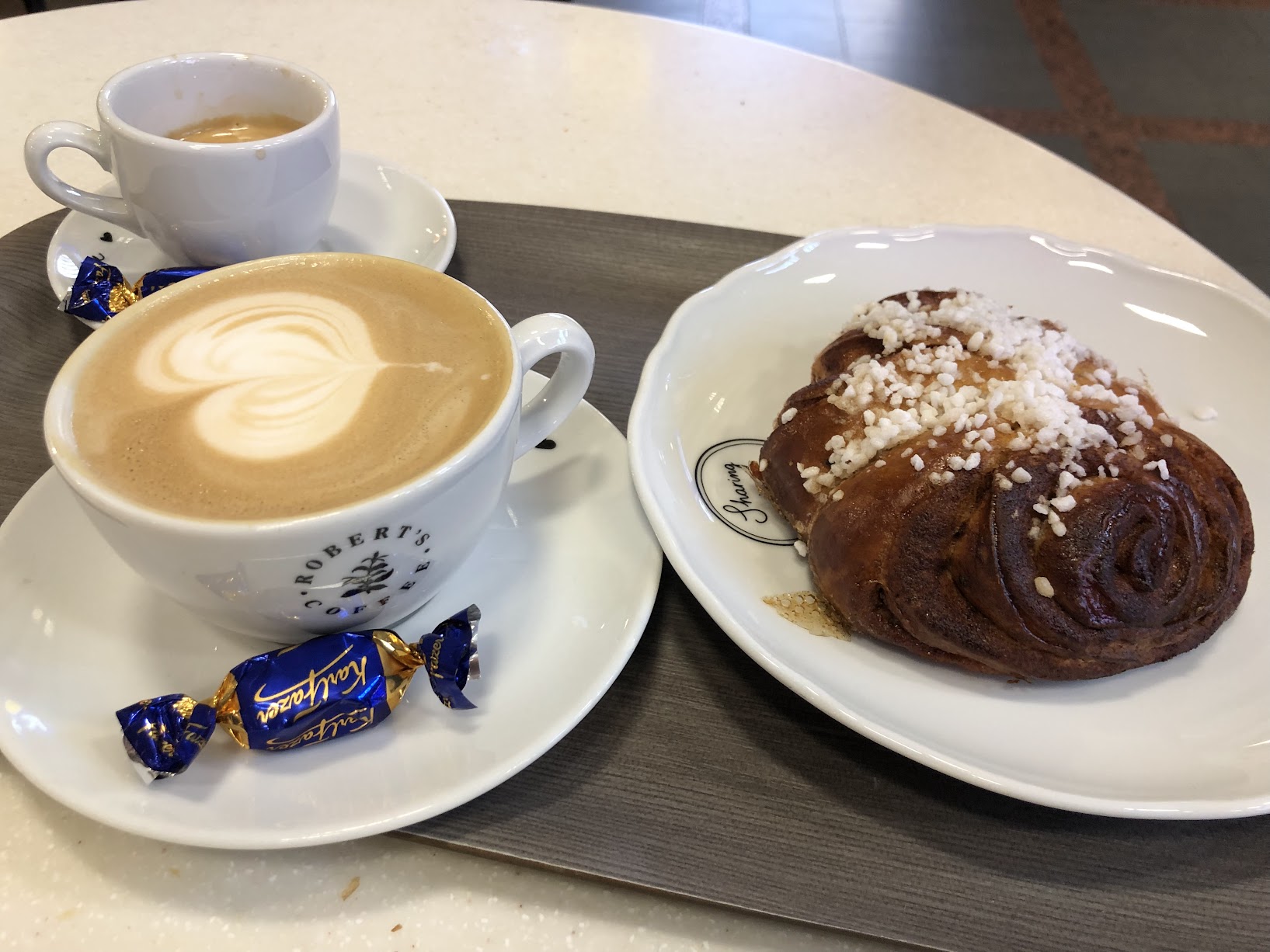
When we met at the Central Train Station, he took me to Robert’sCoffee for a cappuccino with a cinnamon bun. It has become symbolic for me – the first meal on the Finnish soil has to be a Finnish cinnamon bun 🙂
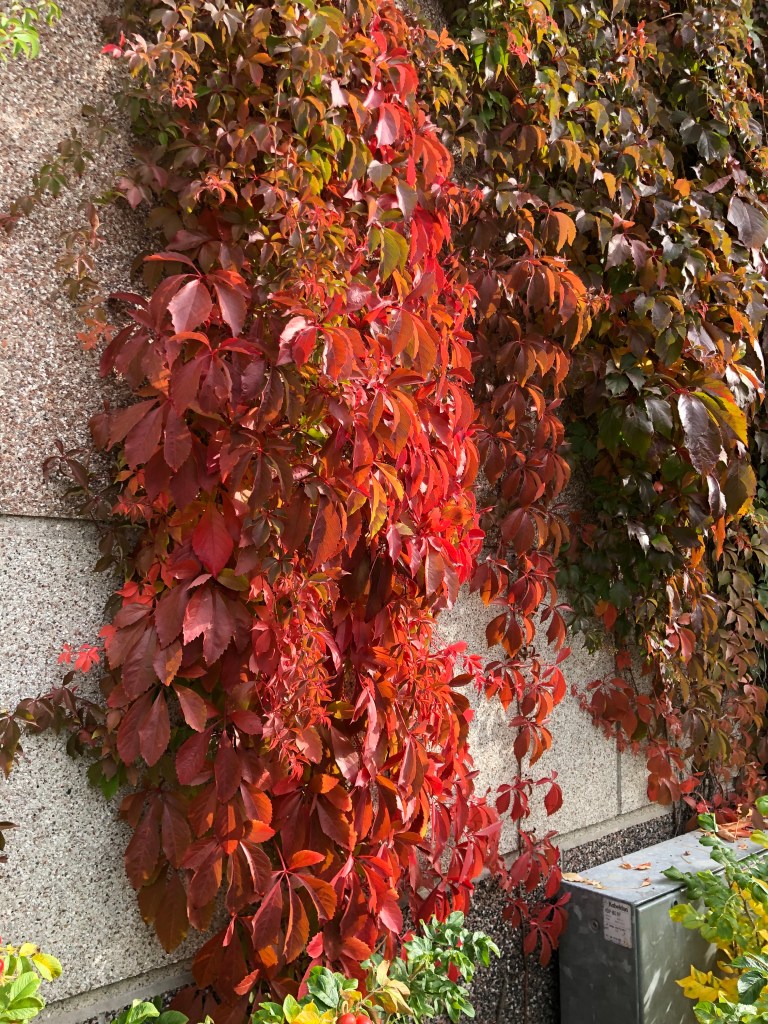
It’s the 50s here, compare to our upper 70s, but the fall colors are beautiful!
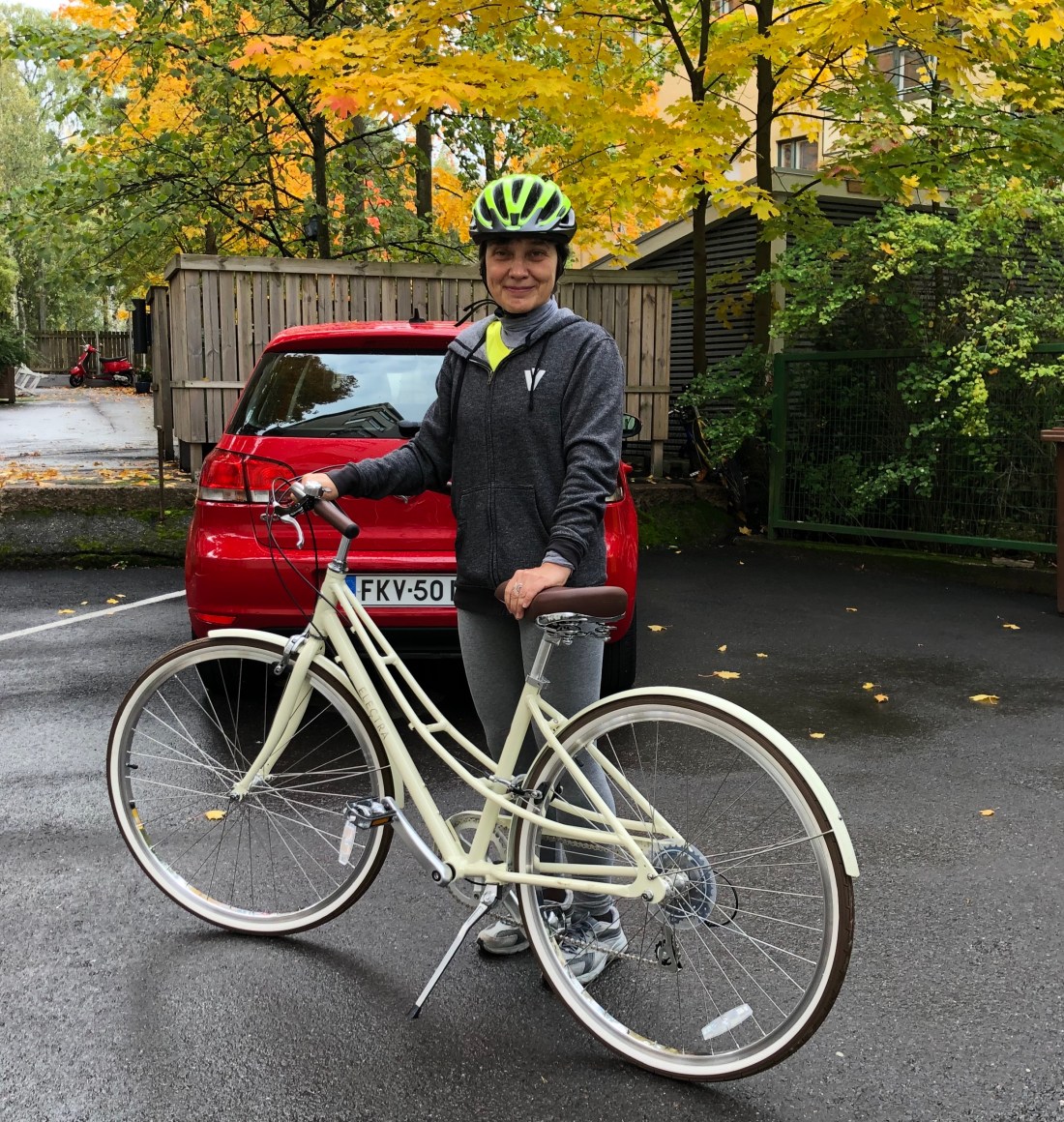
And I finally got a bike! We talked for a long time of me having my own bike in Helsinki so that I won’t have to rent each time. Boris was always saying that this goes not provide any economic advantage, but the difference is in time not wasted, and I believe it’s worth it.
Most of the stores were closed on Sunday afternoon, and I didn’t like the bikes we saw (they didn’t fit my small body :)), but this morning we finally got what I needed!
It was an incredibly intense week. Each day at work was packed with meetings from 9 to 5, some days covering the lunchtime as well. The two days which I worked from home were even more intense, with my and Mom’s doctors’ appointments and the same amount of work which had to be done.
All my time was work because when you have meetings all day long, you need some time to do the actual work. Oh, and on the top of it I was dealing with the consequences of the loss of my Jumpcloud password, and subsequent reset of my Apple ID, all passwords on the computer, and finally – a disappearance of “My Documents”…
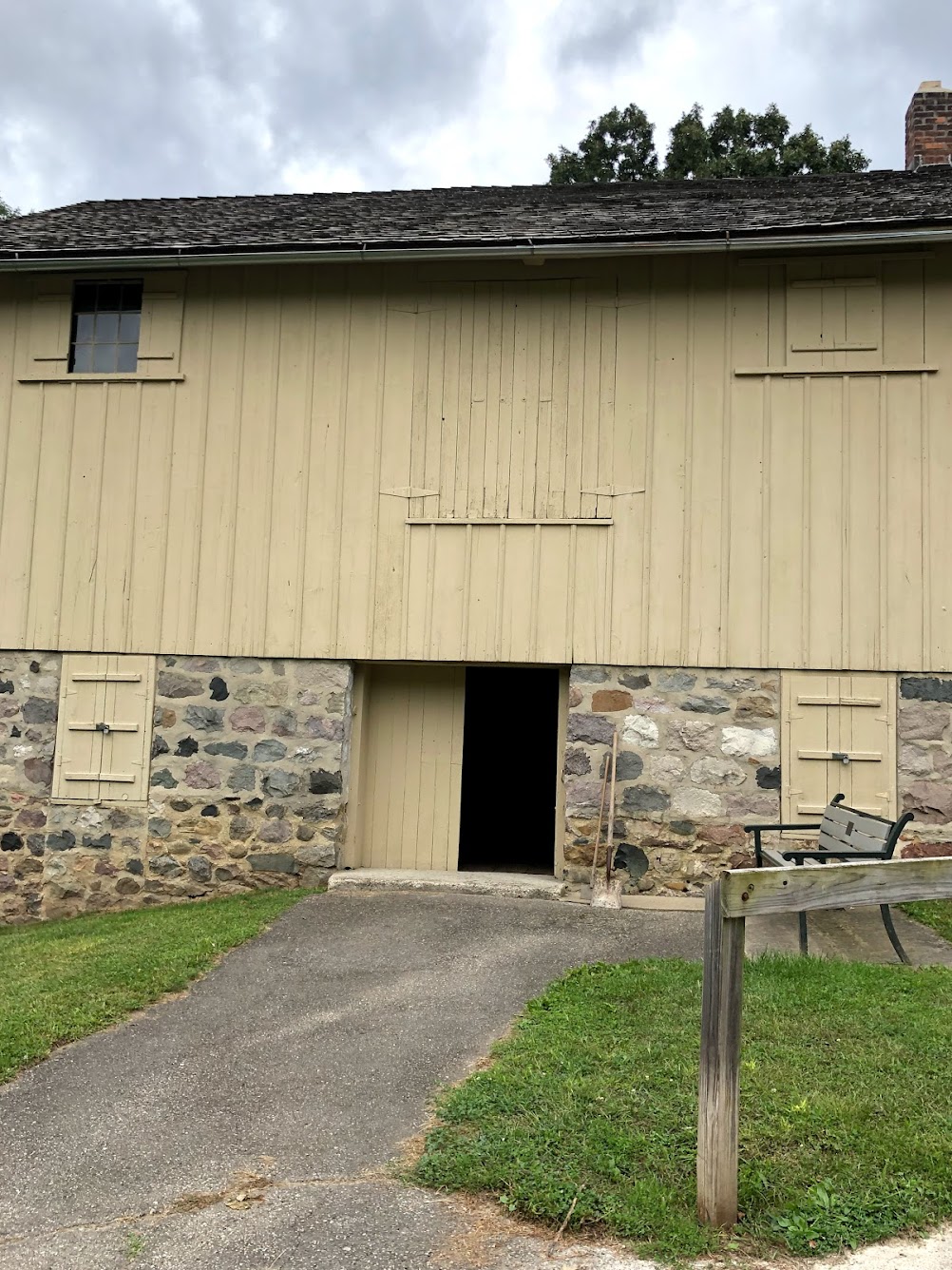
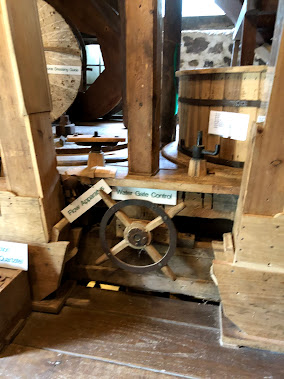
After lunch, we went to Parker Mill Park. Lena has found information in their local newspaper about the tour which was supposedly starting at 1 PM, so she planned our day accordingly. When we arrived, there was no information about any tours neither in the parking lot nor by the visitors center which was closed. We saw the sign pointing to the mill and headed in that direction.
We entered the mill (although there was no sign on the door), and there was nobody around. We observed lots of tools and mechanisms, all labeled and being in perfect order.
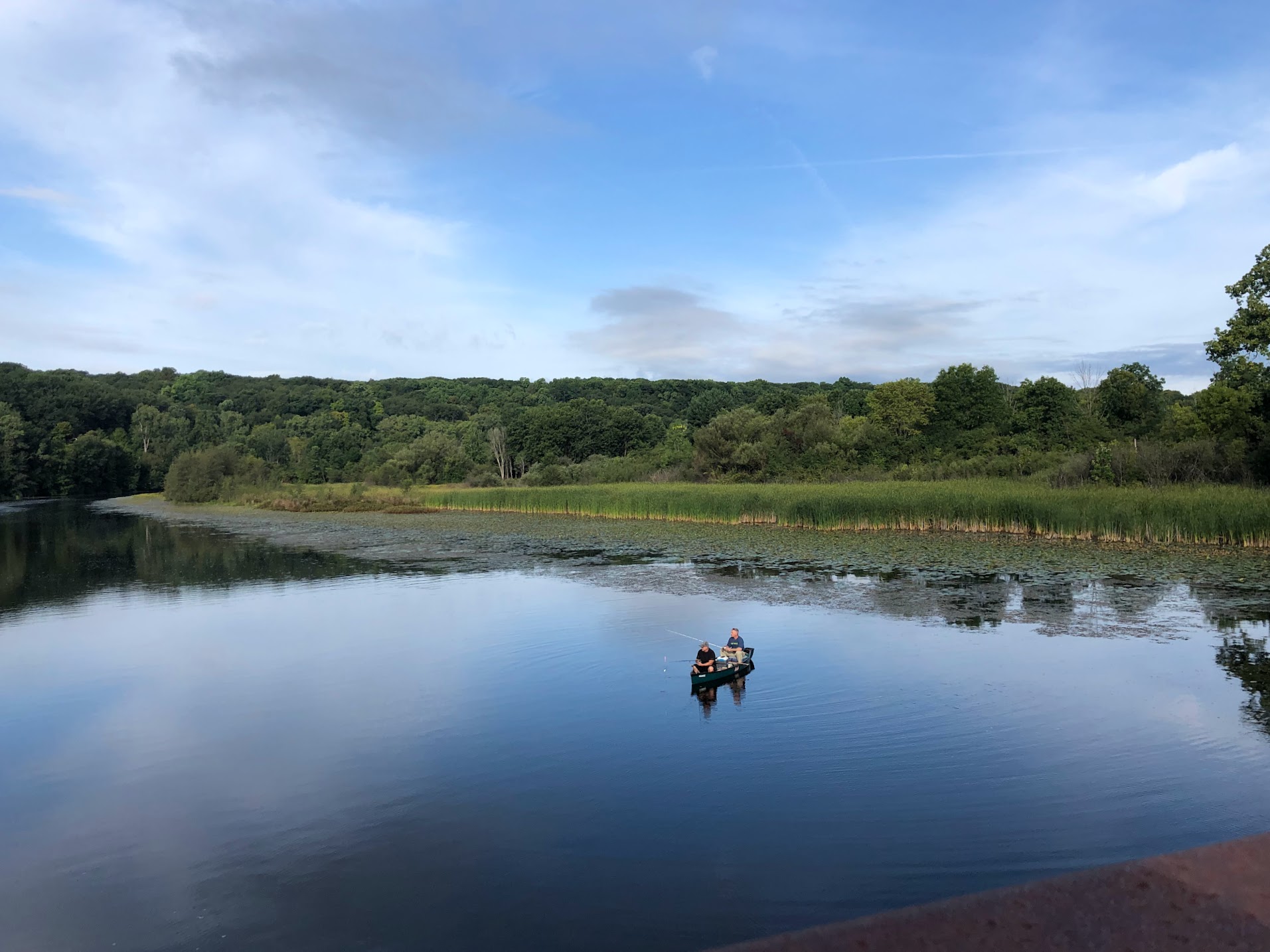
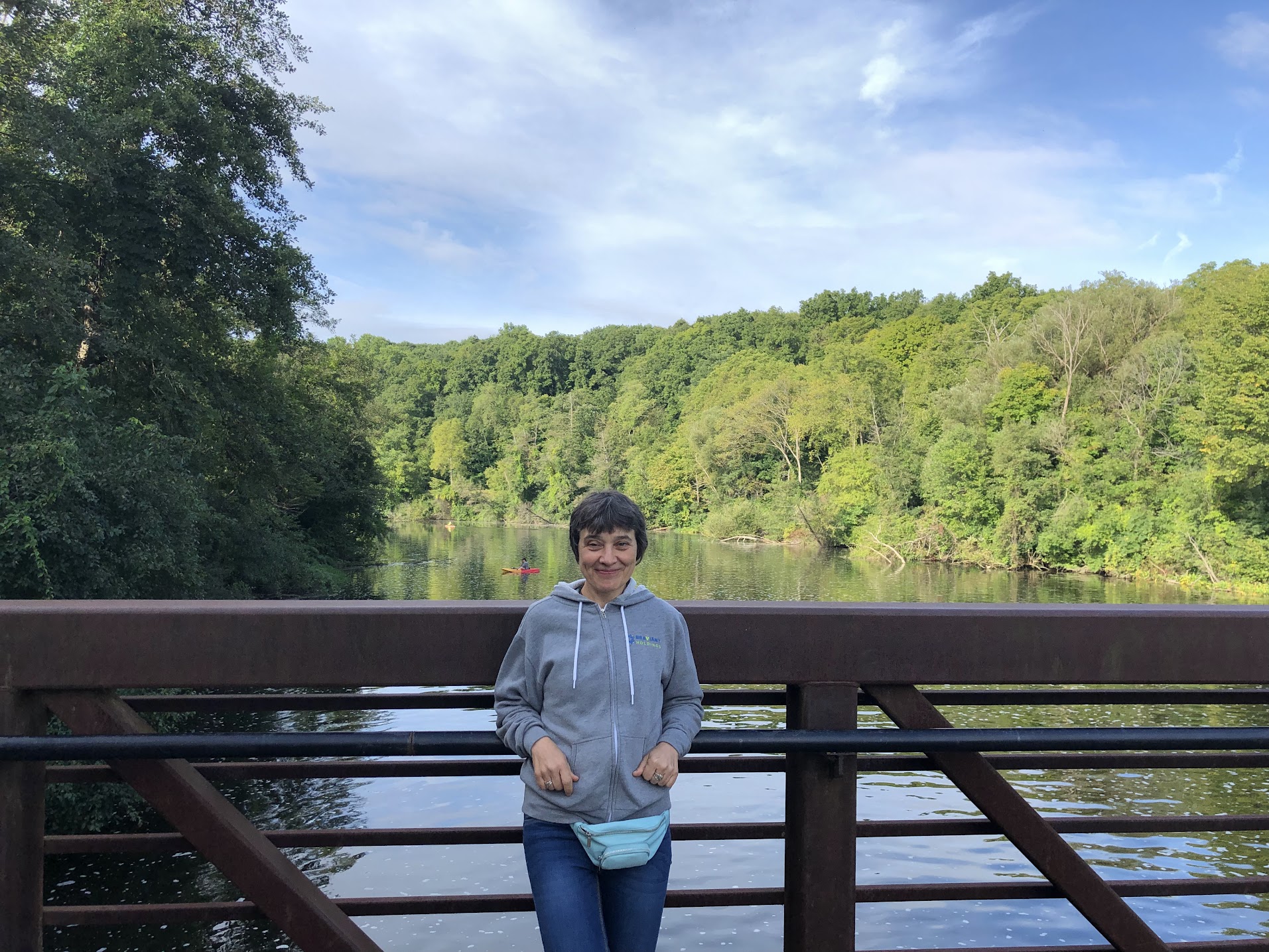
We were planning to start from the Botanic garden, but it was not opened till 10 AM, so we went to Bandemer Park first. The views of the river were stunning! We saw lots of people walking the trails, and some even biking, although I thought there is not enough room on these tiny narrow trails.
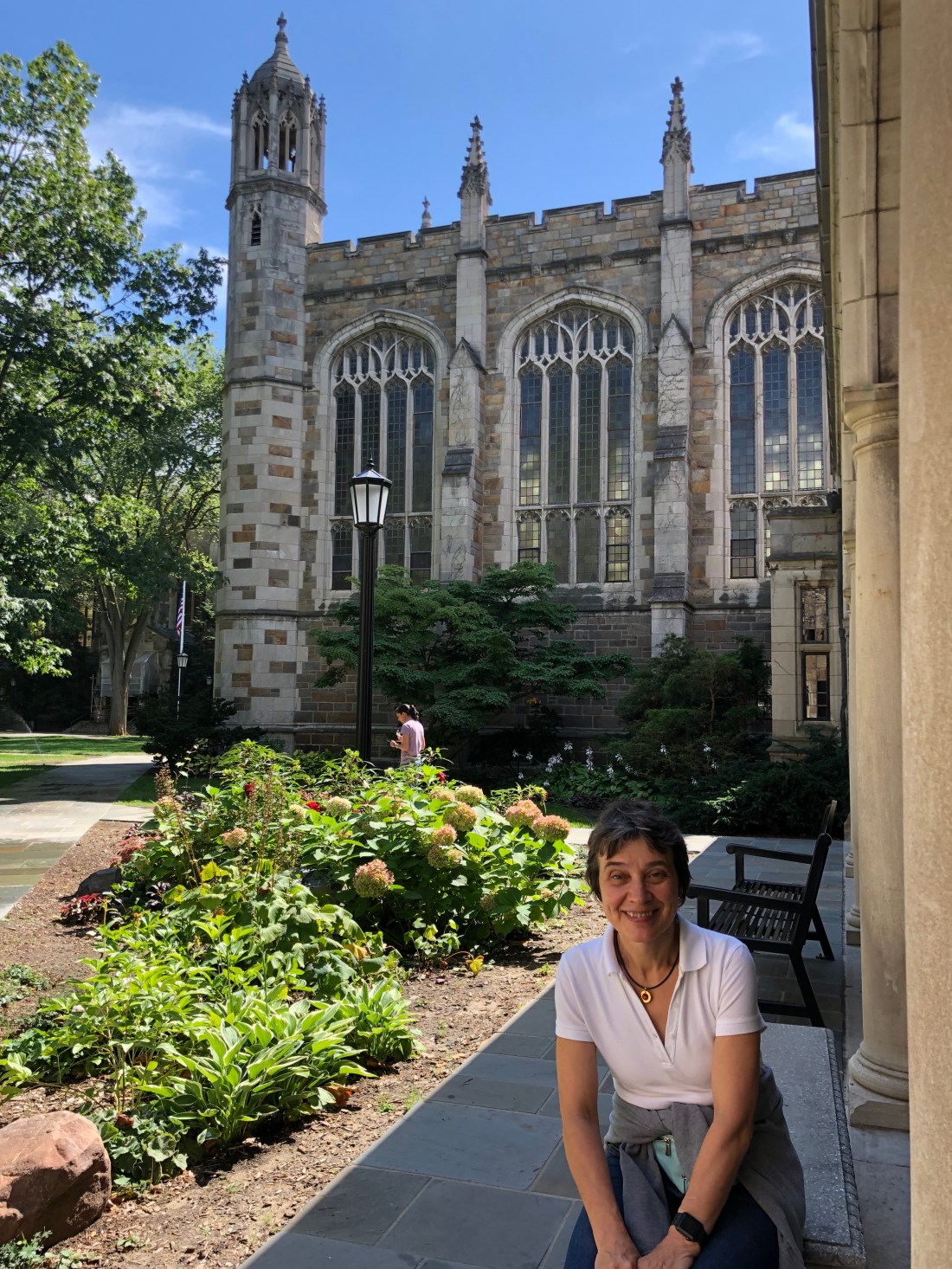
This weekend I am in Ann Arbor visiting my dear friend Lena. Lena used to live in Palatine; five minutes drive from me. She is a great person and a true friend, and we have a lot in common, no matter 20 years age difference, me being a crazy workaholic, and her being a homemaker for a long time. I was very sad when they moved to Ann Arbor because of her husband’s work. She visits me from time to time, but it’s not the same. Now, two years after she moved I finally came to visit her.
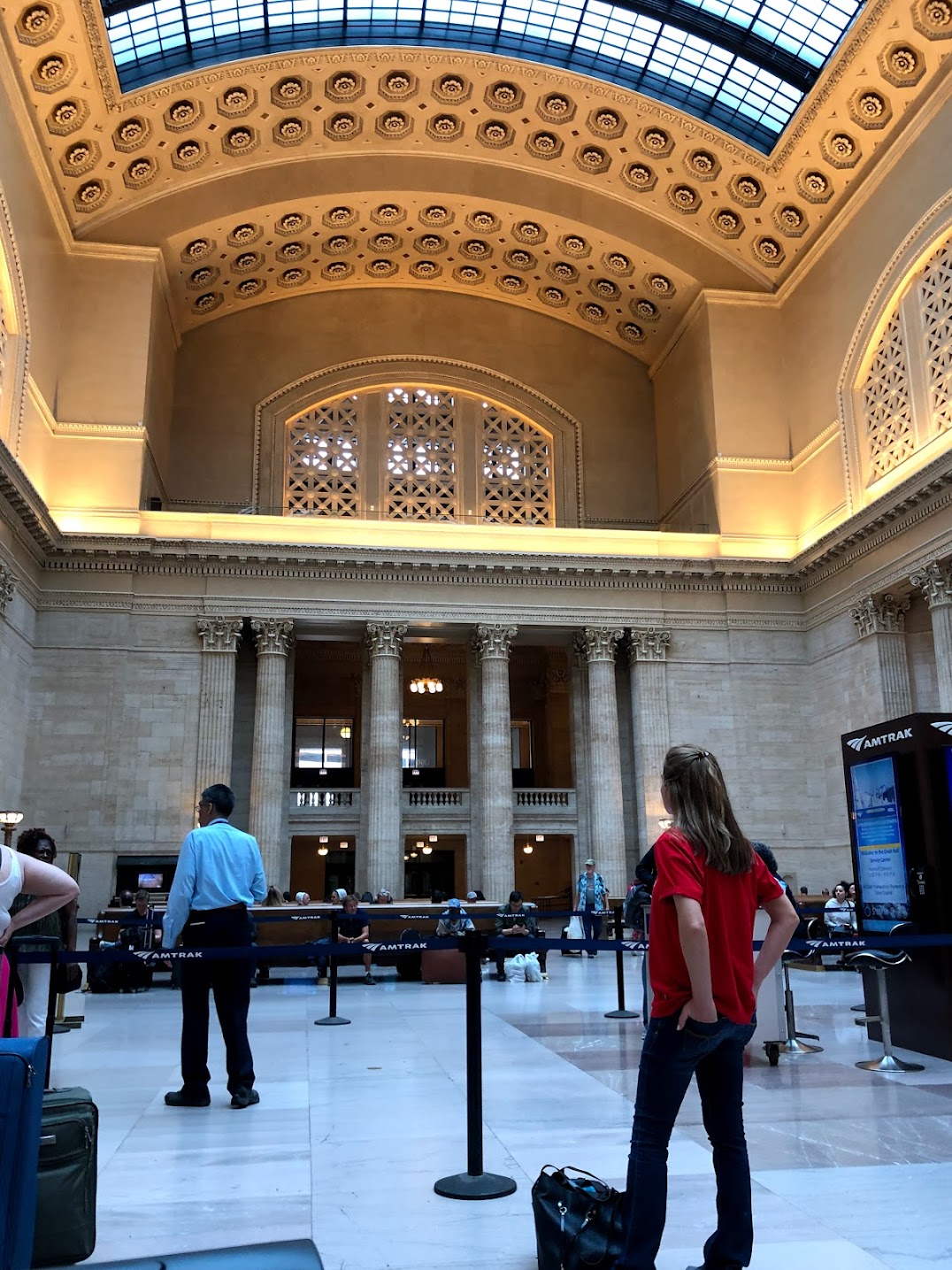
On Friday after work, I took a Wolverine train from the Union station.
This train moves with speed over 110 mph, but due to the issues with its computer, we were one hour and fifteen minutes late. Lena had to stay up late to meet me at the train station, and we didn’t go to bed till 1 AM, but at 6-30 AM today we were up and ready for adventure.
I have four hours on the Wolverine train to Ann Arbor, MI. I have a comfy seat, an electric plug, and the internet available, so it’s a good time to catch up with everything :). I returned from Wisconsin on Saturday of the Labor Day weekend, so I still had two full days and a little bit for myself. Usually, on Labor Day, I try to do something meaningful, something related to the holiday. And most of the time it means visiting Pullman.
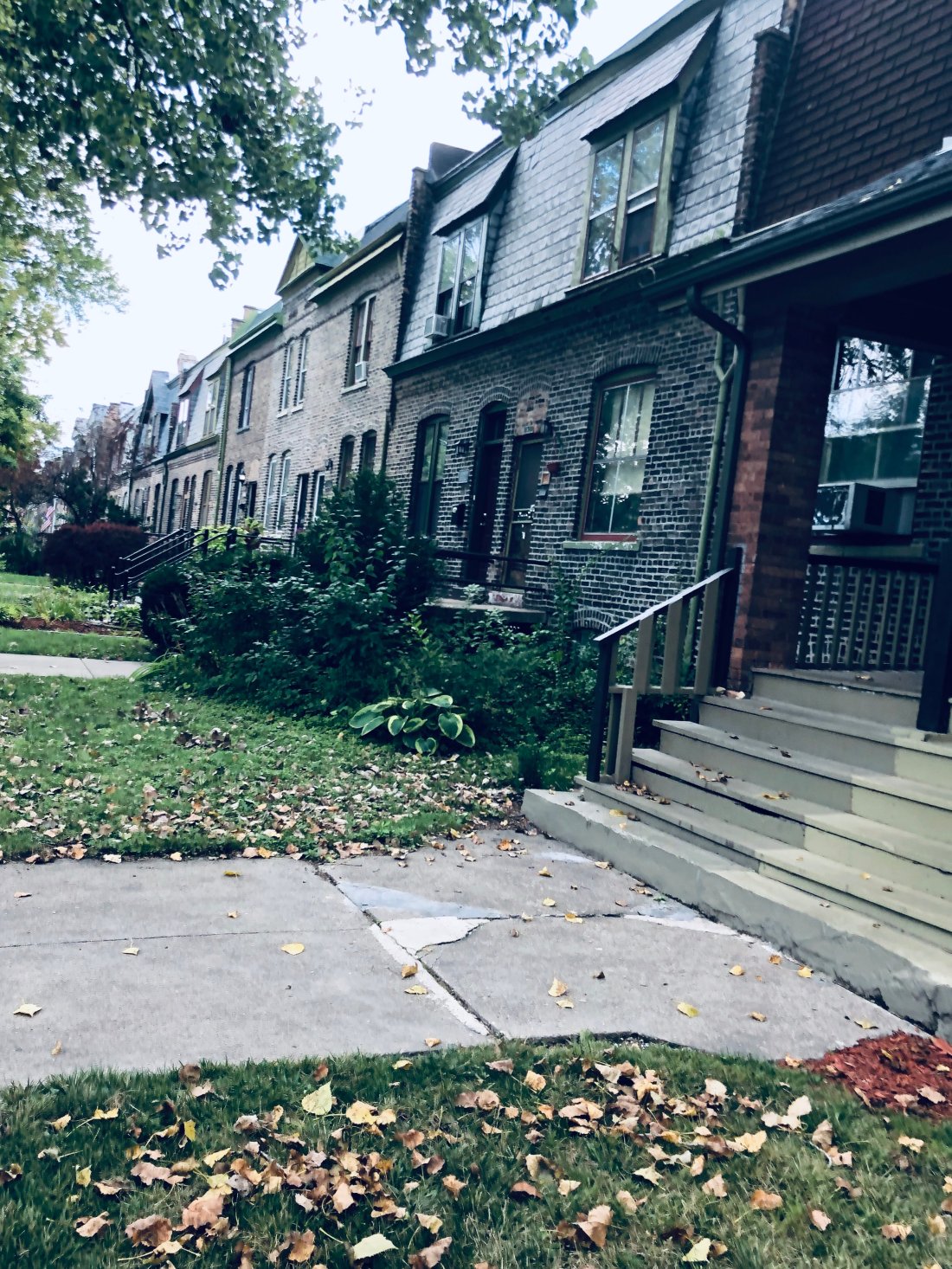
Igor talked me into visiting it for the first time in 2014. I didn’t know anything about its amazing history back then and readily absorbed all the information. At that time, everybody was talking about getting Pullman the status of National Park, and in 2015 this happened.
This year I thought there is no way I can spend almost the whole day on this trip. But then I made some calculations, and due to the new Metra weekend schedule, it all appeared to look doable. So the decision was made, and I told Igor that I am coming.
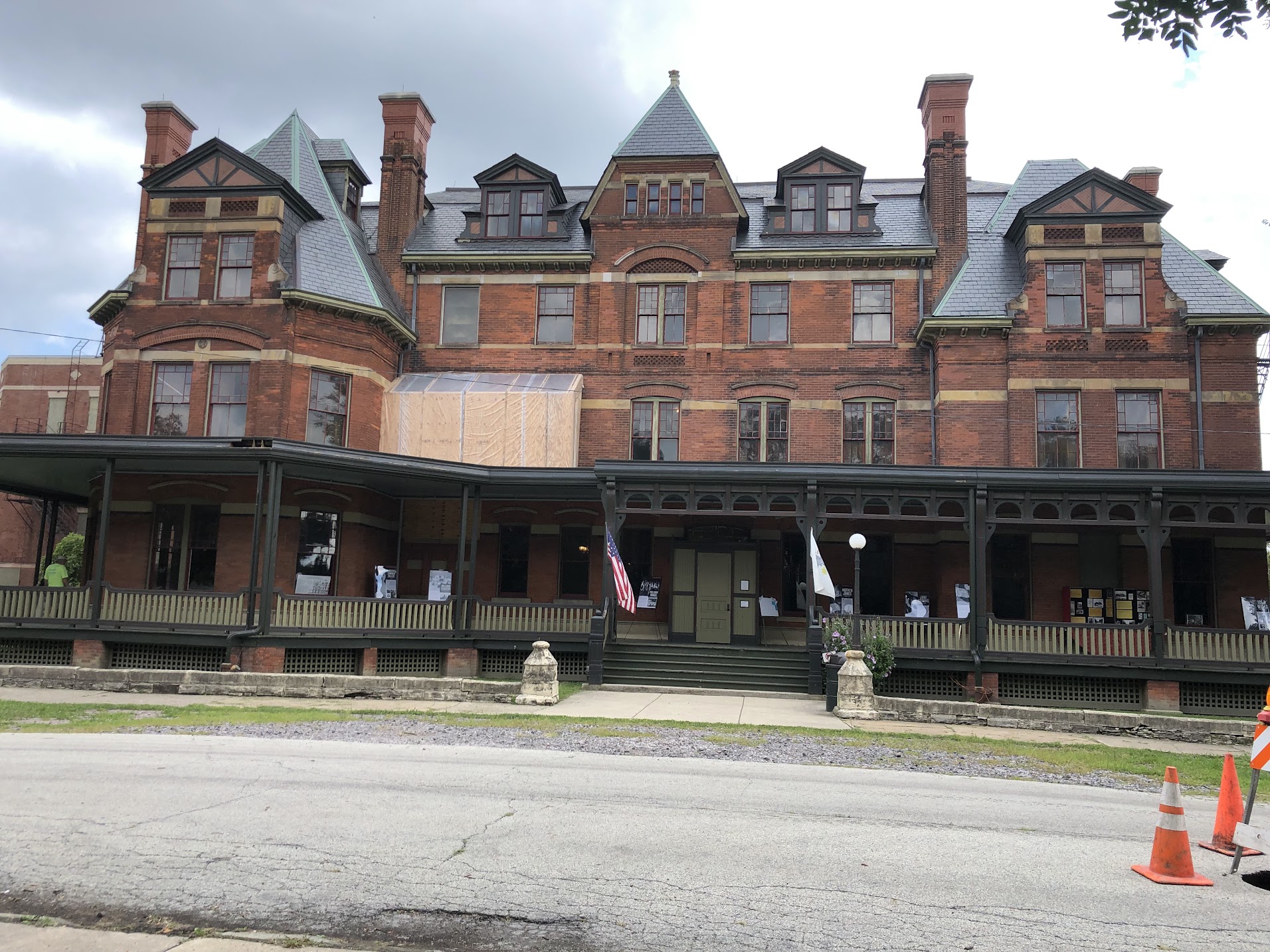
We were hoping that the new status would escalate the restoration efforts, but the Florence Hotel is still closed to the public, and the factory restoration is still in process.
Last Saturday Igor and I went on our traditional late-summer trip to Indiana Dunes. Igor was the first to discover this amazing place (I mean, it has been known for everybody except us, so we “discovered” it for ourselves. I love each, and single thing about Dunes. Each time we are taking this long trip (I am not driving long-distance, so it is really long, with two trains and lots of walking) I am asking myself, why in the world I am doing this :). Why spend several hours to soak yourself into the same Lake Michigan, just at the different part of it. But when I get here, I instantly remember: oh, that’s why! Because the water is so clear, and the sand is so white and overall – this place talks to you!
Most of the time I am trying to get a bigger crowd to come with us, but this time I get sick just before the planned trip, and I was not sure whether I would be able to go, so I didn’t invite anybody.
We have lots of stories about the weather and how it would interfere with our trips, one takeaway was – do not trust any weather forecast. However, when Saturday morning the forecast turned to “thunderstorms from 12 to 2”. I’ve called Igor and asked whether we are still going, and shouldn’t we postpone our trip to Sunday.
After some discussion, we decided to go, and I am so glad we did!
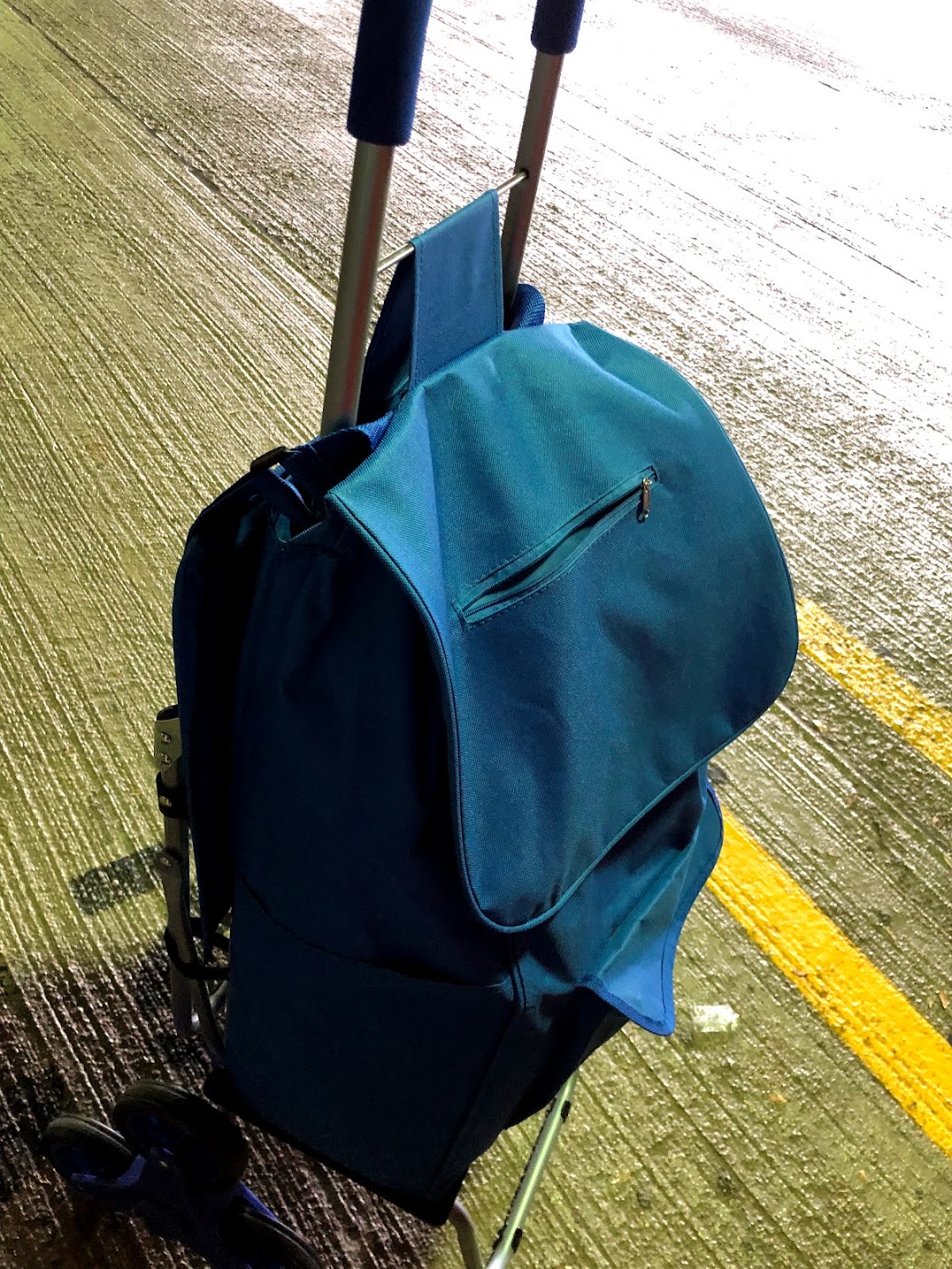
I packed my new rolling bag for the first time. I got it several months ago to deal with my current inability to carry heavy stuff for an extended period. It was advertised as being able to walk the stairs and to roll on the beach. Both proved to be true and worked wonderfully. However, I found an unexpected problem with dragging something relatively heavy behind me, rather than rolling four-wheel luggage. Still, I need to figure out what precisely is wrong, but I had to give it to Igor on the long stretches. It worked great on the beach itself though, because unlike regular luggage it can stand it in the sand, and I could take out stuff and put in.
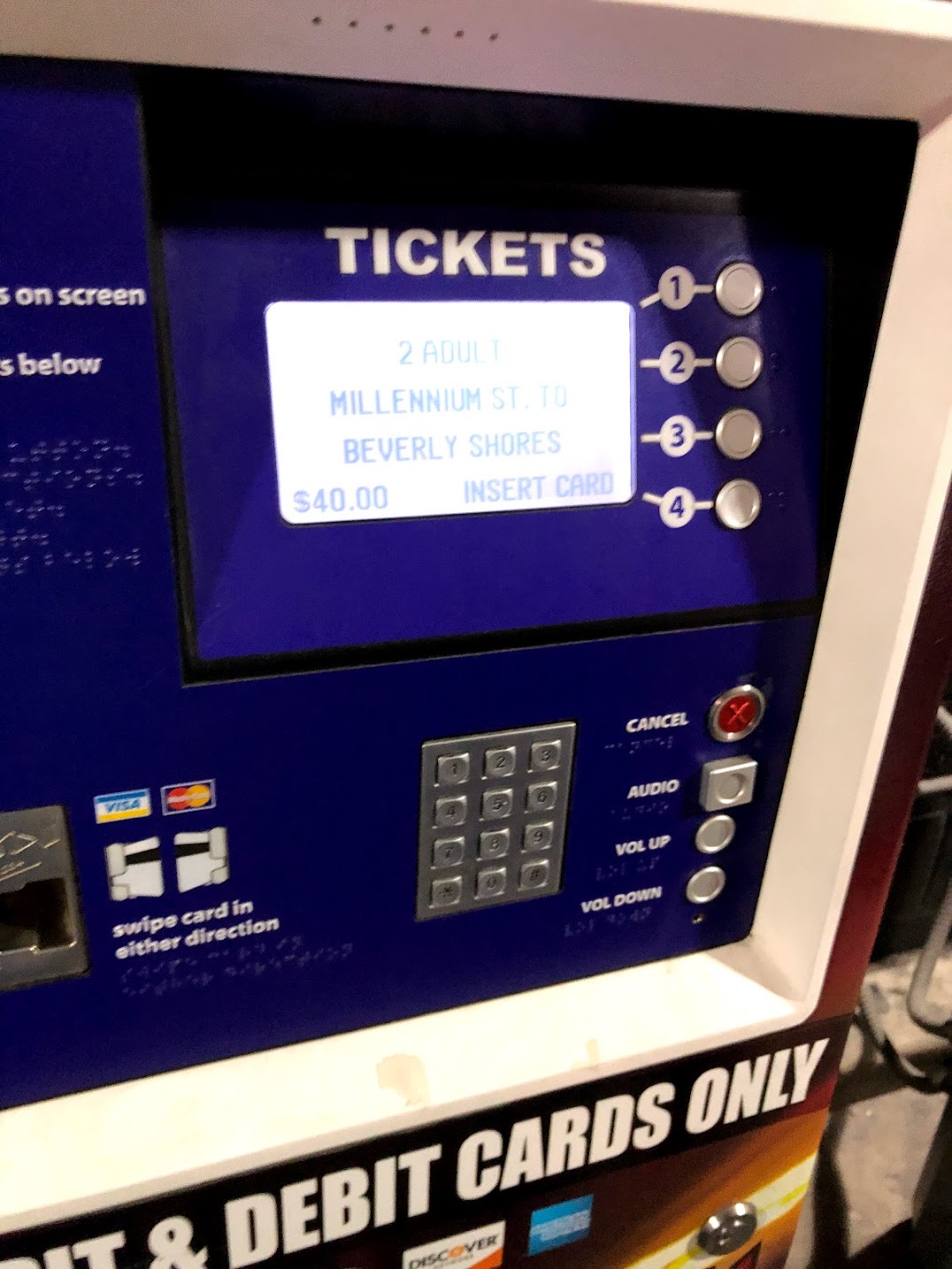
From Chicago, we had to take the South shore electric line from the Millennium station.
I have almost no pictures from our trip to East Germany. I know what I have some from Saxische Sweitzer – Saxon Switzerland, but I could not find them. Maybe they will emerge later, and then I will add them to this post. For now, I will continue without pictures. When we arrived in Berlin, our hosts told us they would try to exchange our return train tickets, and they managed to get us an extra three days! We were overjoyed, and I will tell you in a little bit, what did I do with this additional time.
We liked East Germany. Now, when I read memoirs about the time the country was divided, people comment about the striking contrast between the East and West Germany, about East Berlin and West Berlin. We didn’t know anything about what’s going on behind the wall. We loved Berlin, and we loved Leipzig. We also loved all the other cities and towns our hosts would take us. We visited Weimar, Erfurt, and Eisenach. We had a three-day trip to Dresden, and one of these three days we visited Maison, and it’s famous factory. We roamed Saxische Sweitzer. We had an excursion to Potsdam.
We loved everything. The fact that the trams had schedules, which they were obeying to the minute. That the streets were clean and the university dorms were tidy. We loved the school cafeterias.
I was about to start describing an actual trip, but then I’ve realized how many details surrounding this trip require a separate explanation. That’s one of the reasons I’ve decided to start this blog in the first place. I would never put into my journal back then all these details of our everyday lives because they were so “everybody knows it.” And the future generations will never ask about them because they won’t imagine that everyday things may be so different!
There were two essential things to take care of: passports and money. I know that for most of the world, a “passport” means a document that allows you to travel abroad. Not the case for the Soviet Union, and even for nowadays Russia.
All of us had an “internal passport,” which was issued to anybody when they reach sixteen years of age. This internal passport (which everybody would refer to as just “passport”) was used and is still used in the situations when Americans use their driver’s license or State ID. It was something you would need to carry with you most of the time if you want to avoid trouble with a militia.
And if you are lucky to be allowed to go to Zarganitsa, you will be issued a separate passport – a foreign passport, or as we now are aware of the terminology, “zagran-passport.” There were three different types of zagran-passport, and we were issues the “regular” ones.












 Hettie's Reflections