Today, Chicago and the state of Illinois lifted most remaining COVID-19 mitigation-related masking and social distancing requirements and capacity limits. It isn’t quite the end of an era, but it is a step forward.
But when I wrote a decent chunk of this post (on June 7), many of those limits were still in place, and Chicagoland region was caught in an interesting half-way state that had as much to do with people’s attitudes as anything that was formally required.
I’ve been Chicagoland specifically because the United States, for better or for worse, continues to be a patchwork of restrictions, regulations and approaches. For the past 12 months, I’ve been able to sit down in coffee shops in Kenosha (Wisconsin) and Michigan City (Indiana), but not in Chicago and most suburbs. Masking has also varied – as I mentioned before, Kenoshans really didn’t mask much until the fall 2020 surge in cases.
In the past two months, we saw two major developments.
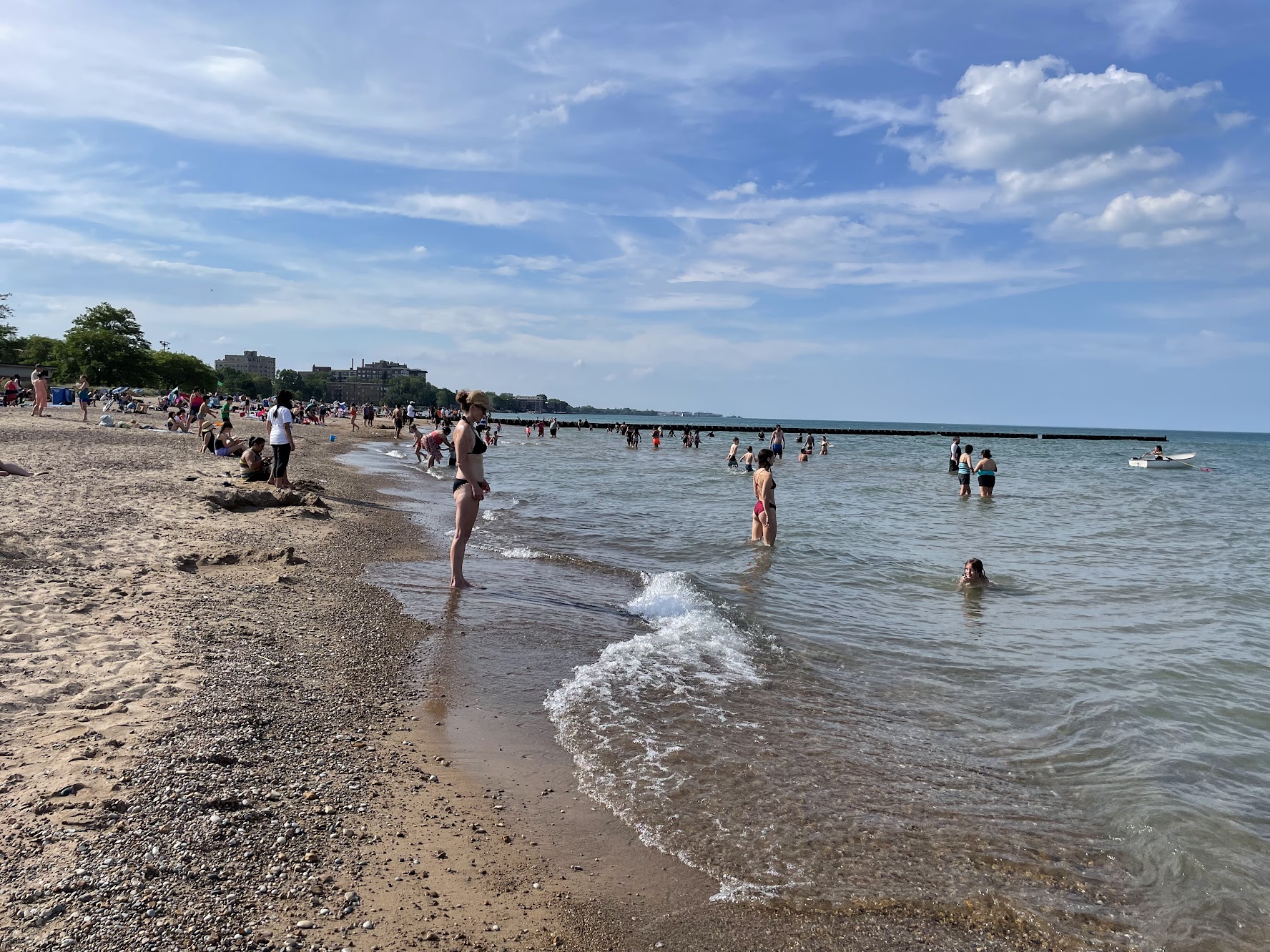
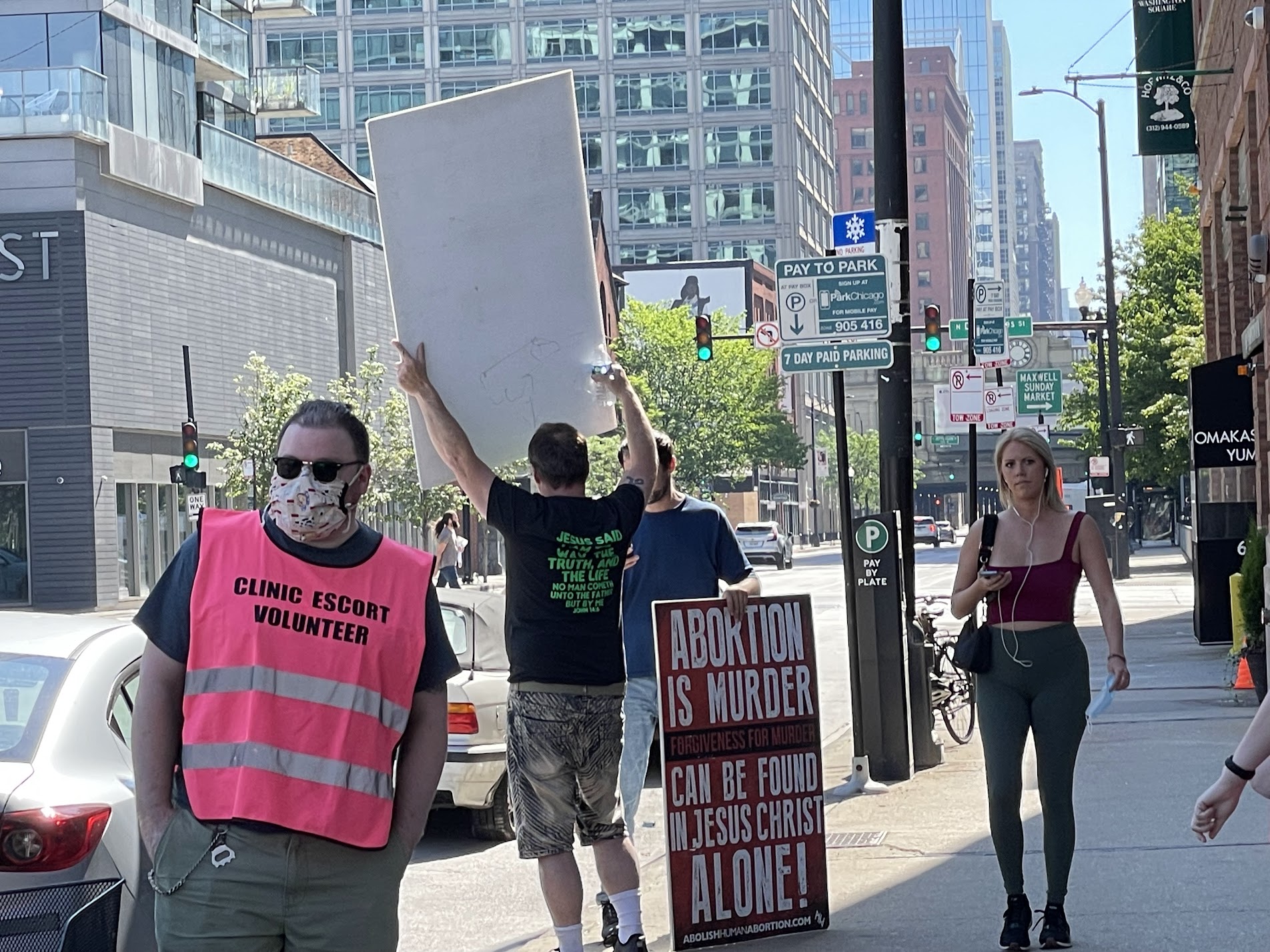
In late April, CDC issued a recommendation stating that people don’t have to wear masks outdoors – though it still recommended that unvaccinated people wear masks in crowded outdoor settings. Then, on May 13, it recommended allowing vaccinated people to go maskless indoors, except in public transit, government buildings, hospitals and some other congregate settings. Illinois and Chicago specifically adjusted their respective regulations accordingly – which meant, in practice, that businesses and public institutions such as libraries could continue requiring everybody to wear masks, if they so chose.