
One more interesting article (I am catching up on my TIME Magazine reading for the past month)
The article addresses common dystopian fears that people are living longer but in worse health, thus straining the health system and taking more money from the rest of society.
And that’s another topic I was thinking about a lot recently. When I read books that describe life in a not-so-far-away past (both fiction and non-fiction, especially diary-based), I am constantly stumbling over descriptions of people of my age and even more of Boris’ age as “old” and “very old”, having trouble performing daily activities. And I find it encouraging that that’s a trend, not us being exceptions.
Full text below.
People Are Living Better at the End of Their Lives, New Study Finds
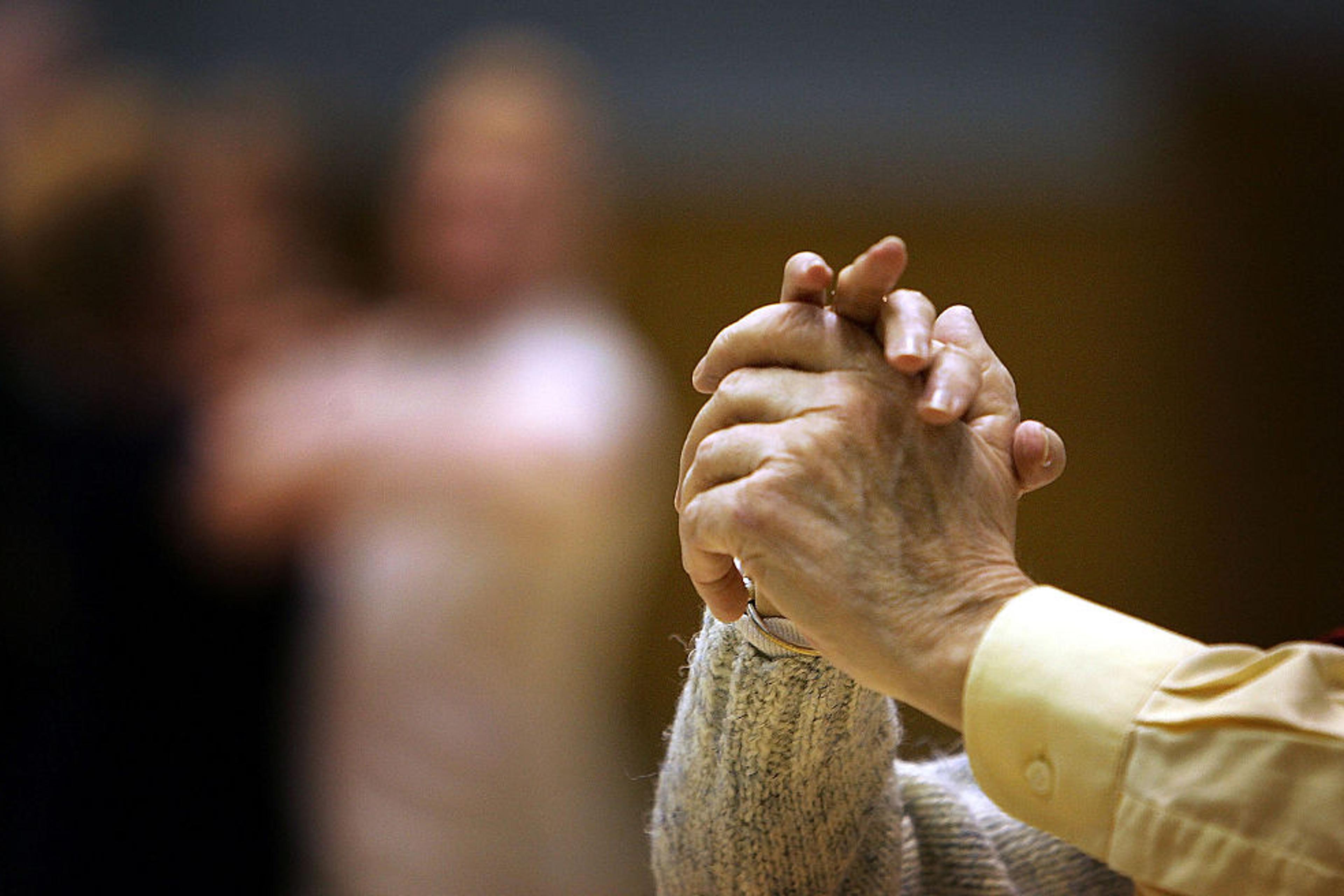
People in the U.S. are living longer than ever: In 2024, the latest year for which data are available, the U.S. life expectancy hit 79, an all-time high. Now, a new study examining health conditions during old age finds that people are living the last years of their life in better fitness—and with fewer limitations—than they did previously.
“What we’re finding is that at every age, health is improving,” says Amy Finkelstein, an economist at the Massachusetts Institute of Technology and one of the authors of the working paper, published by the National Bureau of Economic Research on June 22. “We’re not just living longer; we’re living better.”
The authors used a dataset called the Medicare Current Beneficiary Survey to look at how various Americans fared from one year to the next from roughly 1993 to 2017. What they found was that over that time period, the life expectancy of someone at age 66 increased by 2.4 years. On average, those 2.4 years consisted “entirely” of healthy life-years, the authors found—free of the physical and cognitive limitations that often come with age.
What’s more, they found, time spent in a state of having severe physical or cognitive limitations declined by about 30%. This actually reduced expected nursing home and home-health use. Increases in life expectancy can be attributed to delayed aging or prolonged dying, Finkelstein says—and this work suggests that delayed aging is behind these gains.
While the authors don’t have data explaining why people are living better near the end of their lives, another recent paper speculated that better pharmaceutical interventions and better public-health efforts like campaigns to reduce smoking may be helping.
“So much of what we do in economics is sound alarm bells and be the Debbie Downer in the room, but this is actually a really positive story,” Finkelstein says.
Financially, though, it’s not all positive. Longer life expectancies mean more spending for already troubled government programs like Medicare and Social Security—and for older people themselves. Social Security is expected to be insolvent under its current trajectory by 2032.
Expected lifetime Social Security spending was up 14% because of these demographic changes, the study found.
But there’s a silver lining there, too. Women in particular were found to spend less time in the worst morbidity state. And expected Medicare spending was up just 6%—which is less than anticipated with higher life expectancy—largely because people are in better shape at the end of their lives and need fewer health interventions. The amount of time they are expected to spend in nursing homes and with home health aides, the authors say, may even decrease.
This, they say, stands in “stark contrast” to the widespread conventional wisdom among economists that life expectancy increases will put substantial pressure on long-term care facilities and nursing homes, raising hope that our last days might not be our worst.

 Hettie's Reflections
I’m not sure that I believe this… But if it’s true, it could be partly due to a decline in people making a living at manual labor and better on the job health and safety measures. But I speculate and have no cites at hand.
LikeLiked by 1 person
That definitely plays a part in it. Anyway, I consider it good news!
LikeLike