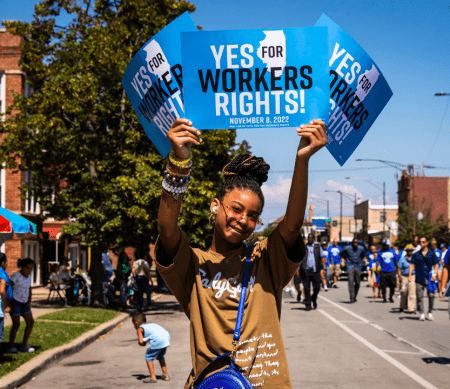
Pullman Labor Day Parade

I am not going to pretend that I know everything about the Labor History of Chicago, so I will simply copy-paste the information from the Pullman website about today’s event. I want to mention that the event was poorly advertised, and the participation was not so great. Igor and I went thee and took a decent amount of pictures, which I will ty to post tomorrow. But for now – just the information:

Official records vary, but one can be certain that Chicago’s first Labor Day Parade took place in the 1880s. Labor Day parades in Chicago before the turn of the 20th century regularly involved upwards of 30,000 working men and women and drew thousands more onlookers. Roughly 75,000 workers turned out to march in the 1903 parade.​

Early parades were massive and aimed to show the solidarity and sheer size of the labor movement. Parades were often followed by picnics where workers could enjoy a relaxing day off with their families after marching with their union. However, support for the parade waned in the 1940s and would eventually be discontinued in the 1950s.

In 1959, the East Side Labor Day Parade was established. Chicago’s Southeast Side has always had a strong connection to labor, and with the steel mills in operation and working families employed at U.S, Wisconsin, Republic, and Pressed Steel, the booming economy of the neighborhood gave rise to the celebration of union and labor achievements. The parade ran strong for over 30 years until its retirement in 1993.

The Chicago Federation of Labor revived the Labor Day Parade that traditionally marched through downtown Chicago in the 1980s. Iterations of the parade through the 80s and 90s often included a festival and picnic component, held in Grant Park. The 1982 parade and festival was held over several days and included musical performances by Count Basie and Glen Campbell. But the “downtown parade” once again went by the wayside in the 2000s.​

Years later the tradition was revived by former 10th Ward Alderwoman Susan Sadlowski Garza in September 2015 with the support of local businesses, unions, and community members. The new parade ran down Ewing Avenue on the Southeast Side and was followed by Eddie Fest, featuring live music, food and fun for the whole family. Eddie Fest was named after Sadlowski Garza’s father, the legendary United Steelworkers activist Edward ‘Oilcan’ Sadlowski.

The 2023 Chicago Labor Day Parade and Eddie Fest is moving from the East Side, but not far. After Sadlowski Garza’s retirement in 2023, the parade and festival will move to the Pullman Historic District, which has been developing and highlighting its ties to the Chicago labor movement and labor history over the past few years.

Labor Day is an American holiday that celebrates and honors the contributions of working-class people. Organized and run by the Chicago Federation of Labor, the parade seeks to celebrate union pride, solidarity, and community togetherness. We look forward to hosting another successful event that families can enjoy for years to come.

Since 1896, the CFL has fought for economic, social, and racial justice for all working people. The CFL proudly represents 300 unions, who in turn represent approximately 500,000 working people in Chicago and Cook County.
Forest Ranger Camp

The reconstruction of a forest ranger camp from the 1900s was one of the things Lena and I missed last year. The staff member (whom I didn’t photograph) was dressed as on of these very first forest rangers, and he talked about their jobs and how they had to be away from home on horseback for months. I immediately started to estimate how much they would have to carry with them. Even if we assume they didn’t take s change of clothes with them (which is possible!), he still had just this one saddle bag with two compartments. And he had to hack his tent, a blanket, some tools, his pan and a coffee pot, and a mug, and supplies like coffee, sugar and salt for several months!

Greenfield Village

Last year, when I visited Lena in Ann Arbor, she took me to Greenfield Village. We spent the whole day there but didn’t get enough, and I wanted to do it again, see more things, and show Boris what we saw last year.

Still, it was not enough :). Your mind gets overloaded with information, and you want to take in more but can’t 🙂

See the moving train on the third card!
Old diesel train ride
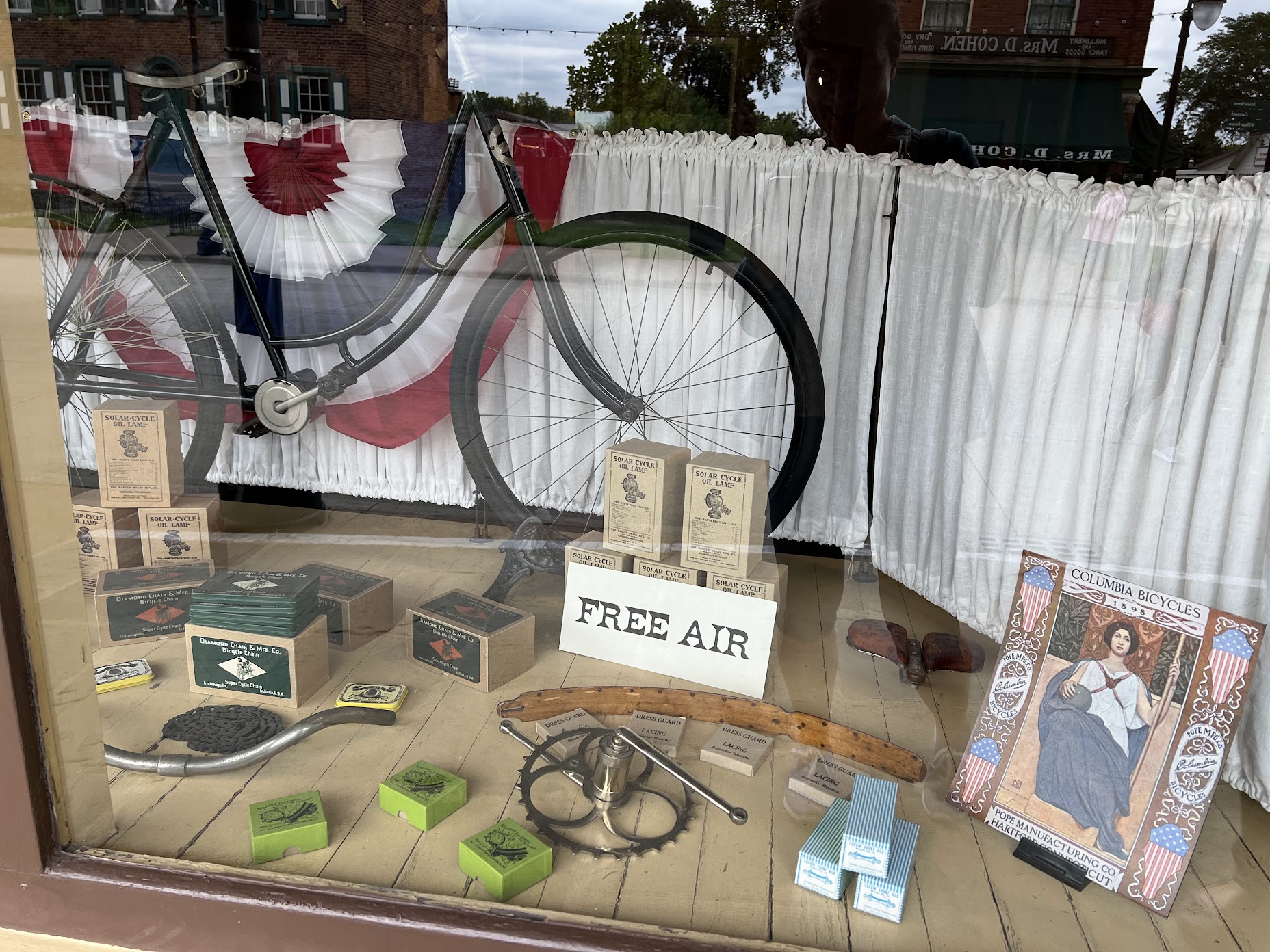
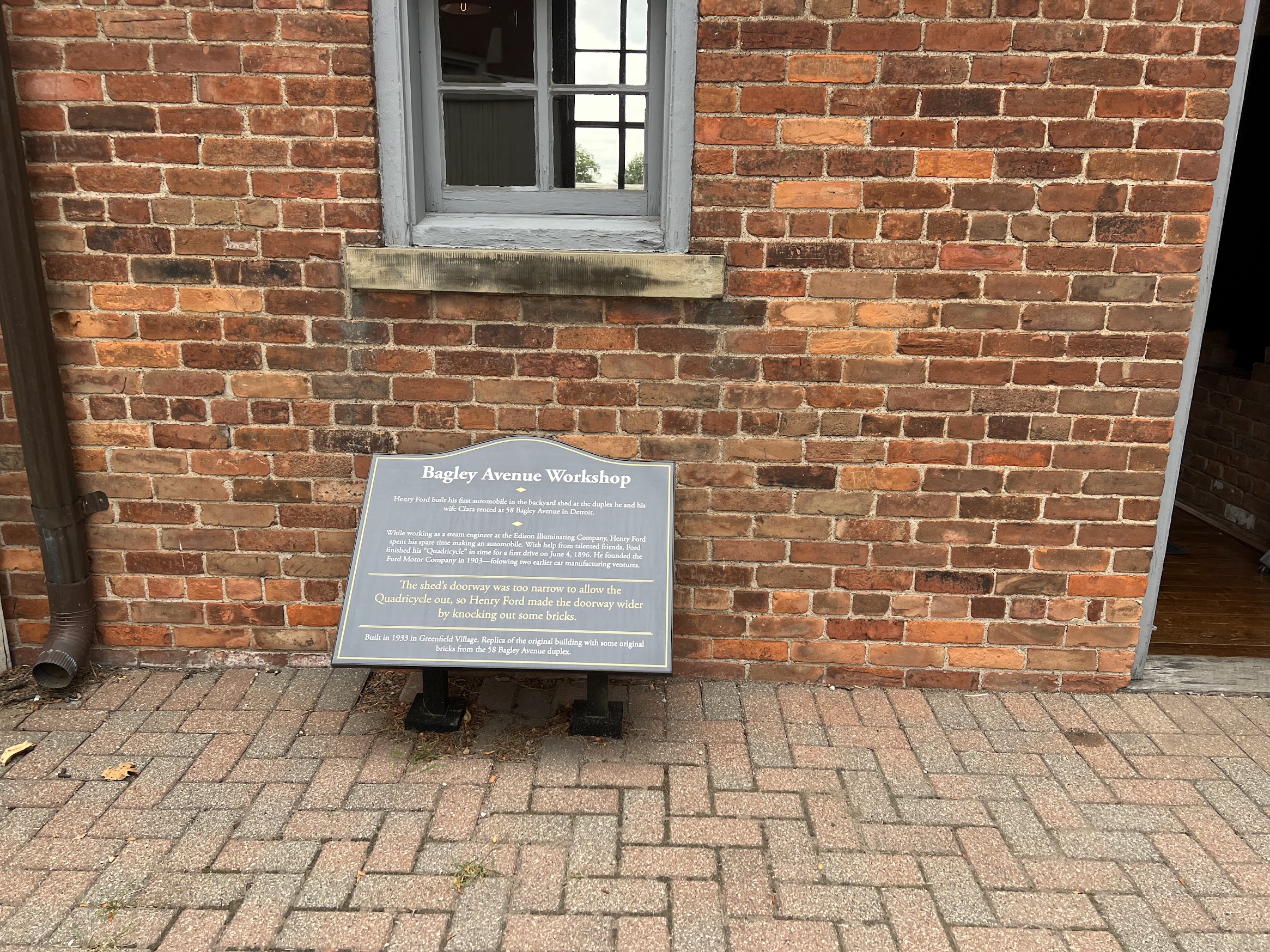
Wright brothers bike shop
Somebody thought of aesthetics!

I tried not to repeat the pictures I took last year… and still took them again, and still it is not enough!

To be continued 🙂

Historic Homes in Greenfield Village

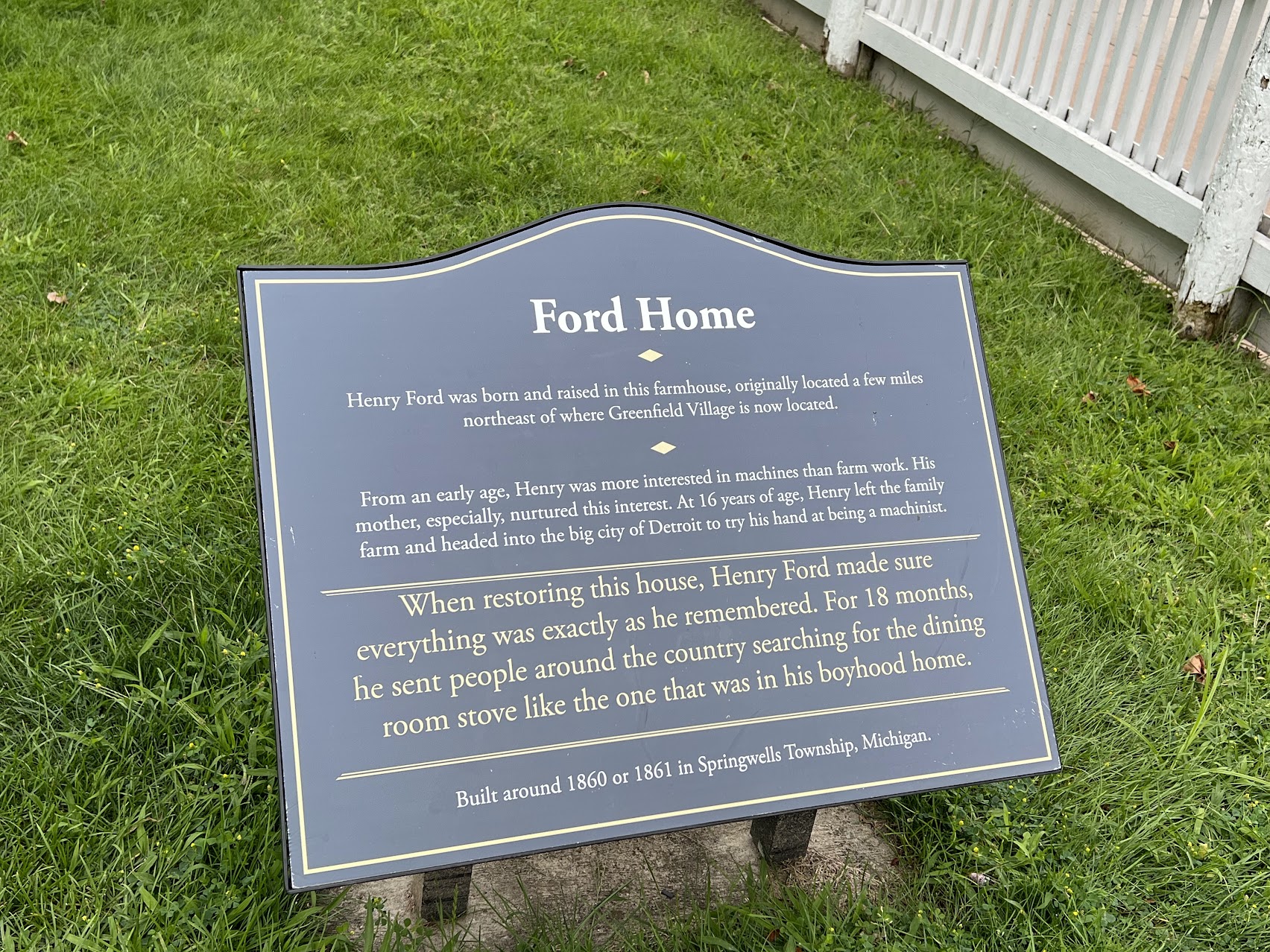
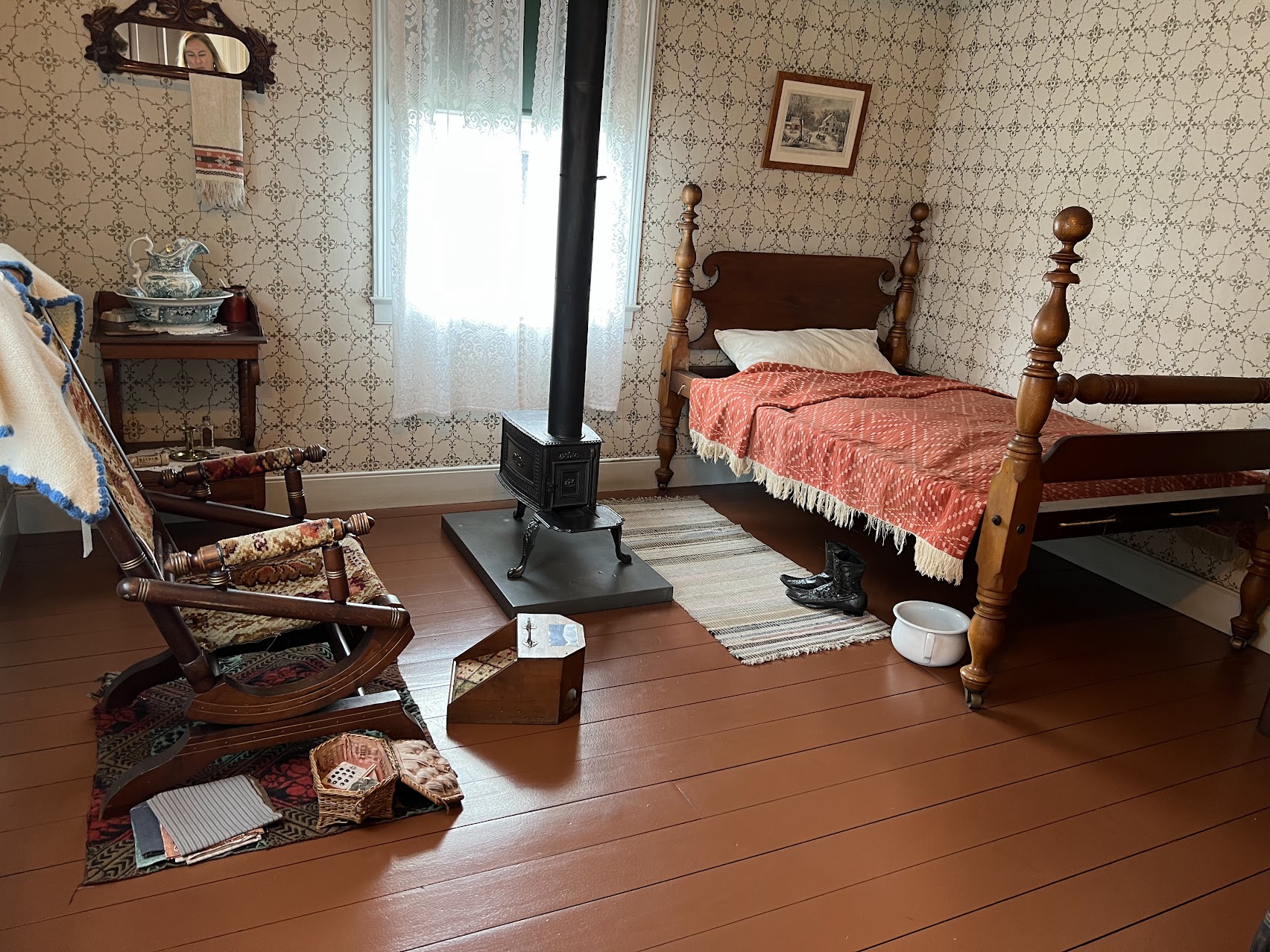
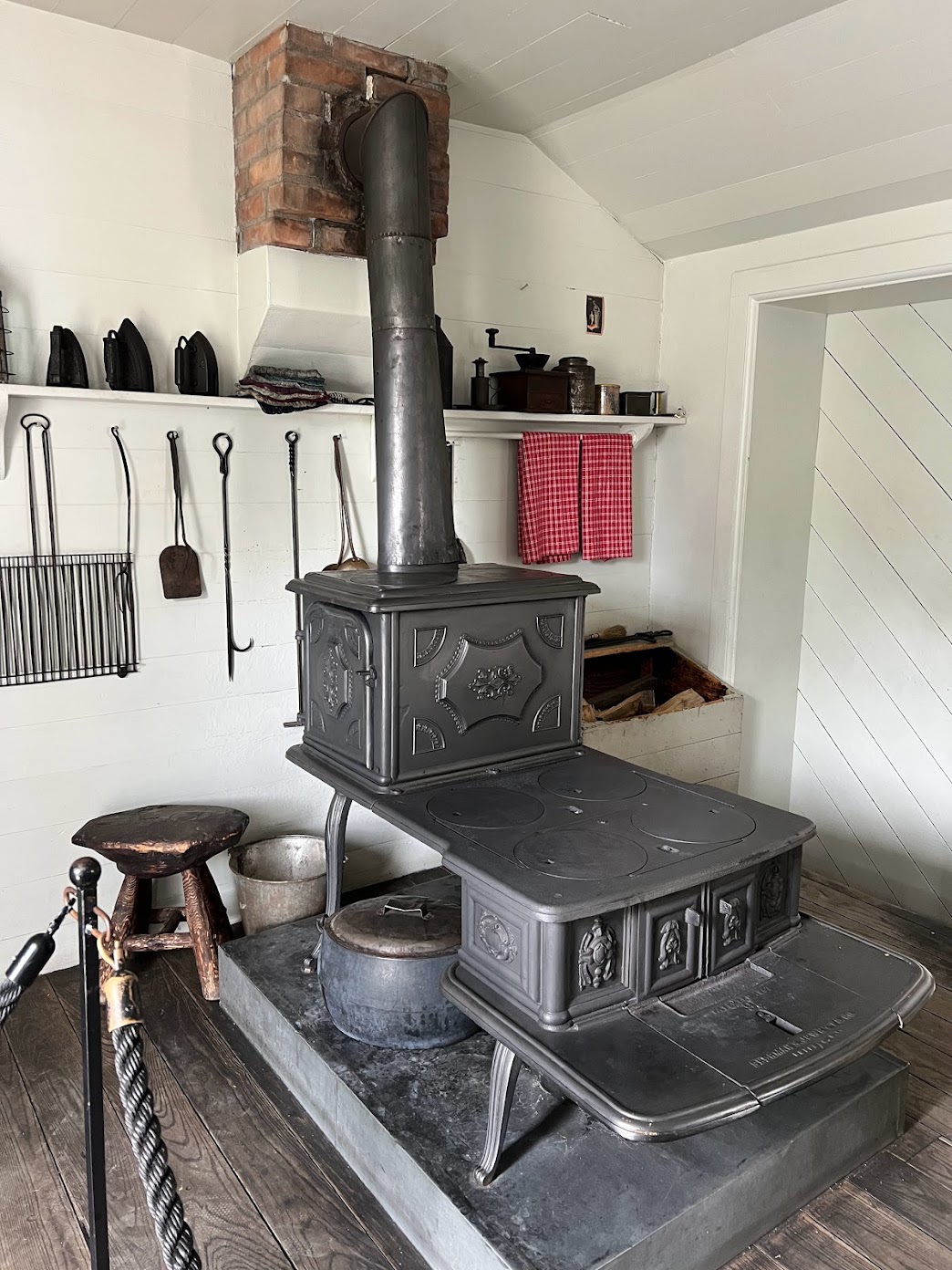
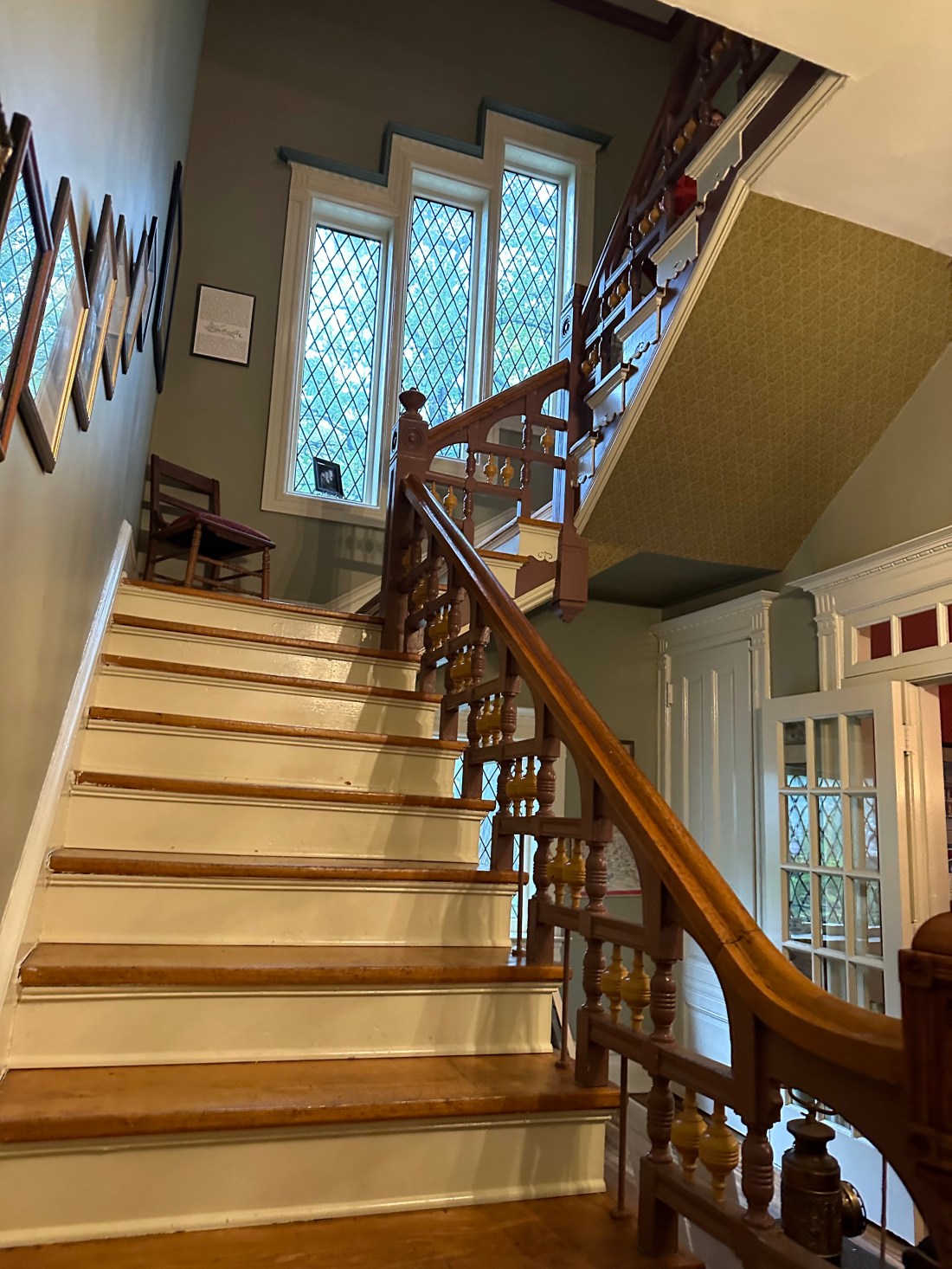
Henry Ford moved several historic homes to the Greenfield village, including his own childhood home:

Then there was the Wright brothers’ childhood home and their bicycle shop. Just a couple of months ago, I read a book The Wright Brothers by David McCullough. And now I remember that the author visited Greenfield village, but when I read the book, I didn’t pay attenention.

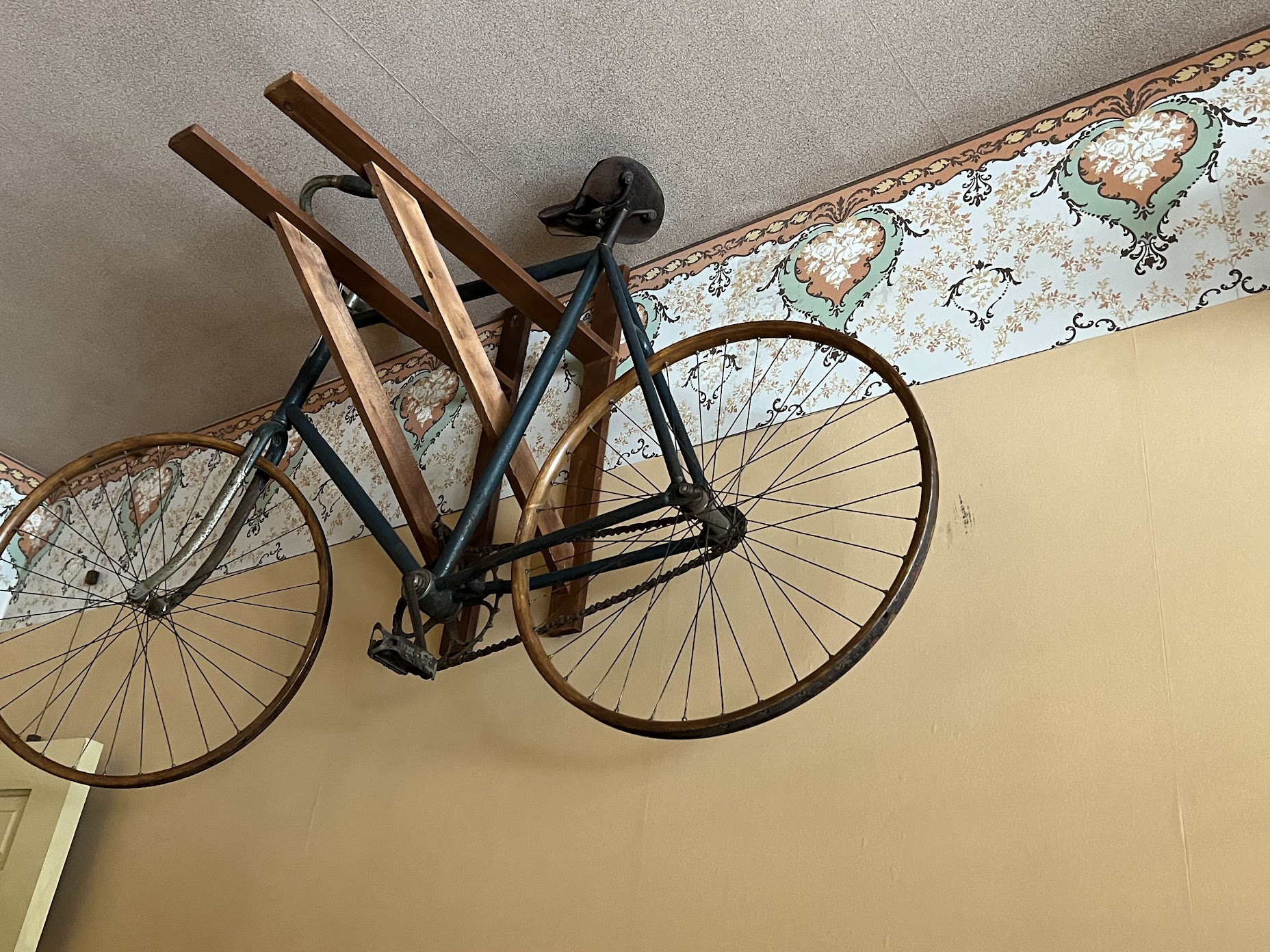
This bike is one of the actual bikes from the Wright brothers’ shop
Continue reading “Historic Homes in Greenfield Village”

Greenfield Village: Eagle Tavern

Today is Thursday, and my Michicgan visit already seems far away. However, I have at least two hundred pictures which I didn’t show yet, and I want to share at least some of them.

Here are more pictures from the Greenfield Village – the place where we had lunch.

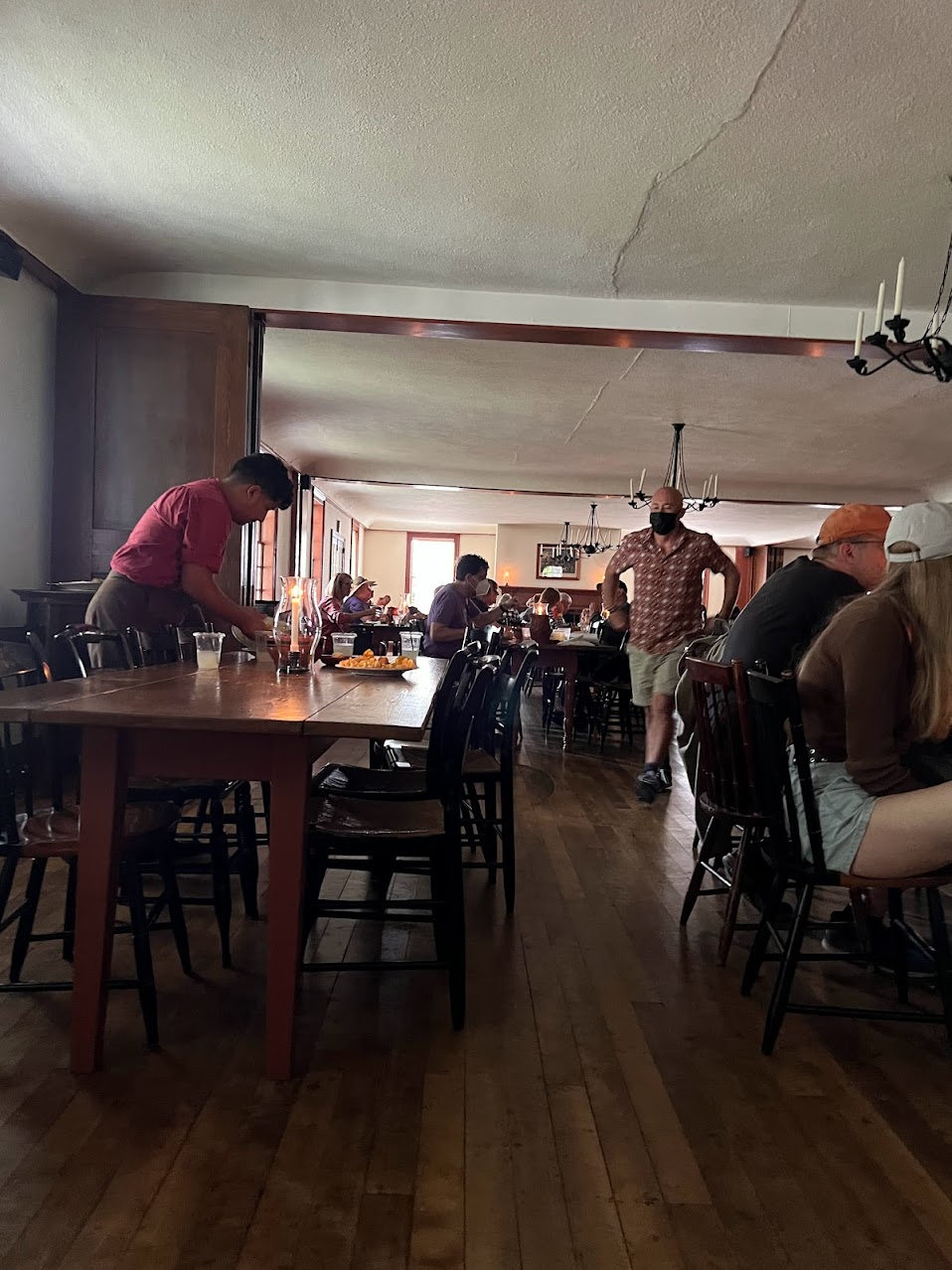
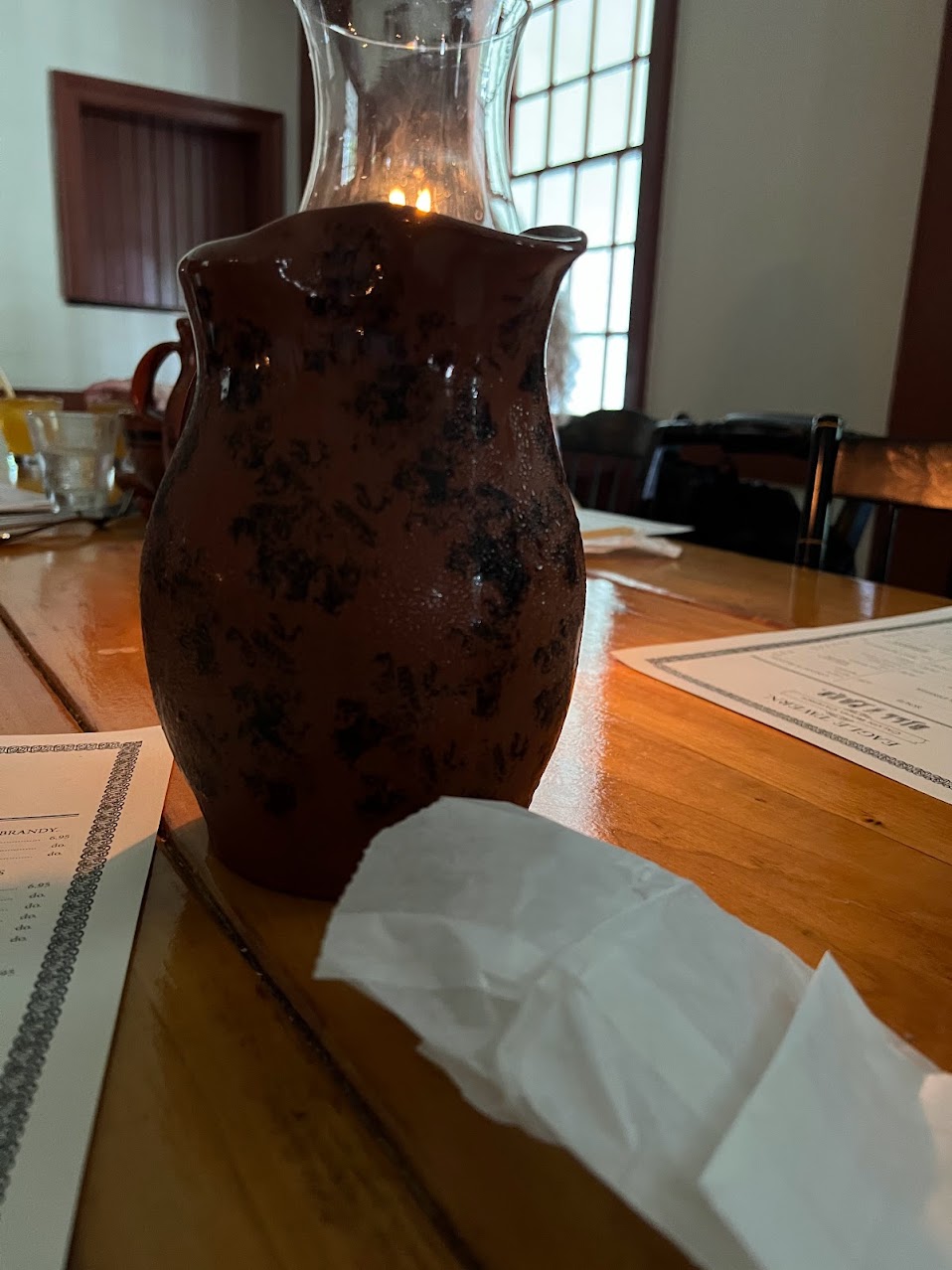
The name of the place is Eagle Tavern, and it was operating in Clinton, MI in 1850. The tavern owner were also farmers, and they served pretty much what they grown on their farm.

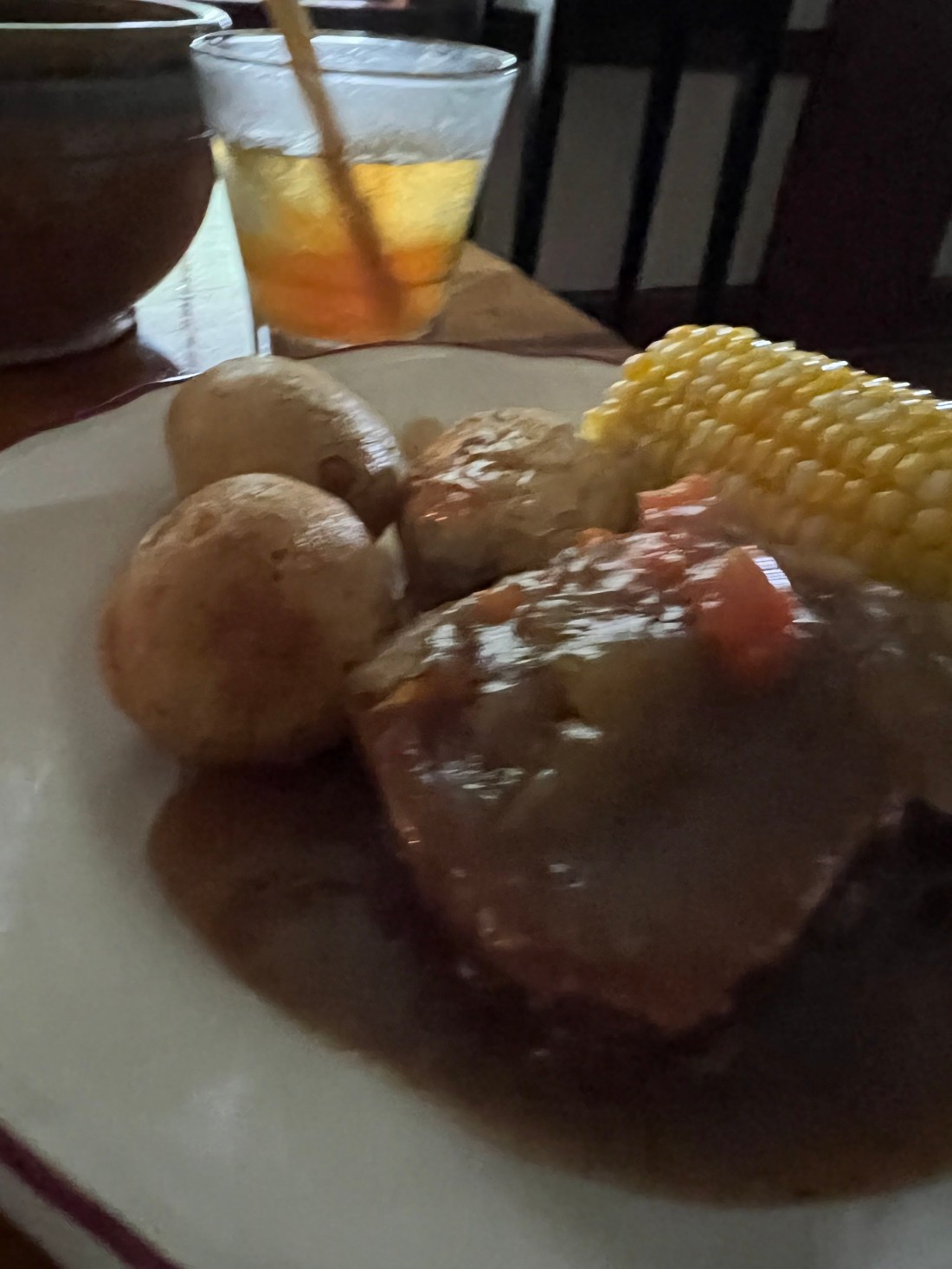
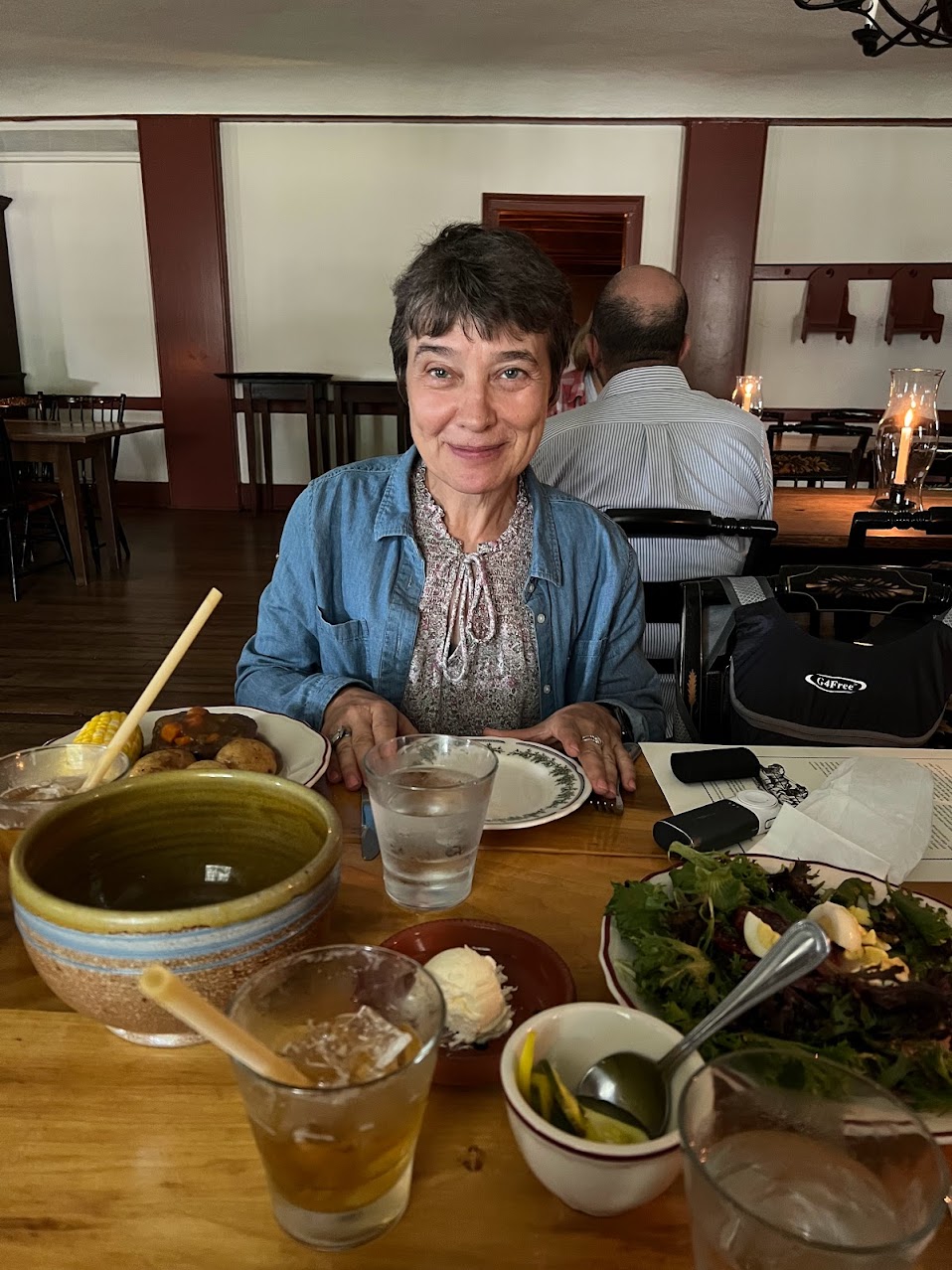
We liked that the tavern preserved the atmosphere of 1850s, but at the same time, it’s not a theater, it’s the place where you can have a simple good meal. Both Lena and I agreed, that although our meals were very non-pretentious, they tasted great!

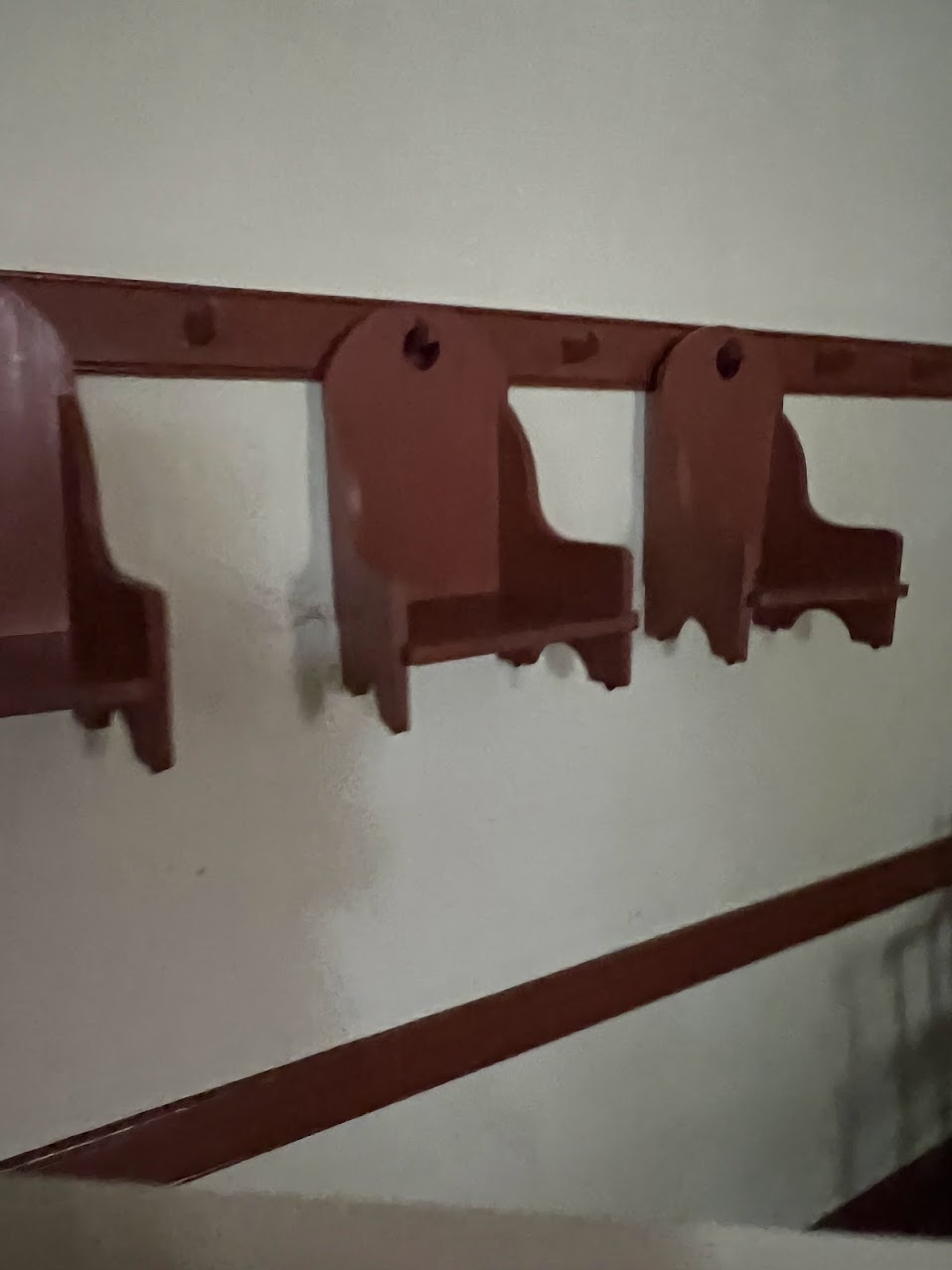
The tavern was large enough to have a separate room for women. However, these days, everybody eat together
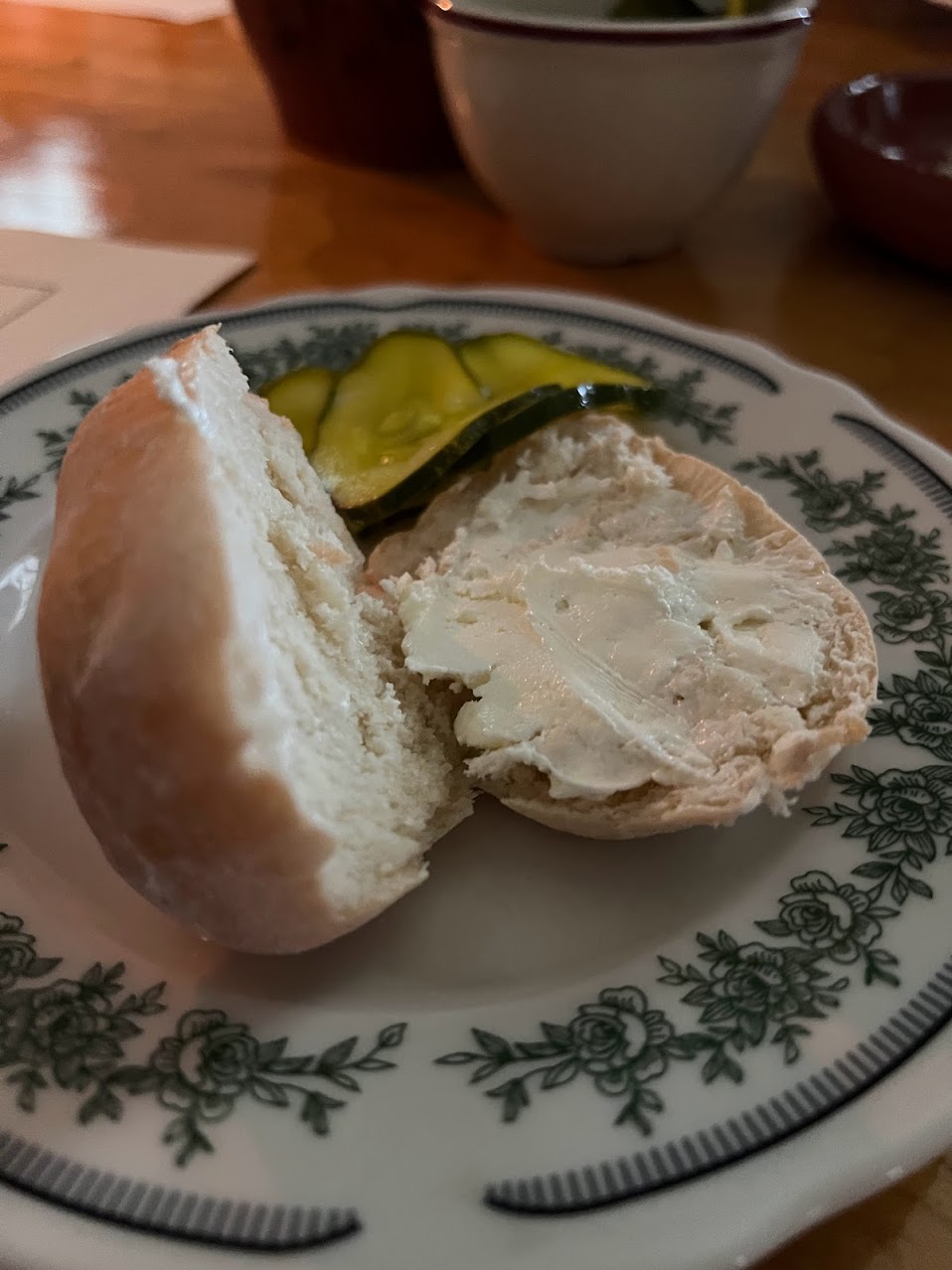
Locally produces bread and butter
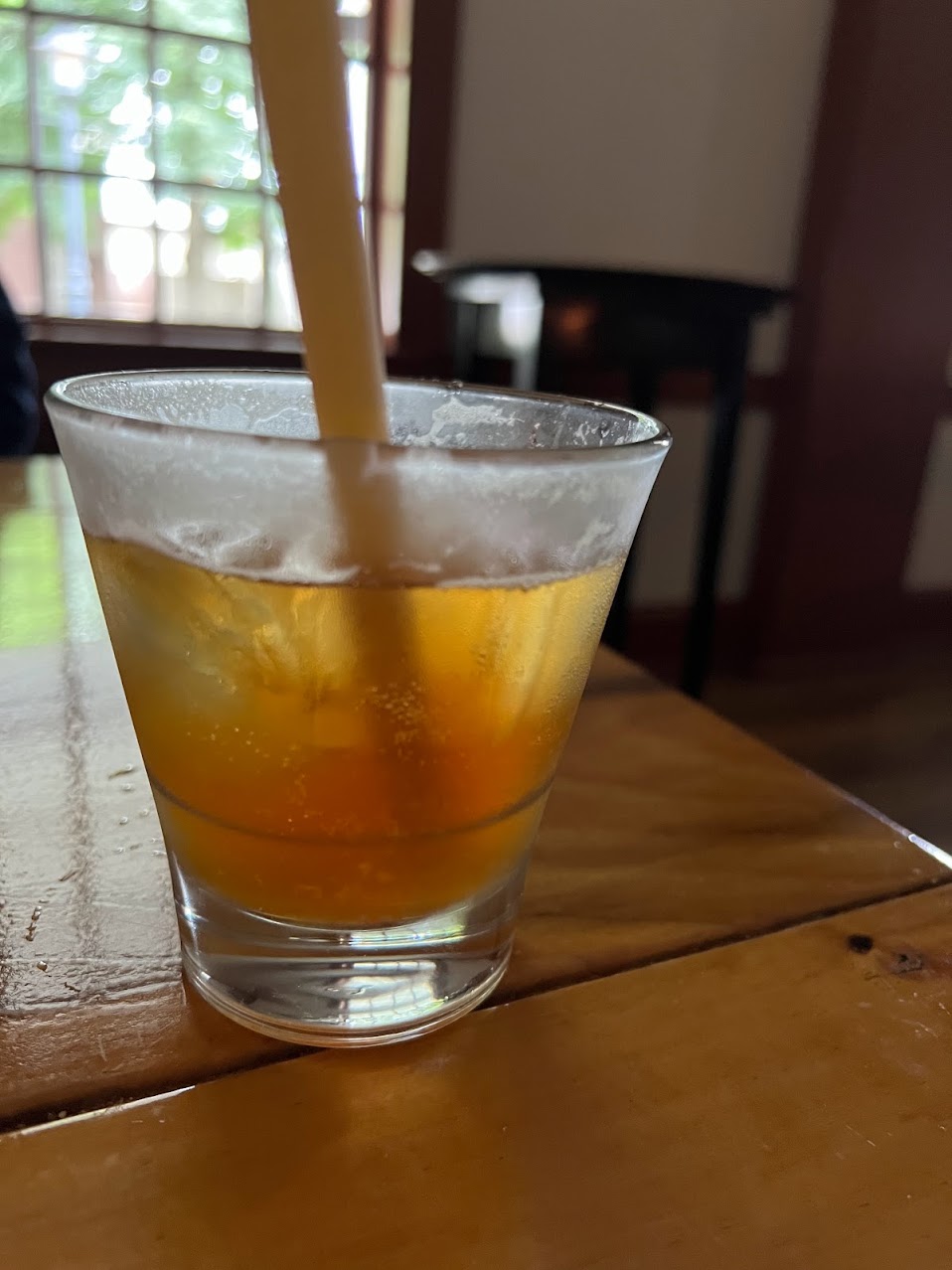
Pimm’s cup
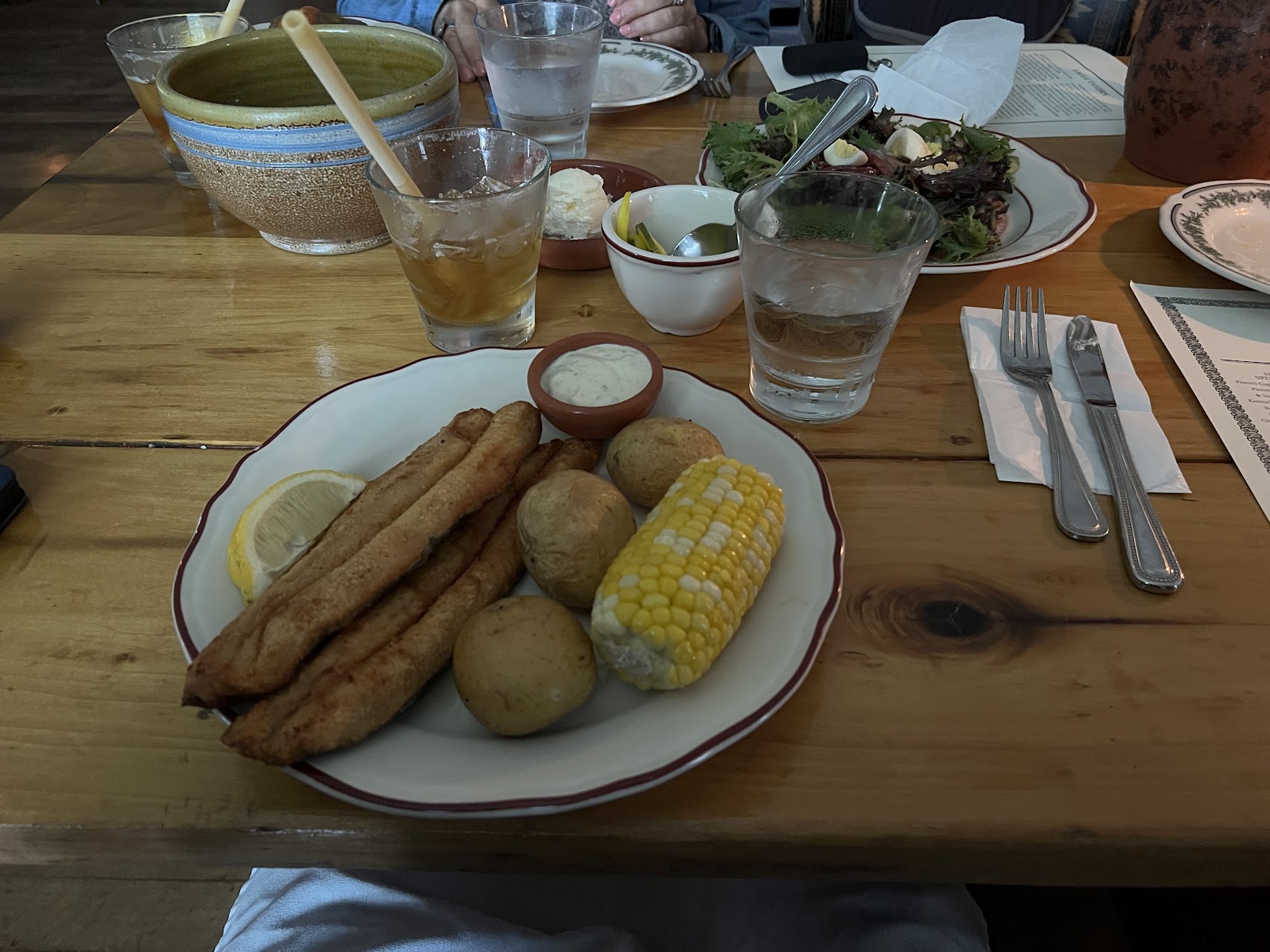
Lena’s meal with trout.
Peach pie
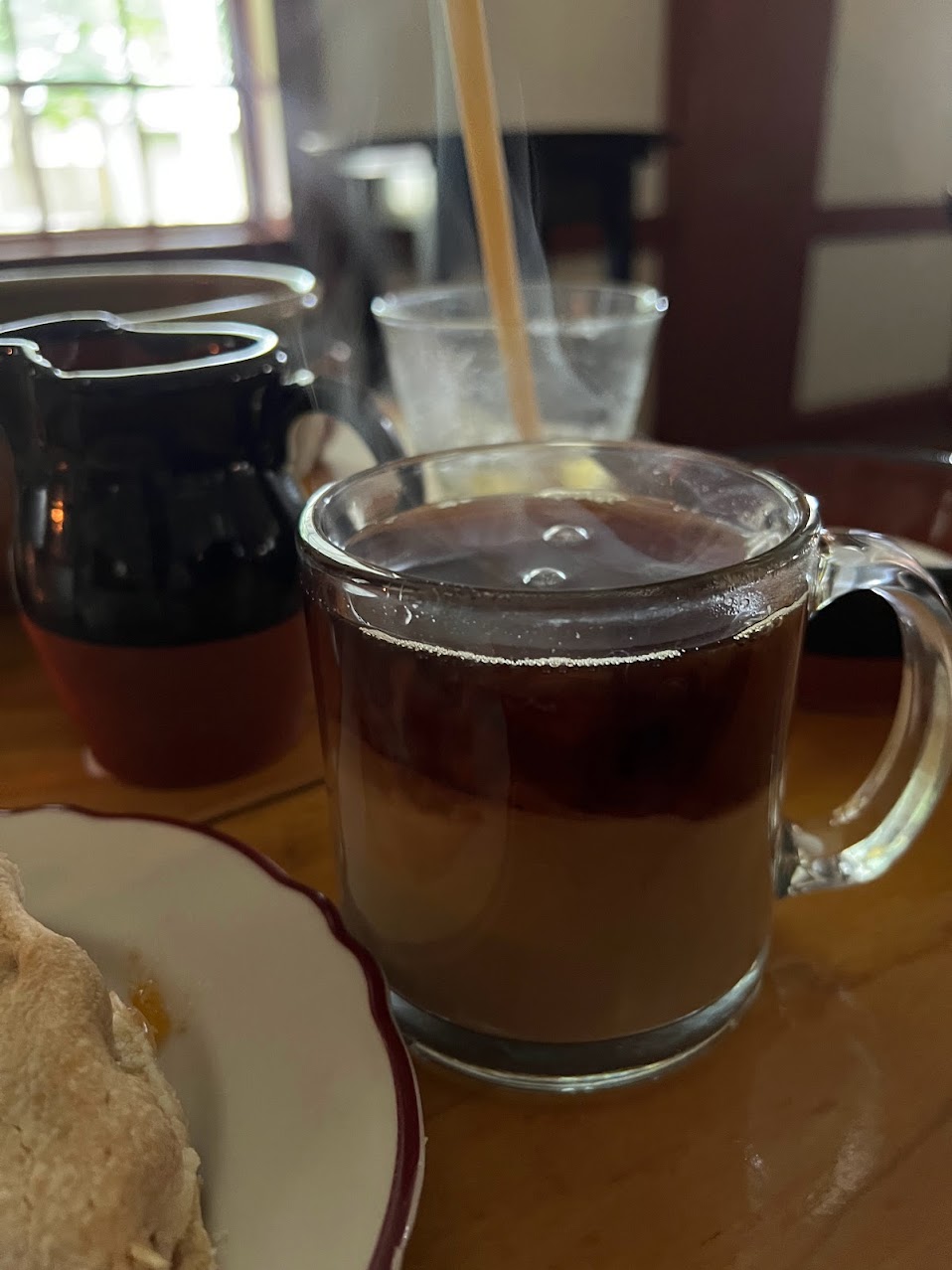
Coffee

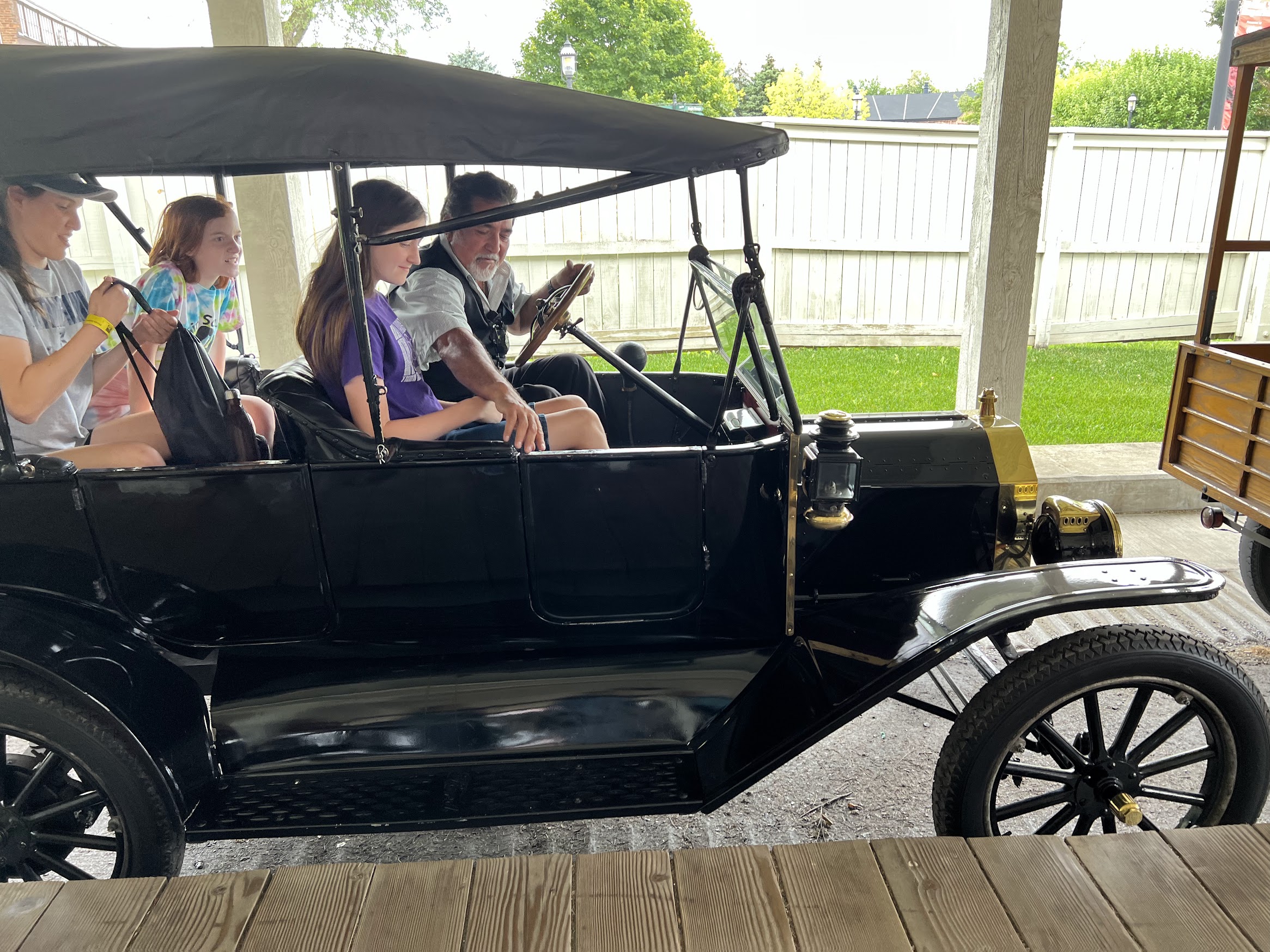
Model T Ride

The only thing which was not perfect with this trip was the weather: it was bare 70F, and it rained on Saturday evening, but honestly, the weather did not stop us from having fun.

We spent the whole Sunday in the Henry Ford village and museum; we arrived 15 minutes after it was open and left 15 minutes before it closed. We hardly saw a half of everything, and my brain was exploding with all the new information! I won’t have time to blog about everything, so there will probably be bits and pieces, not necessarily in order of importance.

Speaking about Henry Ford and Model T, you can’t stop feeling the mixture of amazement with the greatest human mind achievements and, at the same time, the realization of all nowadays environmental problems starting back then.

That’s where it all began!
Waiting in line for Model T rides
Continue reading “Model T Ride”

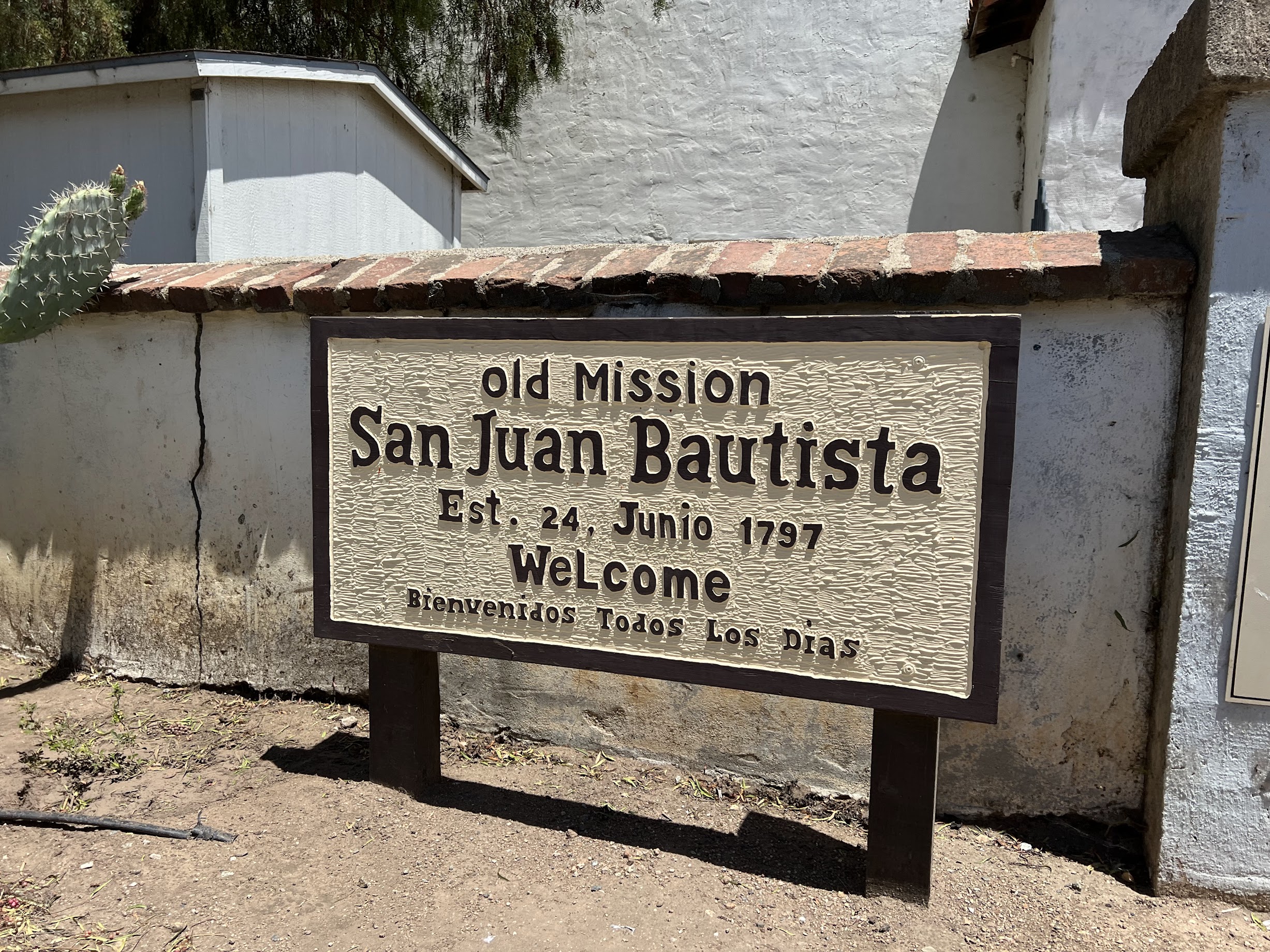
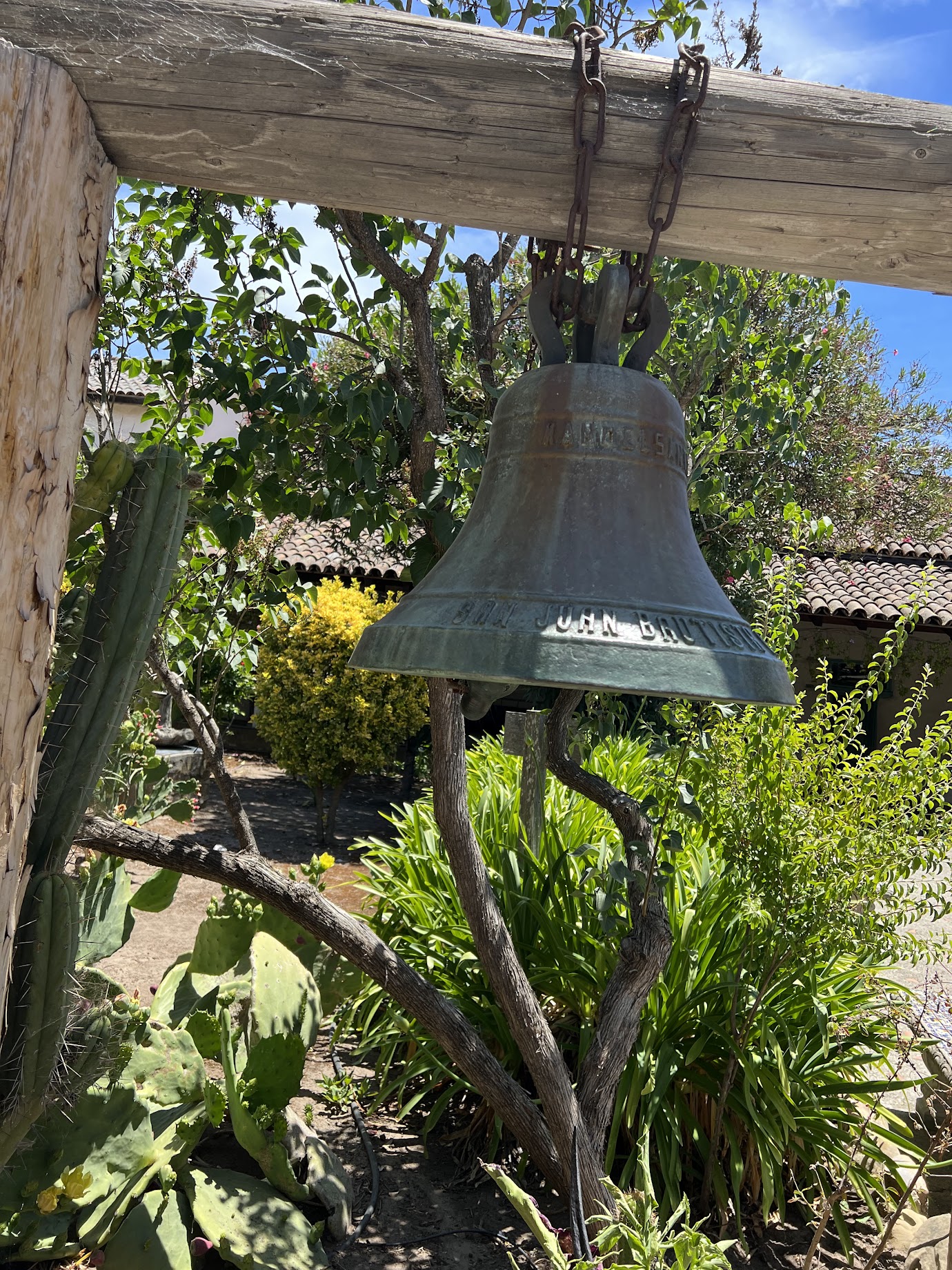
San Juan Bautista Mission

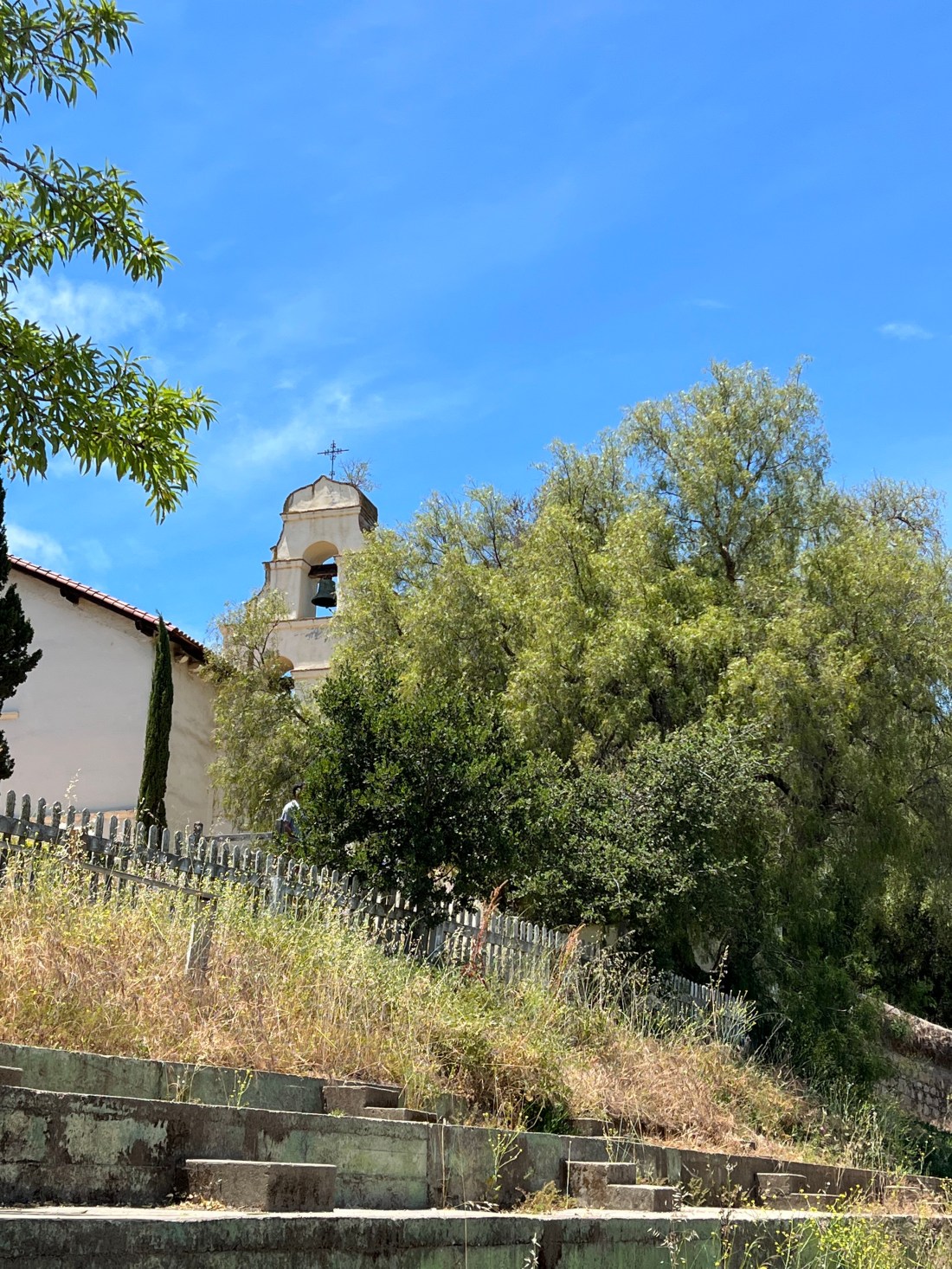
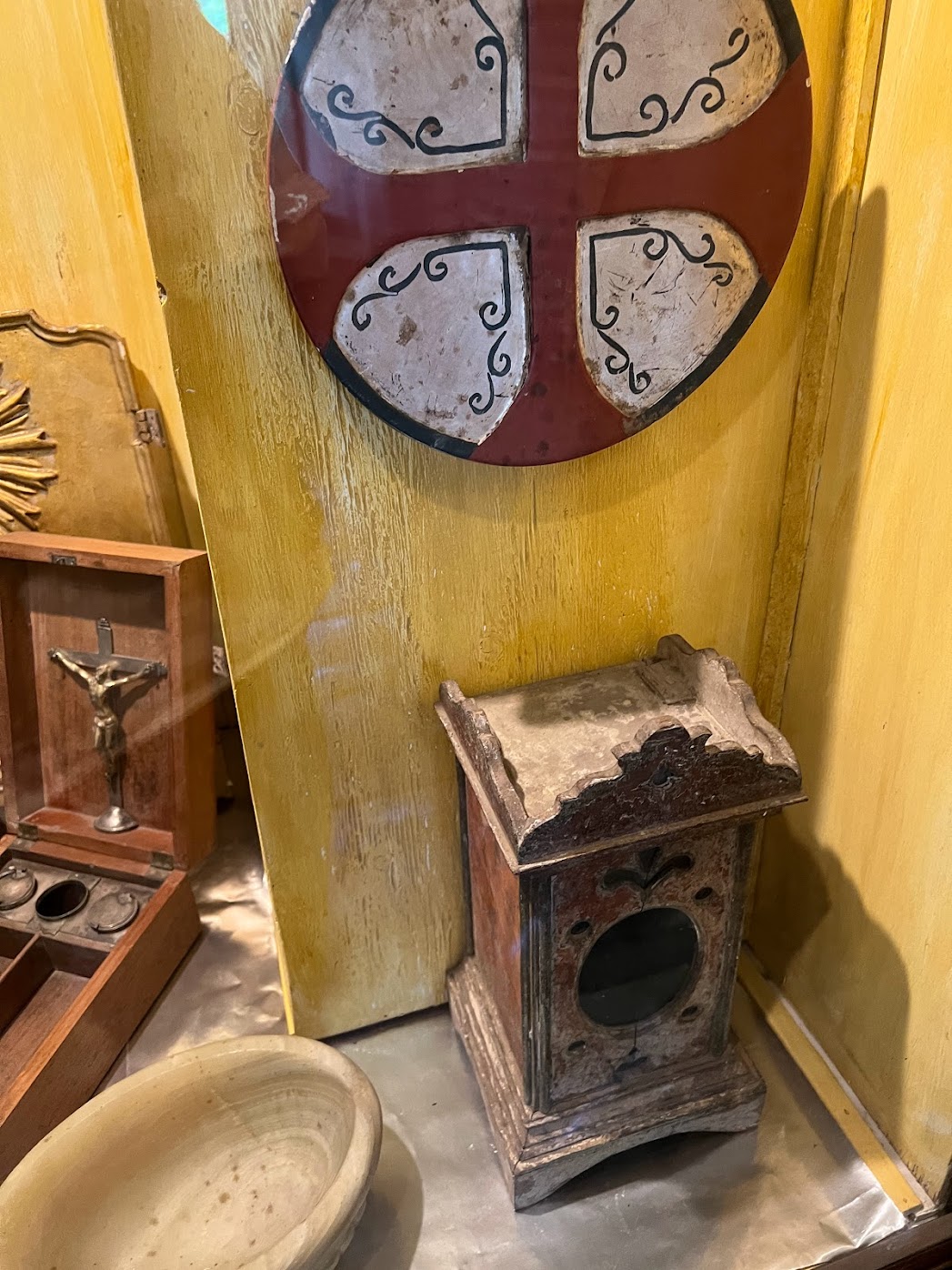
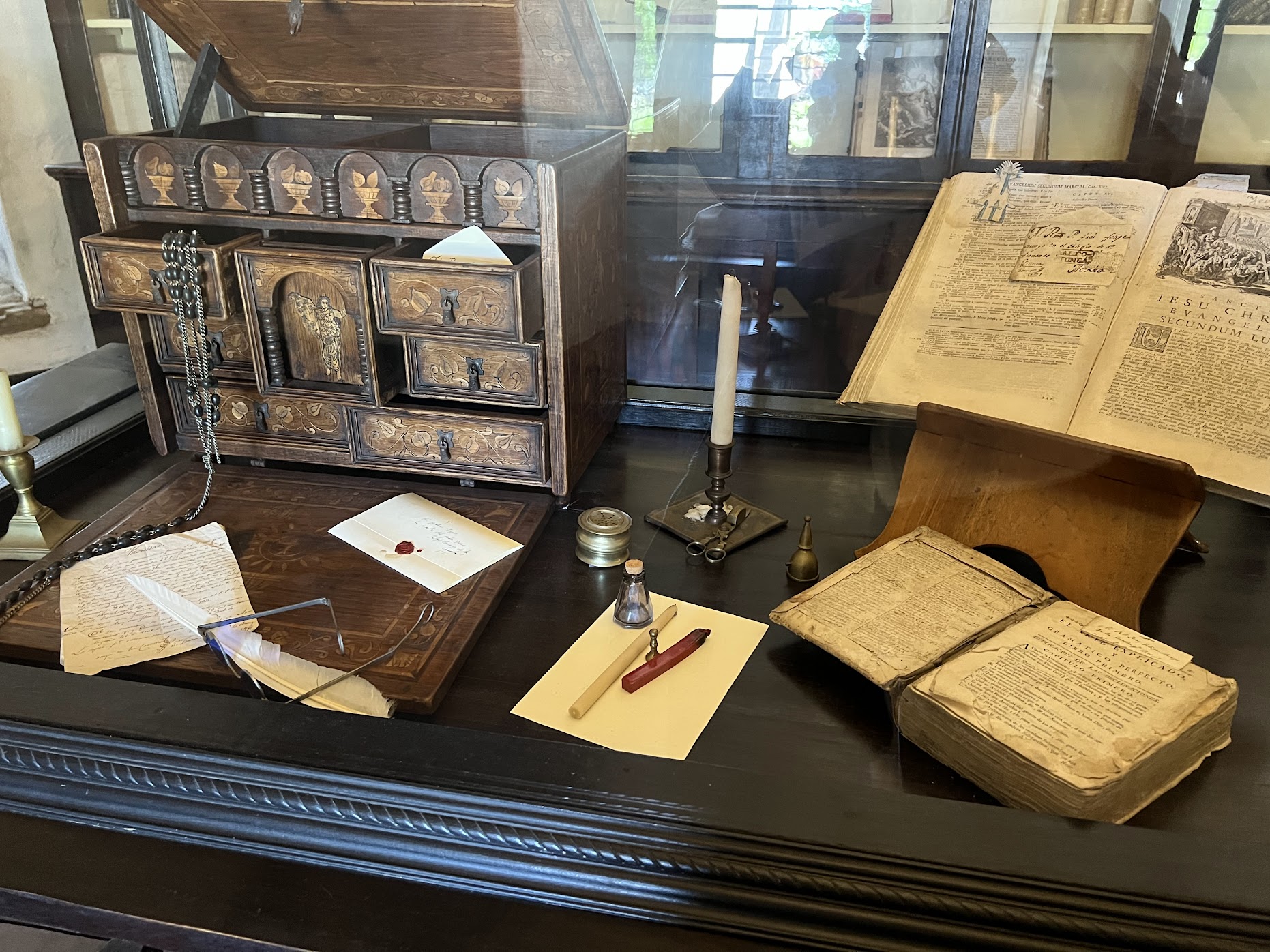
One more part of our California trip. Our friends wanted to take us to see a mission, and I liked this idea a lot because I saw one. Moreover, I didn’t even know about these catholic missions, nothing about that part of the US history. And there was so much to see and to learn!

Our hosts’ original plans were altered by the Memorial weekend traffic (frankly speaking, after living for a year without a car, I forgot how it feels when you can’t go anywhere without a car!) But we all agreed that this change of plans worked well – there was so much more to see at the San Juan Bautista Mission!

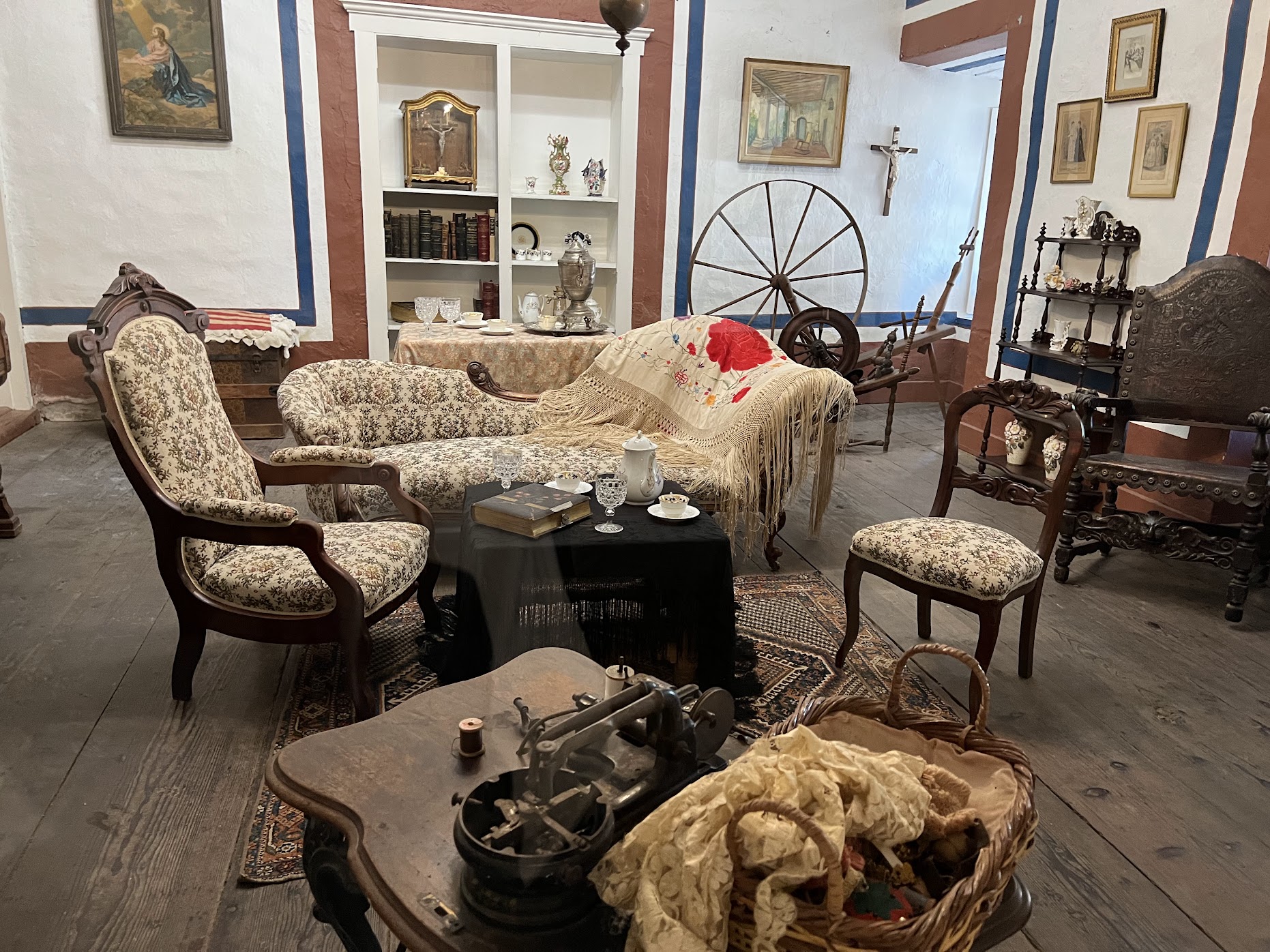
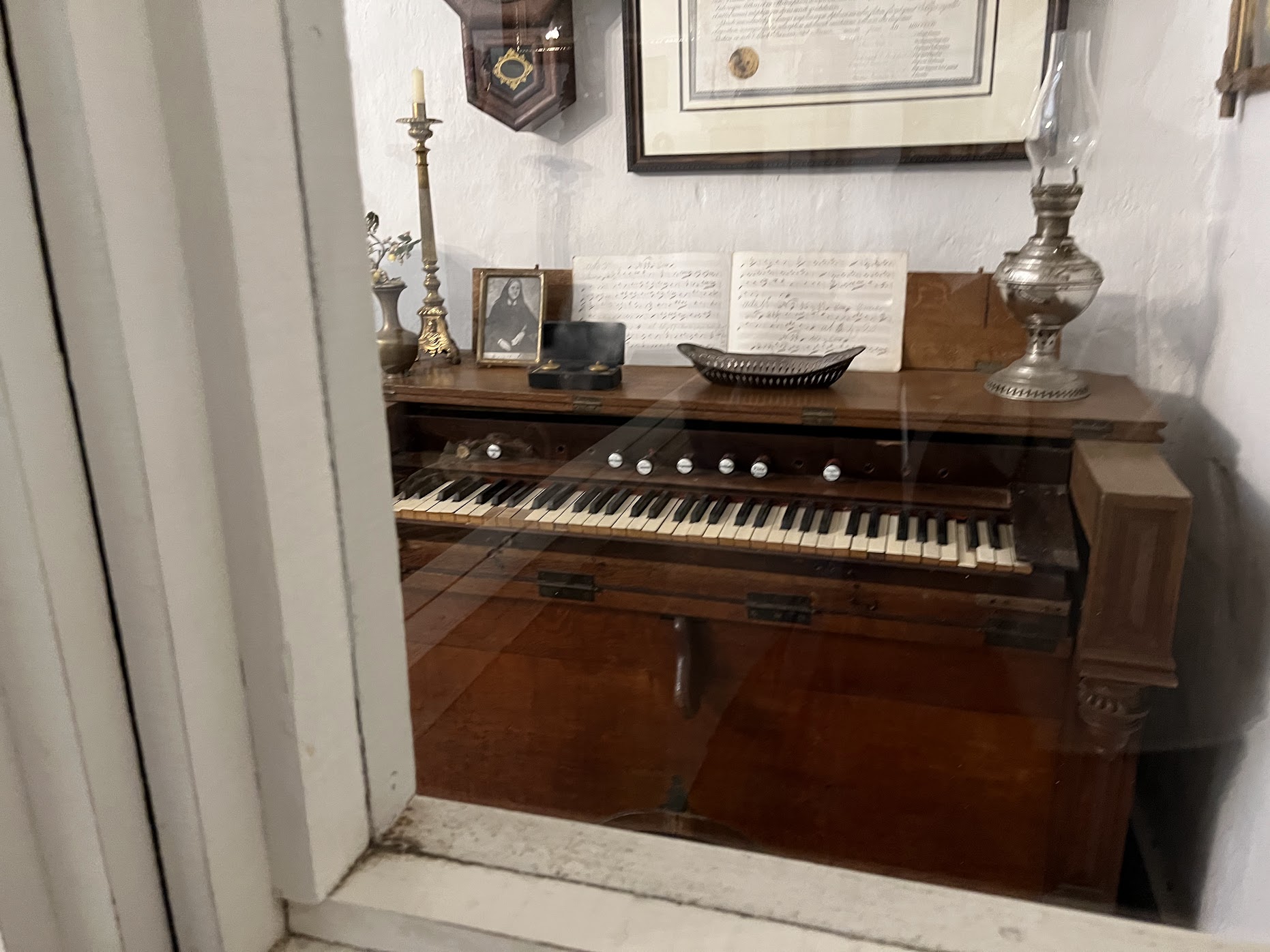
Several rooms in the main building
Continue reading “San Juan Bautista Mission”

California Trip

We are visiting my friend in Campbell CA – I decided that I do not need to have an excuse of a conference to visit her, so I exchanged the tickets for San Francisco one more time and added Boris to that trip.

Yesterday we were on the go for the whole day: we visited the Rose Garden, the St. Juan Bautista mission, and Monterey, and I have a million pictures 🙂

As usual, not sure whether I will have time to write in detail about all of it, but here are some:

More to come!

Newly Discovered Pictures Of The Great Chicago Fire

We know that cameras and photographs already existed at the time of the Great Chicago Fire. And we all saw the photographs which were taken during those days. However, one hundred and fifty years ago, there was a disconnect between technologies: the cameras were able to capture way more details that could be printed.

The glass negatives were huge, and the prints were small. And the most disappointing part is that most of the negative didn’t survive. Not all of them, however! And can you imagine what could happen when the exceptional quality of the glass negatives was combined with the digital printing technologies?! Now, you can see the results at this exhibit. The wall-size prints, including a panorama combined of five different shots taken from the roof of the survived warehouse.

Continue reading “Newly Discovered Pictures Of The Great Chicago Fire”

And More To The Previous Post

Two things I forgot to mention in the previous post. 

One is about the resemblance between the Long COVID and the long-term effects of the Spanish flu on people’s ability to think and concentrate. John Barry even analyzes the behavior of President Wilson during the peace negotiations in Europe. He goes as far as speculating that his inadequate after-flu decisions affected the resulting treaty in such a way that it late made it easier for Hitler to come to power. 

And once again, about an extremely important balance between panic and informed decisions. As John Barry states, people should know the truth. When the government officials are honest in their communications, they help to maintain trust in society. Also, he cites Lincoln about the importance of identifying the thread – only when the thread is identified can you fight it. I would add to this what I’ve already said many times: whenever there is a need to change the course, it is important to explain why these changes are made, what prompted these changes, and why it was not the case before. We all know what would be the reaction otherwise 🙂