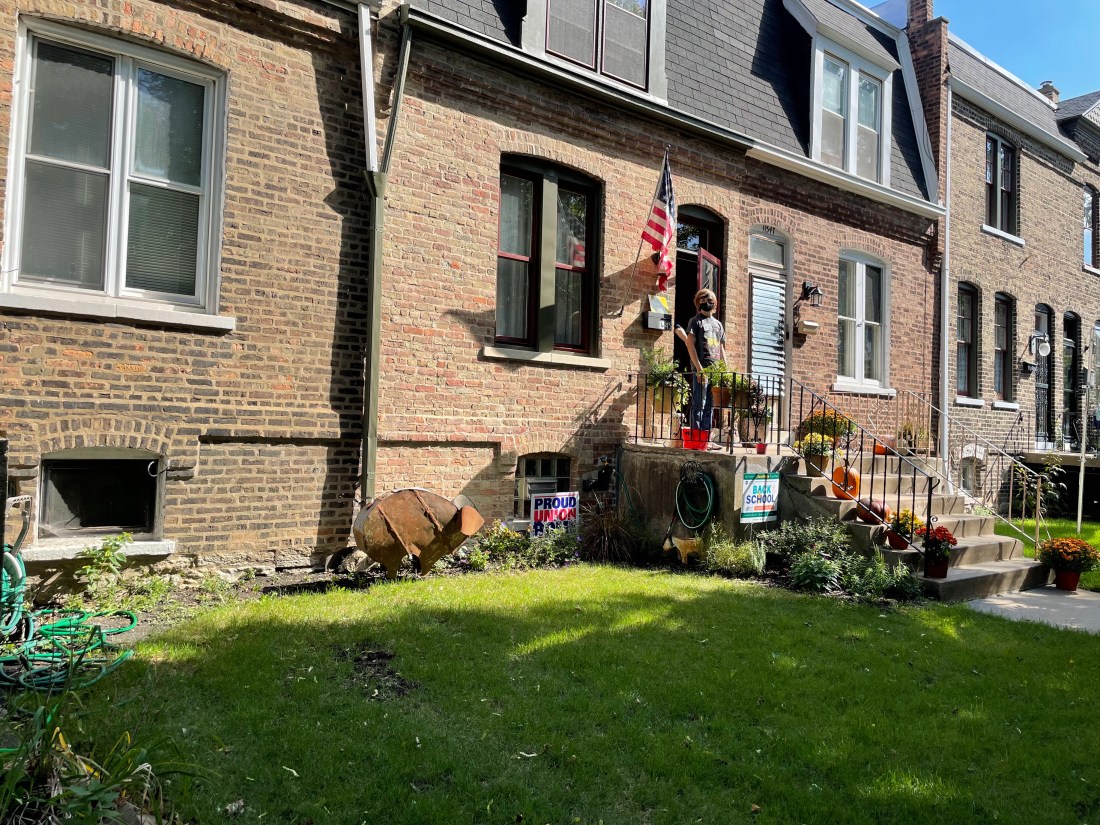
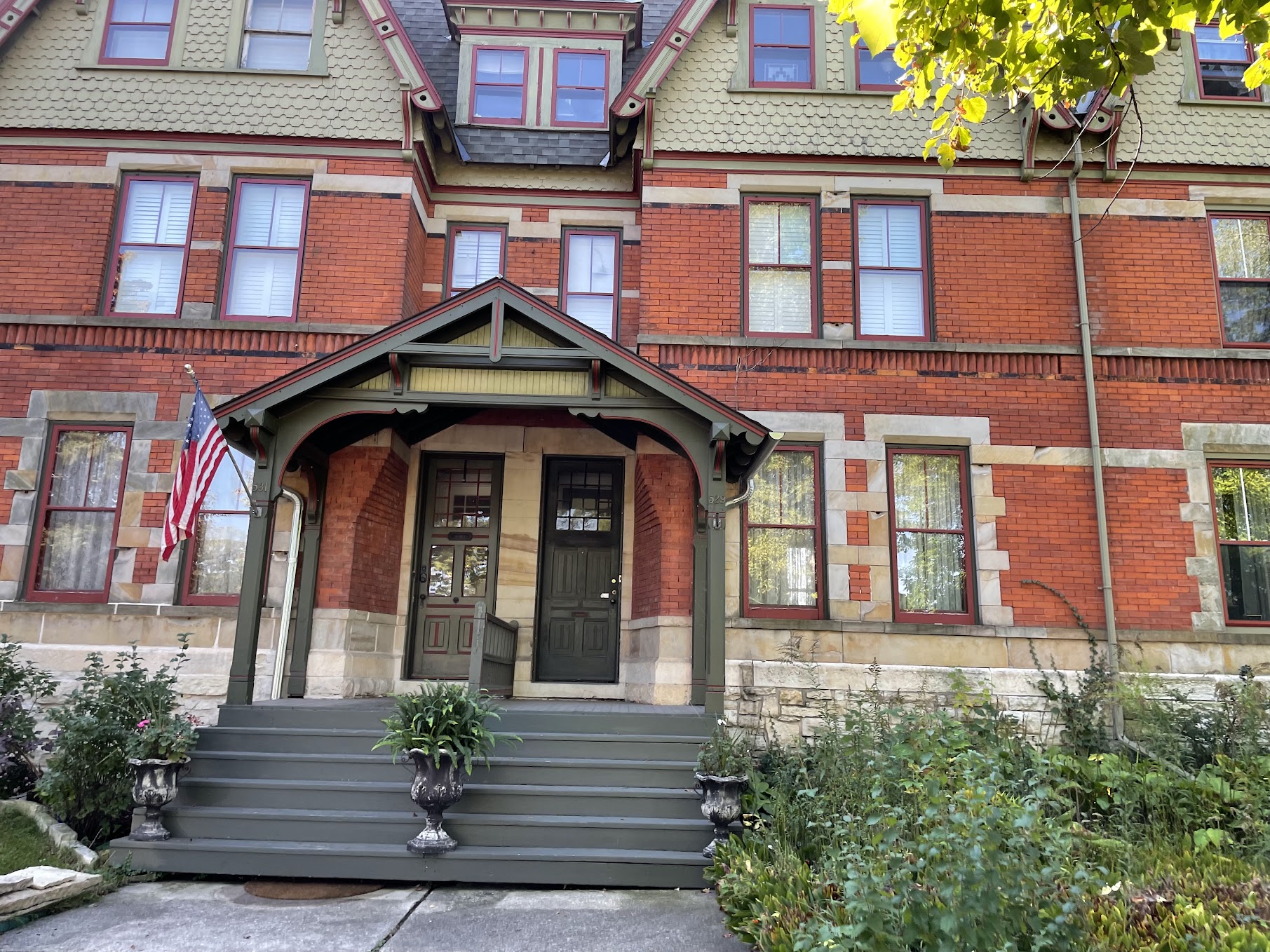
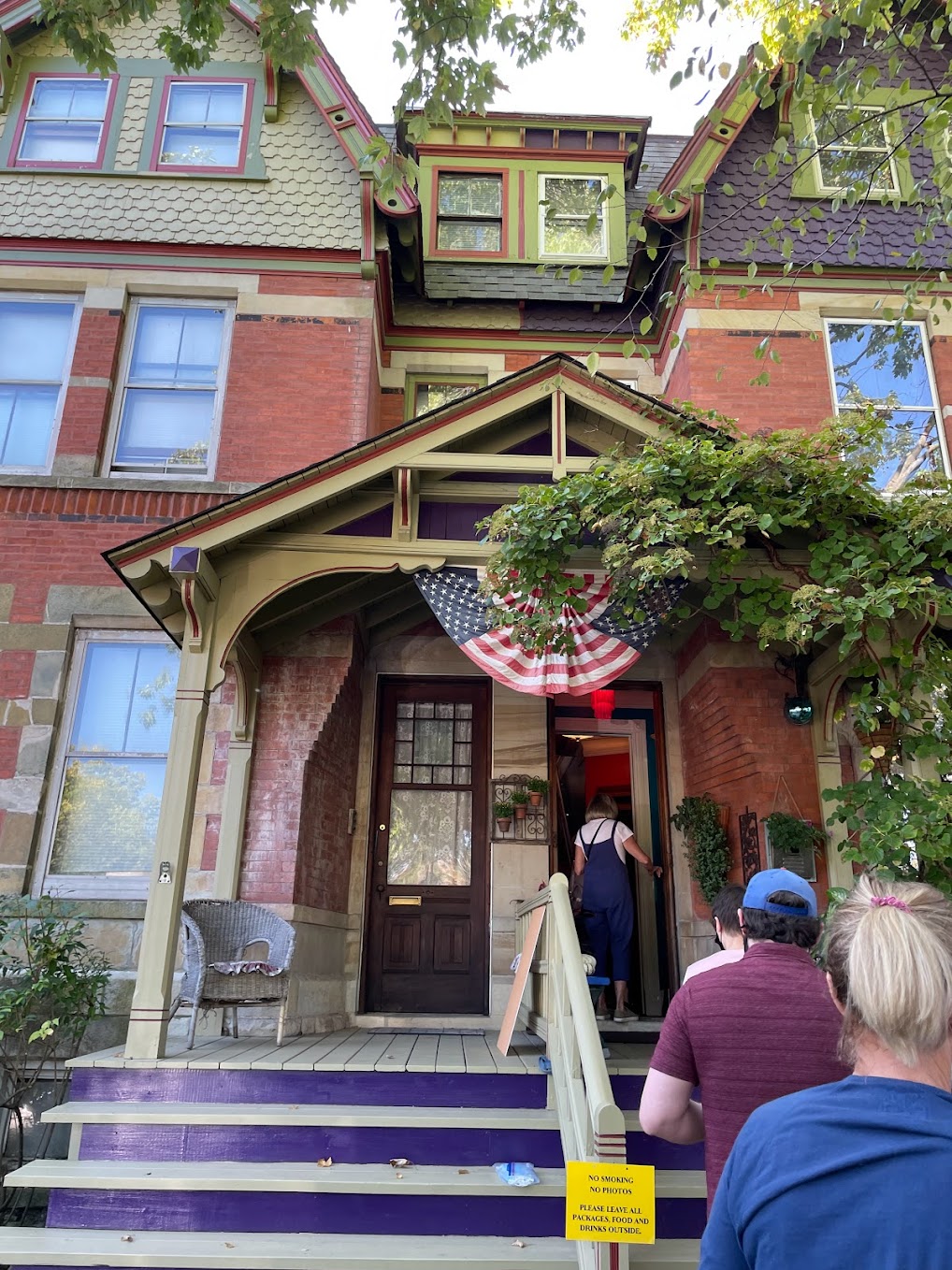
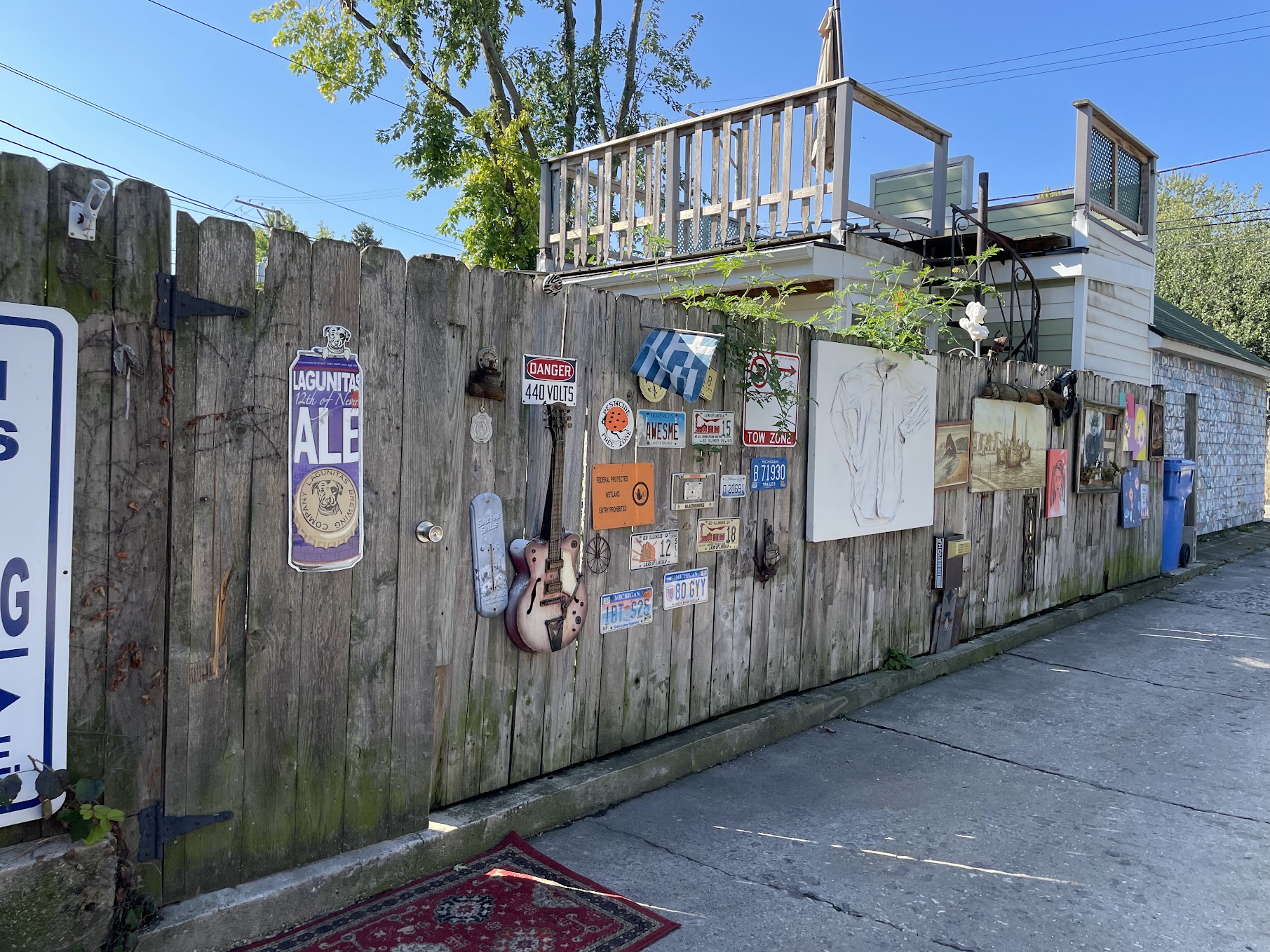
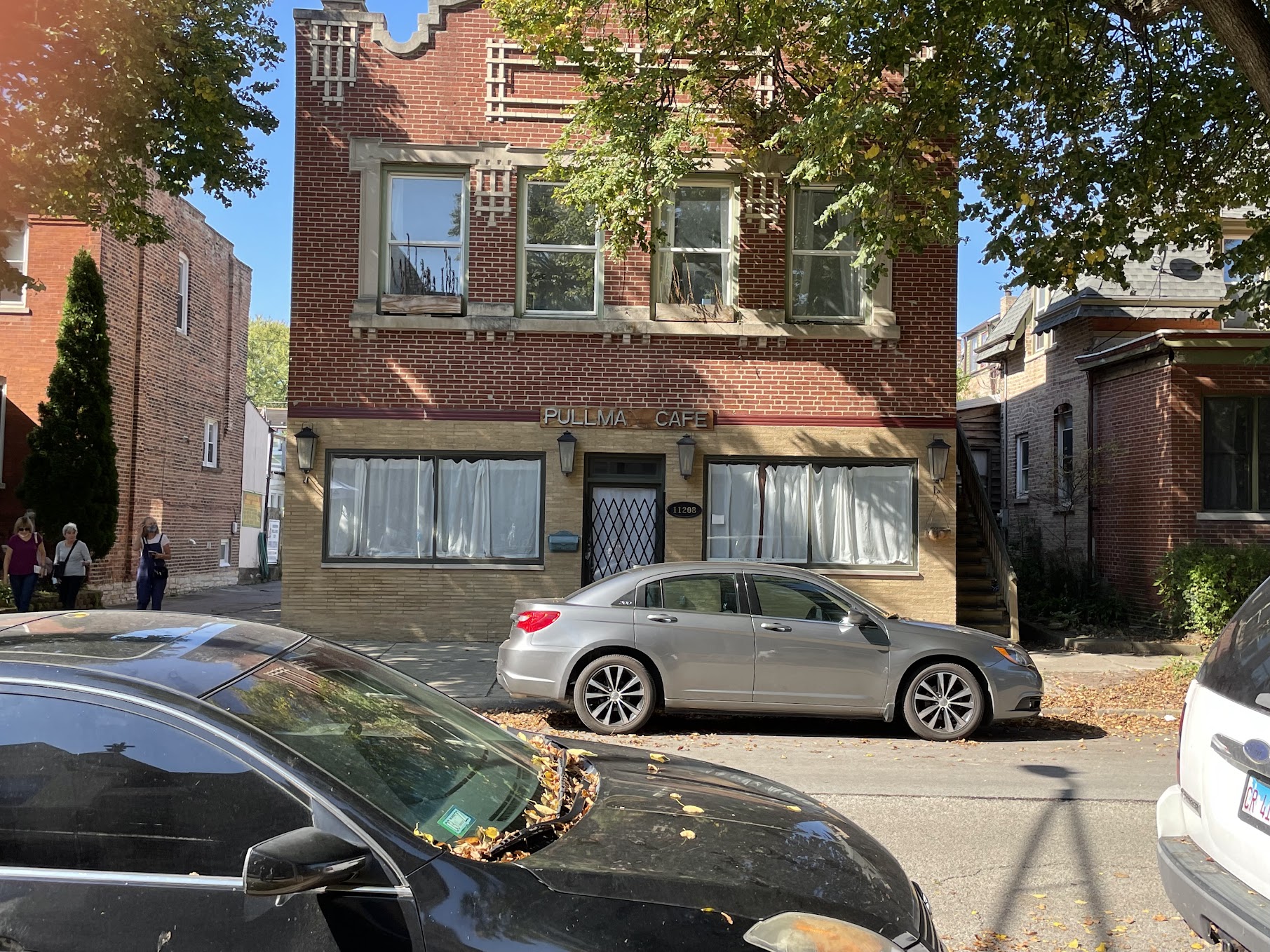
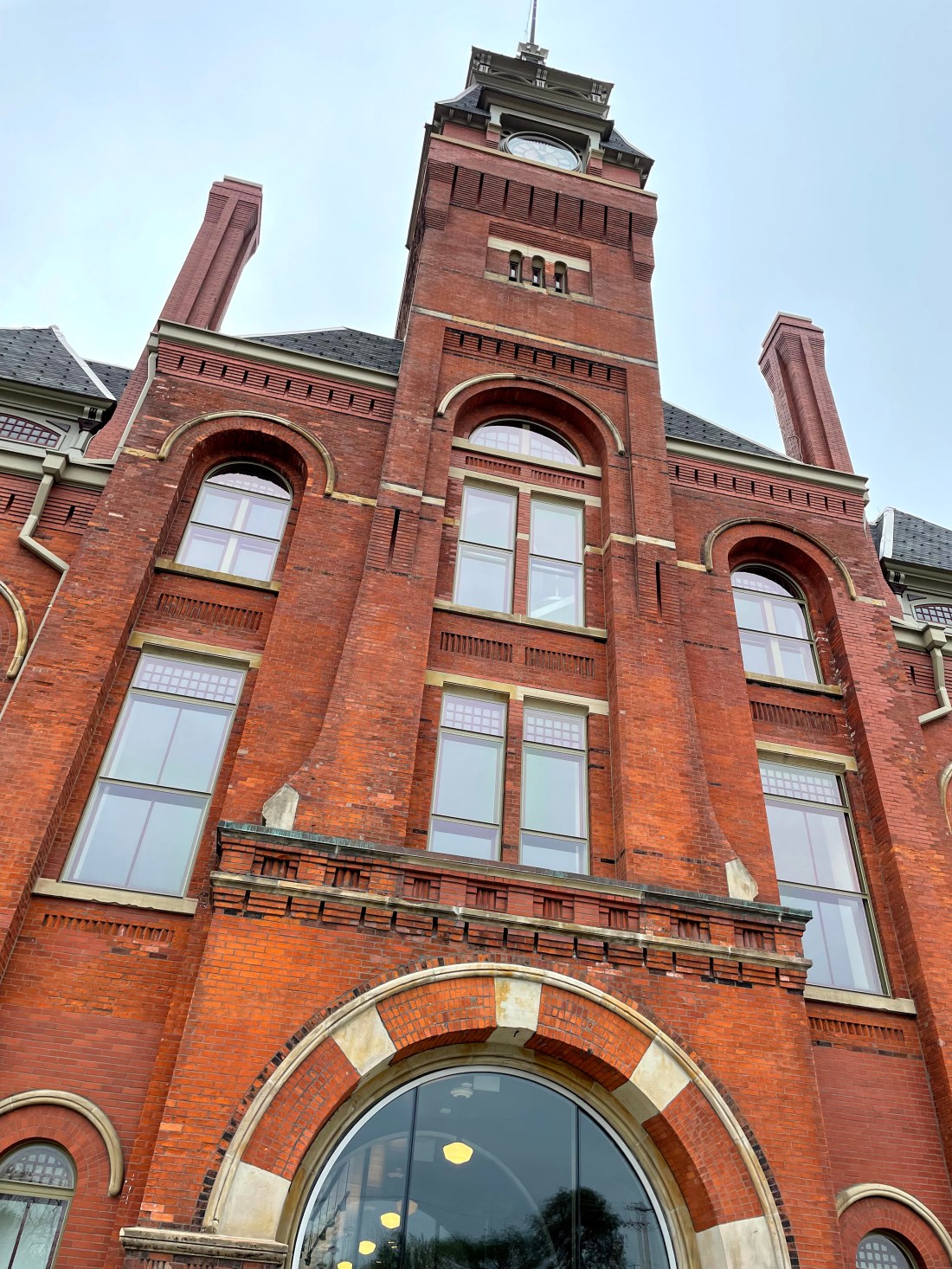
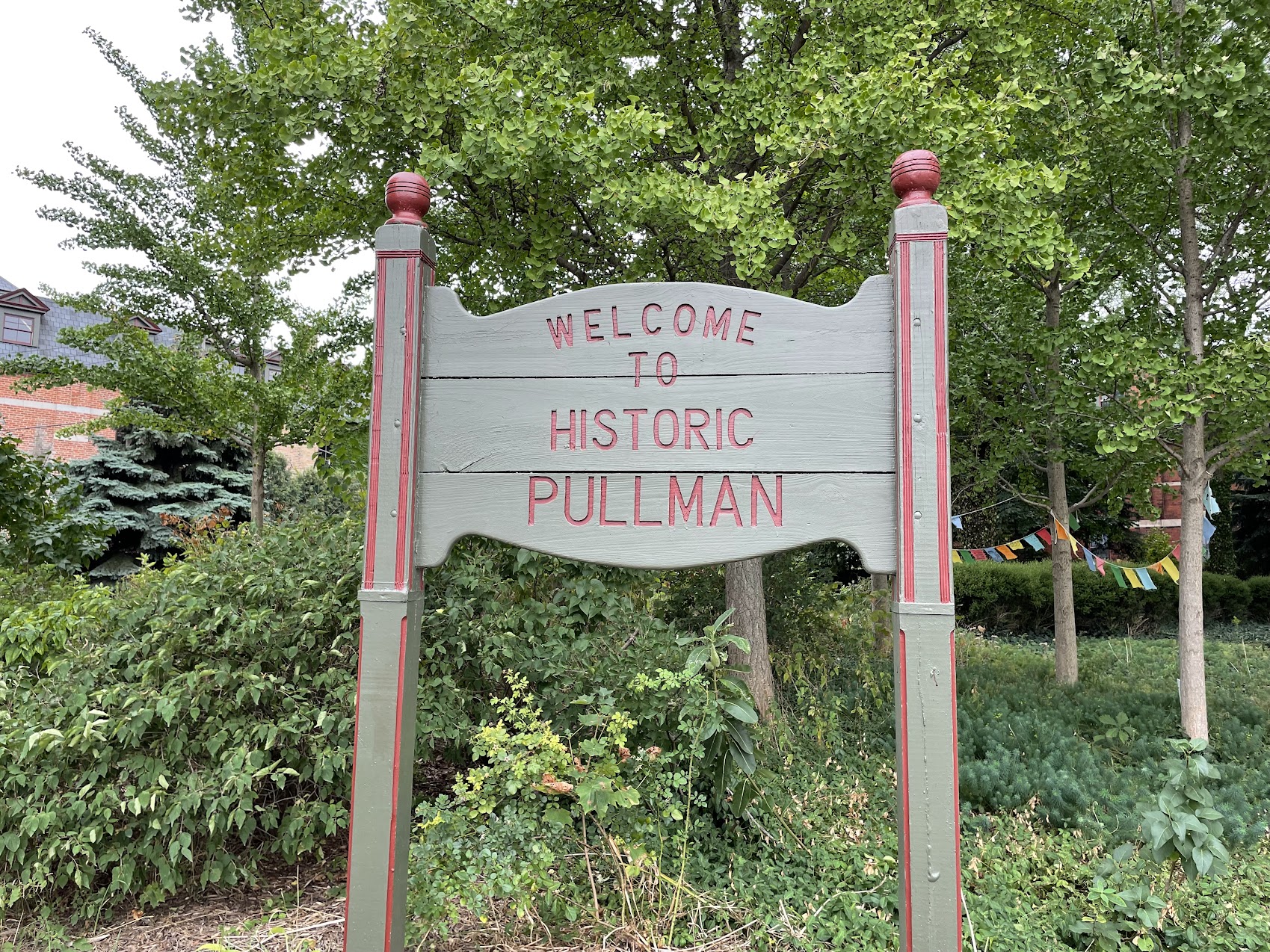
On Saturday, Igor, mom, and I went to the Pullman Open House to tour the homes. The weather was gorgeous; I do not remember ever being on that tour on such a perfect day. Also, that was the best open house we’ve attended from the organizational point of view; the route was planned perfectly, the sights were clearly marked.
Most of the houses which were this year were the new ones. And this time, no pictures were allowed inside, except for two places that contained exhibits.
Mom got tired of climbing the stairs in most houses, but overall, she liked this whole experience, and I am glad we took her out. Like one of the older volunteers commented: keep her moving!
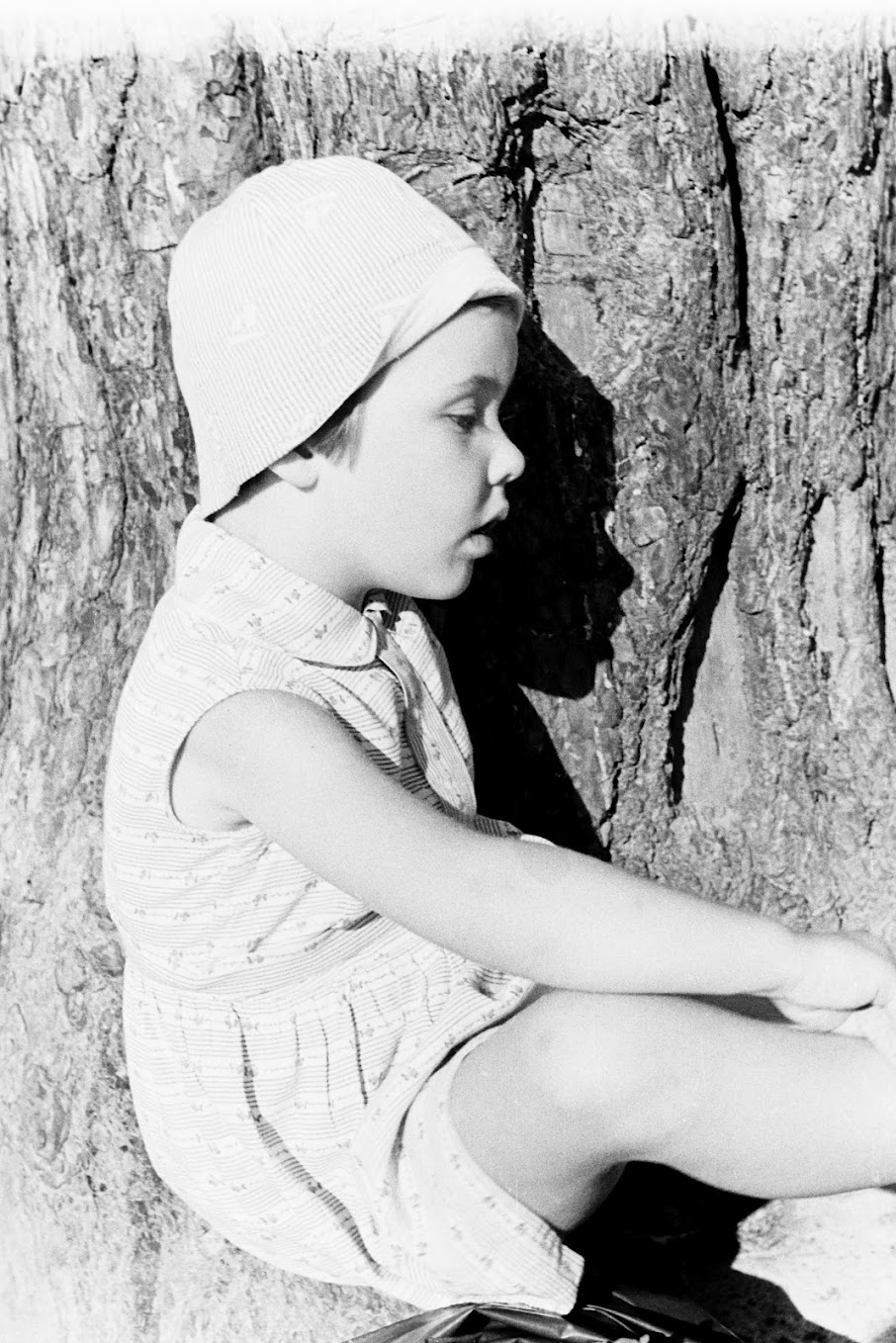
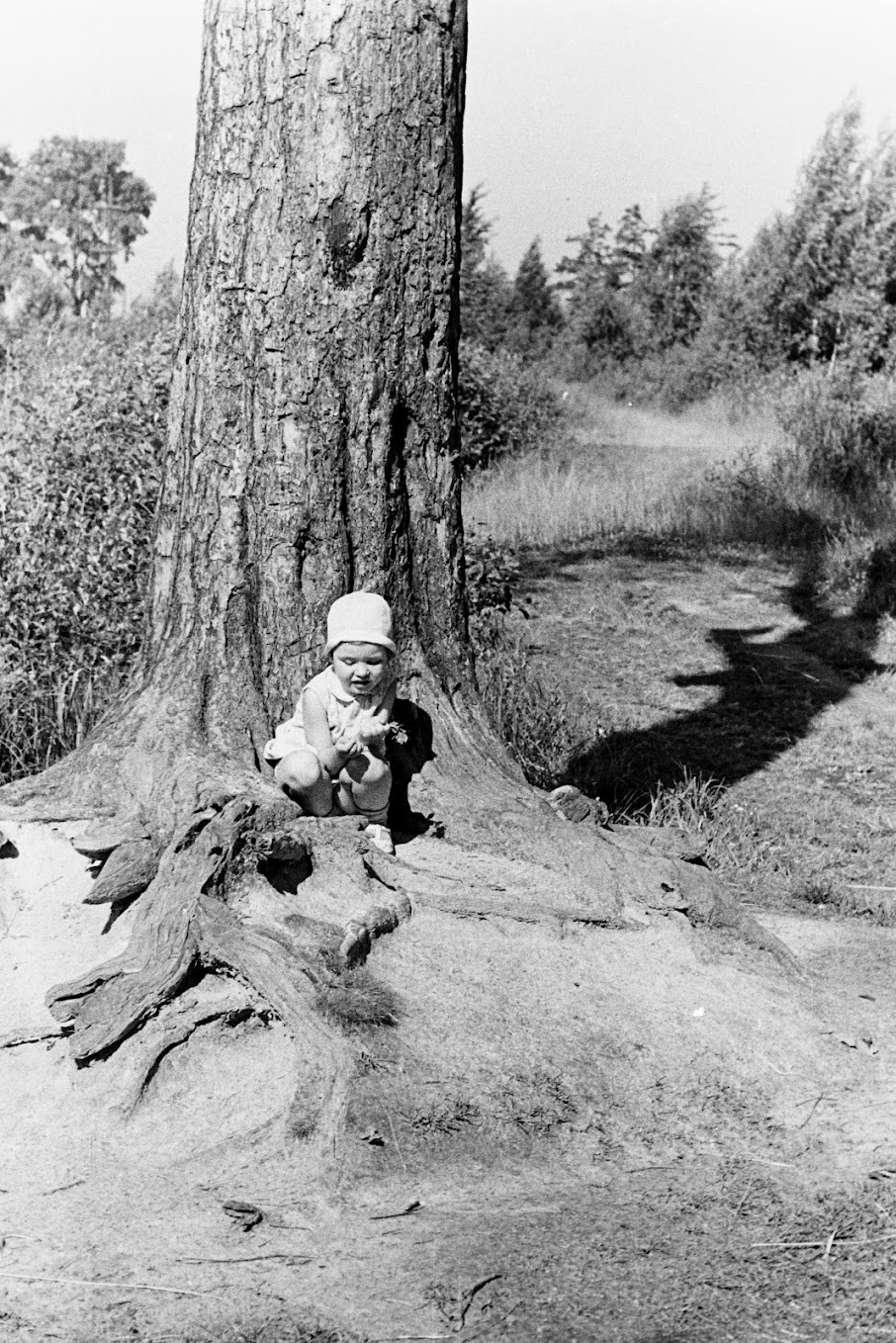
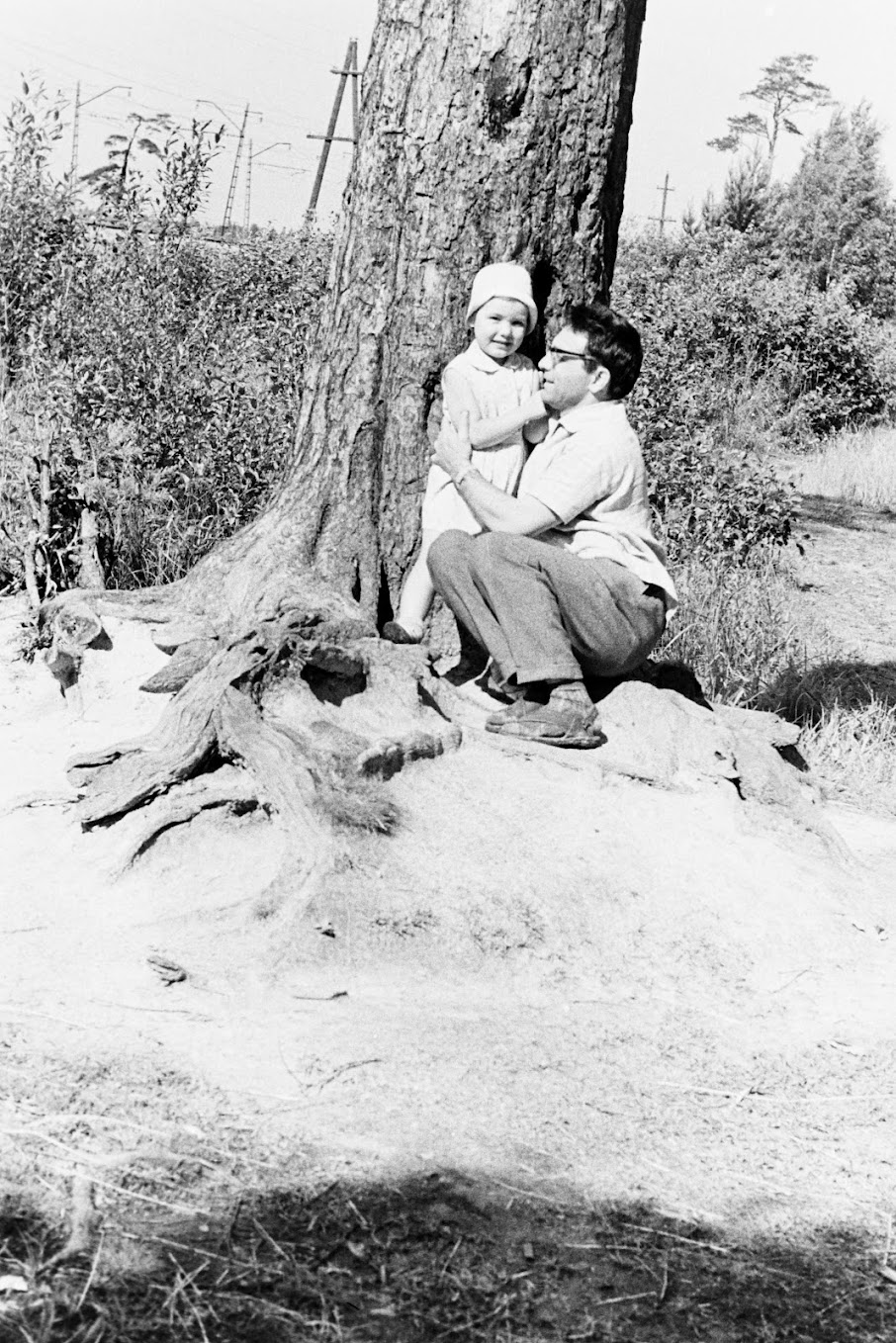
Yesterday was my father’s birthday. He would be ninety-three if he were alive. I drafted this post two weeks ago but was putting it off. I thought that I would be finally able to write more about all the complexity of our relationships, but it looks like I am not ready yet. So let this post be yet another set of pictures from summer 1967.
I posted about that summer before. I spent it in Sosnovaya Polyana with my grandparents. My mom was going to work in the city every day and would return late in the evening. My father was showing up from time to time.
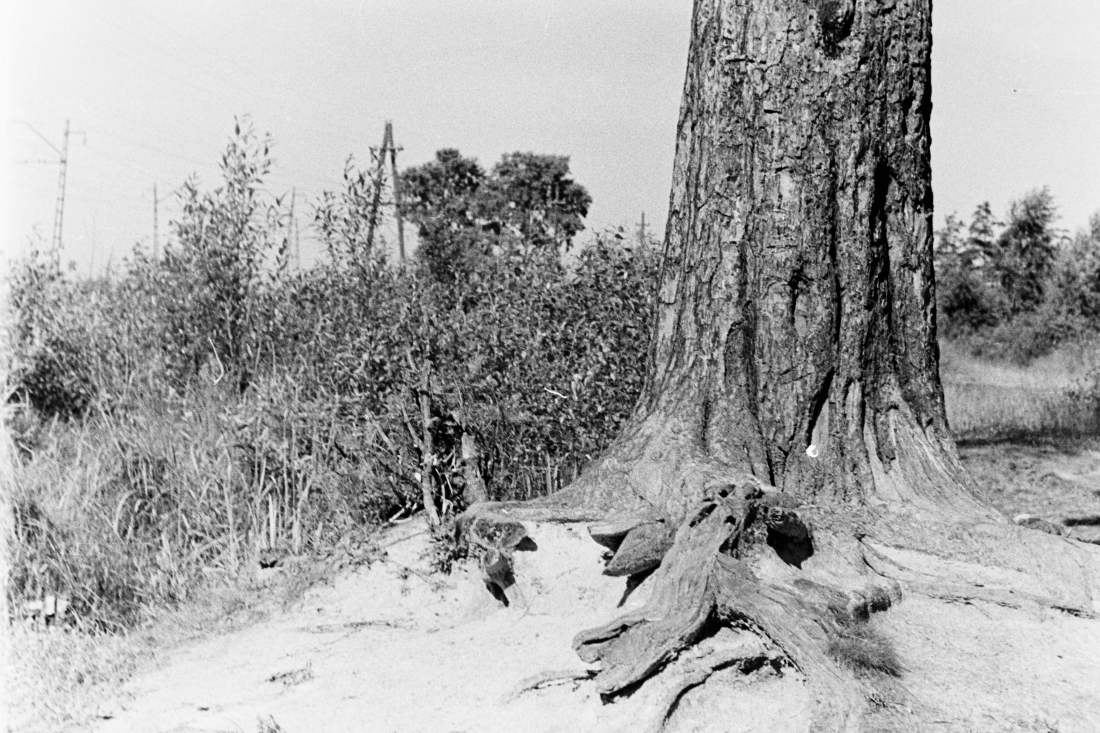
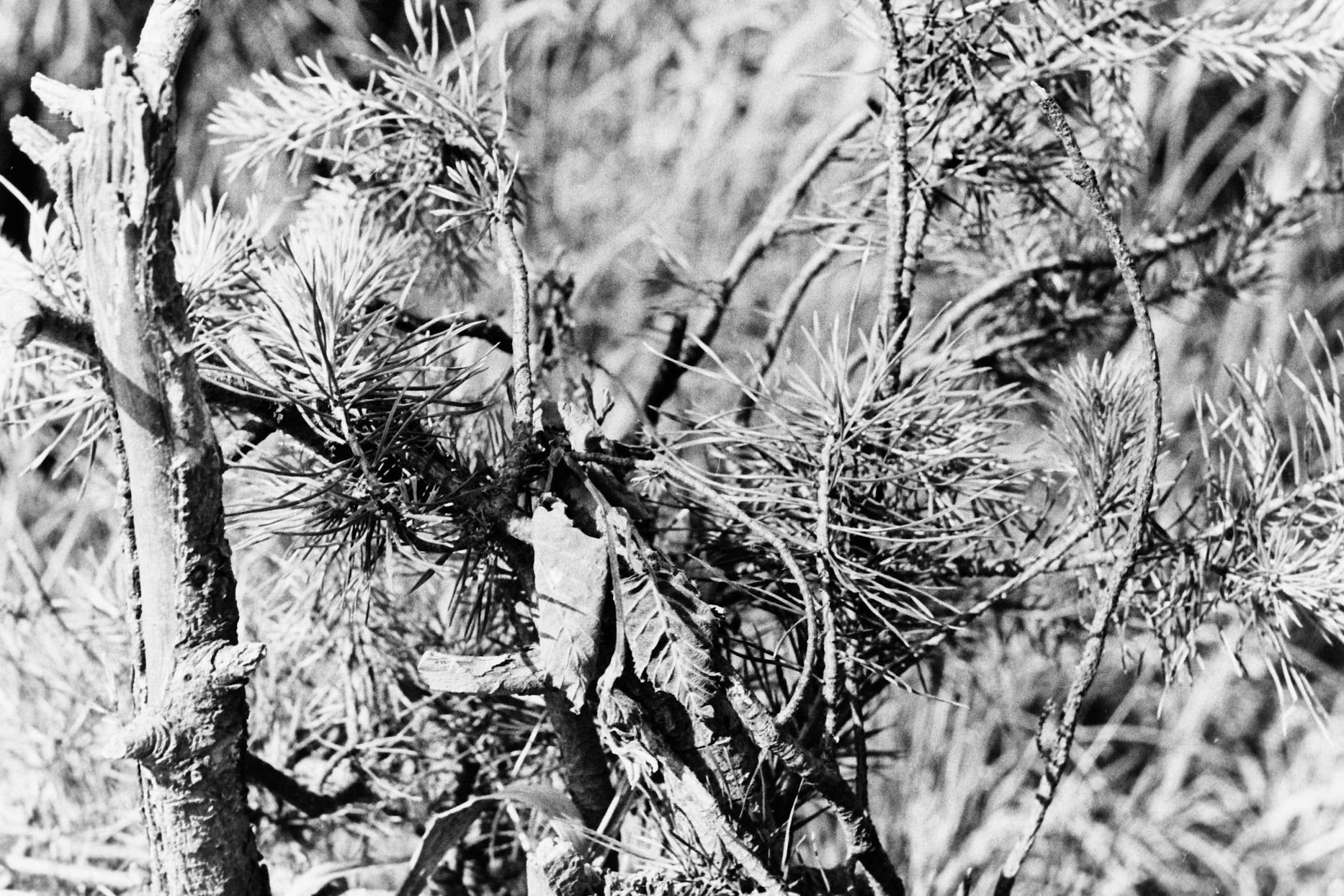
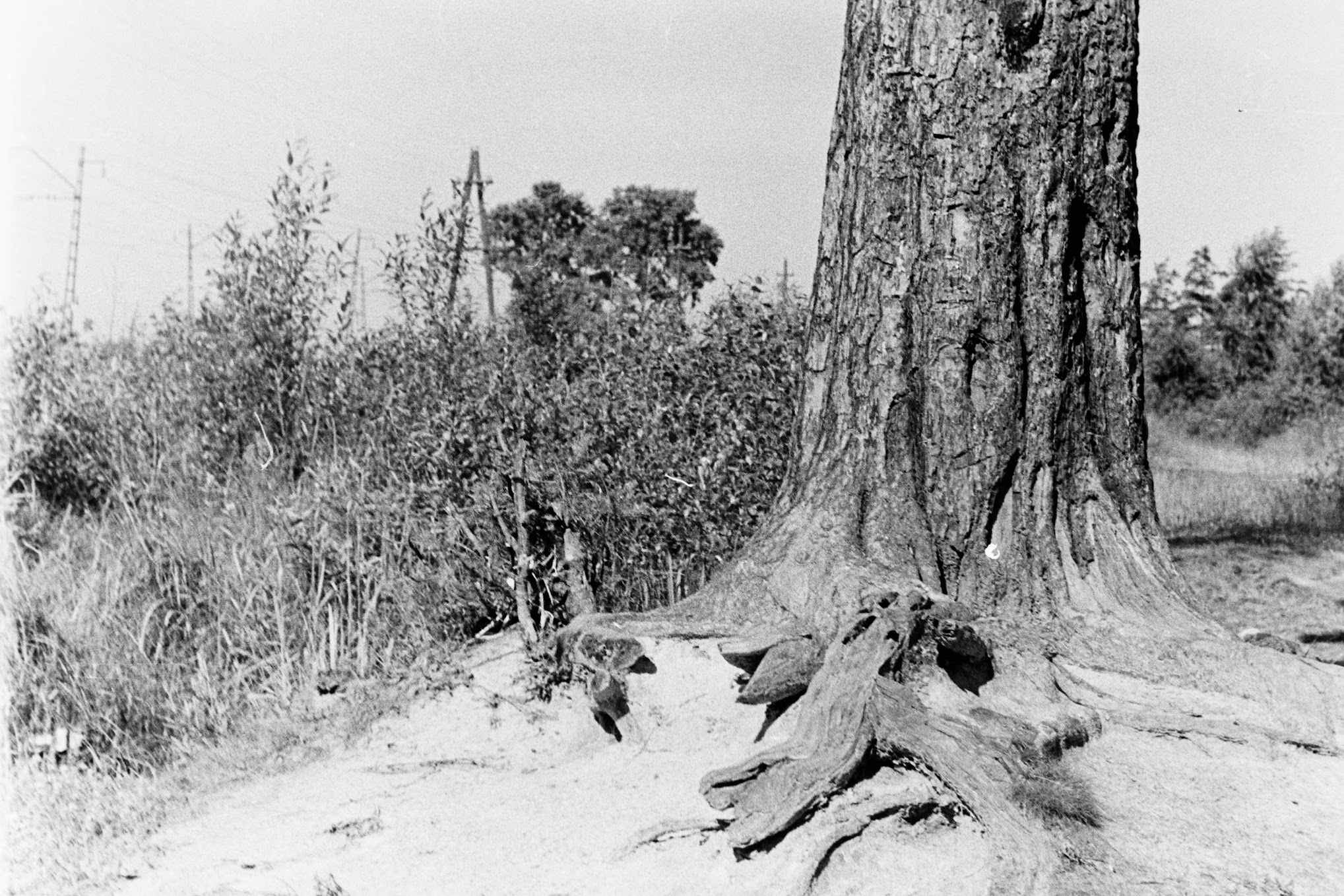
Looking at these pictures, I remember that he was trying to make it special. He called that pine at the edge of the forest “a magic pine.” I forgot how exactly he was trying to convince me of its magic powers, but it could supposedly grant some of my wishes. He referred to the “magic pine” long after, and I still remember how it looked and felt, and I remember visiting it years after.
My historical posts are being published in random order. Please refer to the page Hettie’s timeline to find where exactly each post belongs and what was before and after.
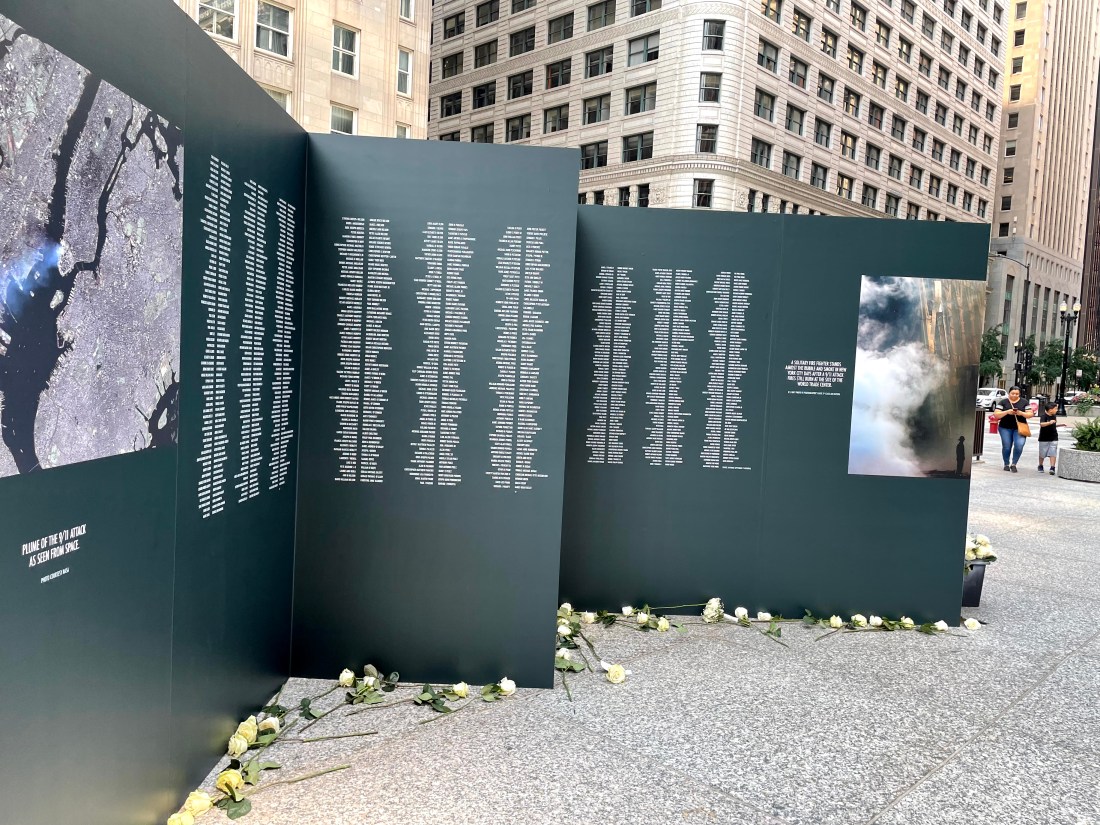
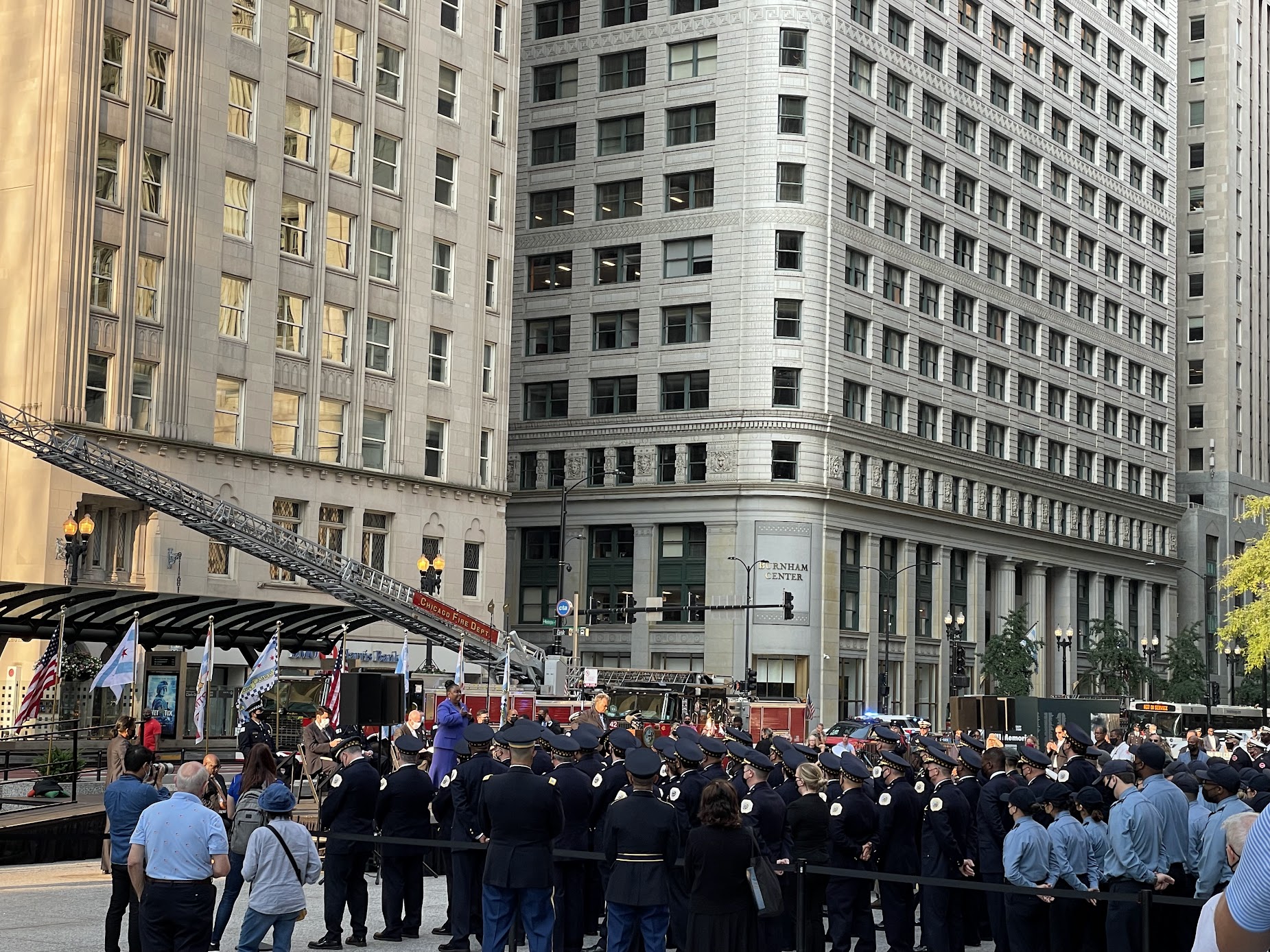
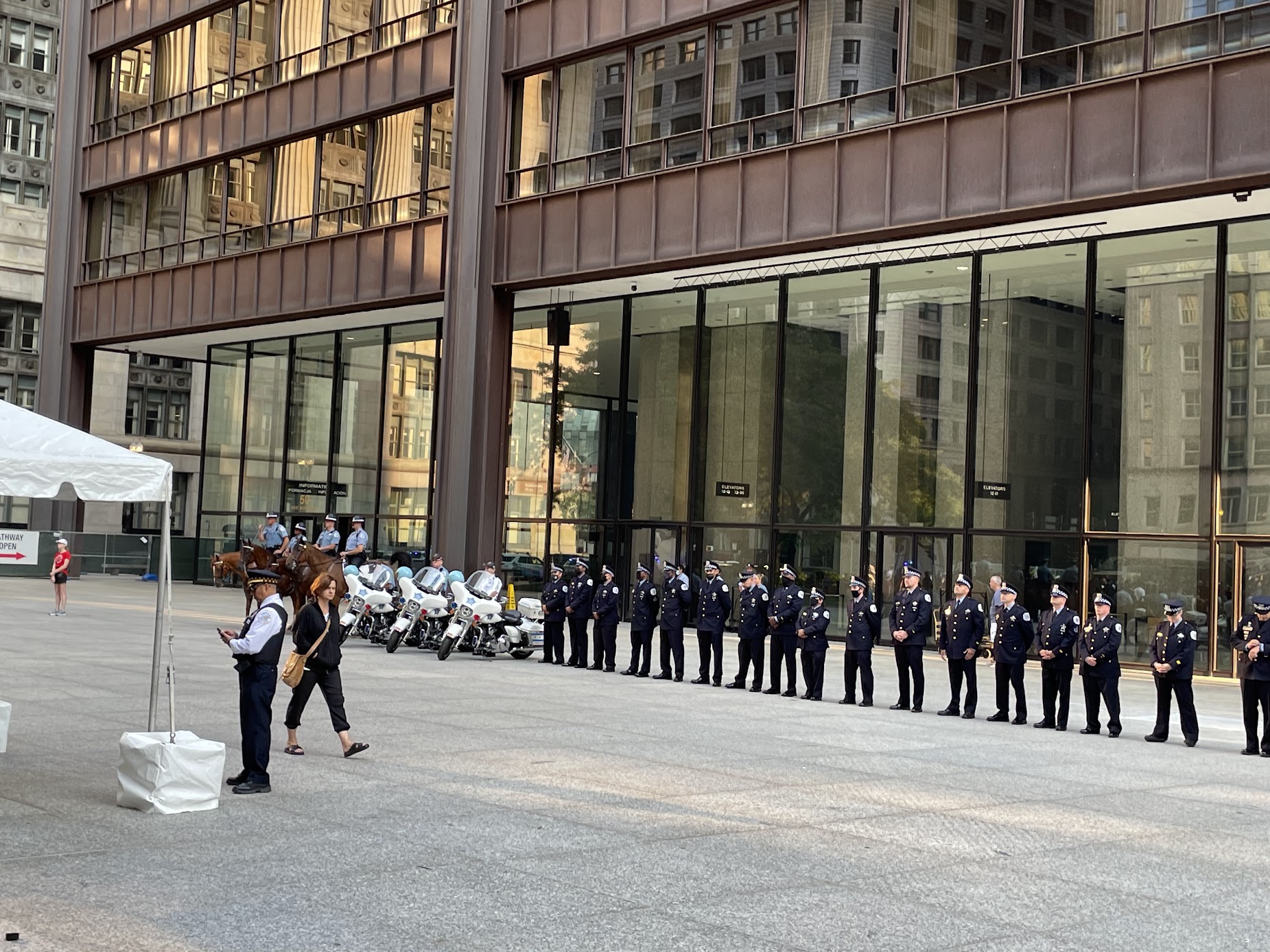
I was a consultant, and in September 2001, I was assigned to a project in the Daley Center. One of my fellow consultants, Chuck, used to come very early and leave early. On September 11, when I walked in and sat at my desk, he turned to me and pointed to his screen: look, a plane crashed into a building!
From the picture, it was impossible to figure out the size of the airplane and the size of the building, and also, there was zero smoke. So I reacted like weird … I wonder why… and turned my computer on. At 9-15 AM, Cindy, a City employee who was our main point of contact, rushed into the room we sat. Her face was grey. She said: we want you guys to be out of the building immediately! We looked at her: what about our billable hours?! She said: we want you out! We do not know what it going to happen!
We all were commuting, and we looked at our watches and shrugged: we just missed the last morning train back; there will be no trains for another hour and a half. Nevertheless, we walked back to the station. The whole city was moving in the same direction, but we were still far from grasping the magnitude of events. Only when we came to the station, we realize how problematic our departure was going to be.
People were standing on all platforms. One of the newsrooms in the station had a giant screen on the wall; they were broadcasting one of the news programs. There, around 10-30 AM Chicago time, we saw the second tower collapsed. Everybody gasped; many started crying.
The trains started to arrive at the platforms. Later, one of the conductors told me that they all headed home after the last morning train pulled up to the city, but their management called them back, and they showed up again. There was no schedule. A train would pull in; people would get on board, and when the train was full, it would head out, and the next train would pull into the station.
Inside the train, people were standing, but nobody tried to squeeze in; there was no panic. I walked into the full train and leaned on the wall. The train started moving shortly after that. It stopped at each station, but most passengers were going to the suburbs. At one of the stations, a person asked from the platform: what’s going on? Aren’t there any trains to Chicago? You do not want to go to Chicago now! – somebody shouted.
The was one man with a prosthetic leg; I saw him in Palatine most of the mornings. He was telling something and pointing at me; I could not figure out what it was. I thought he was asking me to move and let him through to look for a seat, but he waved me off: no, I was just telling him to move! I told him I couldn’t see a pretty woman! I still think about this dialog as the best compliment I ever received :).
Somebody in our car had a transistor radio, and we listened to the news and learned about another plain – the one who didn’t reach the Pentagon. Nobody knew how many plains could still be in the air, and what could be other targets. We worked on the 27 floor of the Daley Center; that’s why we were ordered to go home.
I managed to call Boris. It was not easy back then; I had to key in a long sequence on my cell phone to connect to a discounted service.
In the evening, our director called all consultants and told us to stay home. He told us we would be paid for that day. The kids had school. I stayed at home, lying on the couch in front of the TV and crying. I could not bring myself to doing anything productive. I was staring at the debris, listening to the commentators, and lying there paralyzed with greave. For many days after, the most distinct feeling was this absence of joy in life. You tried so hard to be cheerful, go shopping, get ready for Halloween – and you could not. That part of your existence was missing.
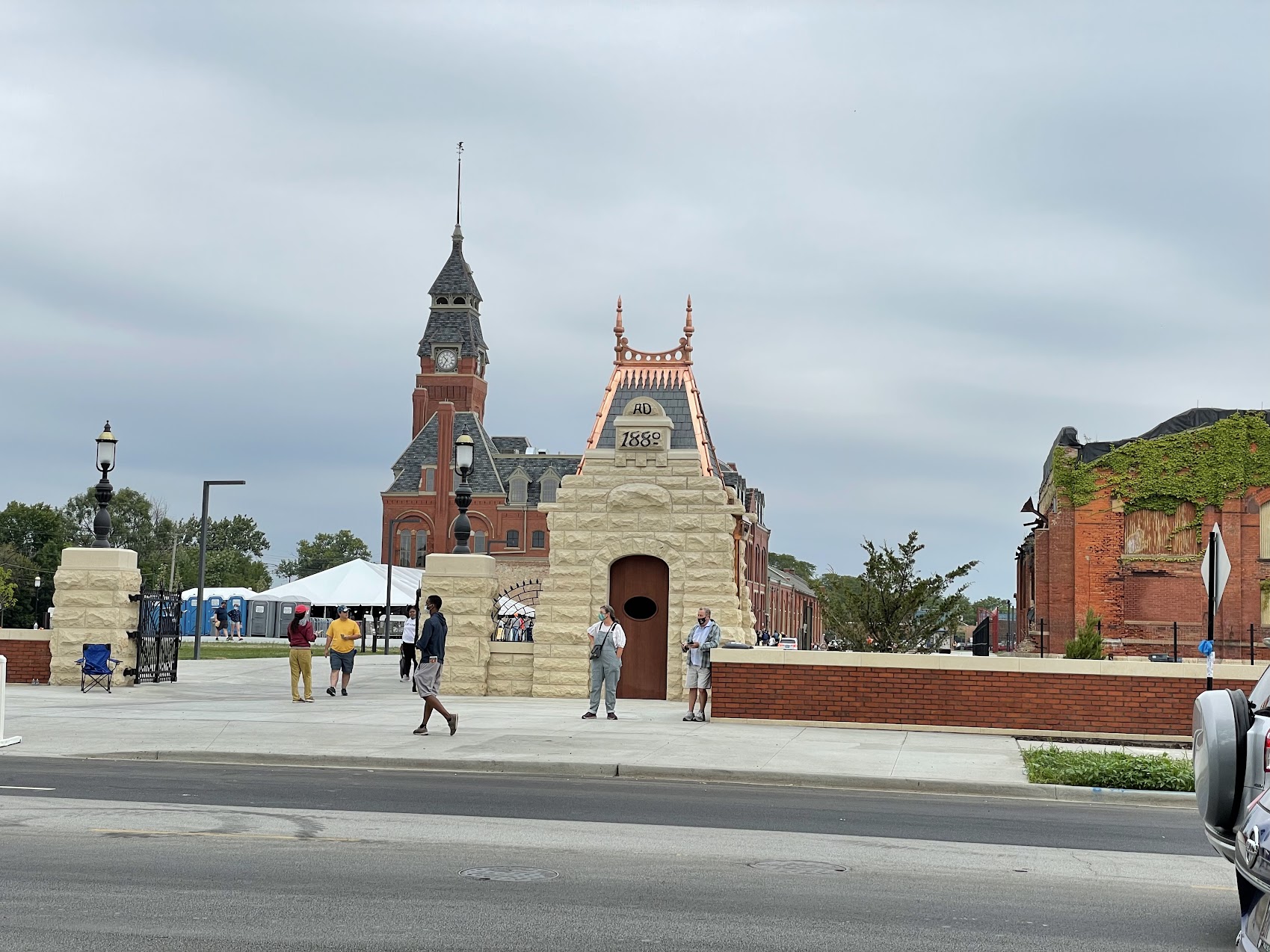
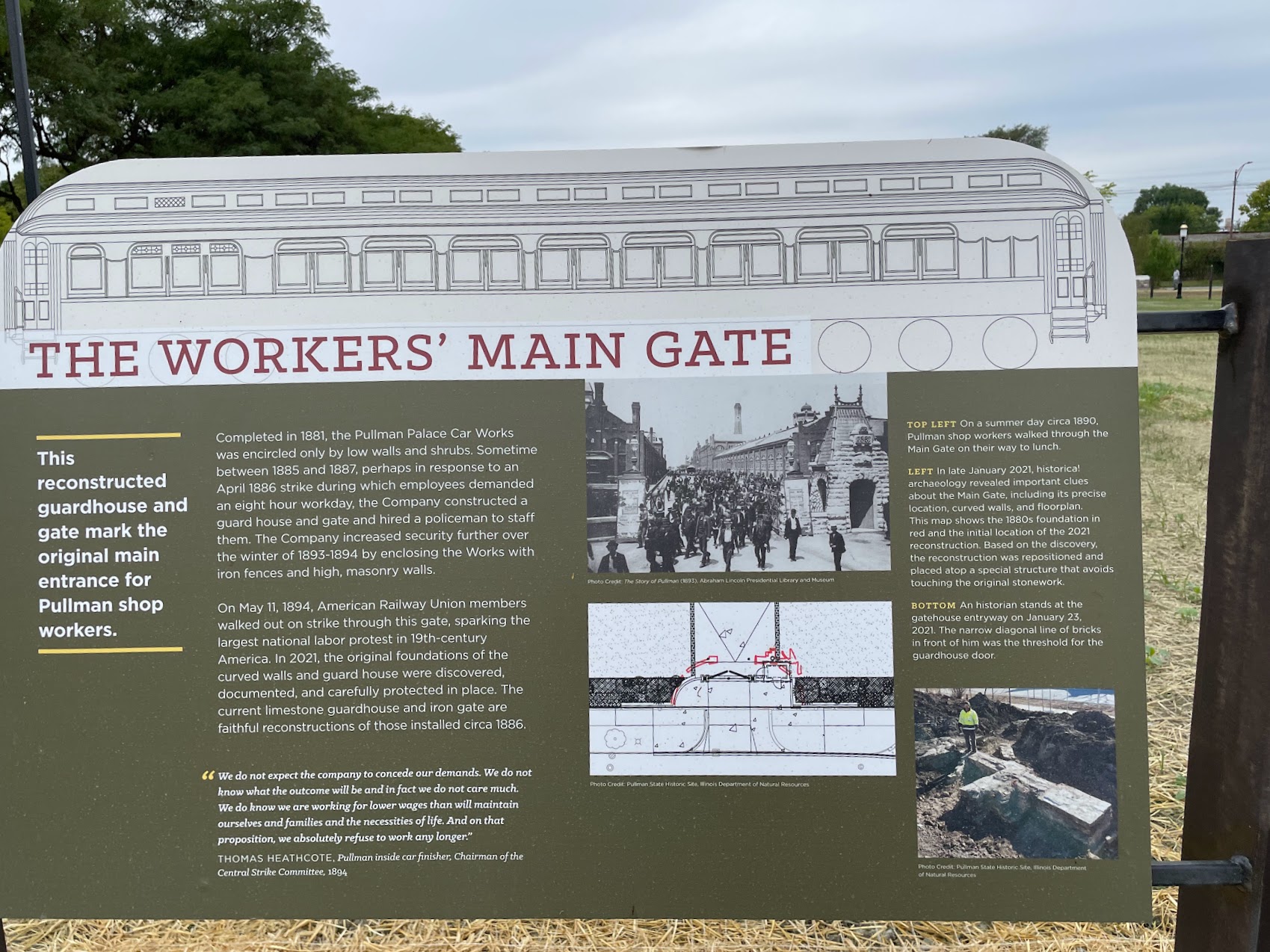
For many years, Igor and I visited Pullman on one of the Labor Day weekend days – they always had something interesting going on. Last year, there was nothing because of COVID, but that year, it was going to be a big celebration: Pullman officially became a Nationa Monument.
We decided to go on Saturday because according to the museum website, the actual ribbon cutting was supposed to be on that day. Also, they were going to give away free tickets to tour a factory and Florence Hotel, and also there were going to be old Pullman cars tours. It turned out that the ribbon cutting was scheduled for Monday, and as for the tickets, people stood in lines from 7-30 AM to get them!
We didn’t get any – they were all gone five minutes after we arrived. However, one lady happened to have one extra ticket for the cars tour, and I gave it to Igor.
Still, we managed to see a lot on the museum grounds, and we were shocked by the amount of restoration work that was done on the site!
Sometimes, mom would take me to one of the Palace Museums. Since Saint – Petersburg used to be the capital of the Russian Empire, the were multiple summer residencies of the royal family and grand dukes. And even though Leningrad was not the capital of the Soviet Union, the palaces were still there, and almost all of them were turned into museums. If you read into the history of WWII, and specifically about the Seige of Leningrad, you will learn that most of these palaces were literally burnt to the ground. The majority of them were carefully restored in their original glory, but no matter how authentic these palaces looked, that was not the original work of the 18th century.
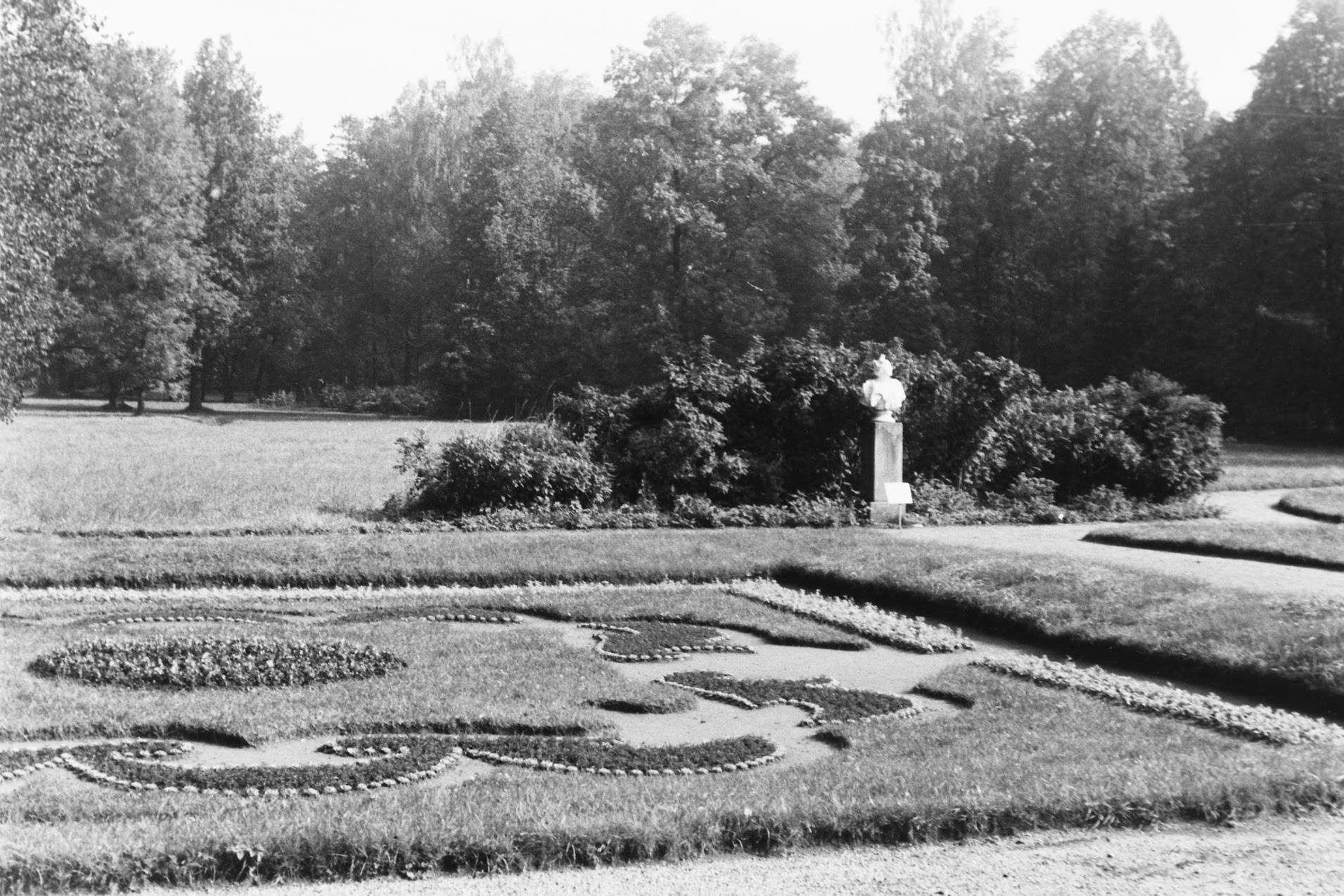
However, one of these summer residences was not ruined, or the warfare damage was minor. I am talking about the original Alexander Menshikov’s mansion, Oranienbaum, which was renamed Lomonosov in an attempt to exclude the German names from the Soviet toponymic. After Menshikov, several other Russian royalties owned the place, and more palaces were erected nearby.
Due to several strategic reasons, these palaces suffered only minor damage during WWII. In the end, this didn’t help preserve the architectural masterpieces – the campus is located further from the city than other summer palaces, so its maintenance was deprioritized.
Fortunately, Sosnovaya Polyana is approximately halfway between Saint-Petersburg and Oranienbaum, so it was a shorter trip for us. On the other hand, the palaces didn’t look as grand as in Peterhoff, and most of the time, there were fewer tourists and shorter lines to enter museums.
I loved the park and the palaces, especially the one called “Sledding hill” (Katalnaya Gorka). The name is charming, and the palace is small and elegant.
Looking at the pictures of my granddaughters taken by their multiple living relatives, I can’t stop comparing the summer Nadia has now with my summer of 1967 when I was the same age. Yes, once again – no pictures for the whole year. Apparently, nobody thought that something interesting is going on in my life and people’s life in general.
My mom worked. My father was mostly out of the picture. Nanny Katia watched me and took me on the Neva River and to the Bobrinsky Garden. My aunt and great aunt read books to me, and in summer, I was again at Sosnovaya Polyana, my last summer with Baba Ania. Mom says that Baba Ania already had a stroke earlier that year, and the left side of her body already didn’t function properly, so she had to manage with one hand. But I remember nothing of it. When my mom or my father come, there were pictures.
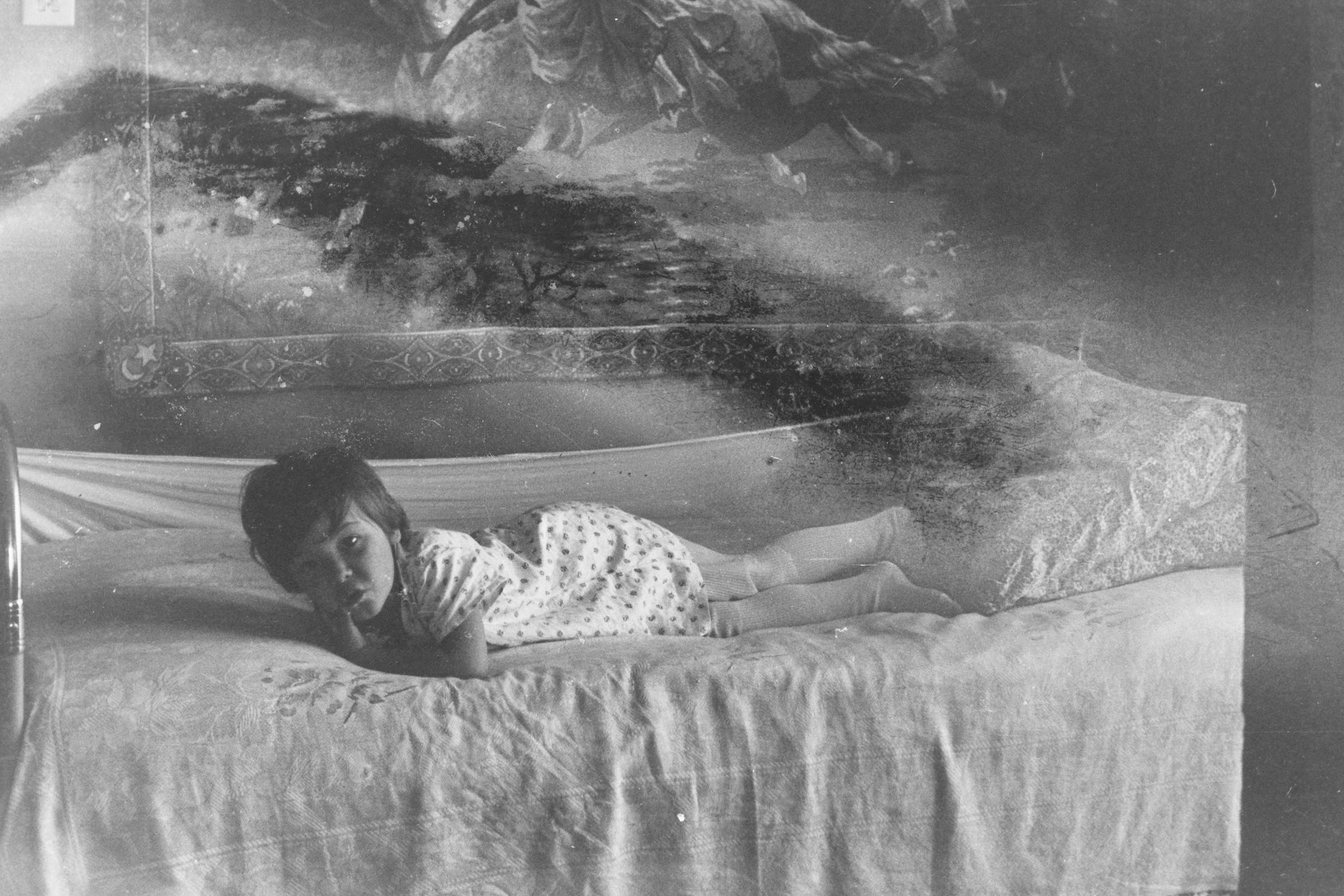
On my grandparents bed – the only real bed in the apartment
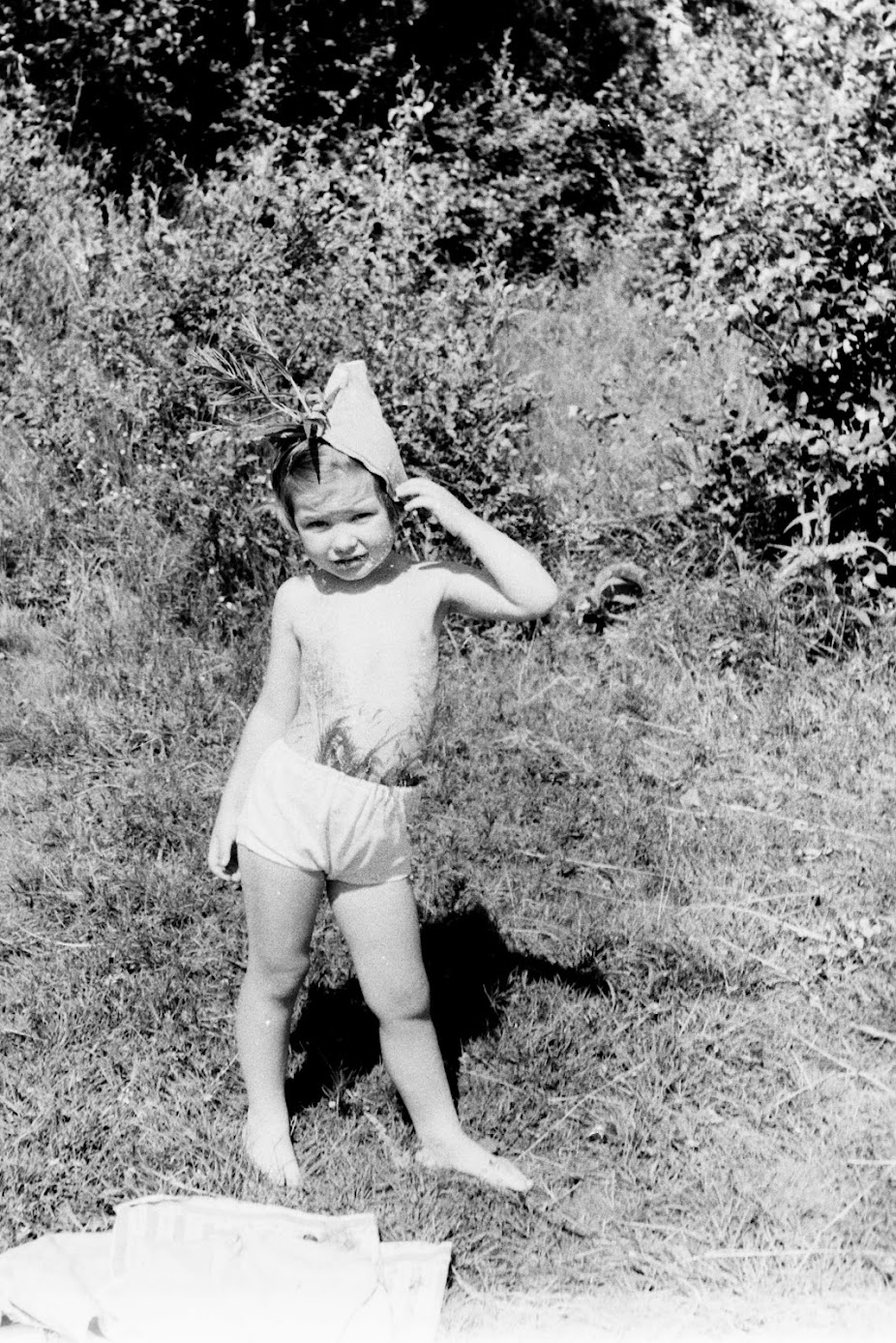
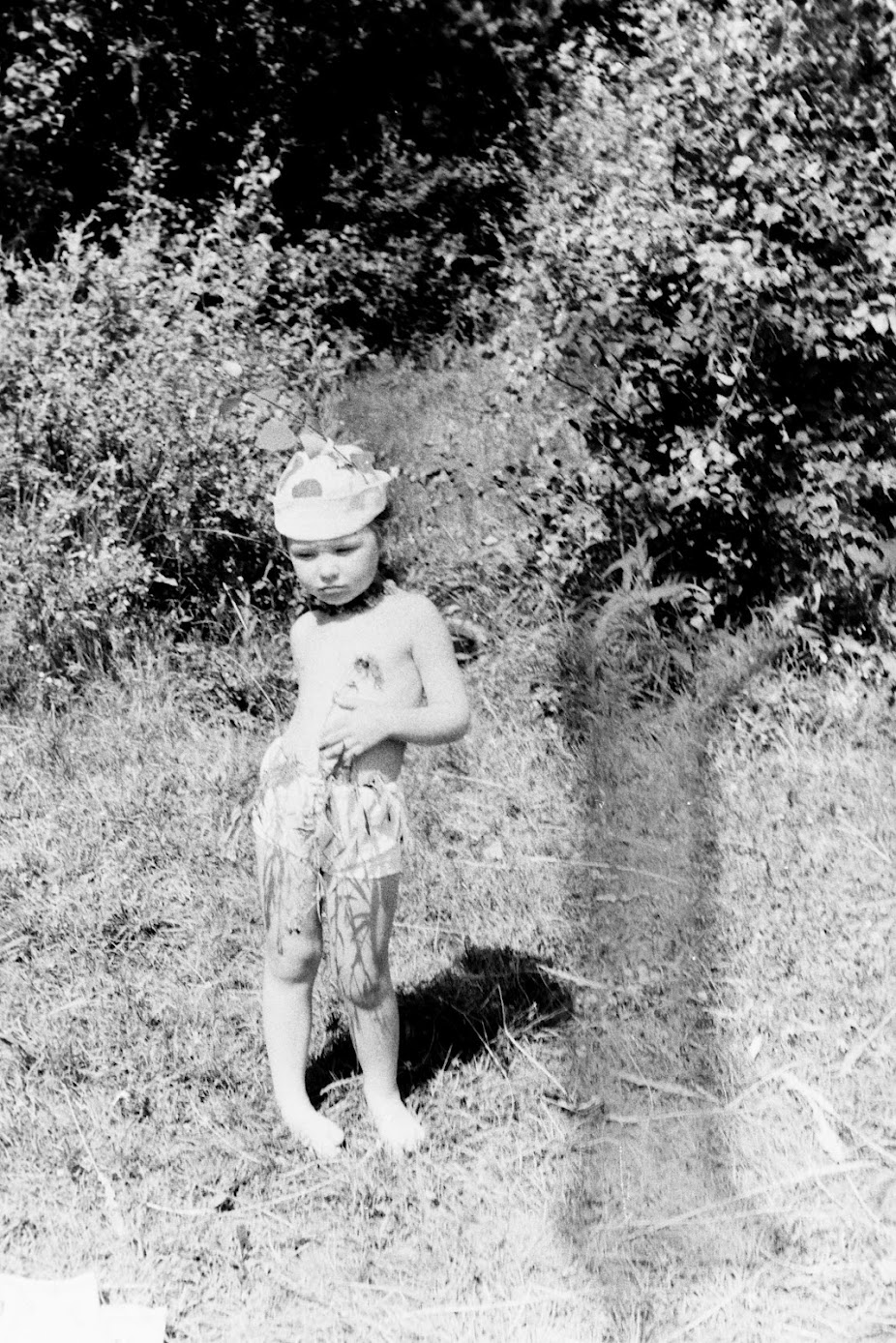
I was obsessed with Indians. A children’s comic books series, Cheerful Pictures featured a group of diverse characters, including the Indian Chief Va-a-tu-re. He was the best, and I loved all about him. There was no way for me to replicate his costume, but mom helped me decorate myself with small tree branches, flowers, and leaves and make my silhouette resemble the one of Va-a-tu-re
Some time ago, one of my friends mentioned “a season of watermelons.” My first reaction was, “Is there really such a thing as a season of watermelons? Aren’t they always available? And then I remembered! During my childhood, the season of watermelons was a thing.
Previously, I mentioned the concept of “deficit” in the Soviet Union: anything, which was not available in the stores at any given moment. Anything you had to “look for,” “procure,” “get”. Which meant – most of the things.
Watermelons were grown in the Southern part of Russia, mainly in the delta of the Volga River, in the Astrakhan region. They were ready to be harvested in August-September, and that was the watermelon season. It was impossible to buy a watermelon anytime outside this timeframe.
Watermelons were not sold in the stores. Here and there, on the streets, “watermelon cages” emerged. Inside these cages, watermelons laid on the ground. Customers stayed in long lines, as in any other case of “deficit.” When your turn comes, you are allowed inside the watermelon cage, and you can walk around and pick a watermelon or two, and bring them to the scales, then pay for them and take them home.
Although my mom says that Baba Ania was not allowed to show up in our apartment on Galernaya Street, I remember that she was sometimes visiting. And one of these times was the day of the Watermelon story.
I don’t even remember staying in the line that day; most likely, we were fortunate, and the line was not that long. What I remember is that we were carrying it home, or rather Baba Ania carried it, and I was gingerly skipping alongside her. And the next thing I remember – a watermelon on the asphalt. It was ripe. It was red inside. But at least half of it was broken into small pieces.
I do not remember how Baba Ania managed to collect most of these parts. But I remember sitting in our giant kitchen, while the broken watermelon is sitting in the middle of a table in front of me. Baba Ania put some broken pieces on the saucer, and I was eating them with a spoon – a deficit should not be wasted!
***
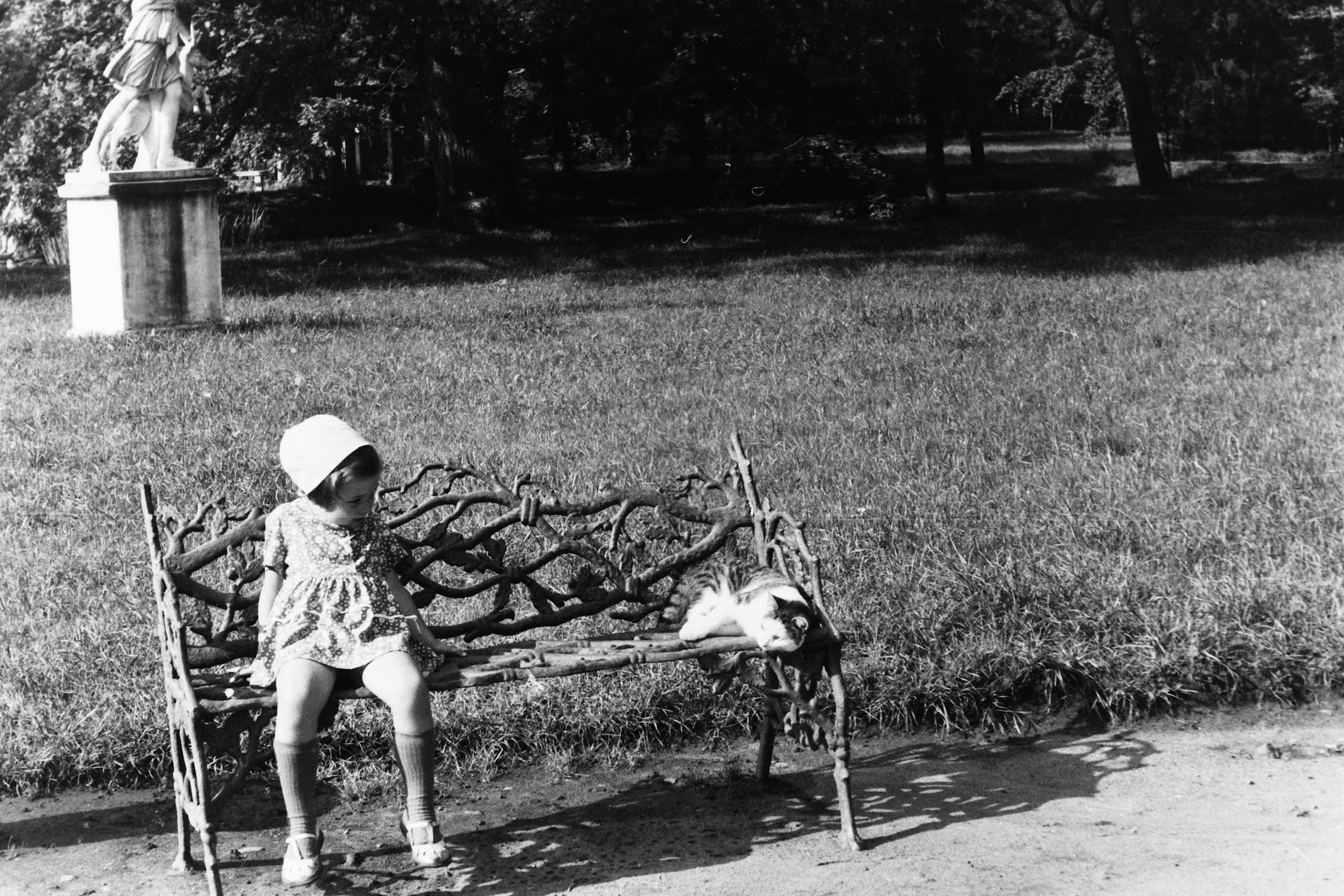
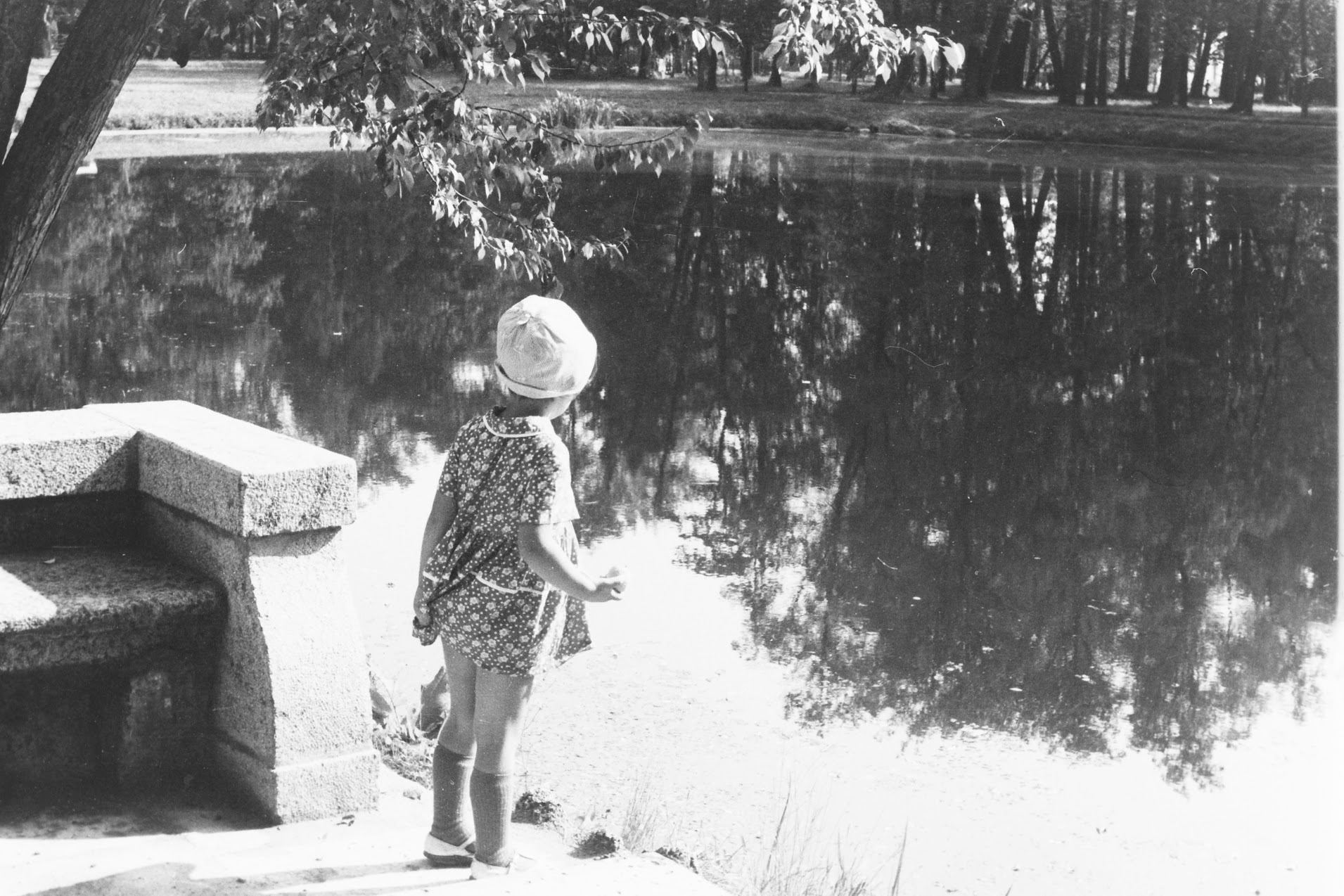
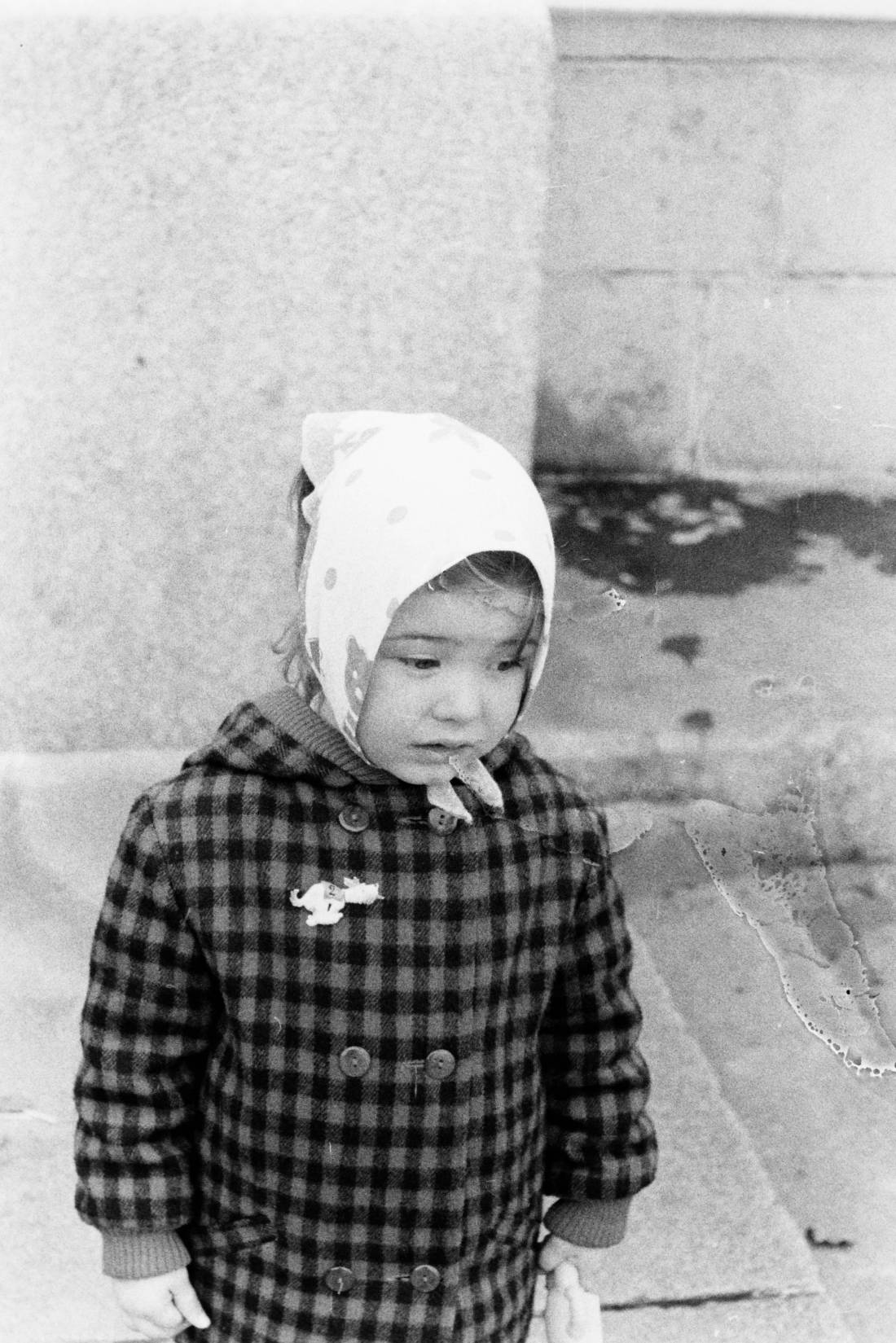
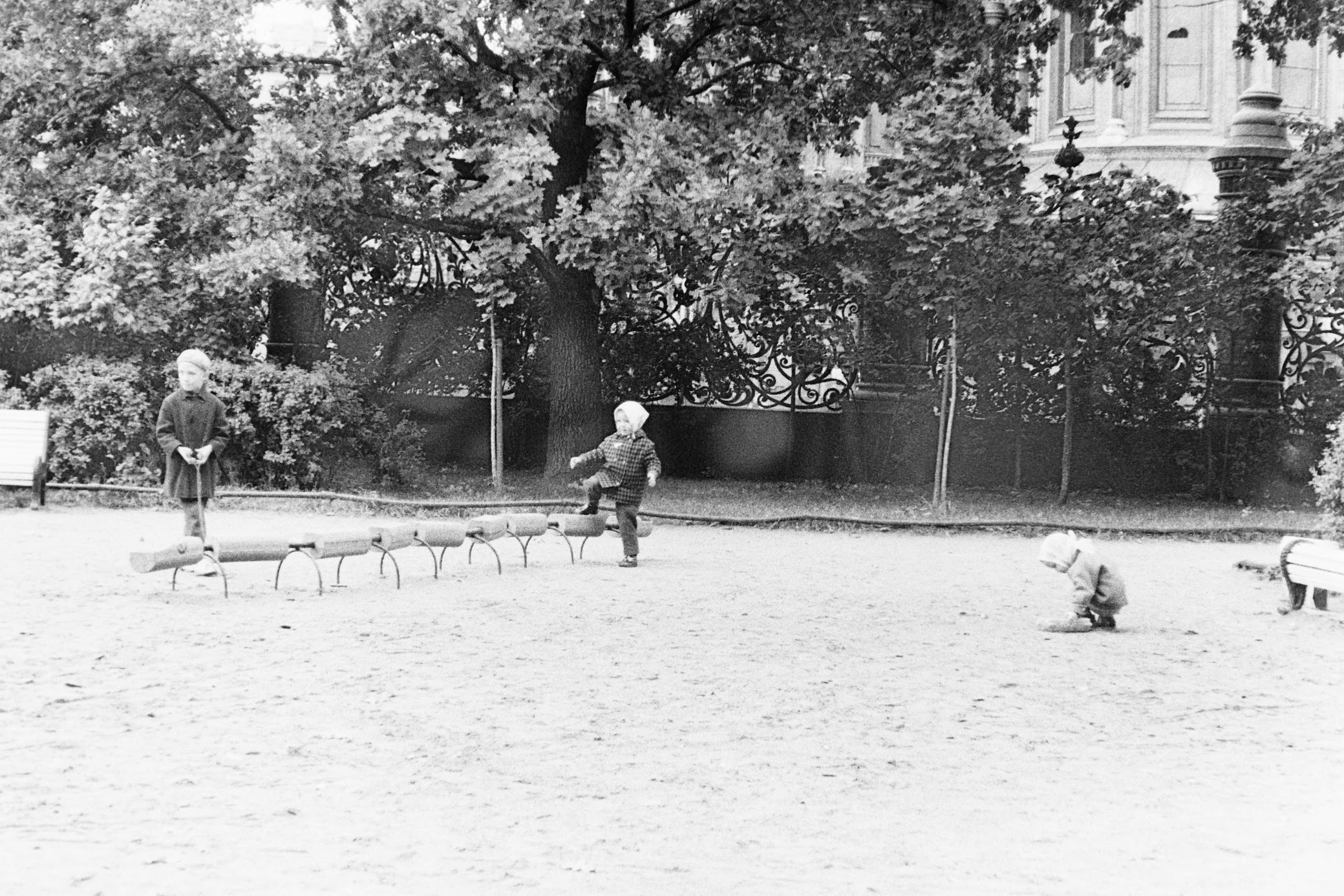
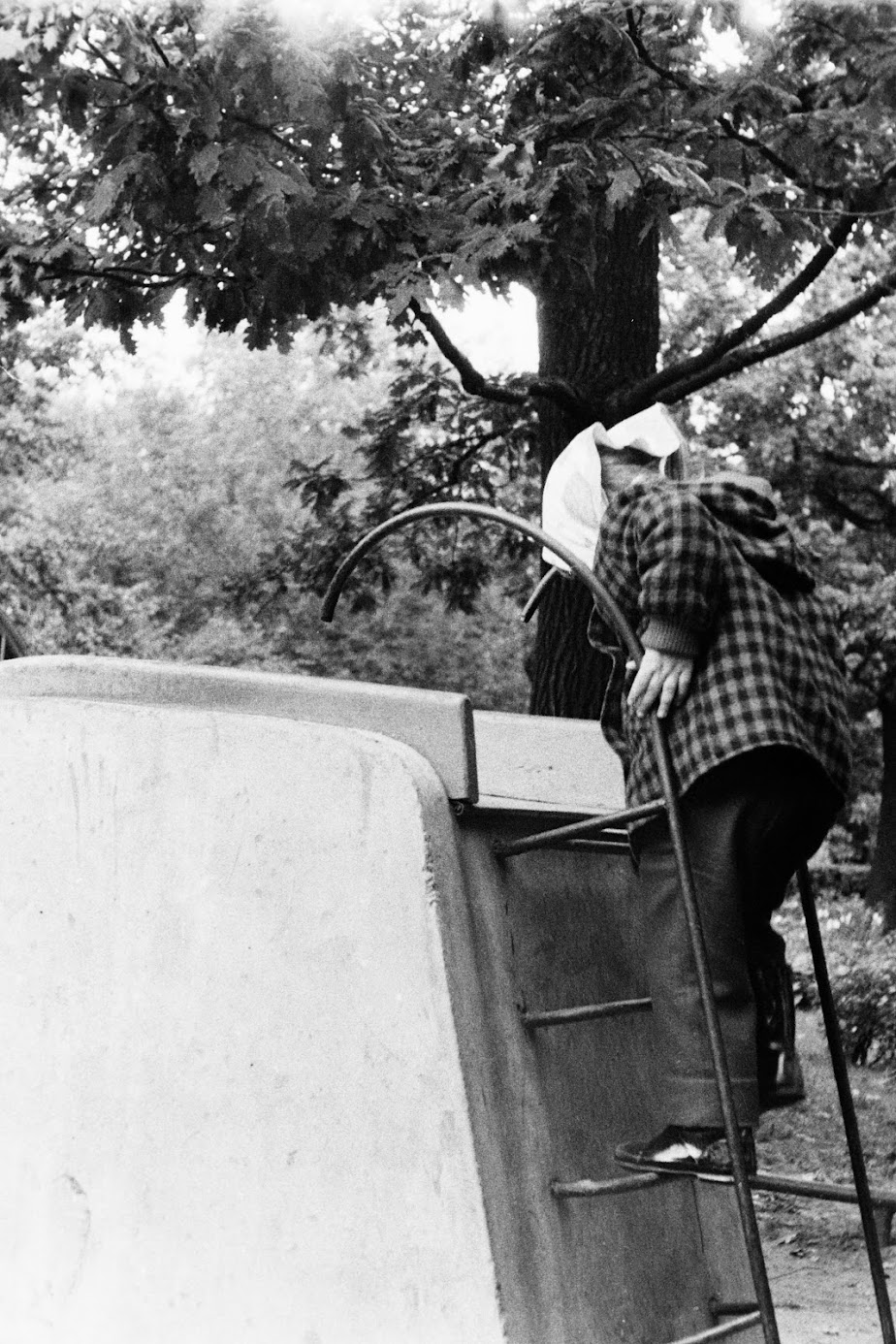
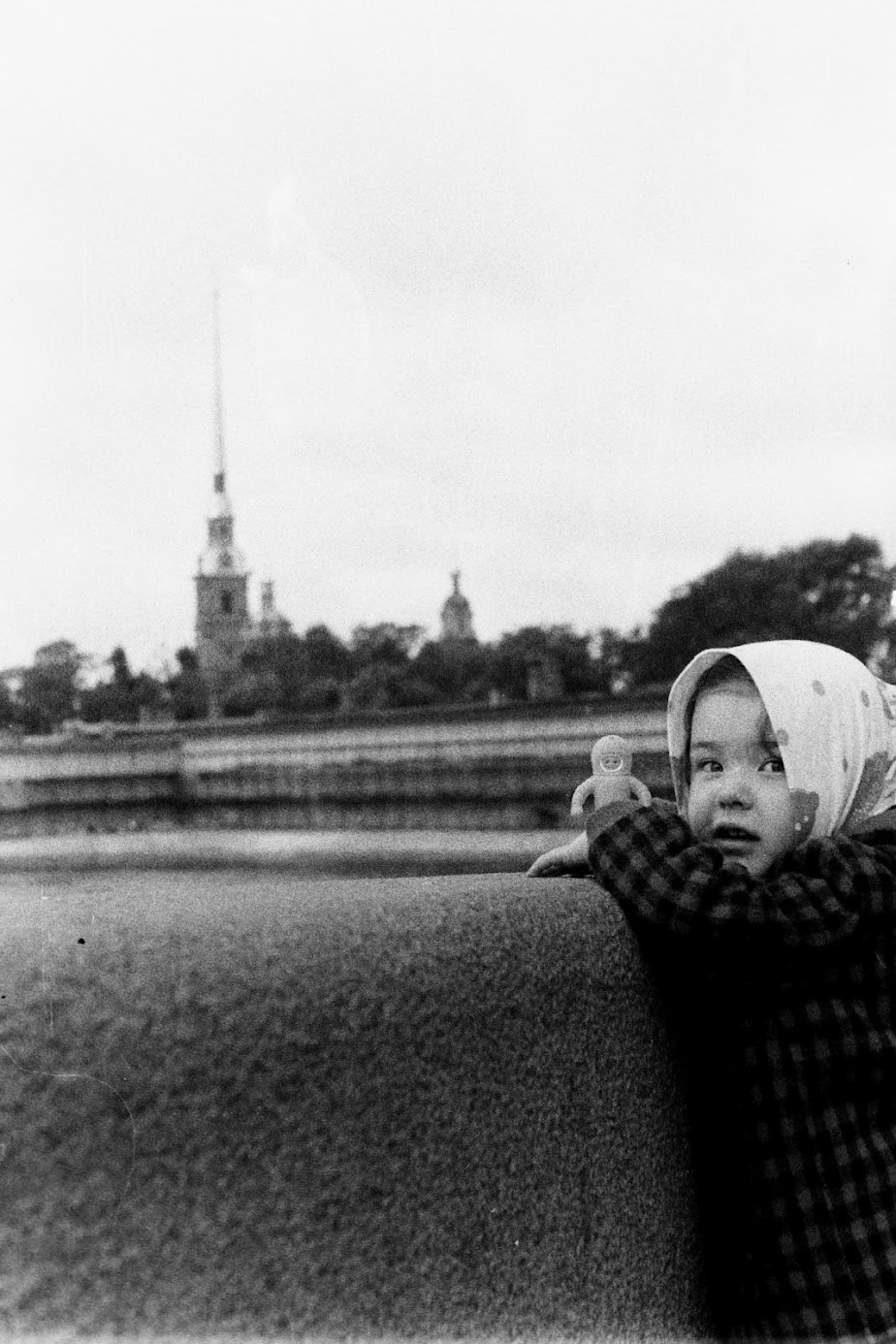
Once again, there is a huge gap in the line of photos. Here are several pictures all taken one afternoon at Alexandrovskiy Park. and at the nearby Dvortsovaya Embankment. I can’t imagine what would be a specific reason for taking pictures on that day. No relation to the story, except for it’s September, a watermelon season. Most likely, about a year later than the Watermelon Story.
Some time ago, a fellow blogger mentioned staying in the hospital with her son, who got severe burns. I commented that I remember how I was coming to the children’s hospital every day when Igor had his eyes surgeries. I felt that a short comment was not enough to describe the difference and thought I should write more about this story.
Igor had severe nearsightedness from birth, and when he was four, the ophthalmologist told me he needs scleraplastic surgery. Even now, I can’t tell whether it was necessary. Here in the US, nobody heard about this surgery. But I was told that he absolutely has to have it; otherwise, he may go blind.
Before I proceed, I need to explain several things about hospitals in the Soviet Union. First, the patients would stay for a long period. Here, if you had surgery and no complications and concerns, you will be dismissed in a couple of days to recover at home. Also, you do not need to come to the hospital “in advance.”
However, back in the Soviet Union, a person, regardless of their age, would be admitted a week before the surgery “to get ready.” I am not sure about the rationale behind this practice. Were the doctors afraid of infections? Still, it seems completely unreasonable.
All the letters were dry by yesterday except for about ten or fifteen. I had to through away these because more than 90% of the text was non-readable, and I suspect that after the subsequent inspection, I will have to though away more.
The process took more time than I could imagine, and this week, it was more difficult than ever to find extra time. I thought that I would at least sort the dry letters by the addressee, but I didn’t have time for that either. I opened and reread some of the letters. Many envelopes appeared sealed because of the moisture, and I had this weird feeling that I open them for the first time.
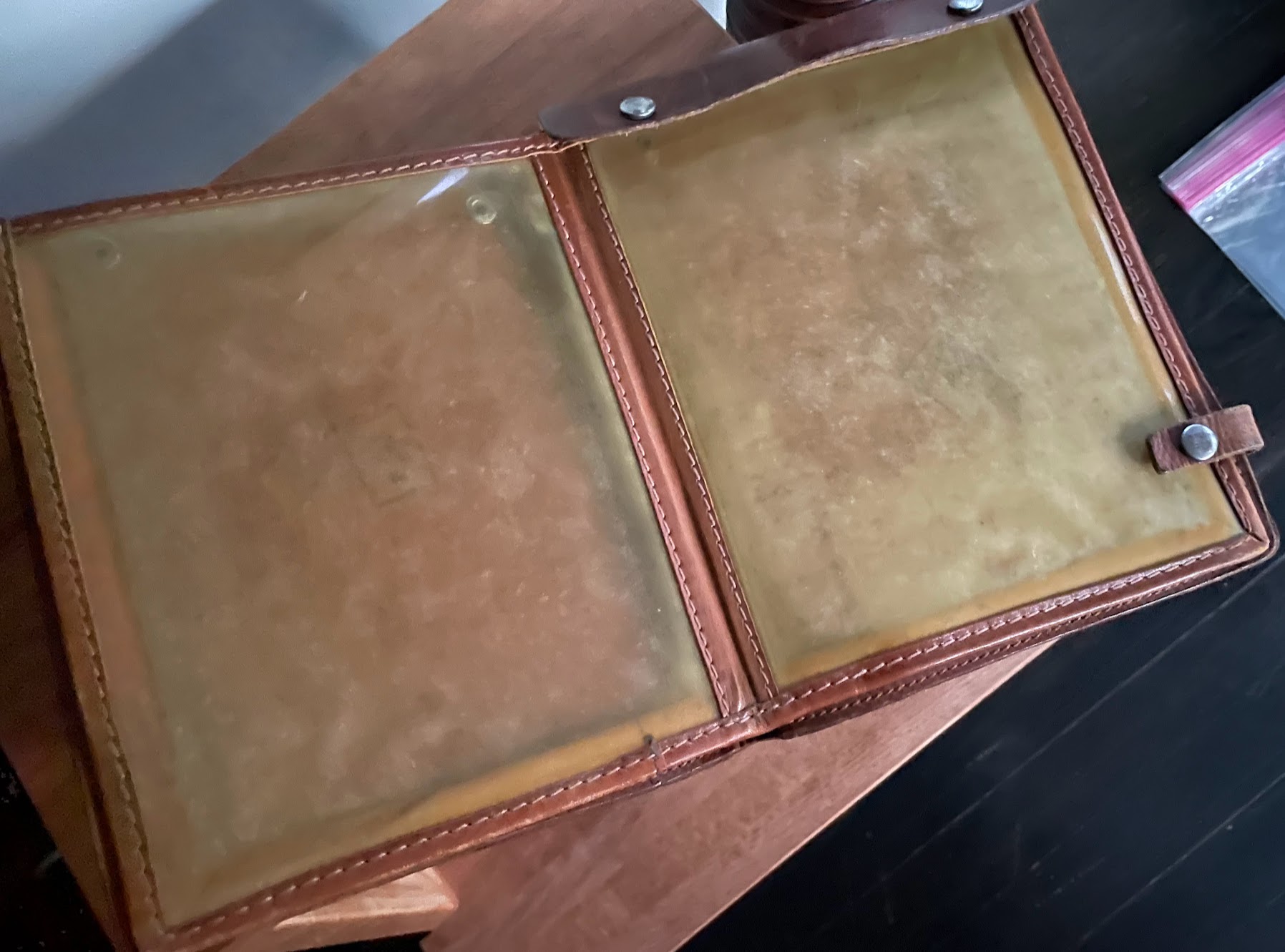
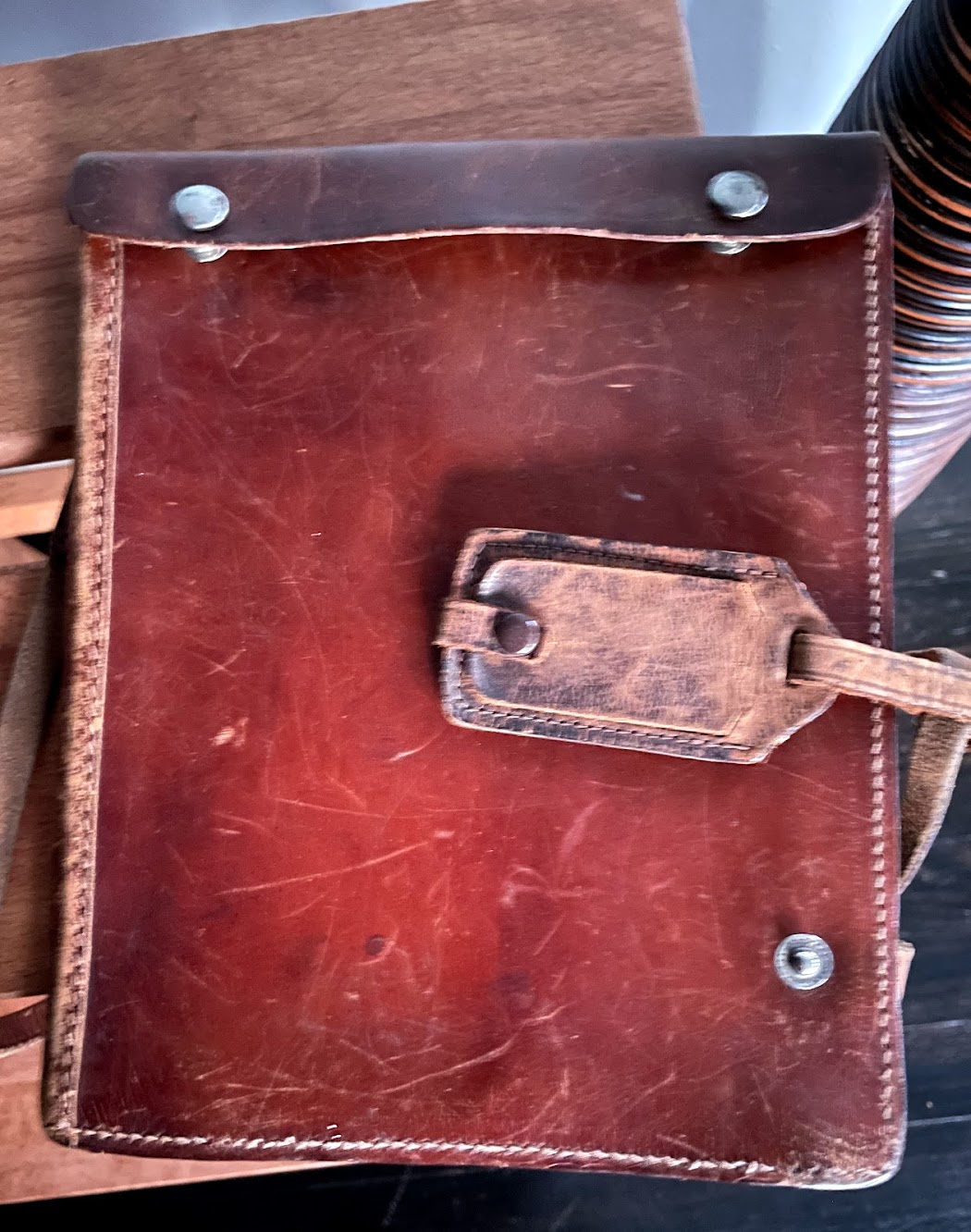
In addition to the letters, almost all of my diaries were in the same box, so they also suffered some damage. And also, this box contained the Commander map case or tablet (komandirskiy planshet), an object of envy and desire for any kid I knew. Made of the highest quality leather, water, heat, and other elements-resistant, it was the coolest thing you could imagine.
I was given it to play when I was about nine or ten. I had an imaginary country where I was a ruler, and I used this case to carry Very Important Messages.
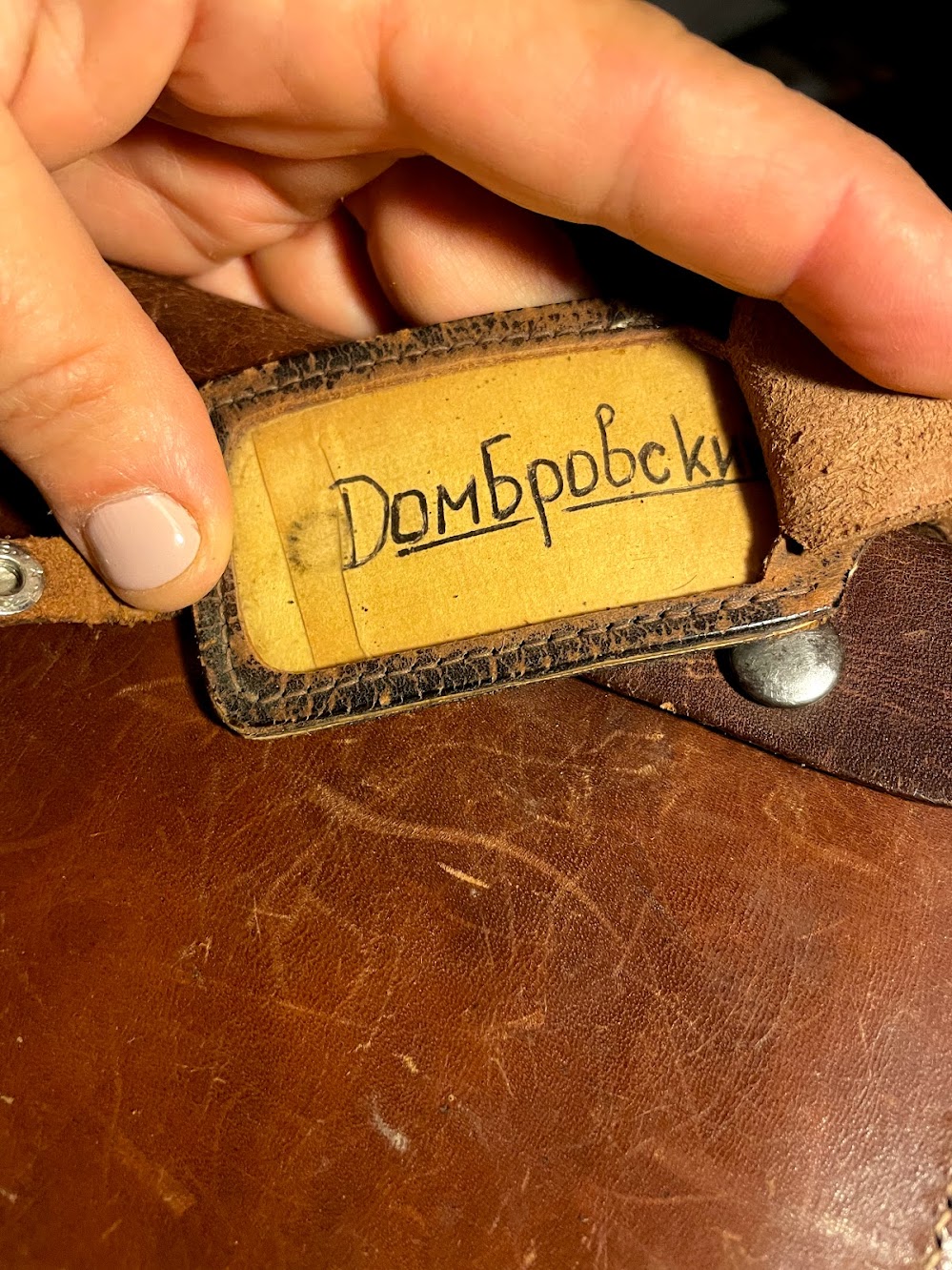
I was told that it belonged to my grandfather, but back then, I didn’t pay attention. Later I thought that probably that was a family legend because I could not imagine anything of his belongings could survive, especially this particular piece. I remembered that I knew it when I was a kid, but I forgot why.
After all, there were other military people in our family, and although I kept and treasured this map case, I was sure it belonged to the post-war times.
I also forgot that it had a name tag with the name covered by the leather flap. When I unbuttoned it, it saw my grandfather’s name there!. And then I remembered why I was sure that this map case belonged to him: the paper with the name is sewed it, and you cant replace the name without tearing the tag apart. Now I remembered why I never opened it again after the initial discovery: I could not replace his name with mine 🙂
Anyway, this was surreal. When I told Boris that the case is in remarkably good shape and I do not see any tear even in the parts which are usually worn out, he said: you know, it was not a long time when it was in use…
It has been several months since I last wrote a historical post. I moved and got settled, so there are no more excuses. I am going to continue from where I stopped back in March – summer 1966.
It is summer again, and I live in Sosnovaya Polyana with Baba Ania and Deda Fedia. And once again, most of the pictures are taken by my father. It might be that it was the only time that summer he visited.
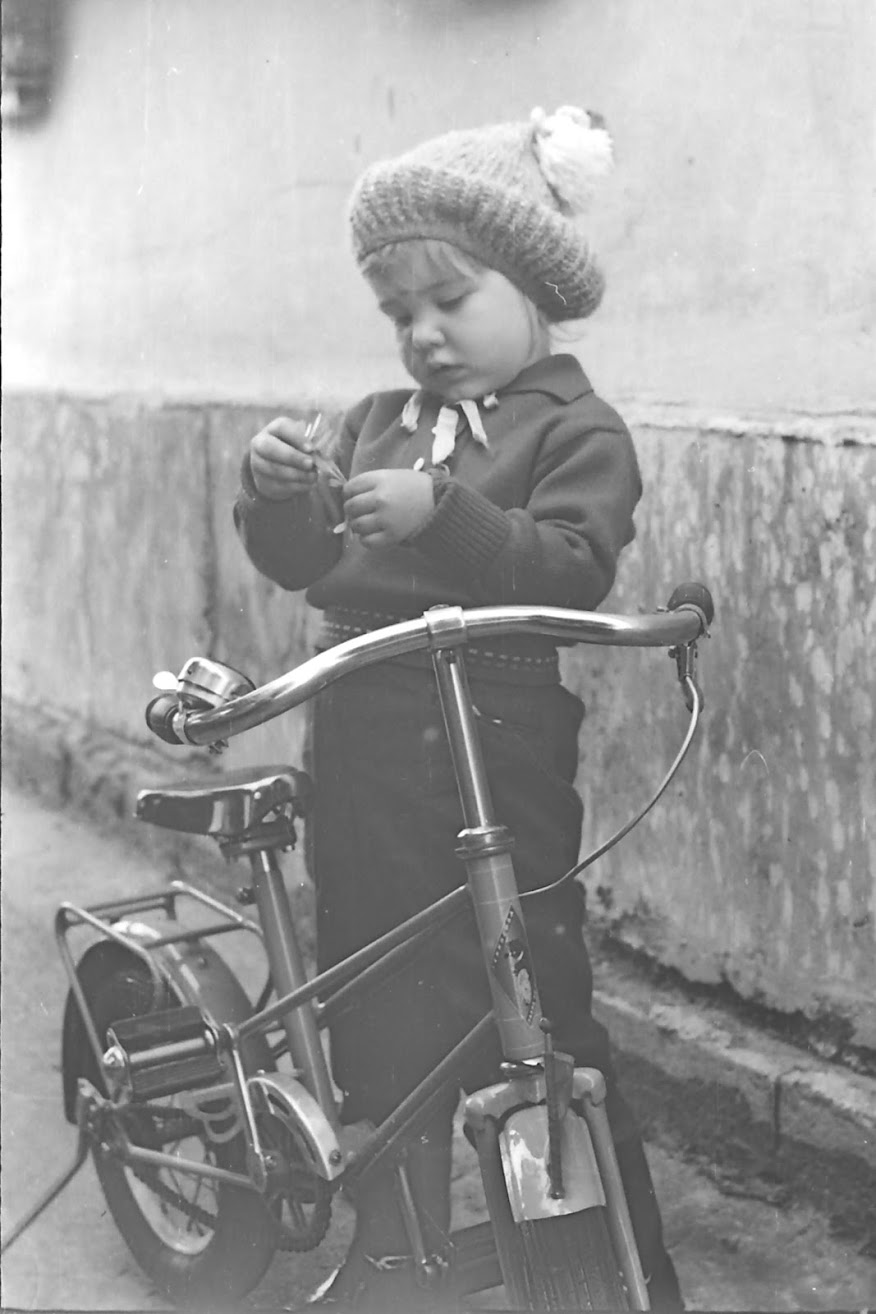
My parents were already divorced by then, but I do not remember that something changed drastically in my life. My father was on and off by that time; the late-night fights continued, though less frequently. I am assuming that it was my father who bought me a bike. A bike had training wheels, and I never learned to ride a regular bike when I was a child. Believe it or not, I only learned to ride a bike in the US after both Vlad and Anna learned it.



 Hettie's Reflections