Summertime in 1967

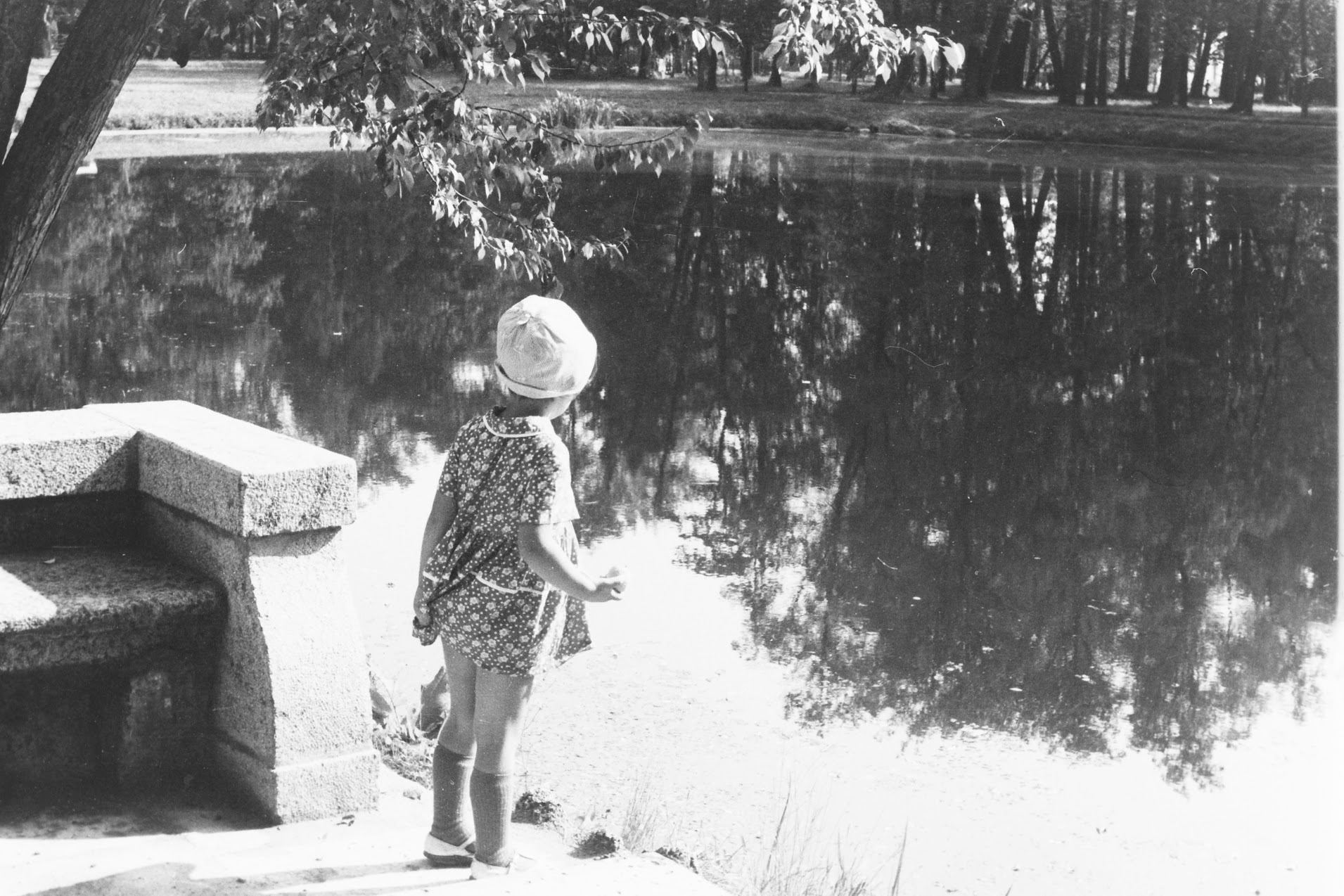
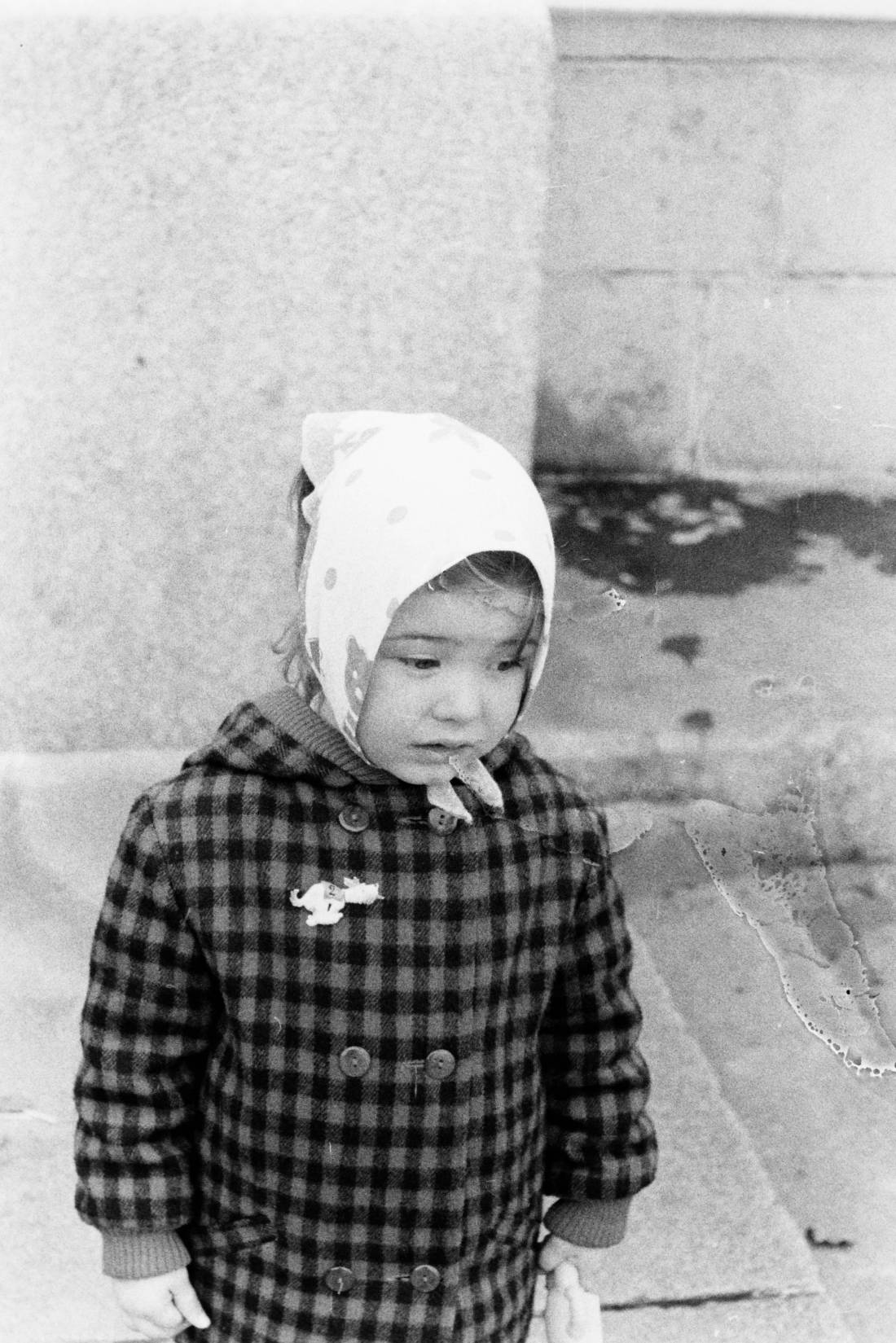
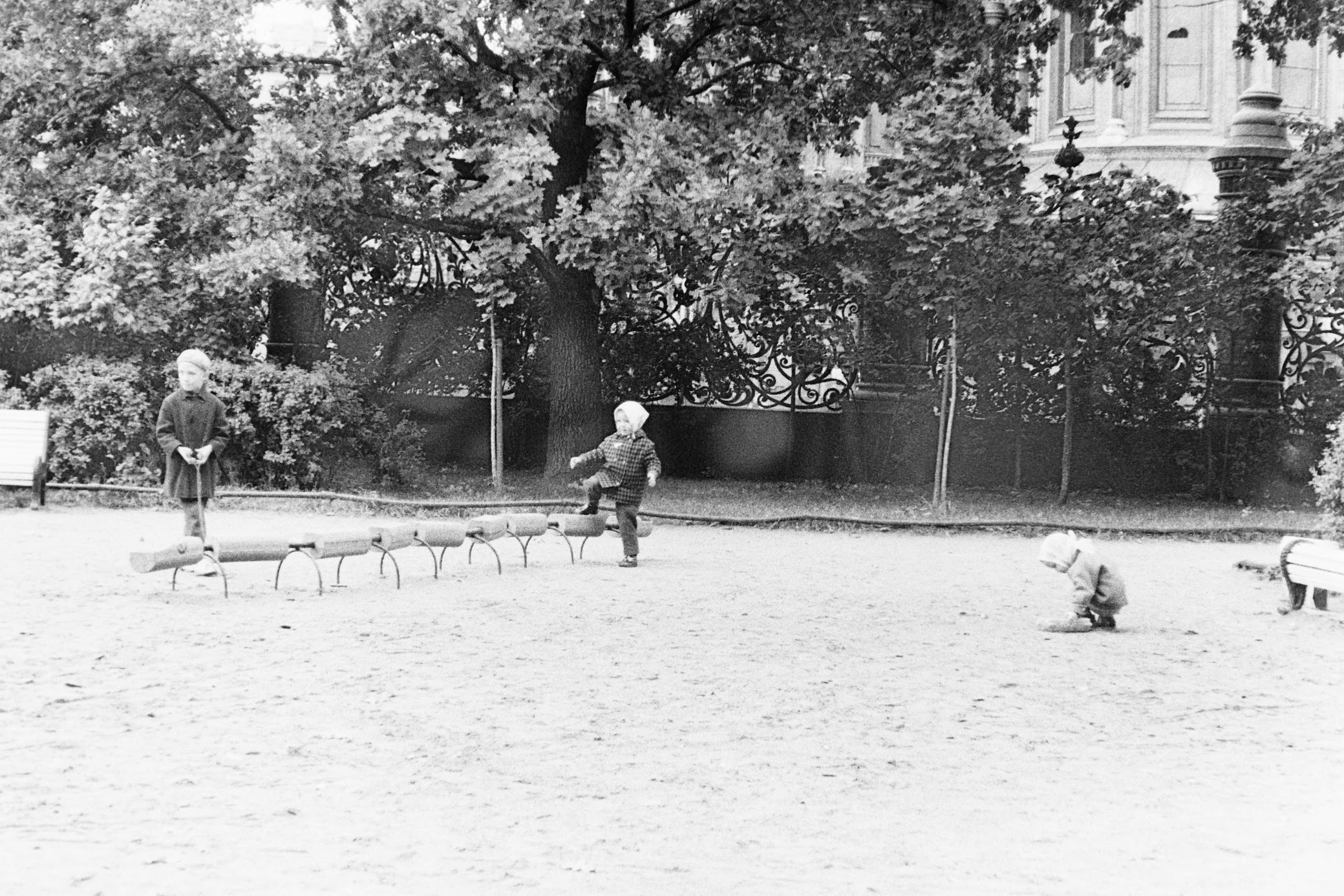
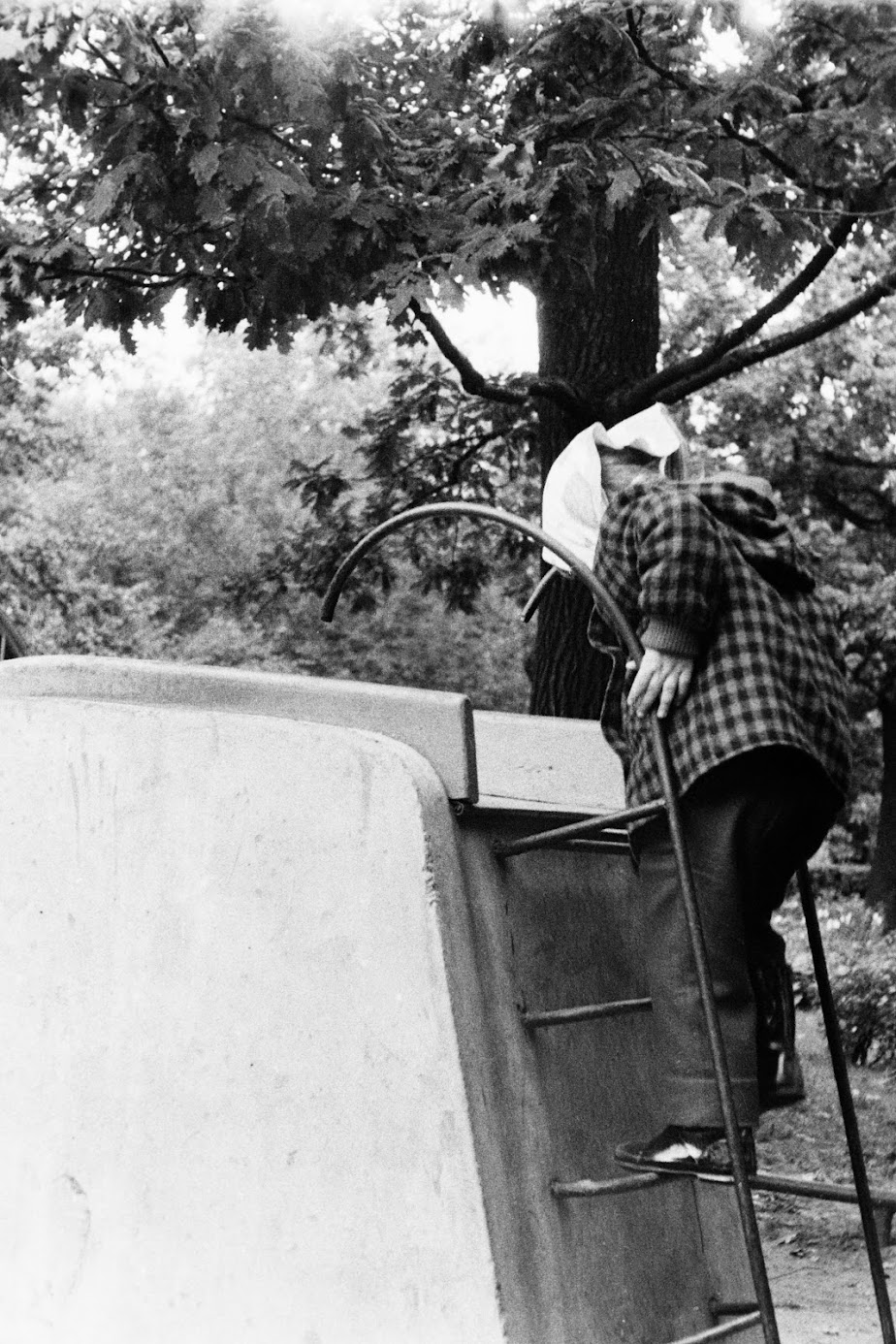
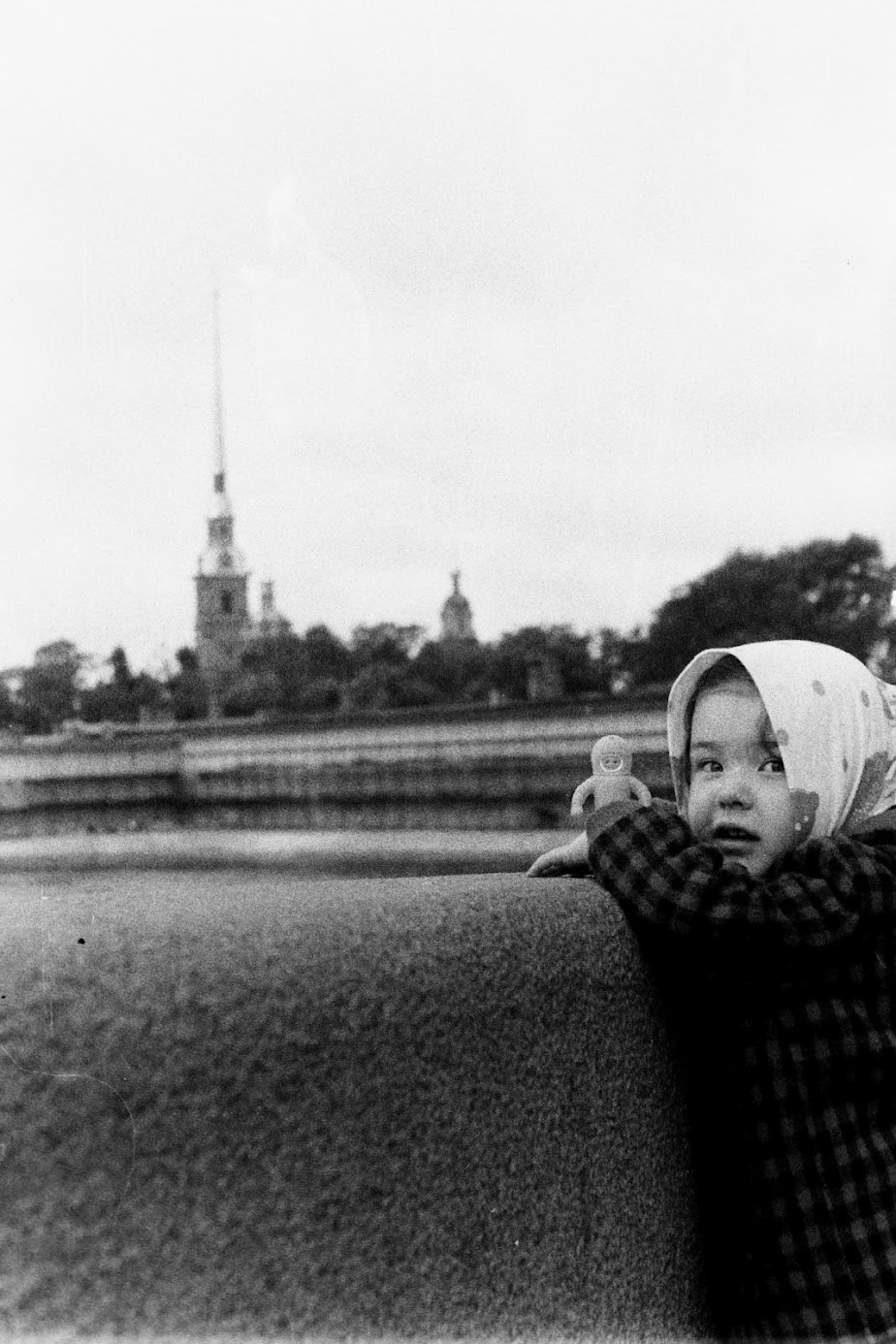
Looking at the pictures of my granddaughters taken by their multiple living relatives, I can’t stop comparing the summer Nadia has now with my summer of 1967 when I was the same age.
Yes, once again – no pictures for the whole year. Apparently, nobody thought that something interesting is going on in my life and people’s life in general.

My mom worked. My father was mostly out of the picture. Nanny Katia watched me and took me on the Neva River and to the Bobrinsky Garden. My aunt and great aunt read books to me, and in summer, I was again at Sosnovaya Polyana, my last summer with Baba Ania. Mom says that Baba Ania already had a stroke earlier that year, and the left side of her body already didn’t function properly, so she had to manage with one hand. But I remember nothing of it. When my mom or my father come, there were pictures.

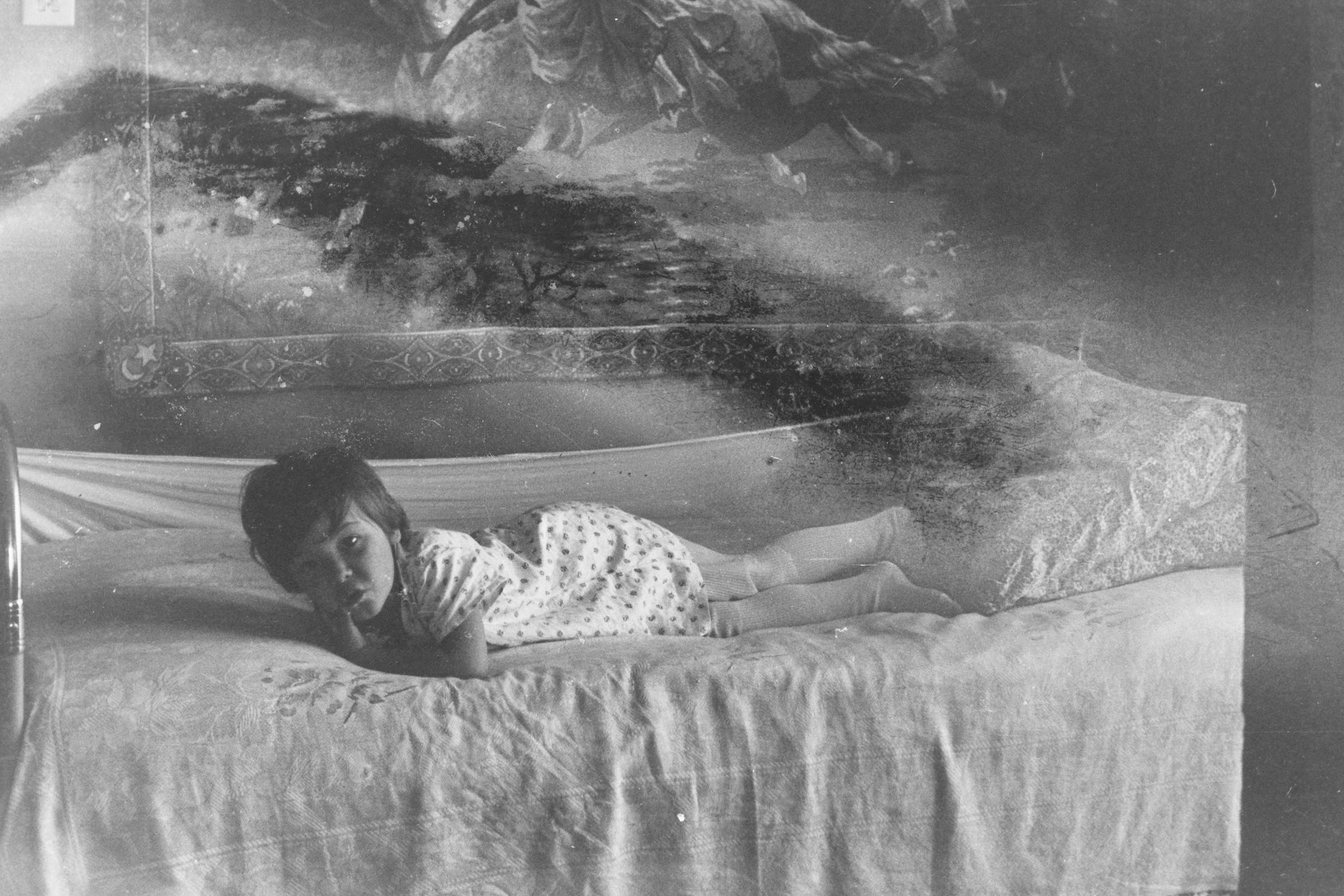
On my grandparents bed – the only real bed in the apartment

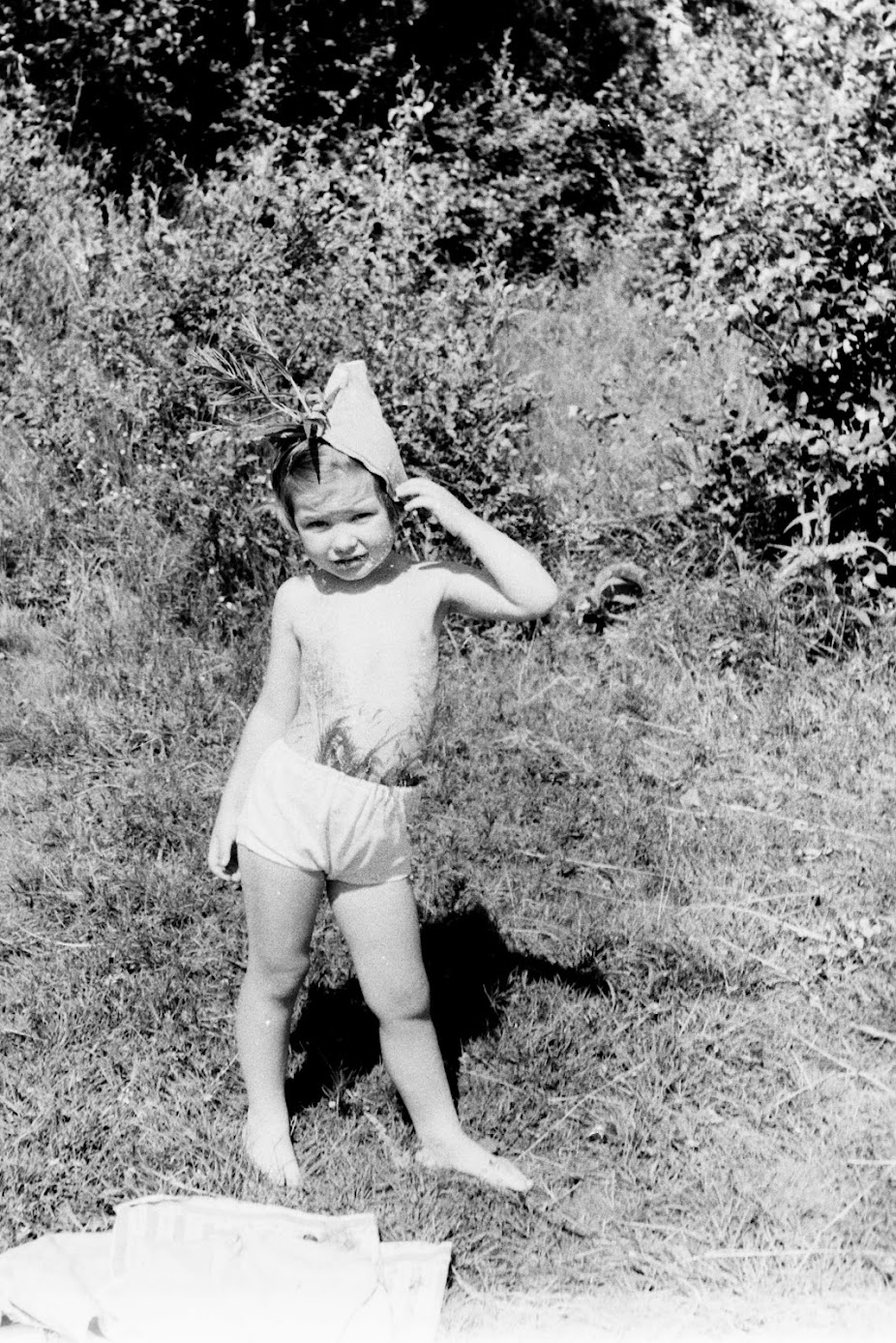
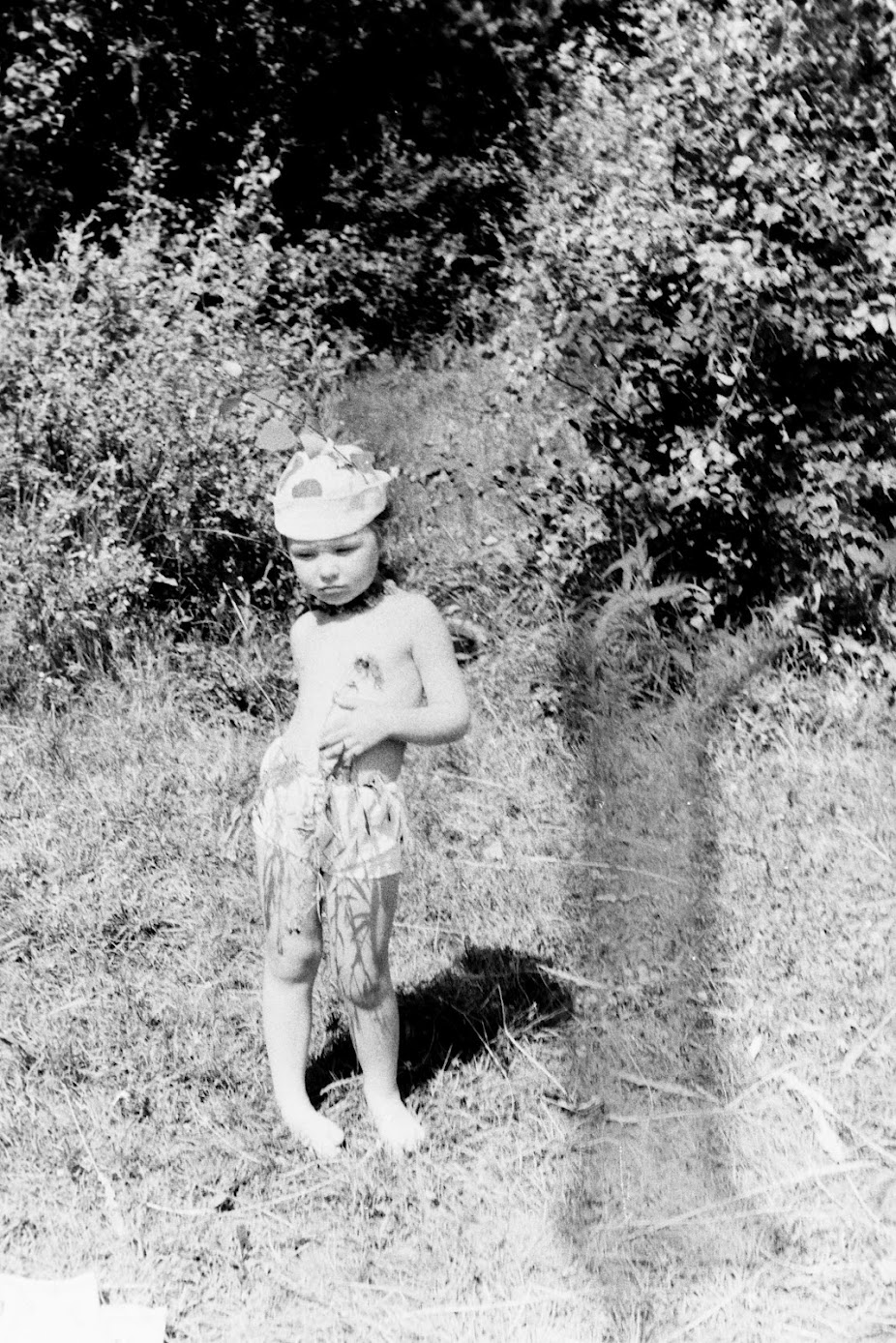
I was obsessed with Indians. A children’s comic books series, Cheerful Pictures featured a group of diverse characters, including the Indian Chief Va-a-tu-re. He was the best, and I loved all about him. There was no way for me to replicate his costume, but mom helped me decorate myself with small tree branches, flowers, and leaves and make my silhouette resemble the one of Va-a-tu-re

Continue reading “Summertime in 1967”

1966 – Life Goes On

Some time ago, one of my friends mentioned “a season of watermelons.” My first reaction was, “Is there really such a thing as a season of watermelons? Aren’t they always available? And then I remembered! During my childhood, the season of watermelons was a thing. 

Previously, I mentioned the concept of “deficit” in the Soviet Union: anything, which was not available in the stores at any given moment. Anything you had to “look for,” “procure,” “get”. Which meant – most of the things.

Watermelons were grown in the Southern part of Russia, mainly in the delta of the Volga River, in the Astrakhan region. They were ready to be harvested in August-September, and that was the watermelon season. It was impossible to buy a watermelon anytime outside this timeframe. 

Watermelons were not sold in the stores. Here and there, on the streets, “watermelon cages” emerged. Inside these cages, watermelons laid on the ground. Customers stayed in long lines, as in any other case of “deficit.” When your turn comes, you are allowed inside the watermelon cage, and you can walk around and pick a watermelon or two, and bring them to the scales, then pay for them and take them home.

Although my mom says that Baba Ania was not allowed to show up in our apartment on Galernaya Street, I remember that she was sometimes visiting. And one of these times was the day of the Watermelon story.

I don’t even remember staying in the line that day; most likely, we were fortunate, and the line was not that long. What I remember is that we were carrying it home, or rather Baba Ania carried it, and I was gingerly skipping alongside her. And the next thing I remember – a watermelon on the asphalt. It was ripe. It was red inside. But at least half of it was broken into small pieces.

I do not remember how Baba Ania managed to collect most of these parts. But I remember sitting in our giant kitchen, while the broken watermelon is sitting in the middle of a table in front of me. Baba Ania put some broken pieces on the saucer, and I was eating them with a spoon – a deficit should not be wasted!

***

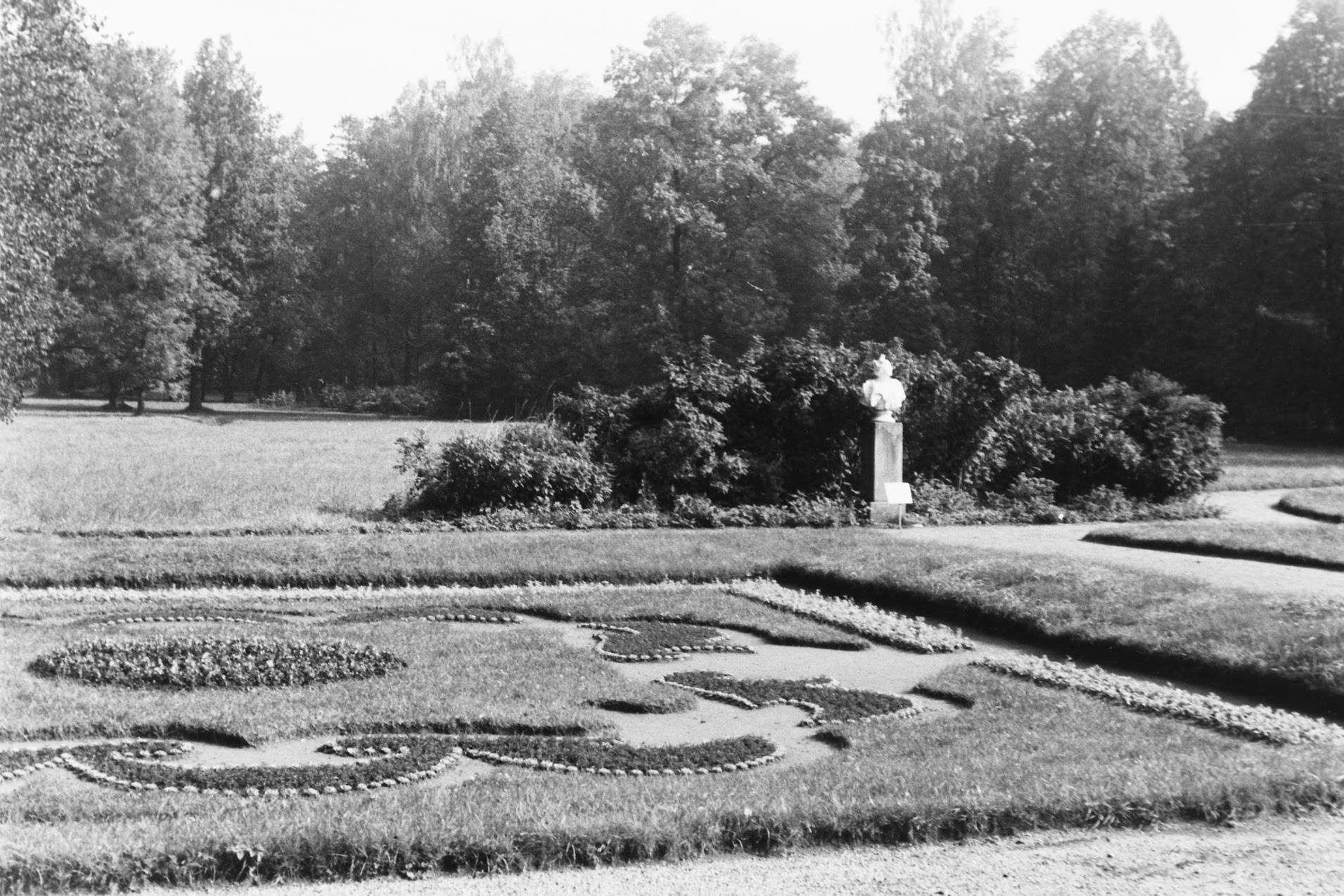
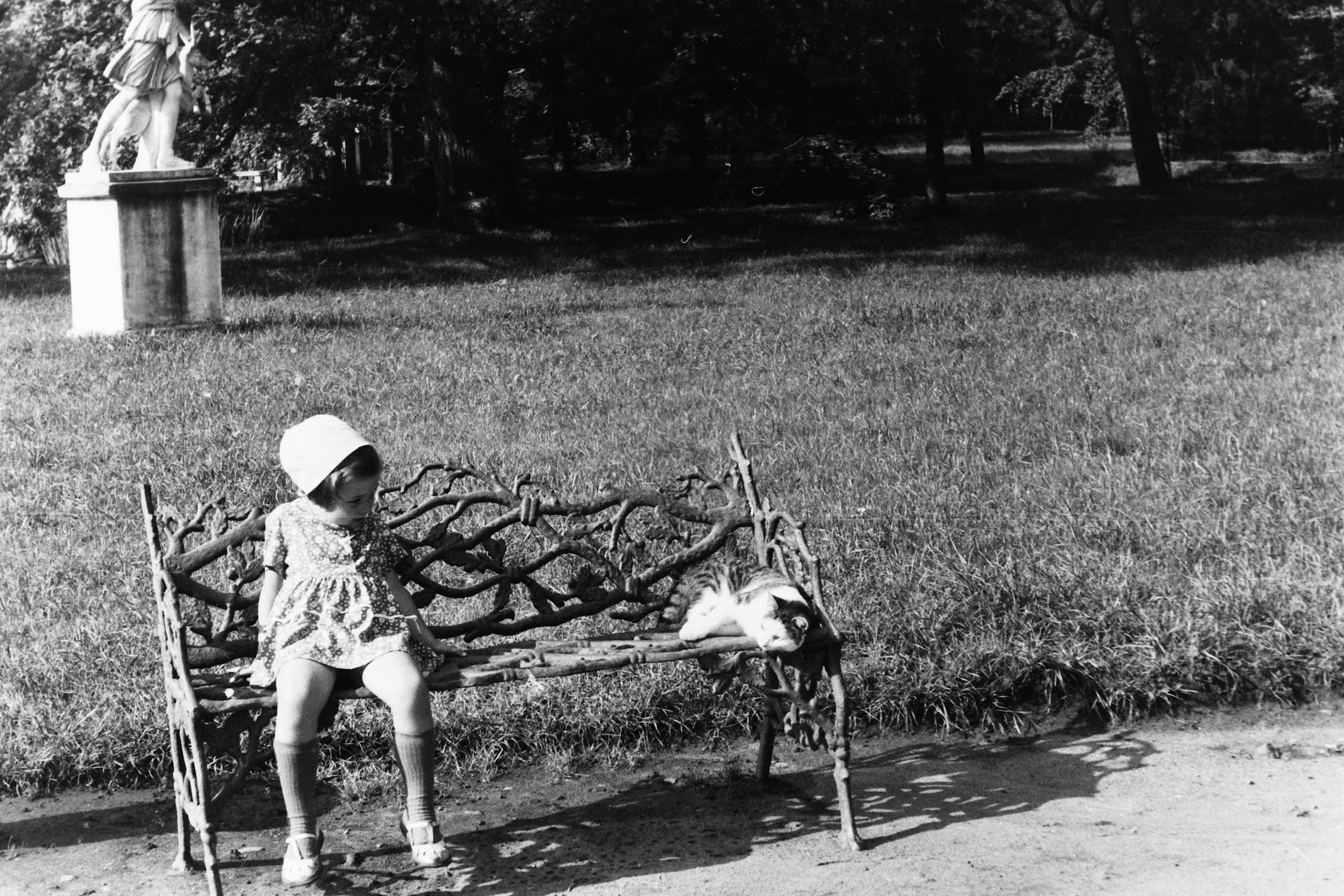
Once again, there is a huge gap in the line of photos. Here are several pictures all taken one afternoon at Alexandrovskiy Park. and at the nearby Dvortsovaya Embankment. I can’t imagine what would be a specific reason for taking pictures on that day. No relation to the story, except for it’s September, a watermelon season. Most likely, about a year later than the Watermelon Story.

Continue reading “1966 – Life Goes On”

Children’s Hospitals In The Soviet Union

Some time ago, a fellow blogger mentioned staying in the hospital with her son, who got severe burns. I commented that I remember how I was coming to the children’s hospital every day when Igor had his eyes surgeries. I felt that a short comment was not enough to describe the difference and thought I should write more about this story.

Igor had severe nearsightedness from birth, and when he was four, the ophthalmologist told me he needs scleraplastic surgery. Even now, I can’t tell whether it was necessary. Here in the US, nobody heard about this surgery. But I was told that he absolutely has to have it; otherwise, he may go blind.

Before I proceed, I need to explain several things about hospitals in the Soviet Union. First, the patients would stay for a long period. Here, if you had surgery and no complications and concerns, you will be dismissed in a couple of days to recover at home. Also, you do not need to come to the hospital “in advance.”

However, back in the Soviet Union, a person, regardless of their age, would be admitted a week before the surgery “to get ready.” I am not sure about the rationale behind this practice. Were the doctors afraid of infections? Still, it seems completely unreasonable.

Continue reading “Children’s Hospitals In The Soviet Union”

A Flash Of History

All the letters were dry by yesterday except for about ten or fifteen. I had to through away these because more than 90% of the text was non-readable, and I suspect that after the subsequent inspection, I will have to though away more. 

The process took more time than I could imagine, and this week, it was more difficult than ever to find extra time. I thought that I would at least sort the dry letters by the addressee, but I didn’t have time for that either. I opened and reread some of the letters. Many envelopes appeared sealed because of the moisture, and I had this weird feeling that I open them for the first time.

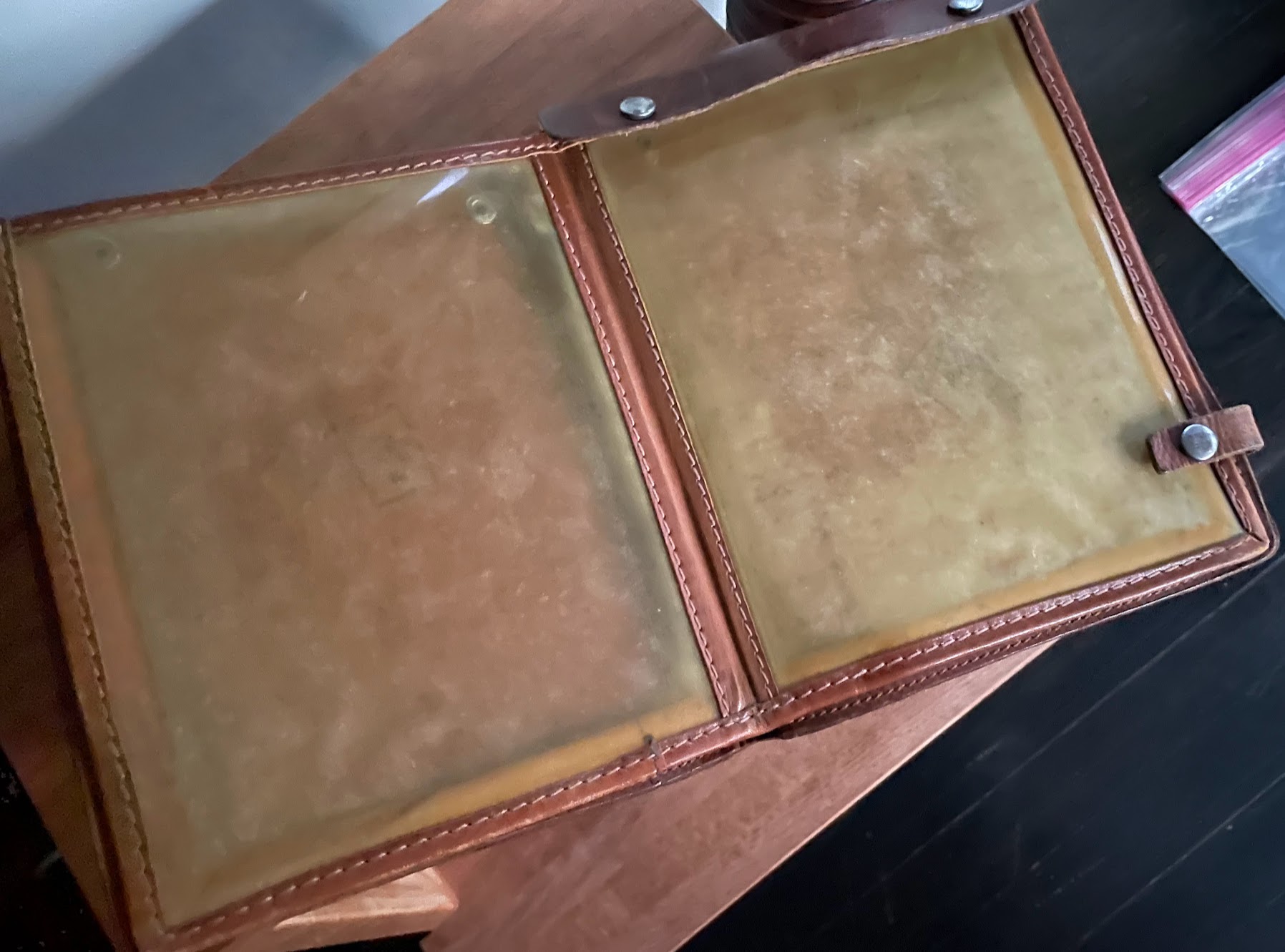
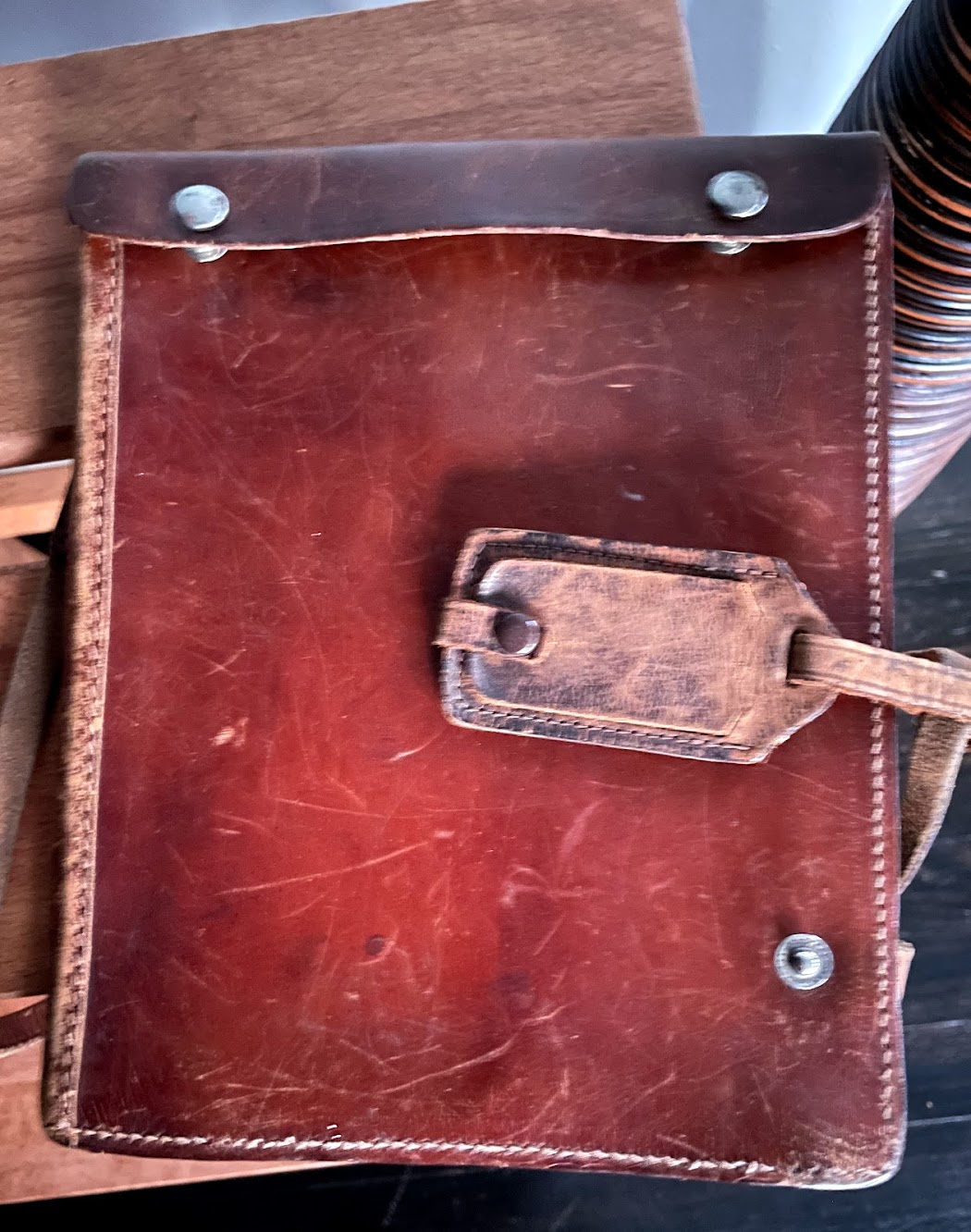
In addition to the letters, almost all of my diaries were in the same box, so they also suffered some damage. And also, this box contained the Commander map case or tablet (komandirskiy planshet), an object of envy and desire for any kid I knew. Made of the highest quality leather, water, heat, and other elements-resistant, it was the coolest thing you could imagine.

I was given it to play when I was about nine or ten. I had an imaginary country where I was a ruler, and I used this case to carry Very Important Messages.

I was told that it belonged to my grandfather, but back then, I didn’t pay attention. Later I thought that probably that was a family legend because I could not imagine anything of his belongings could survive, especially this particular piece. I remembered that I knew it when I was a kid, but I forgot why. 

After all, there were other military people in our family, and although I kept and treasured this map case, I was sure it belonged to the post-war times.

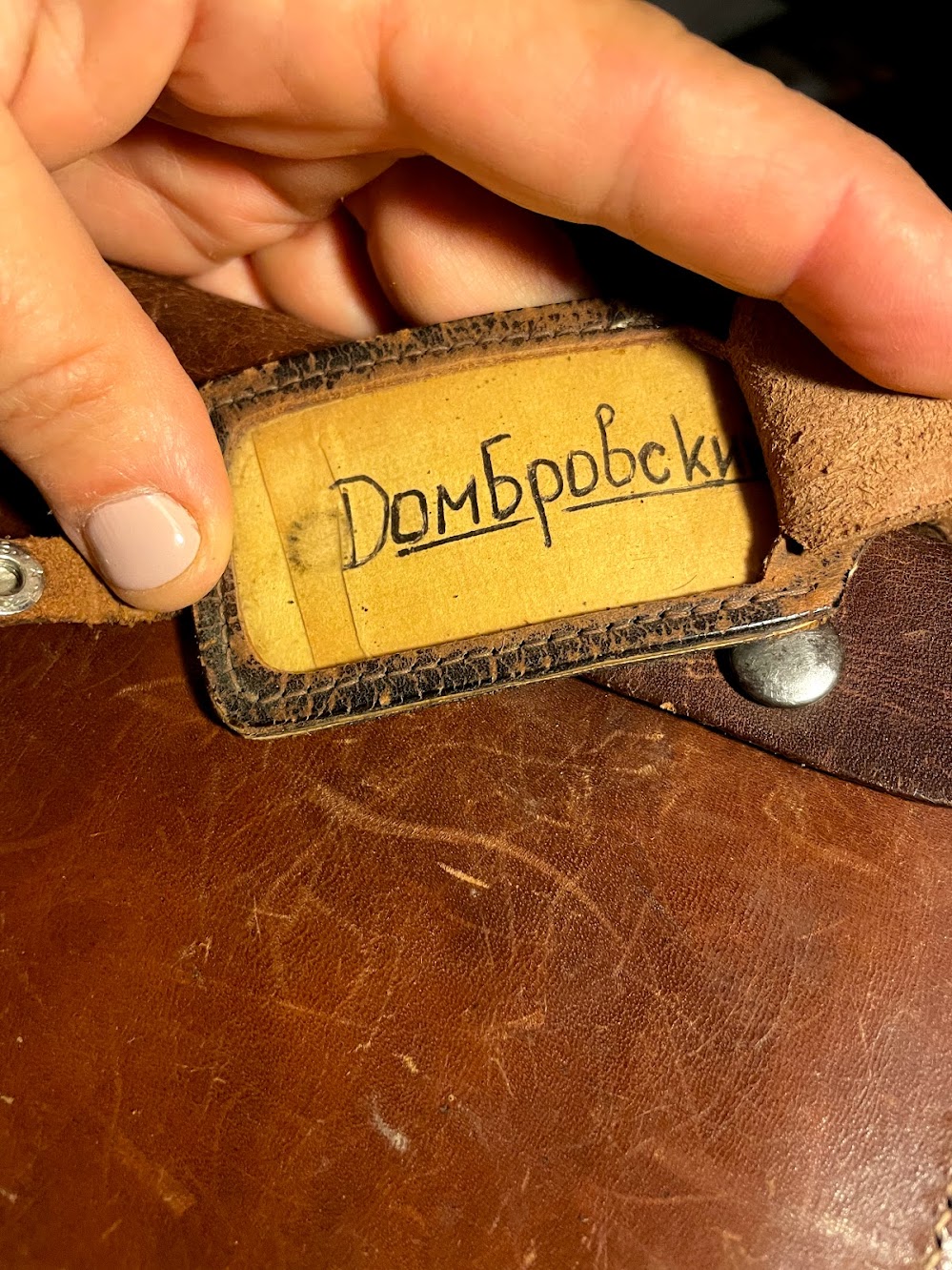
I also forgot that it had a name tag with the name covered by the leather flap. When I unbuttoned it, it saw my grandfather’s name there!. And then I remembered why I was sure that this map case belonged to him: the paper with the name is sewed it, and you cant replace the name without tearing the tag apart. Now I remembered why I never opened it again after the initial discovery: I could not replace his name with mine 🙂

Anyway, this was surreal. When I told Boris that the case is in remarkably good shape and I do not see any tear even in the parts which are usually worn out, he said: you know, it was not a long time when it was in use… 

July 1966

It has been several months since I last wrote a historical post. I moved and got settled, so there are no more excuses. I am going to continue from where I stopped back in March – summer 1966.

It is summer again, and I live in Sosnovaya Polyana with Baba Ania and Deda Fedia. And once again, most of the pictures are taken by my father. It might be that it was the only time that summer he visited.

My parents were already divorced by then, but I do not remember that something changed drastically in my life. My father was on and off by that time; the late-night fights continued, though less frequently.
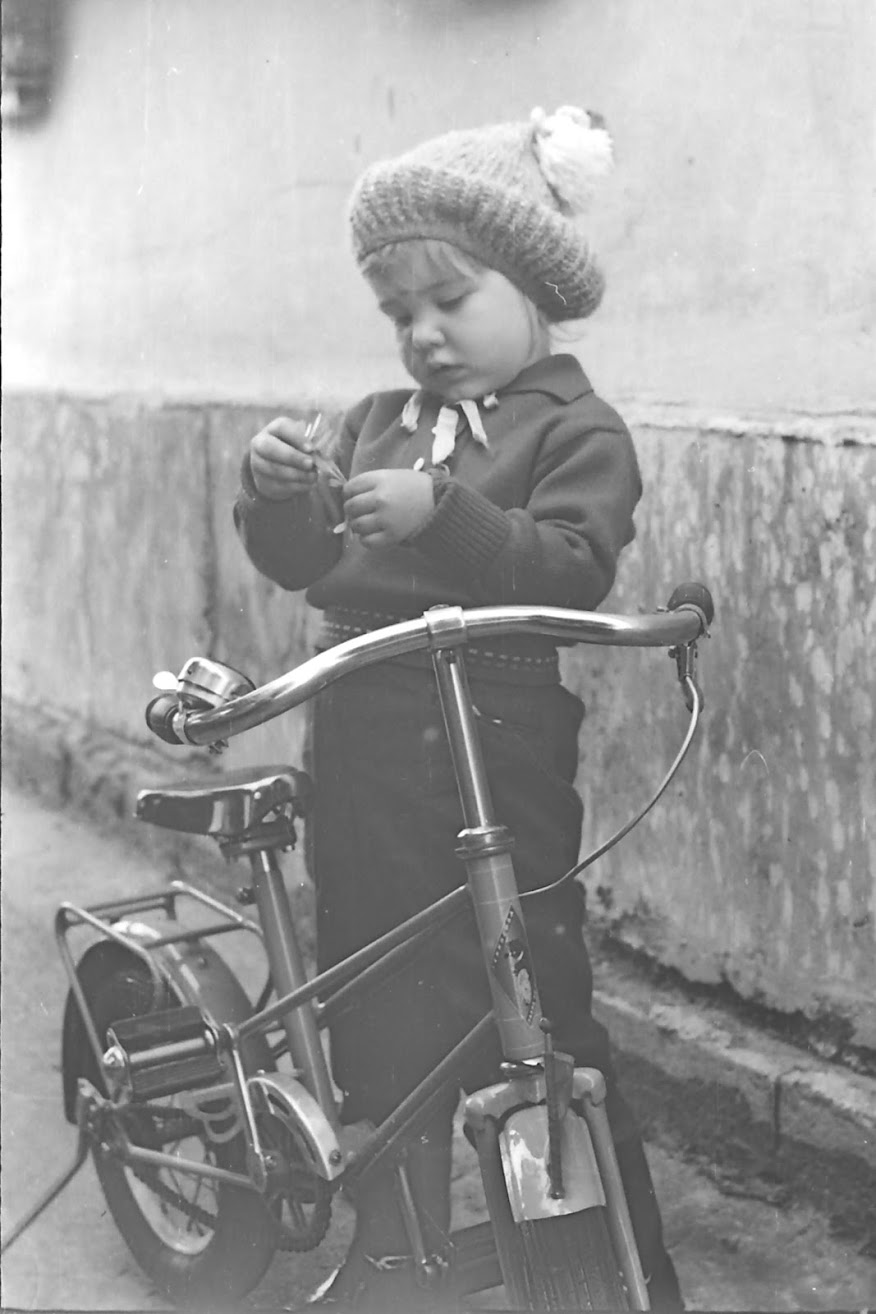
I am assuming that it was my father who bought me a bike. A bike had training wheels, and I never learned to ride a regular bike when I was a child. Believe it or not, I only learned to ride a bike in the US after both Vlad and Anna learned it.

But here I am, happy on my four-wheel bike :).

Continue reading “July 1966”

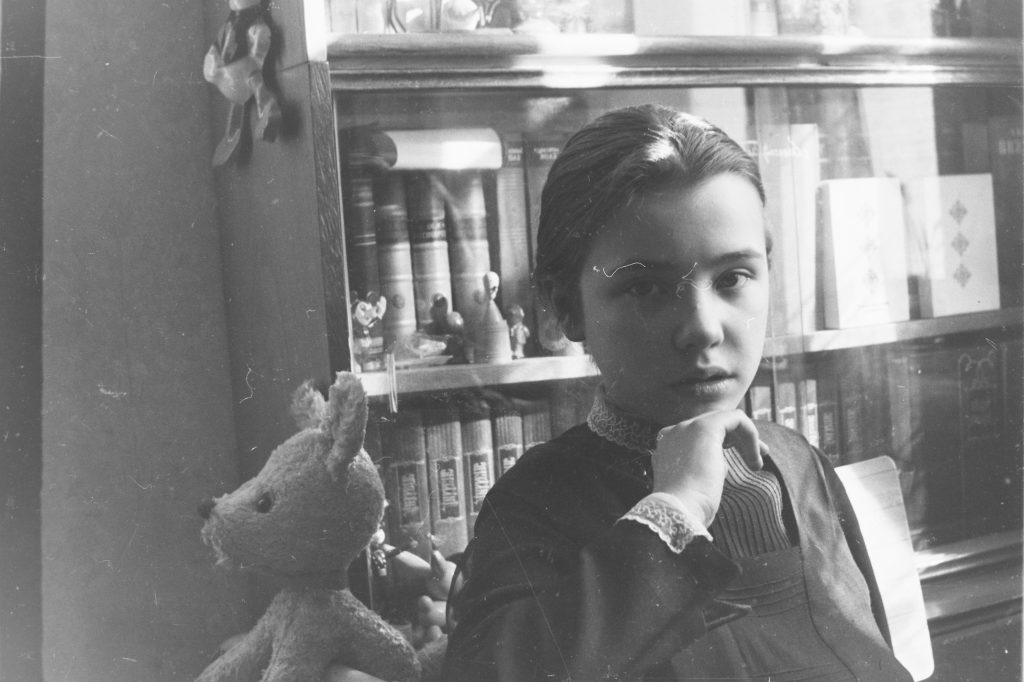
School Uniforms In The Soviet Union

The other day, mom forwarded to me a video she received from one of her Russian friends. The video was nostalgic in a horrible way. 

The background song declared that the best time in Russian/Soviet history was the 1970s, and the singer wanted to travel in time to get to that moment in history. 

The video featured the girls in the school uniforms with huge bows in their hair, young pioneers in red ties, old-fashioned ice cream, and lots of old propaganda pieces. All together looked pretty horrific, so when mo asked me how I liked it, I had to tell her the truth. Then she would go: well, these girls in uniforms with huge bows weren’t they cute?

I asked her: mom, do you remember the deal with these uniforms?? Most girls hated it because they were out of style or just plain ugly. But there was something else. Can you imagine that we had to wear the same dress for months without washing?!

Yes, you would always get only one dress for the school year. It was made of brown wool so that the dirt won’t be visible. But then, you were not supposed to wash a woolen dress because you would ruin it; you were supposed to take it to the dry cleaners, which would take at least a week. Now that I am thinking about t, t is possible that sometimes we would wash the dress at home, but then t would also be very infrequently.

What I remember clearly is how I was refreshing the dress every Sunday.

First, there was a white collar and white cuffs, which I saw on Sunday evening, and then rip off at the end of the week to hand-wash and iron and sometimes even starch.

We always had pieces of old cotton linen in the house to use for steaming the clothes. I would take one of these pieces, wet it, place it over each underarm part of my dress, and press with a hot iron. This procedure would help to eliminate the smell of sweat. I would also steam the back of the dress, which was always wrinkled from sitting.

Later, the cuffs were dismissed, and the collars were most often made with synthetic lace, so caring for them became easier. When I was in high school, they finally let the aprons go (before that, there was a black apron for every day and a white apron for occasions). 

I forgot all about that underarm business until I saw that video!

My beautiful picture

My historical posts are being published in random order. Please refer to the page Hettie’s timeline to find where exactly each post belongs and what was before and after.

Spring 1996

I am trying to figure out the exact time these pictures were taken and can’t figure it out. I know that the year is 1966, but as I’ve already mentioned, I could easily wear the same clothes outside for six months in a row, because that was all I had.

In winter 1965/66 I got a fur coat made of black rabbits fur. That was the most common fur for the children’s winter coats. But it looks like I wore it almost until summer.

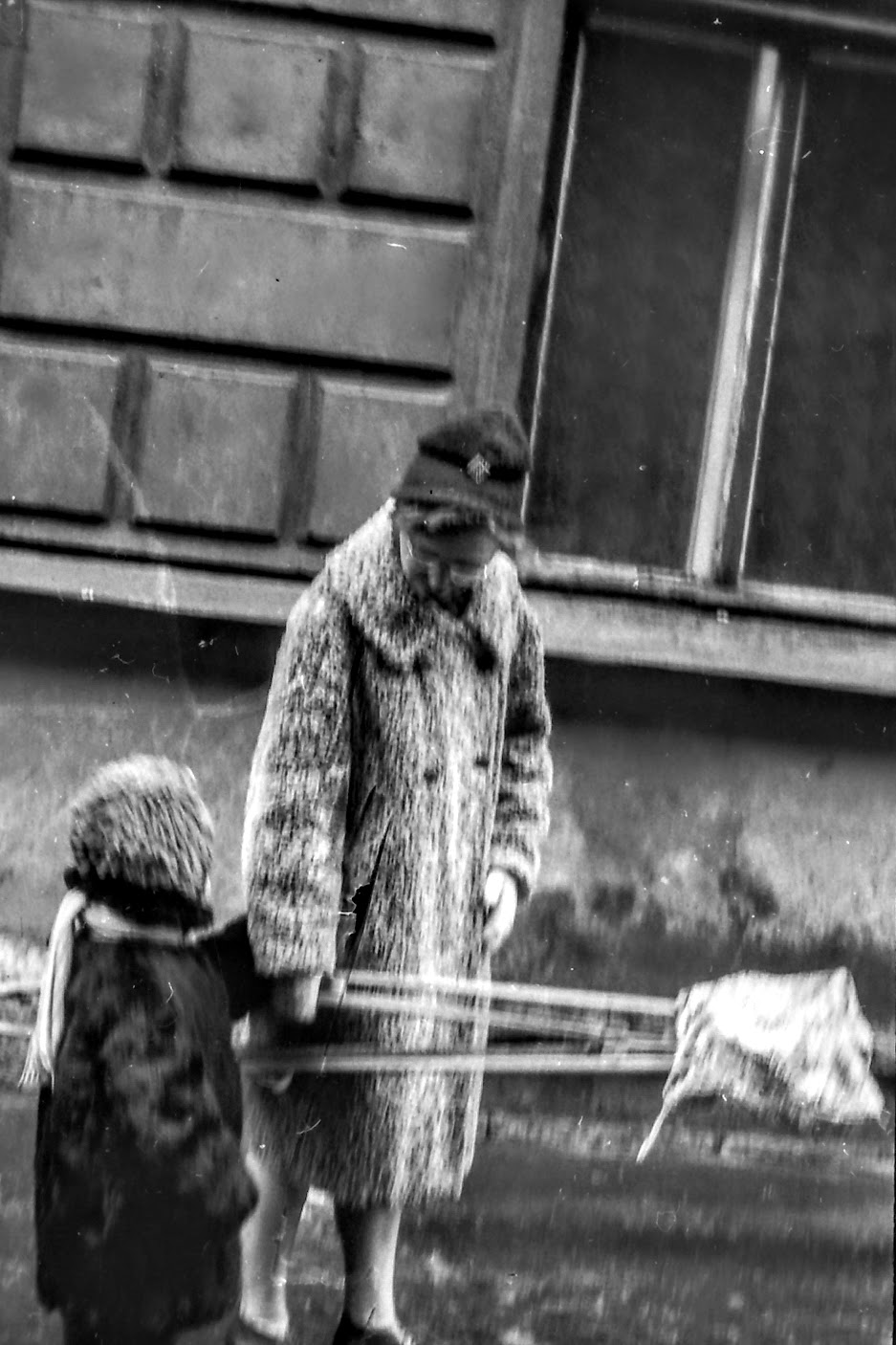
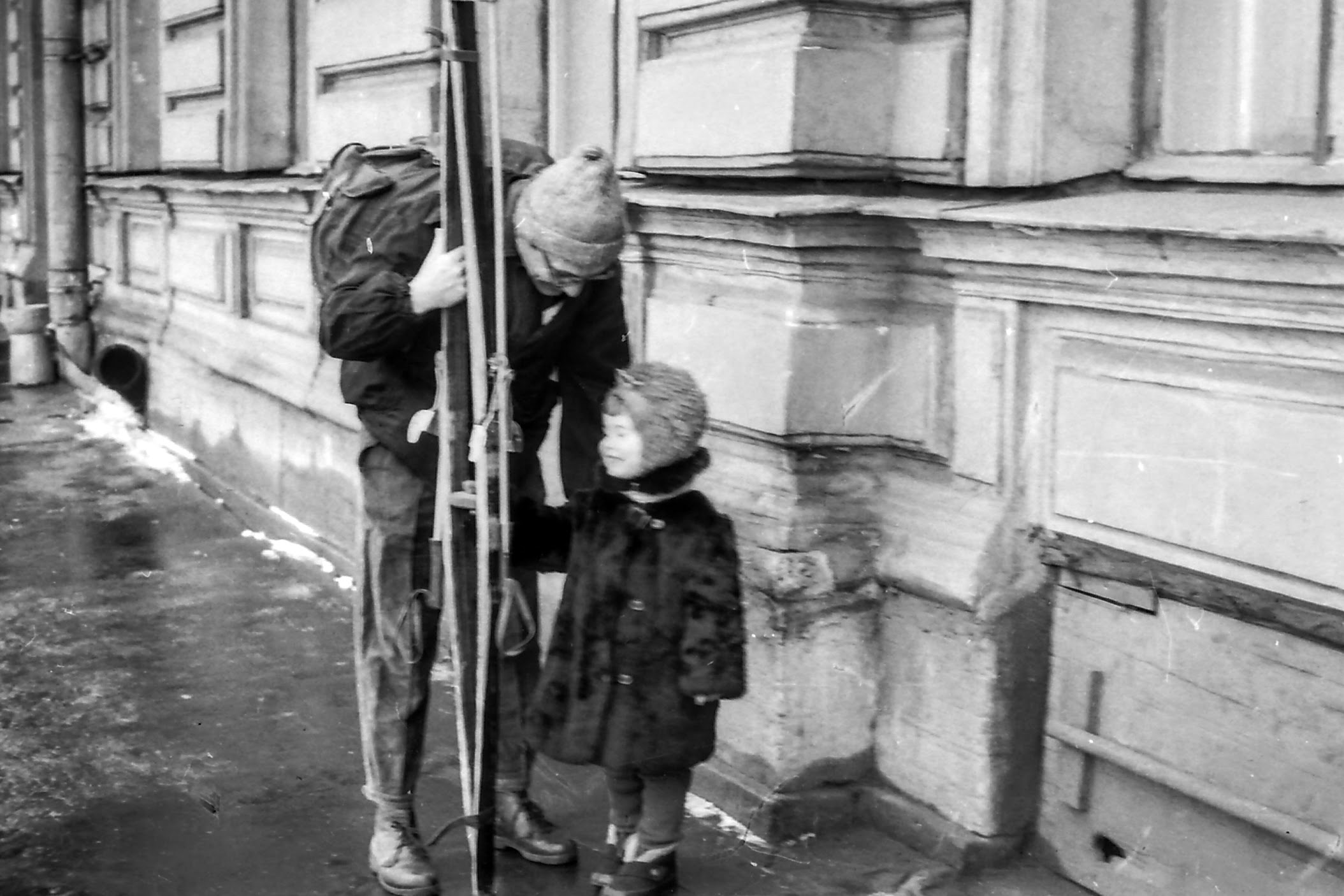
The pictures with my mom and I following my father to the tram stop with his skies must be taken in March. In March, there was usually a lot of snow to the north of Leningrad. My father is carrying a rucksack, so he must be going for a multi-day ski trip. All sort of “tourism” or rather hiking was very popular in the 1960s in the Soviet Union, and my mom would complain later that my father would always disappear when she needed his help.

Continue reading “Spring 1996”

1965-1966: Discovering Myself

It was one thing that since 1965 I remember my life as a sequence of events. Another thing that happened during the same year was my realization of myself being a person: one of many and unique because this person was me.

Strangely, I was ashamed of these thoughts and never told my mom about them. Also, these thoughts made my head spinning, quite literally. I felt lightheaded when I thought about that for a too long time, and that’s why I was trying to divert my thoughts in some other direction. 

That’s how it would go. It happened most of the time when I was outside, taking a walk with Nanny Katia, and saw other children walking with their parents or nannies. I thought: that’s me, and I have all these thoughts in my head, and now I speak to myself, and also I can see everything and everybody around me. That’s my “inside”, and all my thoughts and impressions and “inside.” But at the same time, on my walk, I meet other children. 

And for me, they are just “other children.” But for each of them, they carry their own worlds inside, and they look at me and see “me” as one of many other children. For each of them, they are the most important thing in the whole world. I imagined how each of these children had their thoughts and had their “I”‘s, and at that moment, my head would start to spin. I would start to repeat in my head: Who “I” am? What it means – “I”? What is “I’? What makes “I”? How come that I have the whole world inside me, and the whole world exists as long as I can see it and touch it? 

I remember that I thought that all these thoughts are wrong, and I should not think them :). And I was trying not to think them, and I never told anybody about them.

Now I am wondering whether all children have such thoughts when they start to form their “I” and distantiate it from the outer world. When they realize when they have their thoughts and that the world exists as long as they can see, feel and touch it.

…. And you know what? Fifty-six years later, it still feels like a miracle: the fact that “I” exist, snd that everything happens with “me.” And I am a participant and an observant at the same time.

Summer/Fall 1965

These photos are from the same films as the ones with Nanny Katia from the previous post. Last week, when I started to look at them closely and to do some minor editing, I realized the strangest thing: there were way more photos of Nanny Katia than I remembered.

I’ve mentioned earlier that my mom didn’t print any photos where I was together with my father. That way, I remembered way less of him than I should have. This film is not an exception. There are several photos of my father and I where we are playing ball. I think, he id trying to teach me some soccer 🙂

Continue reading “Summer/Fall 1965”

Red Parade In Chicago 1930

www.instagram.com/p/CMFypGNBe_y/

And we still don’t have 35 hour work week :((