How To Foster Diversity

Just published on my professional blog

Hettie D.'s avatarThe World of Data

Some time ago, I had a conversation about supporting diversity in academia. A person I was talking with asked me what concrete and specific actions would help increase diversity and give opportunities to individuals who can’t succeed in the academic world otherwise. For a while, I was thinking about a good answer. But the more I thought, the more I felt I need to answer another question first.

The question is,whydo we need diversity and inclusion? Many people genuinely believe that diversity and inclusion are buzz words, that it is “fashionable” to talk about diversity, or even worse, that this concept is invented by democrats, or lefts, or communists, or anybody else who corrupts our youth in the universities – you name it.

But the truth is that we all – we as a society, we as a country, we as humanity – all need to foster diversity.

View original post 480 more words

The Warsaw Orphan

For a couple of weeks, I was reading five different books simultaneously, and this week, I finished two of them. The first one was The Warsaw Orphan by Kelly Rimmer.

The last chapters of the novel were the most unexpected, and most touching to me. While I read enough literature and memoirs of people who survived the Holocaust and the Warsaw Uprising, the part I never understood was how the same people came to terms with the Soviet occupation and feel Poland being their country even under the Communist regime. I tried to understand it when I visited Poland, the country of my ancestors, in the late 80s and 90s. I read this novel as a story of the souls crippled by the horrors of the war, about healing, and rebuilding their lives in the less than ideal circumstances.

… And Music Again!

Just a week ago, I wrote about the live concerts, how much I missed them, and how I can’t get enough of them now. But today’s concert stands out even among this season’s excellent programs.
Today, Augustin Haidelich performed Sibelius Violin Concerto, and I do not have proper words to describe my emotions. I didn’t hear of this concert before, and it carried me away from the very first sound. I was so beautiful; I was barely holding tears after ten minutes of the performance.

The music was becoming more and more beautiful with every note. I felt as if my heart is going to explode.
I didn’t know that Sibelius dreamed of becoming a violin virtuoso but lacked the necessary motor skills. In the performance program notes, they cited one of the music critics:

Here is one of the ew concertos that speak Sibelius’s dearest wish to become a great virtuoso Every time this music is performed, the audience hears a love letter written to the violinist Sibelius was never able to become.

I felt it more like an orgy than a love letter, but I can wholeheartedly agree with the level of emotions :).

There was a standing ovation at the end of this piece, and Haidelich went for the encore.

I found multiple recordings of this concerto online.

1966 – Life Goes On

Some time ago, one of my friends mentioned “a season of watermelons.” My first reaction was, “Is there really such a thing as a season of watermelons? Aren’t they always available? And then I remembered! During my childhood, the season of watermelons was a thing. 

Previously, I mentioned the concept of “deficit” in the Soviet Union: anything, which was not available in the stores at any given moment. Anything you had to “look for,” “procure,” “get”. Which meant – most of the things.

Watermelons were grown in the Southern part of Russia, mainly in the delta of the Volga River, in the Astrakhan region. They were ready to be harvested in August-September, and that was the watermelon season. It was impossible to buy a watermelon anytime outside this timeframe. 

Watermelons were not sold in the stores. Here and there, on the streets, “watermelon cages” emerged. Inside these cages, watermelons laid on the ground. Customers stayed in long lines, as in any other case of “deficit.” When your turn comes, you are allowed inside the watermelon cage, and you can walk around and pick a watermelon or two, and bring them to the scales, then pay for them and take them home.

Although my mom says that Baba Ania was not allowed to show up in our apartment on Galernaya Street, I remember that she was sometimes visiting. And one of these times was the day of the Watermelon story.

I don’t even remember staying in the line that day; most likely, we were fortunate, and the line was not that long. What I remember is that we were carrying it home, or rather Baba Ania carried it, and I was gingerly skipping alongside her. And the next thing I remember – a watermelon on the asphalt. It was ripe. It was red inside. But at least half of it was broken into small pieces.

I do not remember how Baba Ania managed to collect most of these parts. But I remember sitting in our giant kitchen, while the broken watermelon is sitting in the middle of a table in front of me. Baba Ania put some broken pieces on the saucer, and I was eating them with a spoon – a deficit should not be wasted!

***

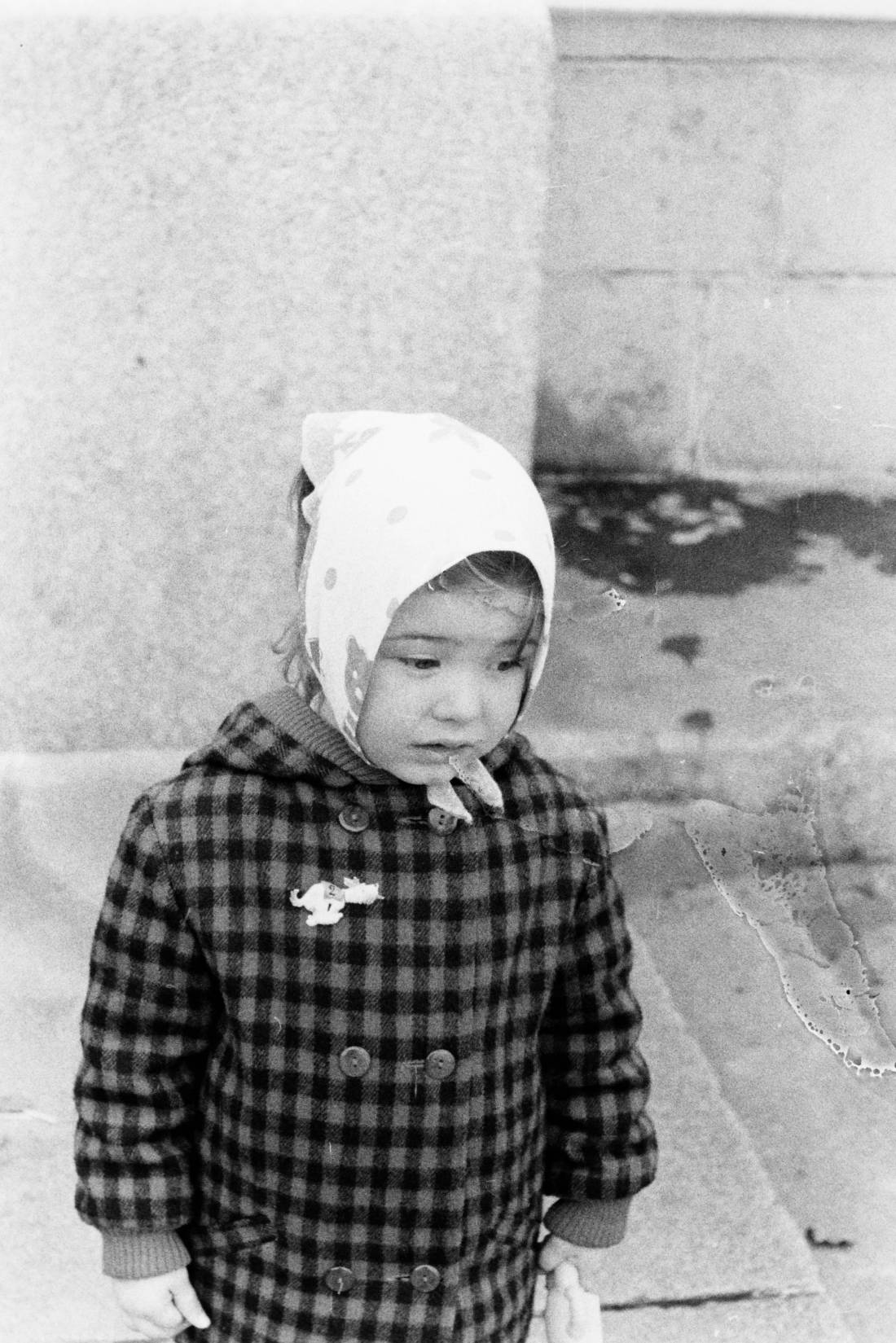
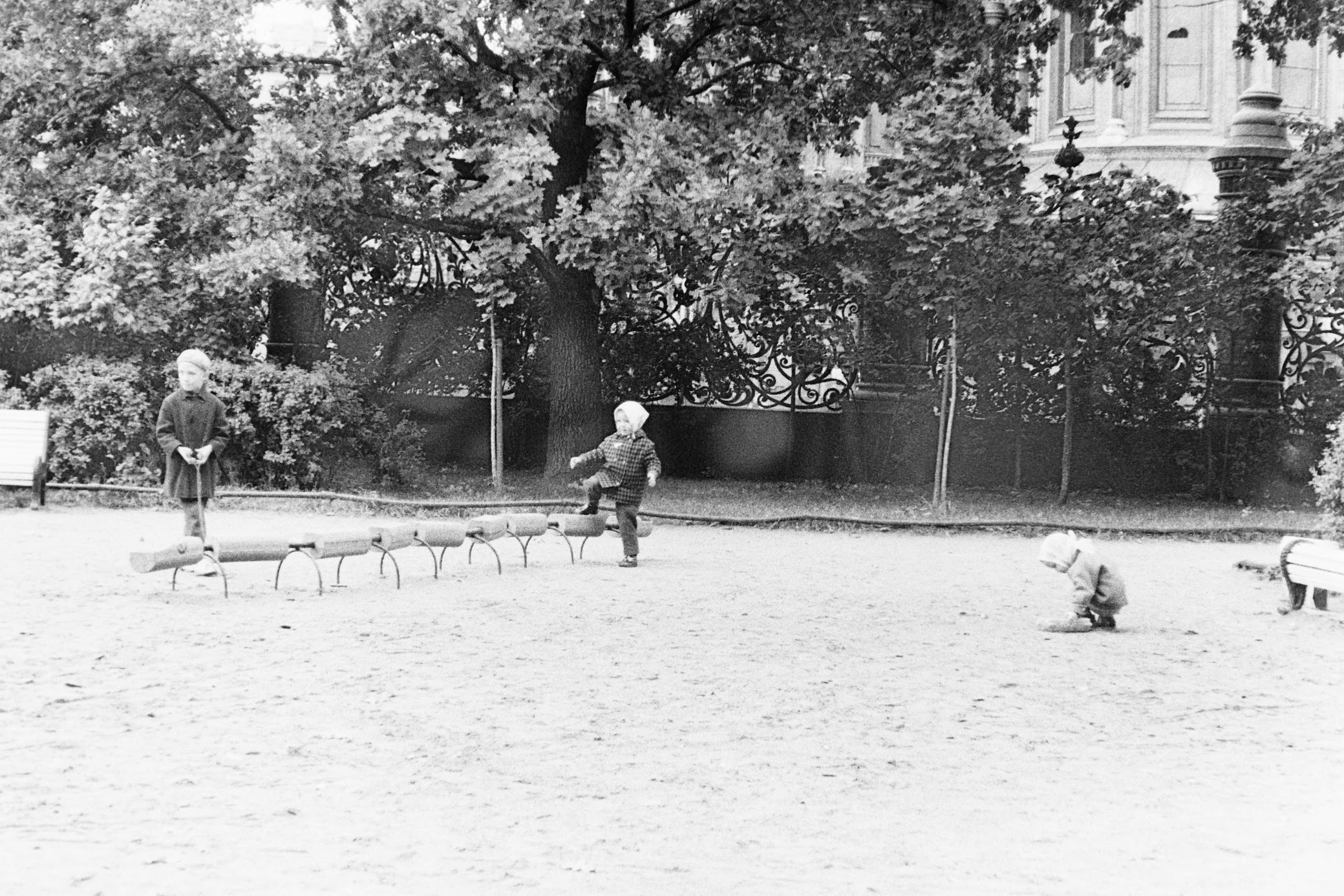
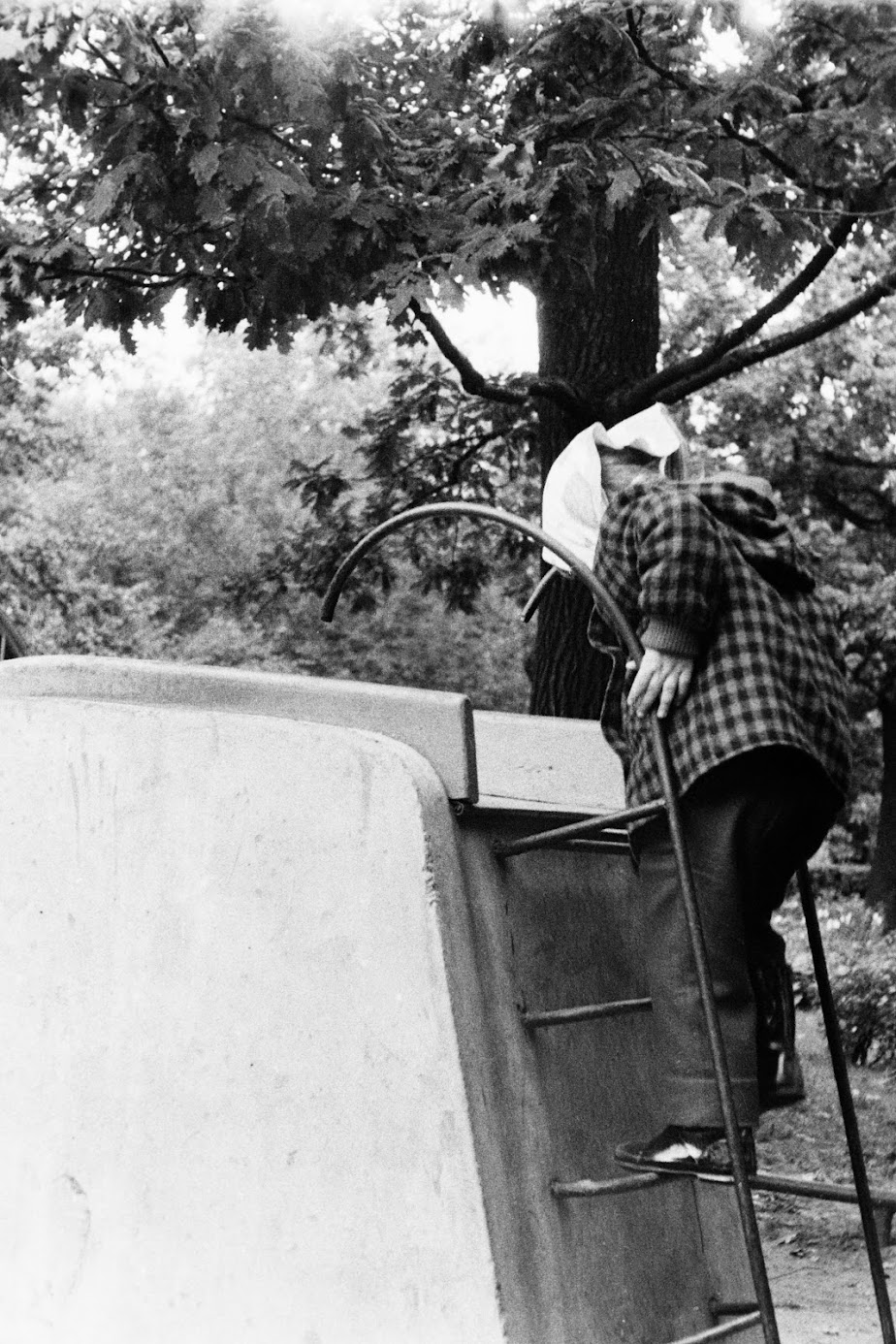
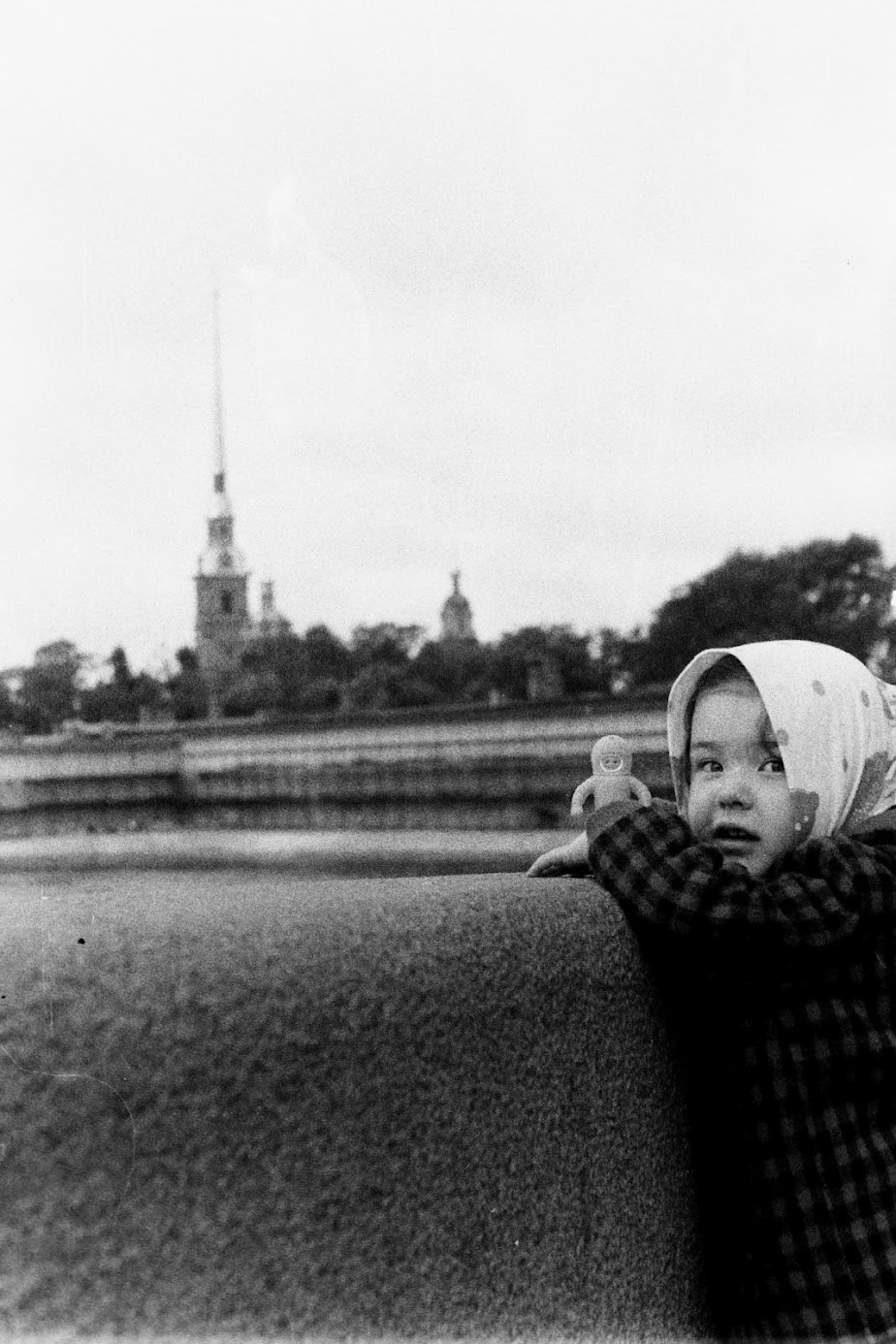
Once again, there is a huge gap in the line of photos. Here are several pictures all taken one afternoon at Alexandrovskiy Park. and at the nearby Dvortsovaya Embankment. I can’t imagine what would be a specific reason for taking pictures on that day. No relation to the story, except for it’s September, a watermelon season. Most likely, about a year later than the Watermelon Story.

Continue reading “1966 – Life Goes On”

Homelessness

www.instagram.com/p/CSLKFaJLeip/

The Siskel Center Reopening

The Siskel Center is opening tomorrow, but they had a sneak preview of one of the movies yesterday – free for the members.

Both Igor and I signed up, not for this particular movie but for the sake of being a part of reopening. 

Yesterday morning, the Siskel Center sent out an email saying that they need to limit the occupancy of the theaters to 50% of capacity and that some people who already signed might not be able to attend. 

They didn’t tell us when the doors will be opened, so when Igor and I stopped to check out the situation at 5-50, there was already a small line:). 

Long story short: we believe that everybody who came was seated after all, and we didn’t have to come over an hour in advance. 

As for the movie itself – I am not sure what to make out of it. We both agreed that we would rather have some other movie for the opening night. For me, it felt like a waste of time to spend two and a half hours stating that one shall not kill, that jealousy is bad and that the child’s talents should not be exploited. And all of that with some creepy elements. 

But I will let more cinematography-wise people decide.

The movie: Annette

Visiting Michigan

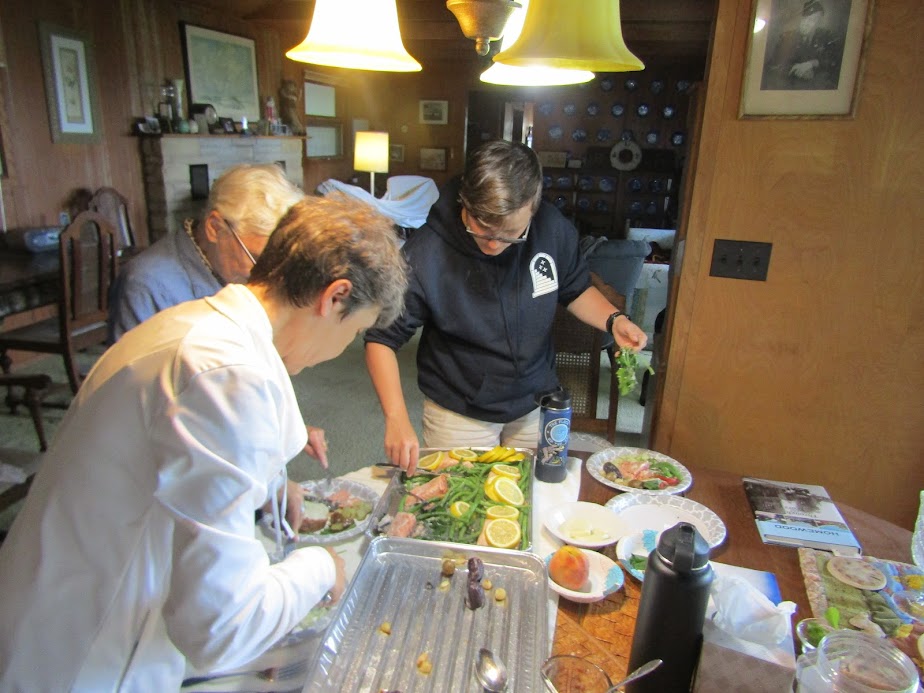
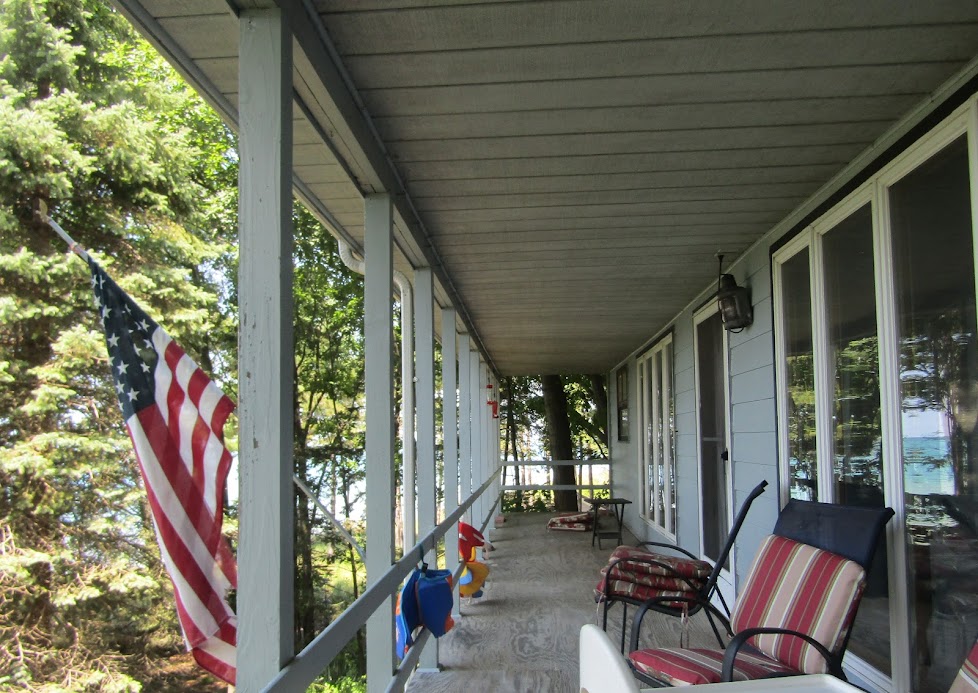
Over the weekend, I was at the beach house of my son-in-law’s family. His mother was trying to organize this trip for a very long time, and each time, something didn’t work. We finally made it, and I was also able to convince my mom to go. The weather was absolutely perfect- very warm and sunny, but not too hot. There is a real forest surrounding the house, and the water is as clean as it can be. Of course, that also meant more time with Anna, John, and the girls.

Continue reading “Visiting Michigan”

The Night Ministry: What Can We Do Better?

Last Tuesday, I participated in a focus group for the volunteers for the Night Ministry. Two days later, I was at the ODS making dinner for a suddenly shrunk population. I was chatting with the volunteer coordination and other staff members in the process, and it seemed like a continuation of Tuesday’s focus group.
One of the questions we were asked was the following: suppose the Night Ministry would have unlimited resources, how should they be allocated? What would you do first?

My response was that the staffing is the most critical part. It’s not much that volunteers can do without the support of the staff. I know what a difference it makes in the residents’ level of participation depending on who is covering the shift. The staff turnaround is high. In some cases, it might be good when the people who do not have genuine compassion and willingness to work with the youth leave. However, I think more efforts should be made to attract and retain the best people who can make a meaningful difference in the lives of the youth. It would be great if the program would be expanded and serve more young adults, but even with hypothetical unlimited money for salaries and training, the right people are not easy to find. During our conversation in the shelter, we recalled some periods when we had people on staff that should not be there in the first place. And we recalled some young individuals with a lot of potentials, which required a lot of attention from the staff.

We started to talk about the youth we met in the shelter, and it was a long list! We wondered whether everything turned out fine for them and whether they were able to stay on their jobs and not end up on the streets again.

That’s another thing I talked about during the focus group. I know that the youth who graduate from the program want to forget about that period of their lives. I remember one girl telling me: I am very thankful for the program, but I cant’ wait to get out of here!

That means that most of the time, former residents do not want to come back and let us know how they are doing. I think it would be great to have some social services that would allow us to follow up with the program graduates and help them with their everyday challenges. Even for a successful young adult, settling in their first apartment and figuring out the budget is not an easy task. The support should be flexible and should not stop abruptly after a person receives their apartment keys.

During the focus group, one of the volunteers mentioned that the training was great, but then when he went on the field for the first time, it was hard because he could not establish any contact for a while. I told him that nothing was wrong with him, that it’s all expected, and if anything, I believe the training should be adjusted to explain to the new volunteers that the transition is difficult. Later in the shelter, we talked about some volunteers who come with the firm belief that they are doing other people a huge favor and want to “share their wisdom” with even asking whether anybody is interested :).

So, why did ten people had to leave the program just the day before I came? Because they were involved in major misconduct (I do not want to share any details, even anonymously). And here is another question: yes, the rules are the rules, and it is essential that young adults who want to participate in the program follow the rules. And if they don’t, it means that they are not ready. But how can we help these young people to get ready to make changes in their lives? And is it even possible?

I do not know that, but I will be in the shelter again next week, and I hope that it will make at least a little bit of a difference in somebody’s life.