We returned to Tallinn at 8 PM and had a very late dinner at Pepper Sack:


On family history, parenting, education, social issues and more

We returned to Tallinn at 8 PM and had a very late dinner at Pepper Sack:
If you wonder when I have time to read with everything going on in my life, the answer is that about 70% is listening to audiobooks, and most times, I listen while doing something, whether it is exercising, cooking, folding the laundry, you name it.
The Last Green Valley took me a long time to read, and that was one of the rare occasions when I did a synced reading/listening. I finished it a couple of days ago, and I am still under a very deep impression.
This book is just brilliant! It’s really impressive that somebody who does not have ethnic roots in Ukraine could present this story of struggle and survival with such compassion and understanding. Not a single false note!
The book was one more eye-opener for me – I never viewed these historical events from the perspective of ethnic Germans trying to escape the advancement of the Red Army. Lots of details were completely unknown to me, yet I can see how they fold into the big picture. The whole story sounds completely unbelievable, and it comes as a surprise at the end when you learn that it was based on a true story of a real family. When I hear stories like this, I feel that my own life is completely dull and uneventful. I know I will be thinking about this story for a long time, and possibly I will write more about that book.
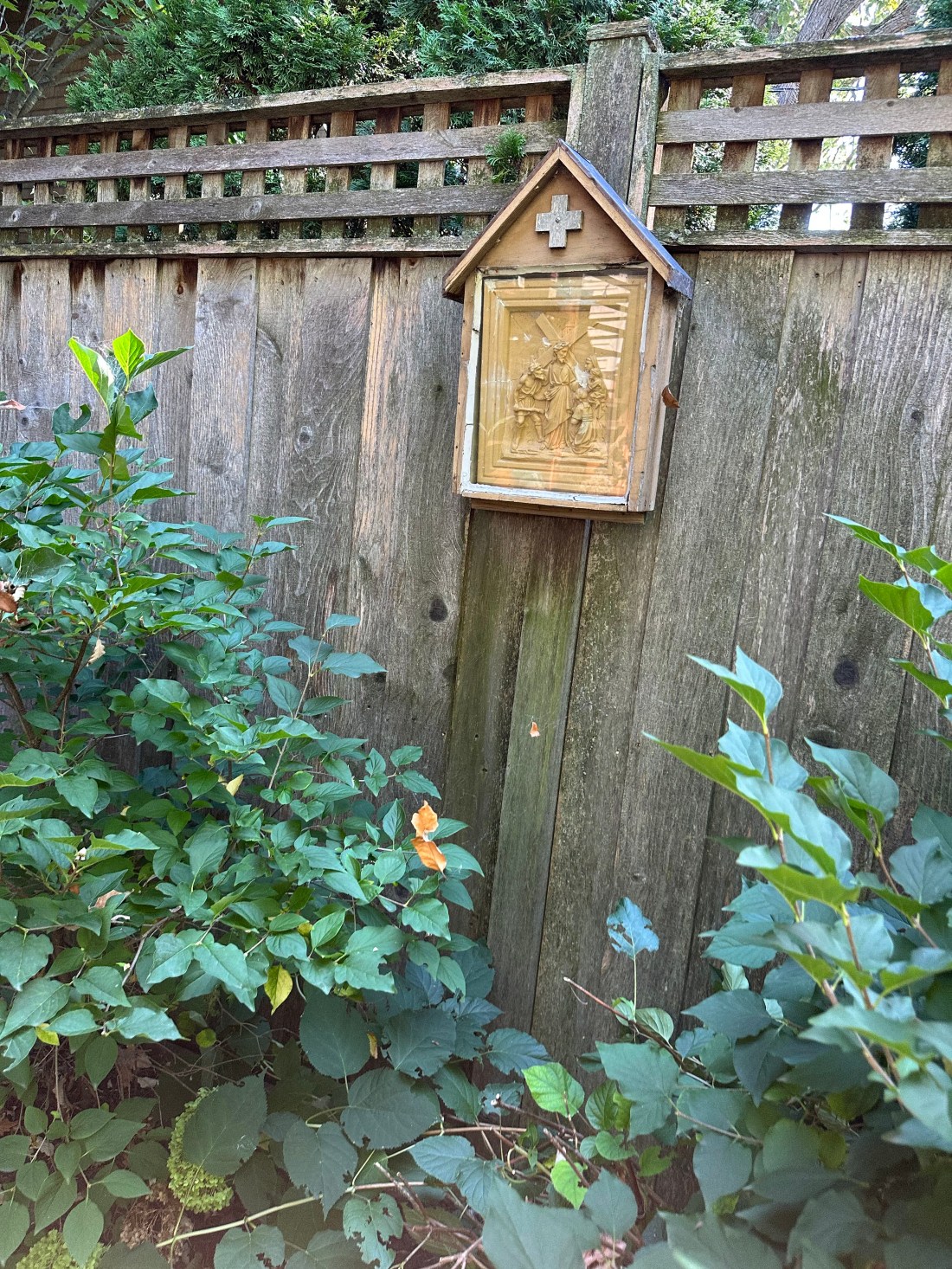
I only briefly mentioned the Historic House Walk in which I participated on Sunday, and I wanted to show more pictures and tell more about it.
When I moved to Rogers Park, I saw that the Historical Society was just across the street from my house, but at that time, it seemed to be still “closed for the pandemic.” Then, there were so many things going on in my life that although I was still curious about the Rogers Park history, it was just “yet another thing” that I would get to “at some point.”
Then I visited the Historical Society website and realized that they are already doing many interesting things, and I am missing out. I subscribed to their newsletter and finally started to learn about tours and presentations. Most times, it would turn out that the timing does not work for me, but for the Historic House Walk, it worked! I joined the society and paid the fee for the Walk, and on Sunday at noon, I was there!
This year’s House Walk featured several houses in the Peterson Woods (I forgot to mention that the Historical Society covers both Rogers Park and West Ridge).
All the houses were very interesting and worth seeing, but I liked less the houses where the new owners made a lot of renovations, no matter how awesome these renovations looked. I liked it way more when the owners preserved the old windows and trim, opened the covered stained glass, and restored the original tiles.


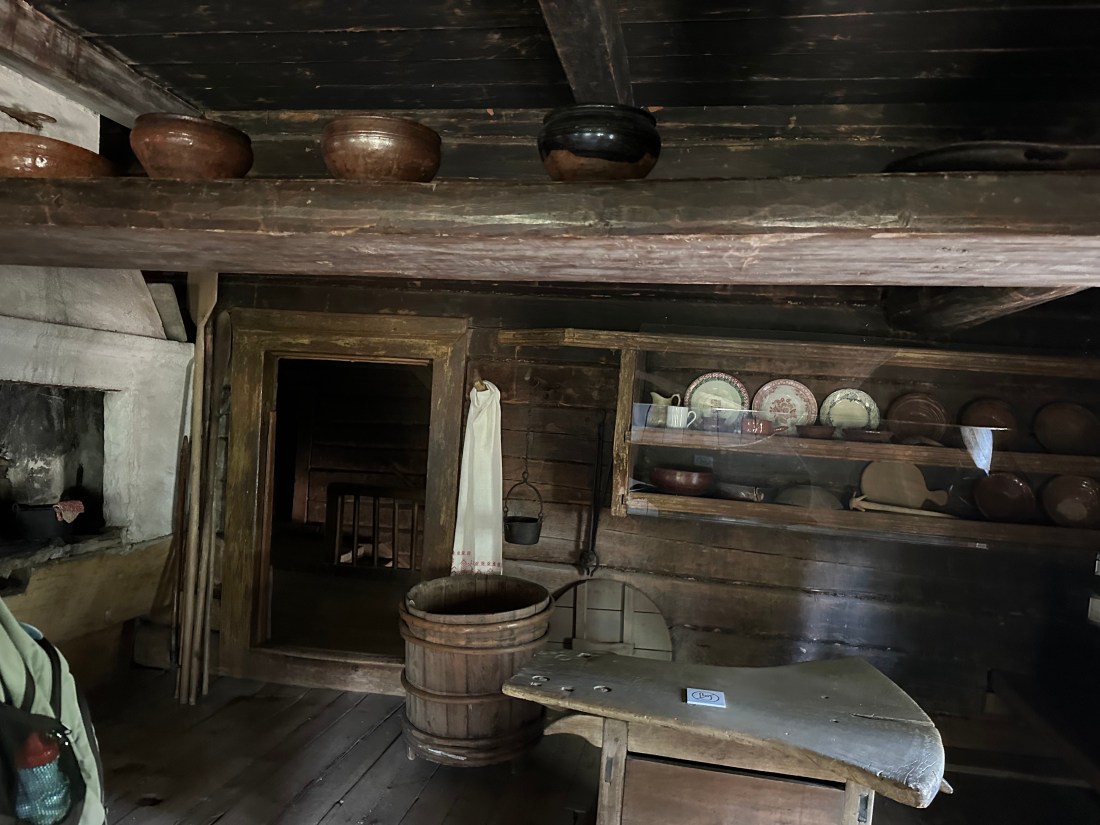
On Thursday, we went to the museum island Seurasaari. I thought we would spend just a couple of hours there, but the weather was nice, and there were plenty of kids’ activities, so we ended up staying there almost until closing (or rather until it started to rain).
I just realized after checking my June blog entries that I didn’t even had time to post about Sauresaari in June, when I visited the museum with Natasha’s family. In comparison with the June visit, there were more open houses, more activities for children, and more food available in the cafe, so the whole visit was even more fun than I expected. I will add some of my June pictures to that post.
The Museum was opened in 1909, and it hosts old buildings from different parts of FInland which are being carefully moved to the island and rebuilt/restored there. In addition, each house contant s gigantic collection on different household objects from the correspnding region/historical period. Also, I love it when you can climb the rocks and smell the pines.


We were so scared of the rain the day before that we ended up spending most of the day indoors visiting different museums.
The first one was a Burger House showing how well-off people in Helsinki lived in the second half of the 19th century.


Then we visited Aethenium Museum and then – The Helsinki City Museum.

Both of them had activities for kids, which made everybody happy. In fact, Nadia was so fascinated with the “classroom” exhibit in the Helsinki City Museum, she didn’t want to go anywhere else and stayed there almost until the museum closed 🙂


All these exhibits plus more ice cream made the day, and we were glad we didn’t plan anything else!
For the first three years of school, all the classes were held in the same room, except for PE and singing. Even in the first grade, the desks in the classroom were arranged the same way as in high school, three columns with six desks in each, with two students sitting at one desk. I know it is hard to believe now, but at seven, I was relatively tall for my age, so my place was in the fifth (out of six) row in the right column. My neighbor was a girl named Sonia Skorpileva. She was taller than me, clumsy, with messy hair and a leaking fountain pen. We all were as cruel as seven-year-olds could be and made fun of her. Unfortunately, the teachers often supported such behavior, publicly shaming the students for even minor mishaps. For example, on the days when we wore white aprons, we were also supposed to have white ribbons in our braids (and black or brown ribbons on regular days). One girl (and I even remember her name, Natasha Ponasenkova) had purple ribbons. Although it was our first First Day of School, our teacher called her out, put her in front of the class, and allowed everybody to laugh at her for these purple ribbons. And then she told her to tell her mom that the ribbons had to be white. She was a very pretty girl, but we never acknowledged that since she was from a “troubled family.”
Since the very first day of school, it was expected that we sit still for all forty-five minutes of each period. We were almost never allowed outside during the break, even though the school had a courtyard.
After a month or two, the teacher started grading both our classwork and homework. The grading scale was from 1 to 5, but 1 (“very bad”) was almost never used, 2 was already “bad” or “unsatisfactory.” Starting from the second quarter, we had “quarterly report cards,” which mostly presented the mean of all the grades one would receive in class through the quarter. At the end of the first quarter, all of us became Young Octobrists, the communist organization for kids aged from seven to nine. All Young Octobrists wore a pin on the left side of the chest: a small plastic or metallic start with the portrait of Lenin at the age of five in the middle. The name “Octobrists” (Oktiabriata in Russian) referred to the “October Revolution.” Since in 1917, the official calendar used in the Russian Empie was the Julian Calendar, all the dates were two weeks behind the rest of the world, thereby the Revolution happened on October 25, not on November 7. Although Russia switched to the Gregorian calendar in February 1918, by that time, the Revolution was already called “the October Revolution,” or “The Great October Socialist Revolution,” or simply “The Great October.” It was too late to change the trademark, so it continued this way. So, we all were “Young Octobrists” and wore these “Octobrists’ pins” on the left.
I know that all I am describing sounds pretty dull, but I didn’t think my life was boring or uninteresting at the time. My old post with the home movies covers the second half of the first grade, and there are lots of fun activities!
My historical posts are being published in random order. Please refer to the page Hettie’s timeline to find where exactly each post belongs and what was before and after.
On Sunday, I talked with my second cousin, who lives in Russia. We lived in the same apartment for the first twenty-two years of my life, so we had our share of hate and love, and I respect him both personally and professionally.
Unlike most of my family, he is not a technical person. He is a historian, and not like an amateur historian, and not like “the history of the USSR” historian. He specialized in the history of Russia in the 19th century, so one can only imagine how far from easy it was to stick with this topic for over forty years of research. In short, he knows it. Seriously.
So, I was talking to him, and we were about to say our goodbyes. Then he said he hoped the time would come when we saw each other again. He immediately corrected himself. He said that he did not see any of the future for Russia at all, and “if we exclude the complete collapse of the state,” the only non-catastrophic outcome he saw was the strengthening of dictatorship. He reiterated that the complete collapse would be the worst and that “he hoped we would never come to that.”
I told him that I saw our only hope in this complete collapse, and I did not see any possibility of rebuilding the nation without destroying everything that exists now. I added that I was thinking about Germany in 1947. He replied: yes, but there is one slight difference: in Gernamy in 1947, they had an external government. I said: yes, that’s what I mean, and then I realized that with all these positive things about him I mentioned at the beginning of the post, he still thinks that 1) nothing can be done, 2) anything is better than a potential collapse of the state.
And it’s extremely unfortunate.
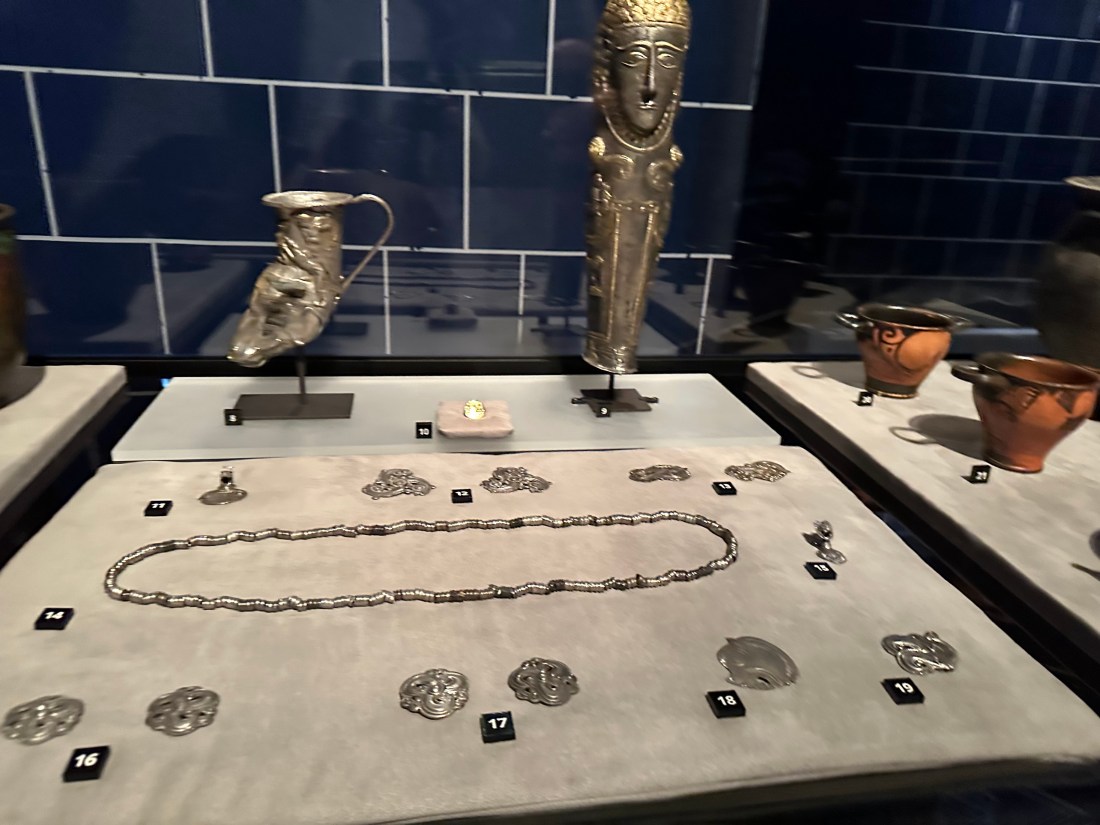
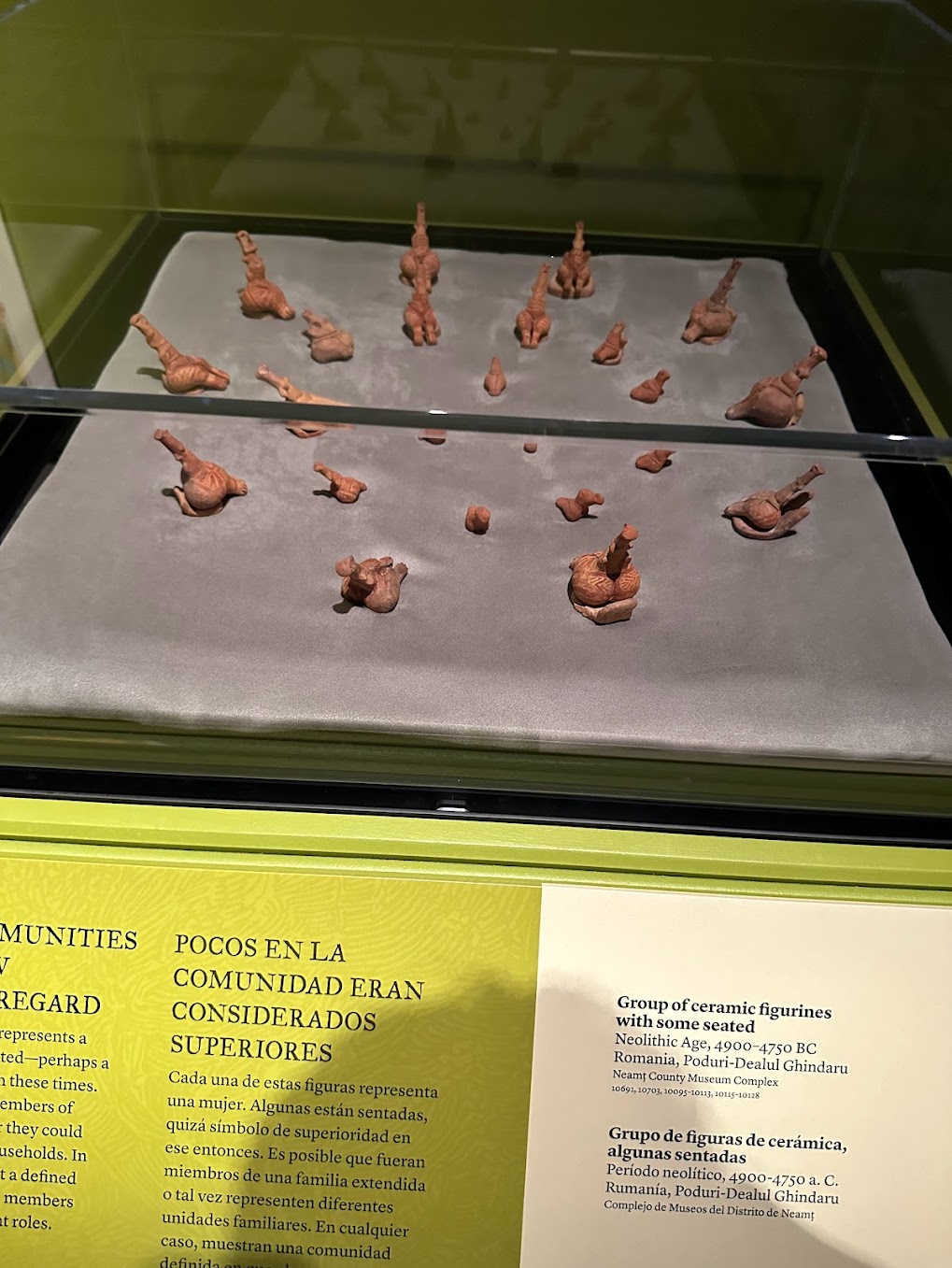
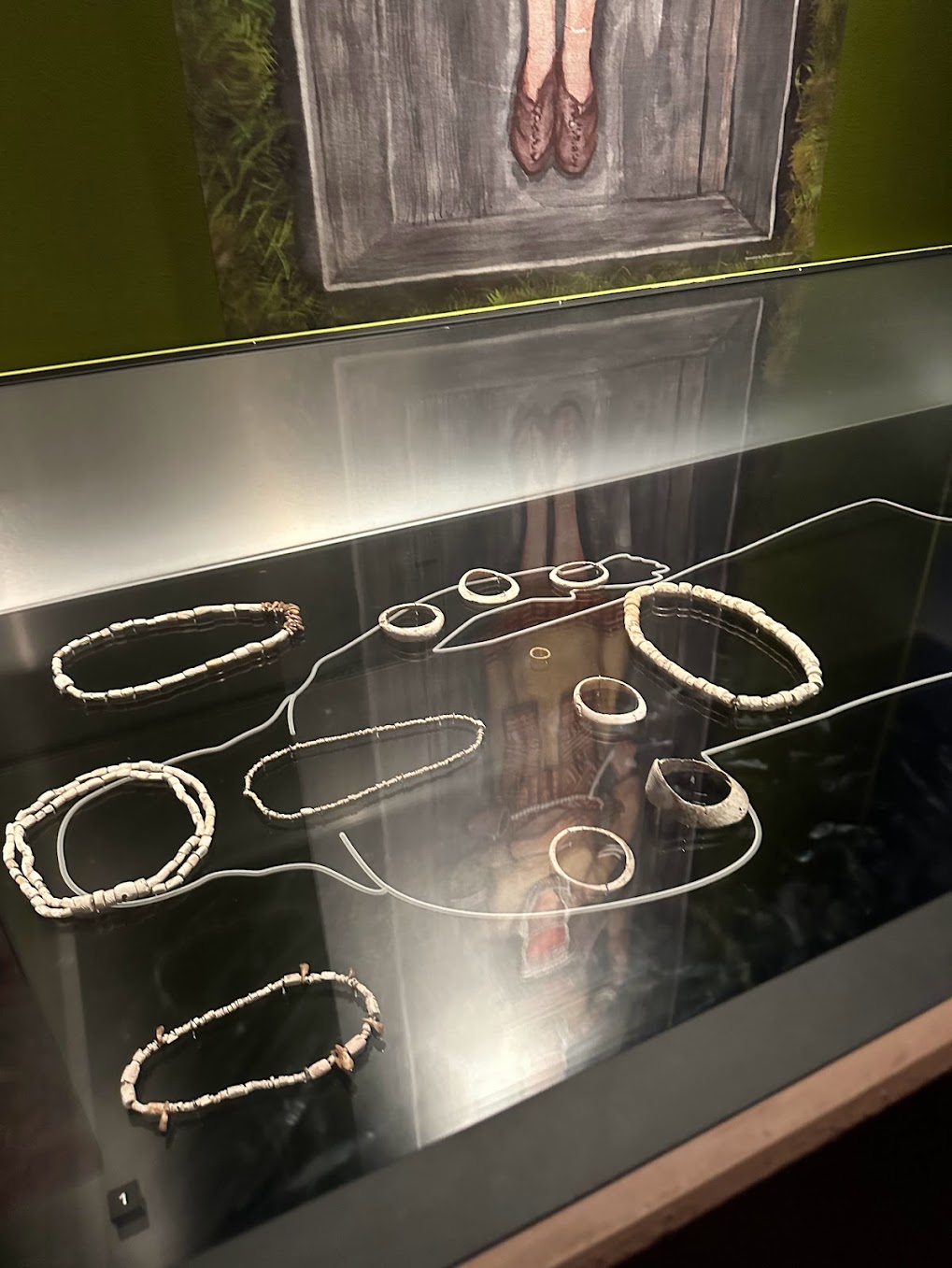
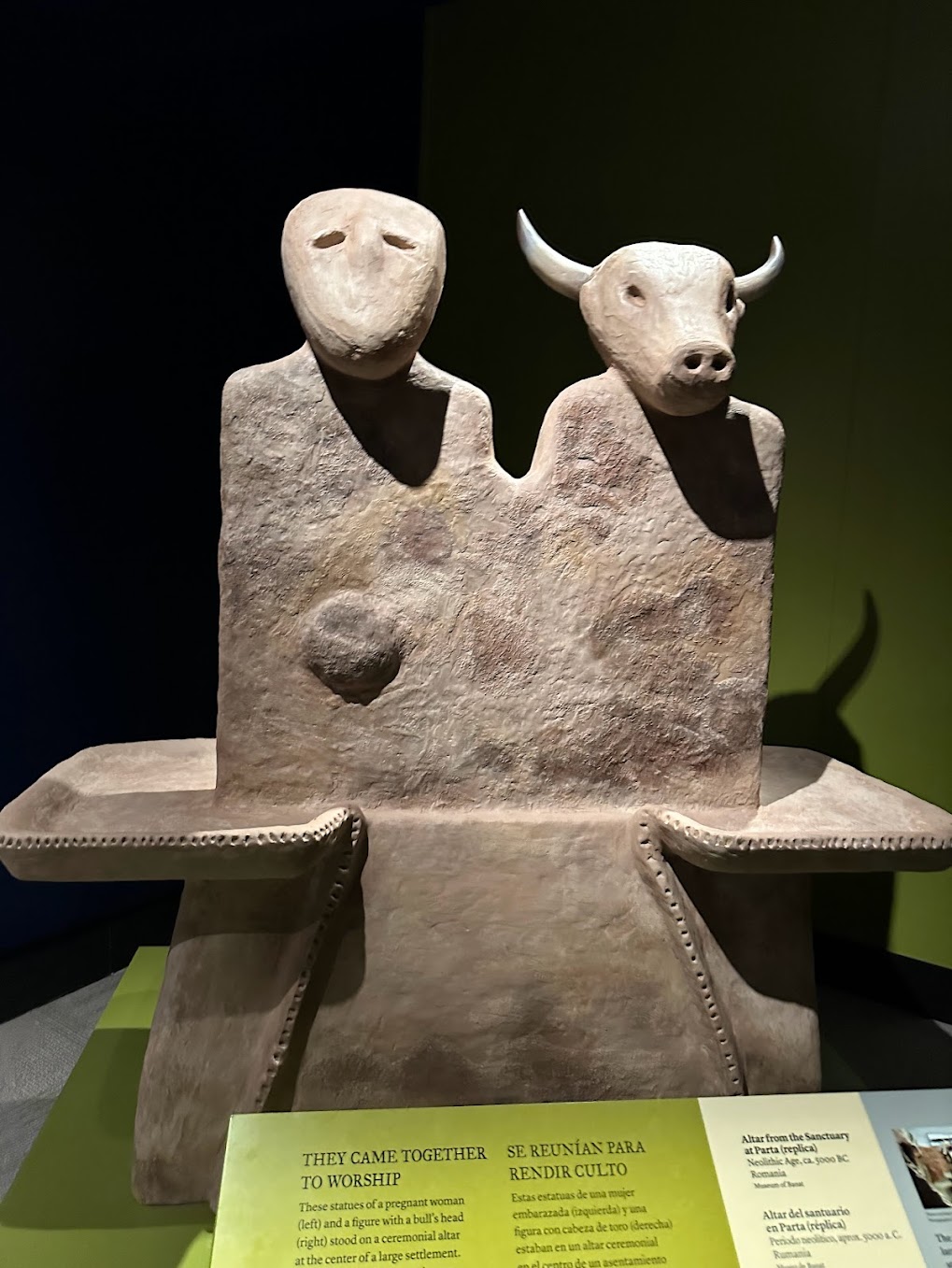
This Field Museums exhibit tells the story of the first kingdoms on the Balkan peninsular.
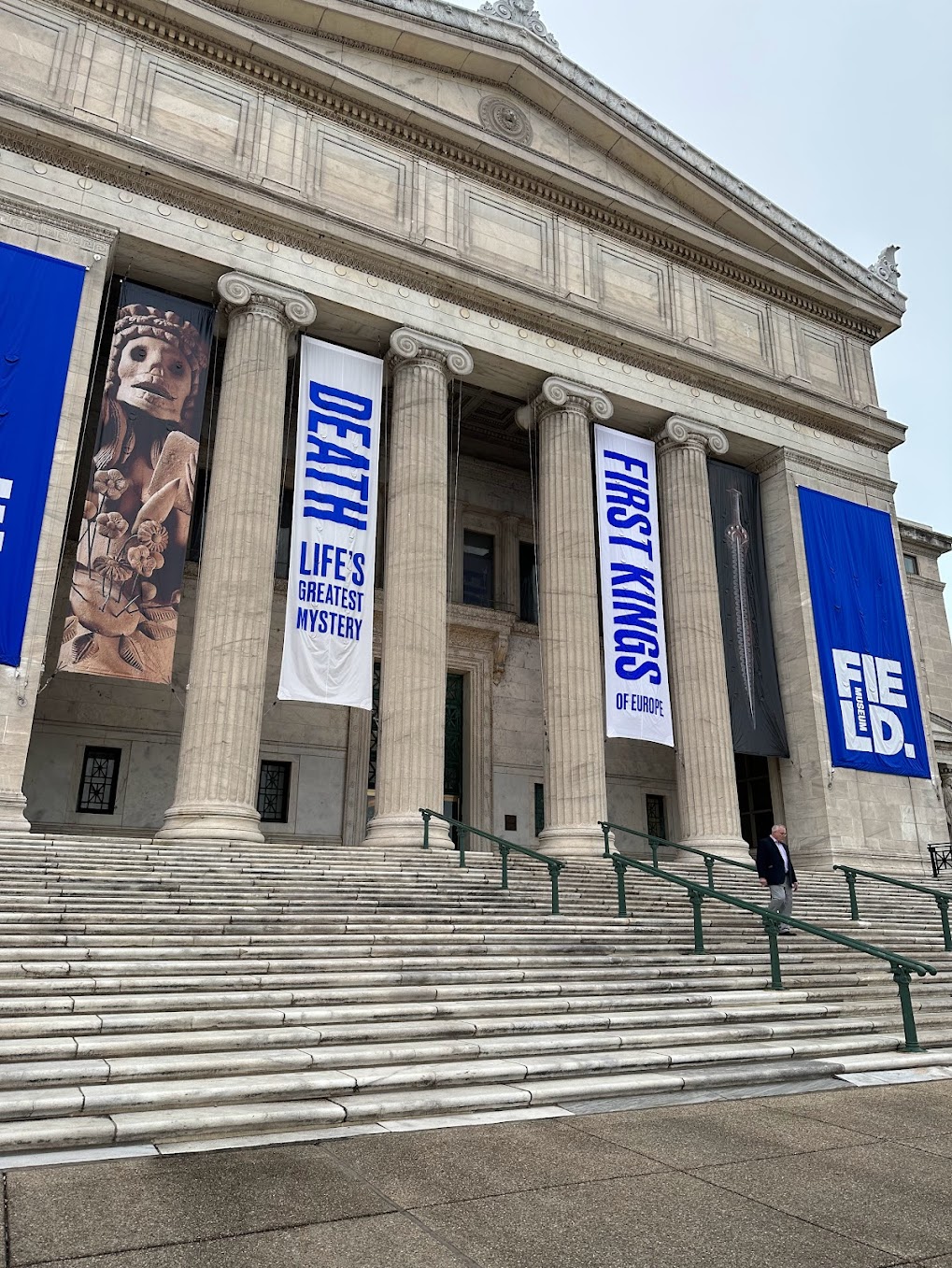
The international group of museum curators and historians started to work on putting it together back in 2015. Everybody knows what happened next, but this exhibit faced more challenges than any other, including expiring grants. Now, the exhibit is finally here, at the Field Museum, showing the historical objects from ten different museums in different countries, 700 objects which were never displayed together,
The whole exhibit is set up like a giant book, so that you walk through and turn the pages.
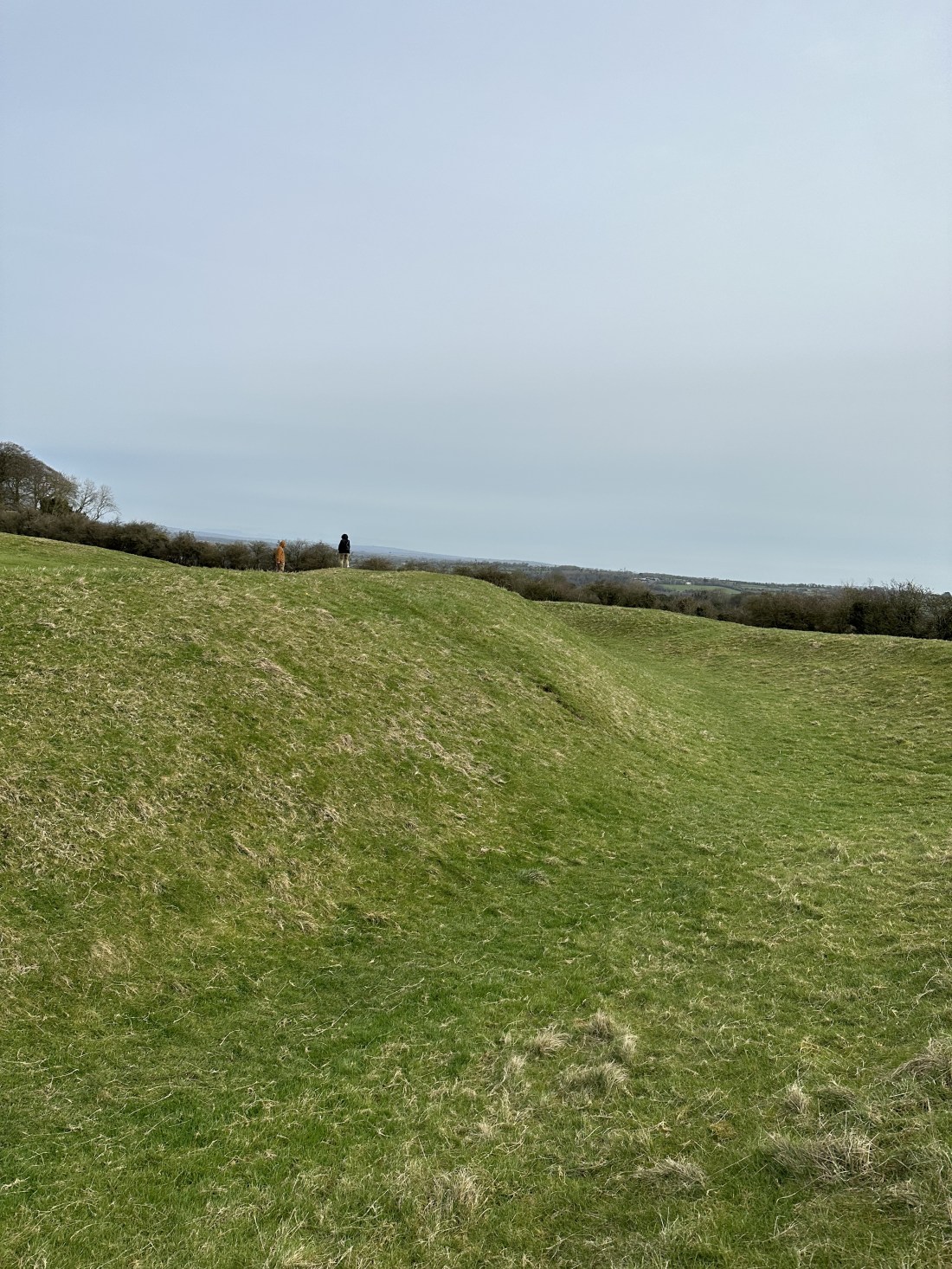
My last day in Ireland was all about ancient history. First, we visited the Hill of Tara:


I know that pictures tell nothing about this place. It’s a feeling. It’s not that often that you visit a Christian site dated the 5th century A.D., but knowing that the place had a special meaning even during the Stone Age, gives it all a new perspective.


Sure, it was funny, cool, and special to visit a museum on the street with my name:
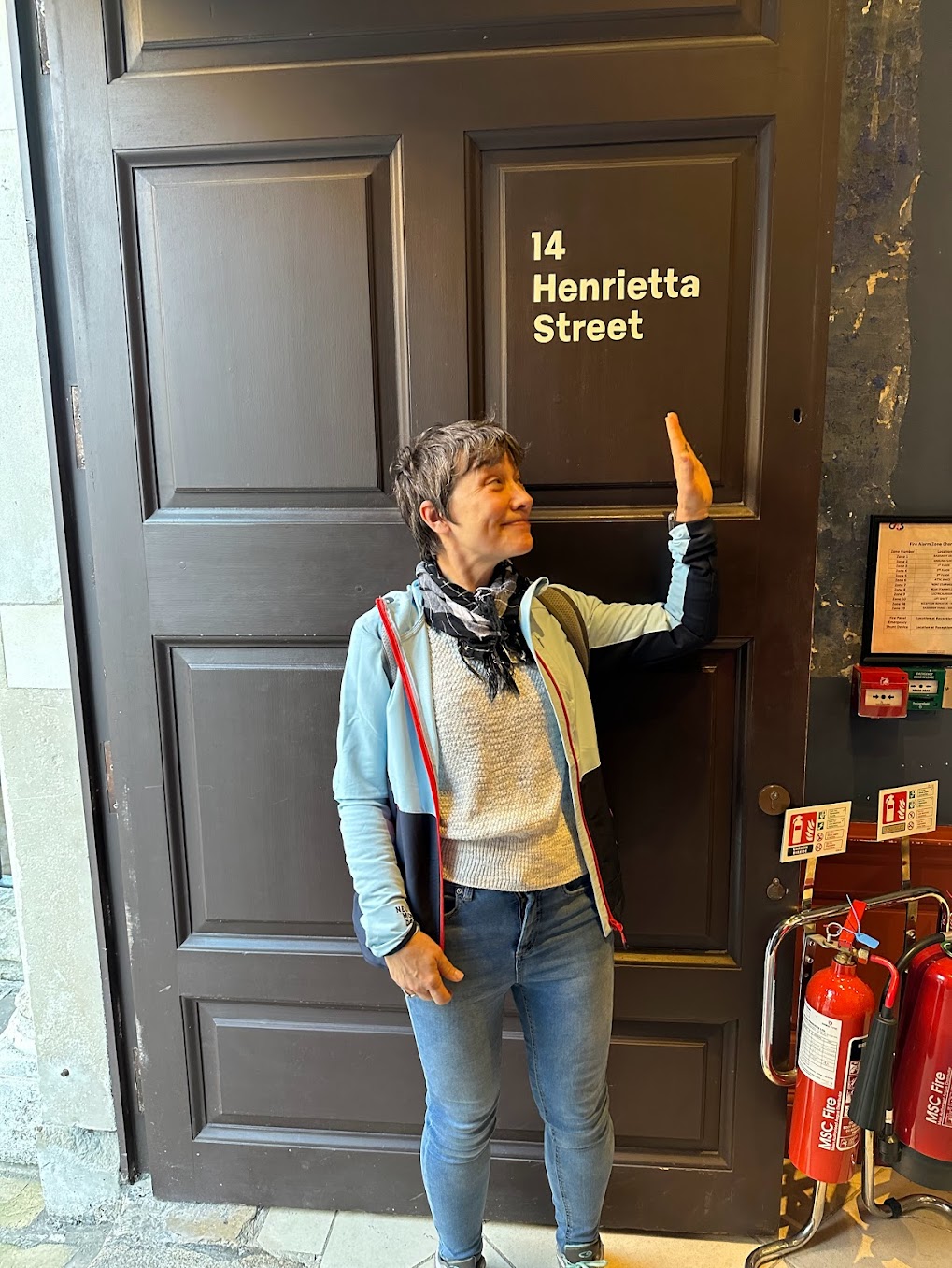
But regardless of the name, the house’s history is remarkable, and the museum is extremely interesting. That’s what I have been repeating to myself for the last couple of weeks since I returned from Ireland: yes, these days, you can find all information on the internet, but I would never think about looking up this information if I won’t visit Ireland, and if my incredible friends won’t take me everywhere!
So, back to Henrietta’s street. In the 1700s, it was a place where noble Irish families lived, and this particular house was occupied by the family of Lord Viscount Molesworth. But after 1801, when the power moved to London, and all noble families followed, this house went through major transformations. After being used for different offices, in 1876, the building was bought to be converted into a rental property. Shame on me, but I didn’t know that “communal apartments” were not invented in the Soviet Union. Apparently, in Dublin, a tenement was an 18th or 19th-century townhouse adapted to house multiple families. Thus, Henrietta Street 14, instead of being a home for one family, became a home for over 100 people.
The museum shows all stages of the house’s history: several 18th-century restored rooms would give an idea of how the Lords lived, and several restored flats represent different living conditions for families on different socio-economical levels.
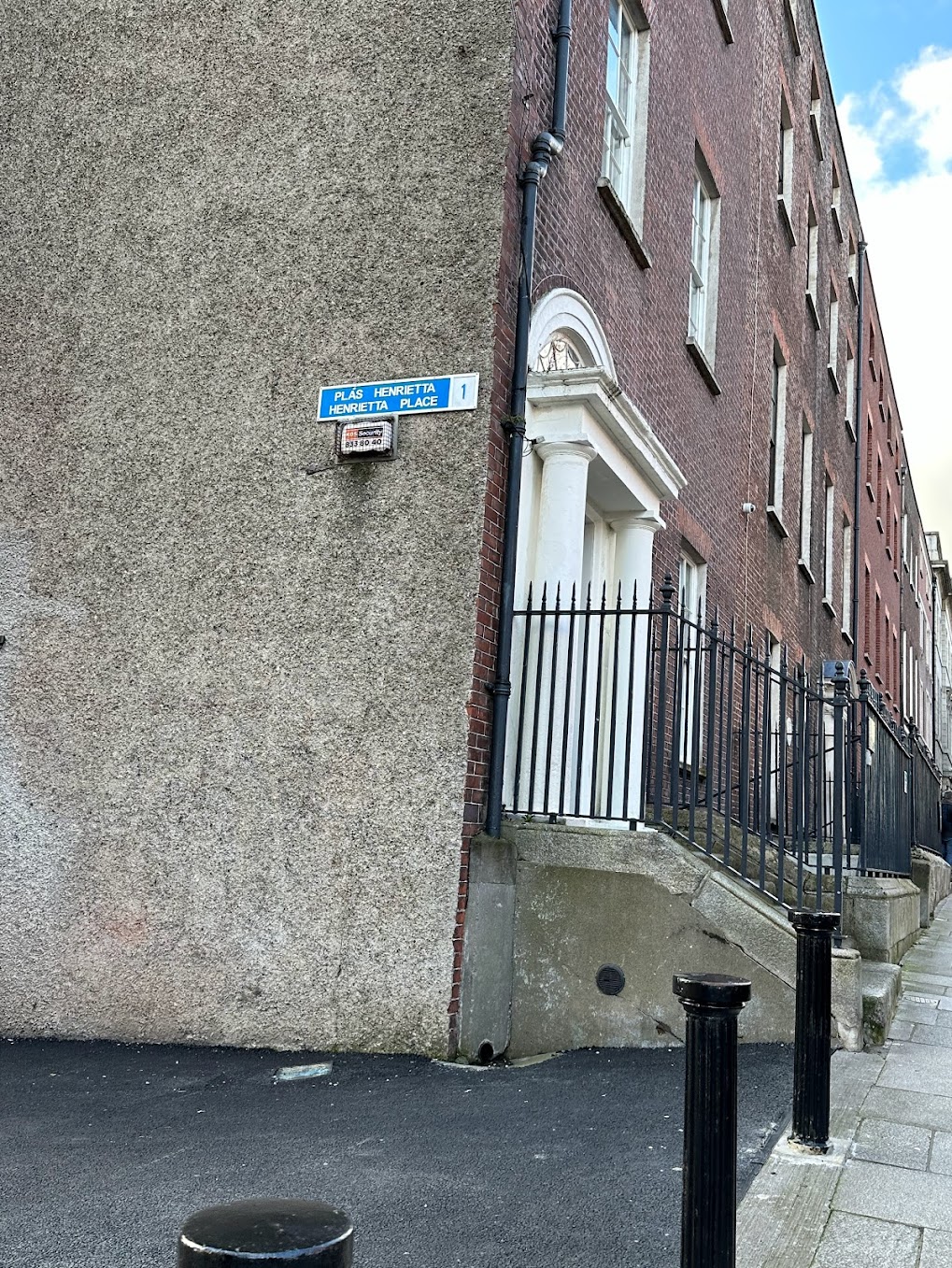
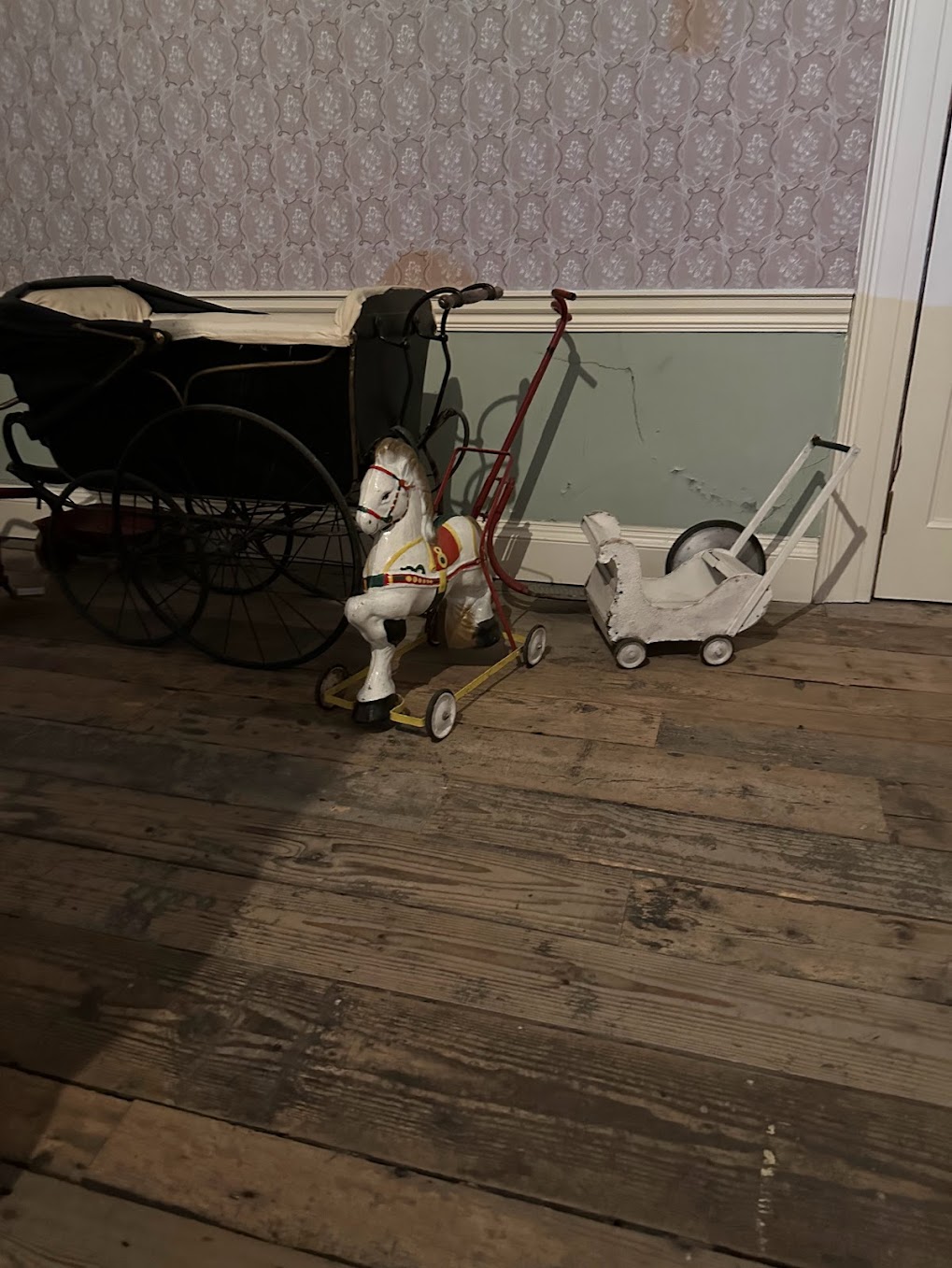
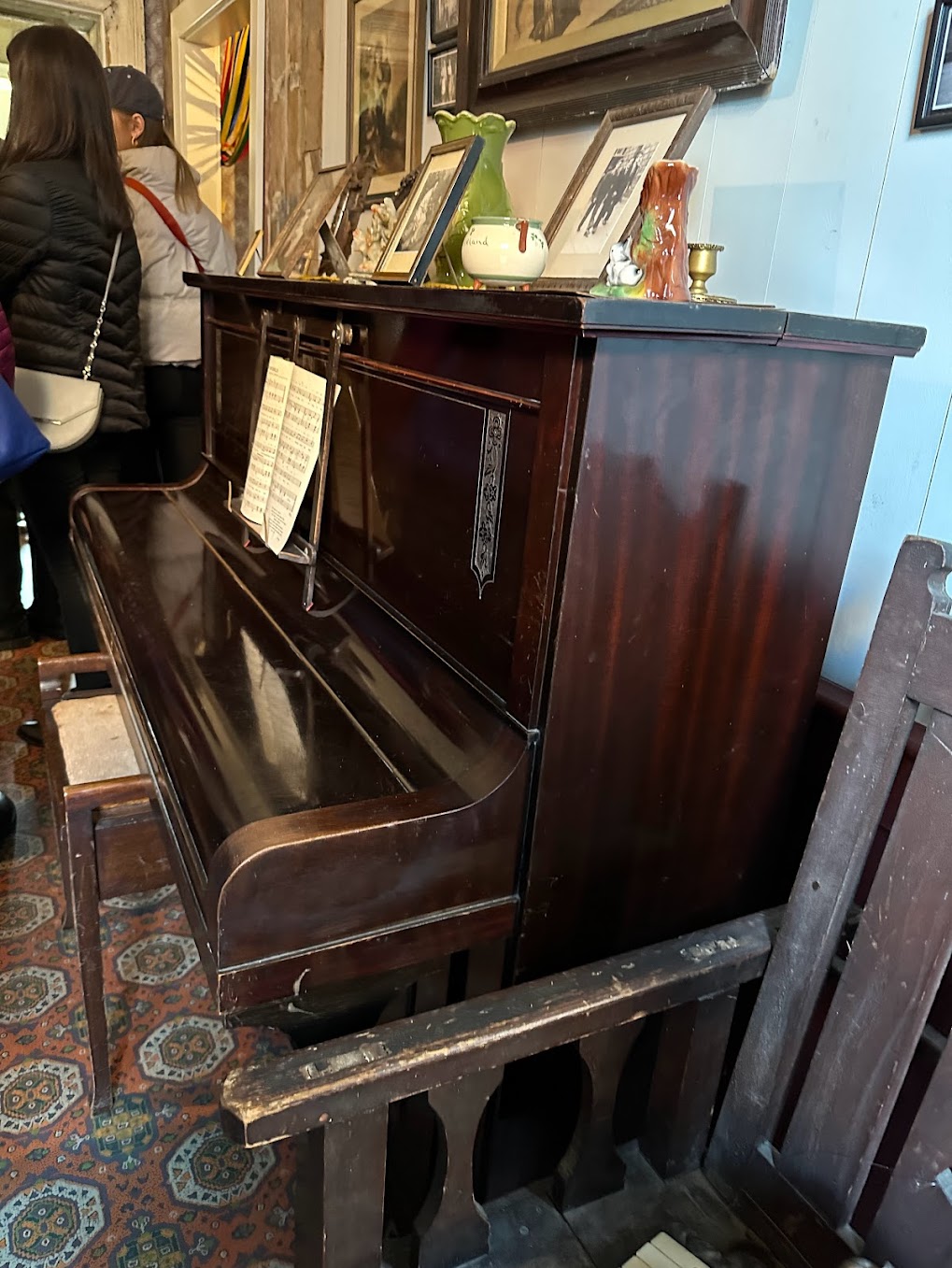
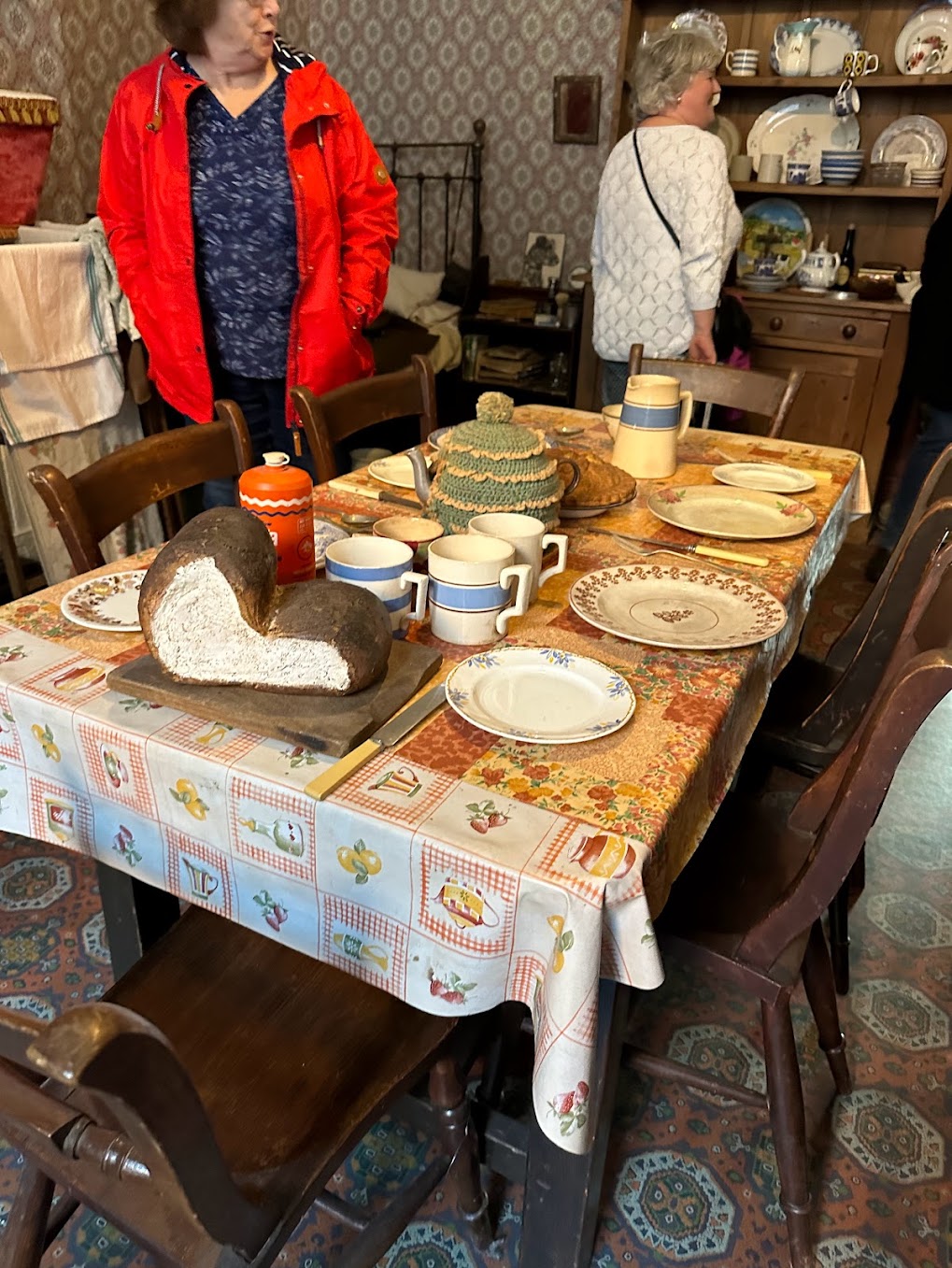
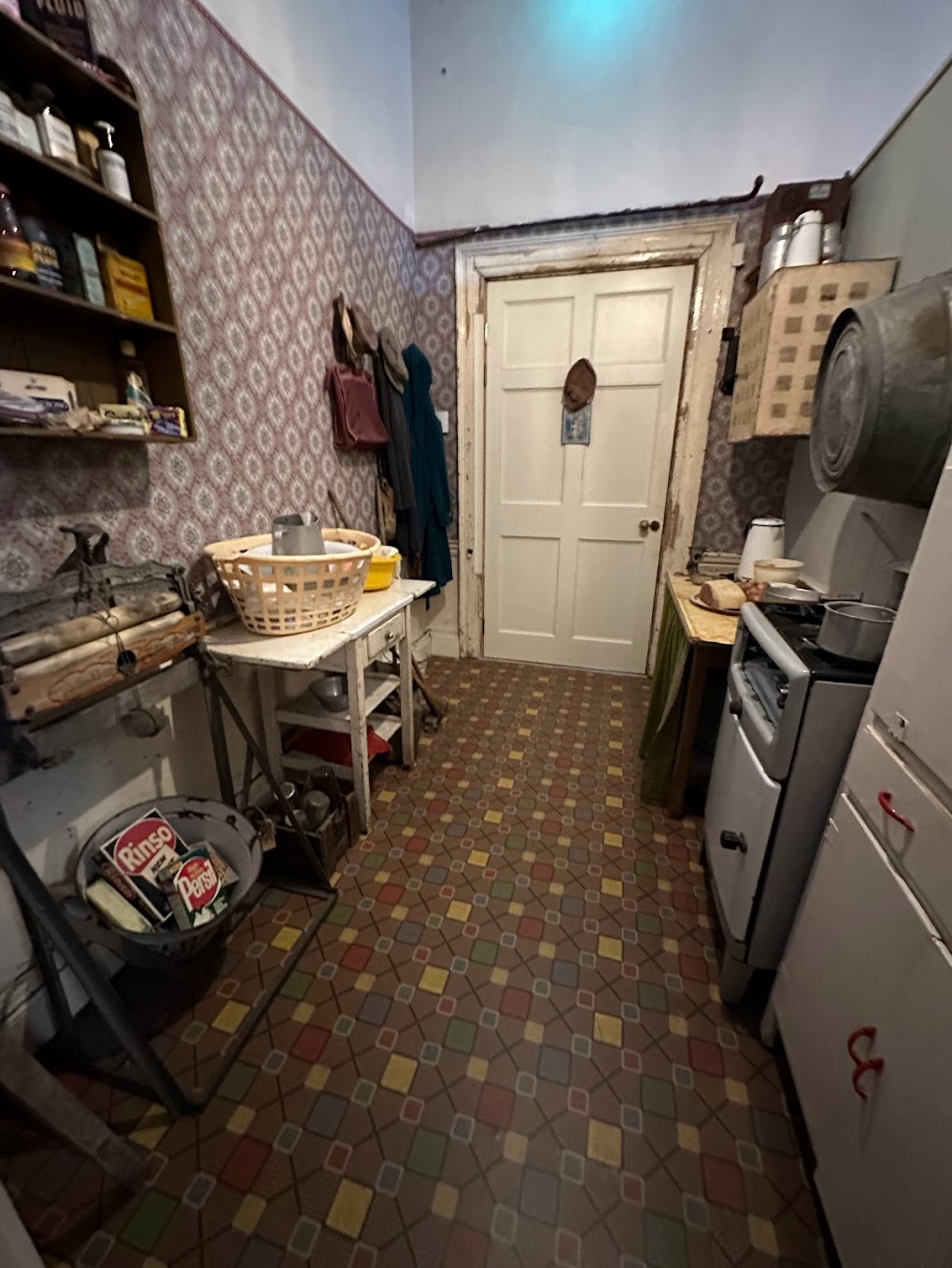
I took very few pictures because I was very busy listening to the tour. It is astonishing how much life in the tenements was similar to life in the “communal apartments” in the Soviet Union.
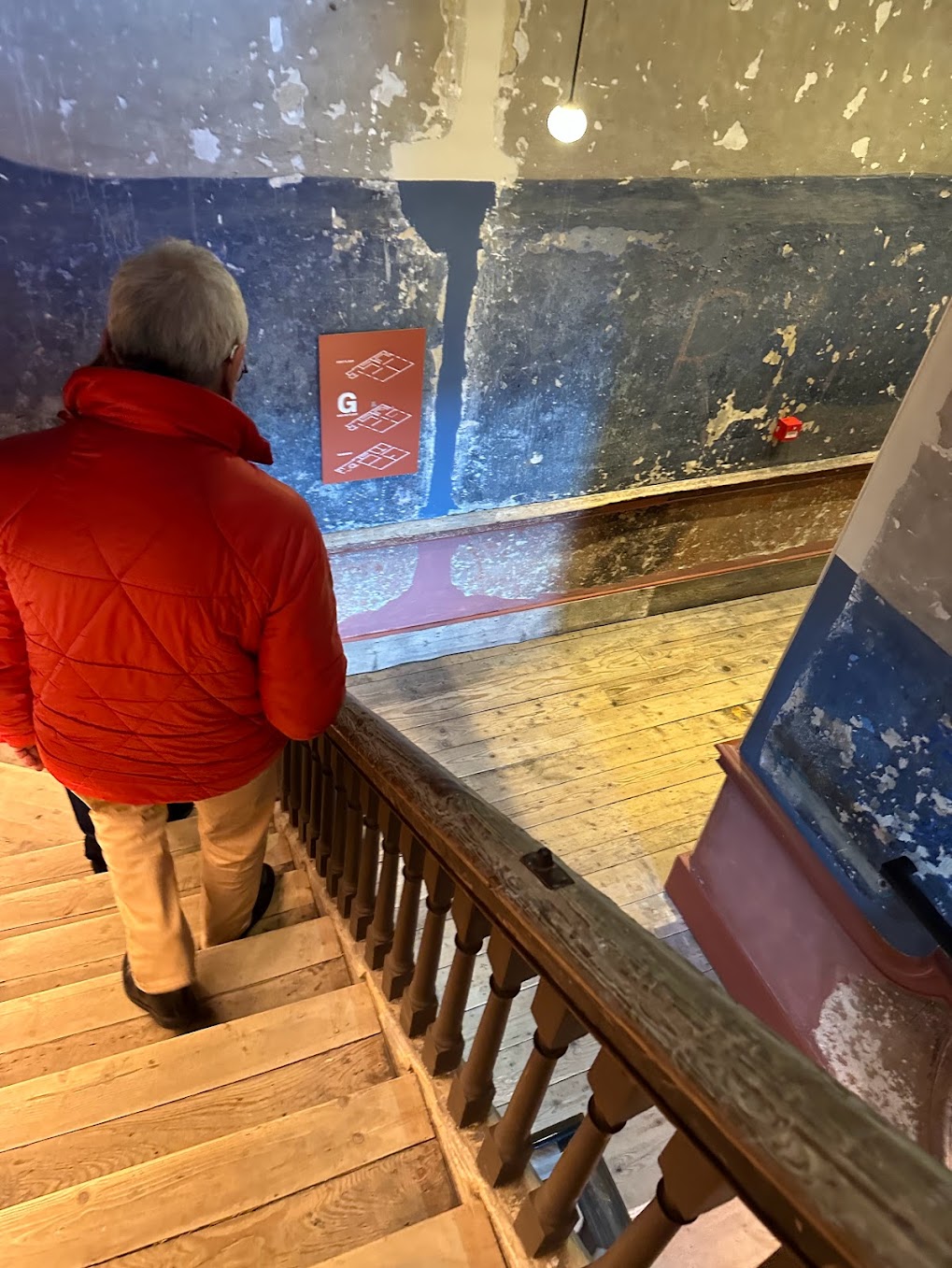
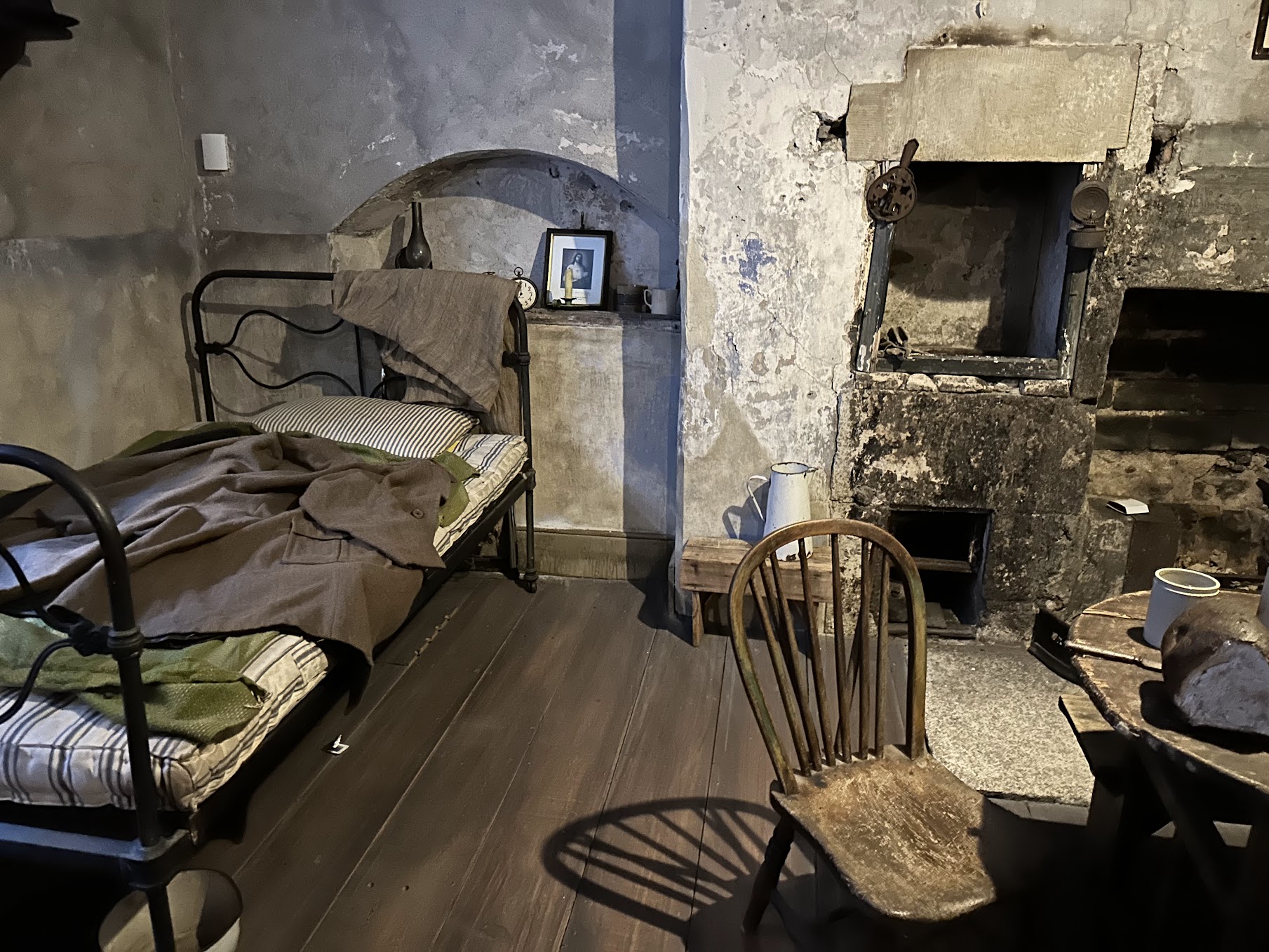
During my first full day in Ireland, I walked more than 30,000 steps!
Foto, travel, St.Petersburg, Stokholm, Tallin
aka operasandcycling.com
We explore and grow together
Jeremy Schneider
A journey of curiosity and unfinished thoughts
Shaken, not stirred
Information about SQL (PostgreSQL & SQL Server) from the Asylum.
Chasing Wellness
Curiosity to Infinity
SQL help, examples, tips
Musician and Network Engineer
Living life to the fullest
Life in Copenhagen, Denmark, after moving during Covid-19.
Spontaneous Blogger! Doze on Sunday @7 PM IST
a written collection of souvenirs
ramblings of a crazy lady living with MS
Every Family has a story to tell..........Welcome to mine
Travelling without Limits
Researching, Preserving, and Sharing Genealogical Information For Future Generations
 Hettie's Reflections