My Childhood Apartment Part I

I didn’t have time to continue with my historical posts for the past two weeks, and now I hope to use my mini-semi-vacation to catch up with these writings. In my last post, I showed the pictures of the former Anglican Mission building where I lived as a child.

As I already mentioned, I do not have pictures of our apartment’s inside, but I will try my best to describe it (edits from Igor and Anna are welcomed :)).My grandaunt received the “order” for this apartment sometime in the 1920s when she worked as a reporter for Smena – Leningrad Young Communists newspaper. All the sources tell me that the building was abandoned since 1919, and I have no idea why it sat unoccupied or so long when there was such a shortage of real estate. But my grandaunt Fania told me that when she entered it for the first time, it looked like the occupants left in a hurry and that there was a lot of furniture left behind, and even the priest’s library.
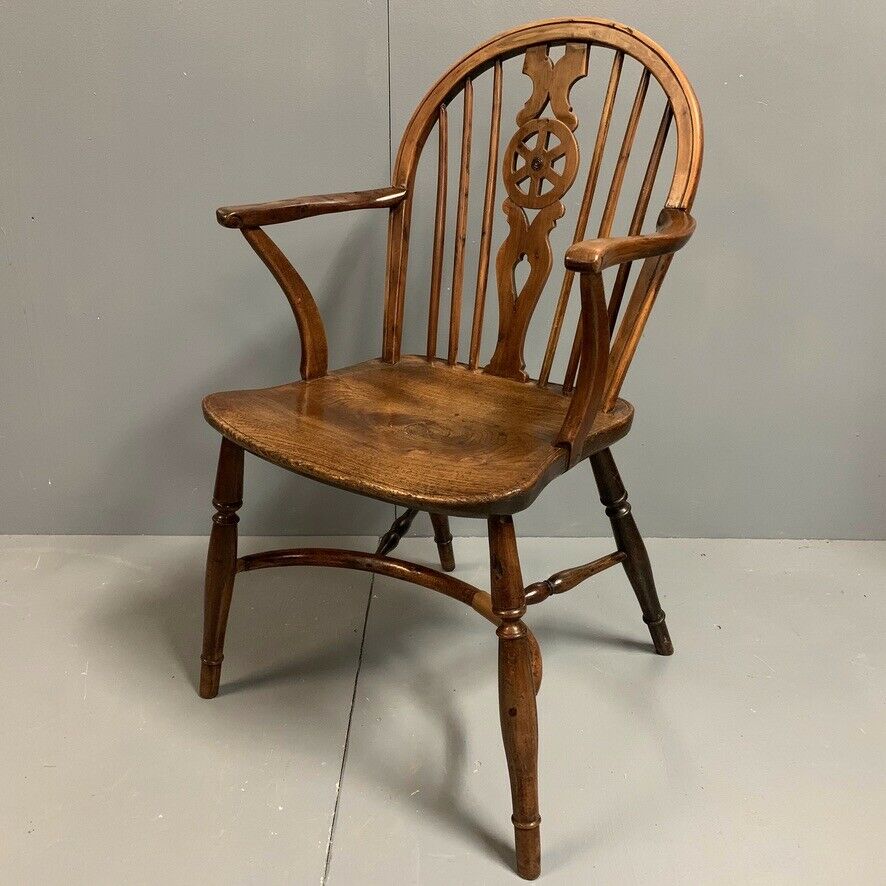
I do not know where the books went. As for the furniture, most likely, it was gone during the Seige of Leningrad. I remember only two pieces of furniture that survived. One was a “lomber table” – a small table for the Ombre card game, which was used as a phone stand, and I didn’t even know what it was until my grandaunt told me. The second piece was an English redwood armchair, just slightly darker than the one on that image.

Update: I found online the exact image of how it looked like, only made of a different wood:

Two more armchairs could be potential survivors as well, but I am not that sure about them.

Here is a picture of the courtyard from the previous post, with our apartment being on the right side on the second floor.

You would enter a door on the right (you almost can’t see it, it’s right after that black car). There were wide stone stairs that led to the first-floor landing. The back entrance to the department of tourism was on the left, and only the people who worked there were allowed to enter. To the right, there was a door with a lock, which led to the two apartments. On the first floor, there was apartment #7, the former servants’ quarters, which the janitor’s family occupied. The second door on the first floor (also with the lock) led to our apartment #8. To be precise, it led to the stairs – two flights of stairs. These stairs would lead to the apartment itself. Imagine that you live in a two-story house, but you can’t enter the first floor. Instead, when you enter the house, you have a separate door to the stairs, and you live on the second floor only. That would be the closest to how our apartment looked.

After you climb these two flights of wooden (painted with a dark brown paint) stairs, you would find yourself in the huge hallway. It was twenty-five meters long and two meters wide, which gives you 50 square meters in total (almost 500 sq. feet). The ceiling was 4.75 meters (15.6 feet) high.

All the rooms were on the left side of the hallway (the right one was the wall adjoined to the next building).

The first room was the bathroom with the bathtub from the Anglican Mission times, made of cast iron and placed on the four brass lion paws.

The next one was the kitchen. My grandaunt told me that the first of the rooms was a “blue parlor,” which was later converted into a kitchen, but since there was an old tile-covered wood-burning stove in the corner, it seems to be an original kitchen. I do not remember this stove being ever used; most likely, it was never used after the war. We used its surface as a place to keep different kitchen utensils and devices. Next to the kitchen, there was a smaller room where my father lived, and where he and mom continued to live when they married, and where mom and I lived after my parents divorced. This room had a second door, which led to the next room, but this door was never used.

The next three rooms were occupied by my great-grandmother Baba Gitia, her daughter Baba Fania, Fania’s daughter Aunt Kima, and Kima’s son Dodik. Who of them lived in which room has changed several times.

The hallway ended with the door to the Church, but since we could not go there, a large dead-end led nowhere. A long time before I was born, a curtain was placed to separate this dead-end from the rest of the hallway, and it became a storage of everything-which-we-do-not-want-to-throw-away. It was called “The End Of The Hallway.”

Since I can go on for hours describing this old apartment, I think I will stop for now 🙂

My historical posts are being published in random order. Please refer to the page Hettie’s timeline to find where exactly each post belongs and what was before and after.

Galernaya 57: My Childhood House

I do not have any pictures of the apartment I lived in for the first twenty-one years of my life. But about ten years ago, my old friend, who still lives in Saint Petersburg, went there and took several pictures outside my former house. If I wrote the family history properly from the very beginning, I would tell about this building in its portion related to the 1920s. That’s when my family first moved in there. But since I am writing in random order, this post is here:)

We lived in one of the oldest city districts. As it was very frequent in Saint-Petersburg, the house had a rectangular shape with a courtyard inside. One of the facades faced one street, and the opposite facade faced the parallel street. The other two sides were inseparably close to the houses on the right and the left.

The house we lived in was built at the beginning of the 19th century by the Italian architect Giacomo Quarengi for the Anglican mission. The Chuch wing was facing the English Embankment, and the opposite wing was facing Galernaya street. The street was named this way because of the Galley Shipyard located at its west end. The shipyard was there since the city was founded. It is still there even now, although the ships which are built there are not galleys anymore. The word galera means galley in Russian.

Here is the street view. The first one is in the direction of the shipyard, and the second – in the direction of the Alexander’s Garden:

Continue reading “Galernaya 57: My Childhood House”

Fall 1964, And Onward

I pause after the last post about my early childhood because starting from that time, I remember my life as a sequence of events. I know that this is pretty unusual; that’s why I wanted to say it explicitly.

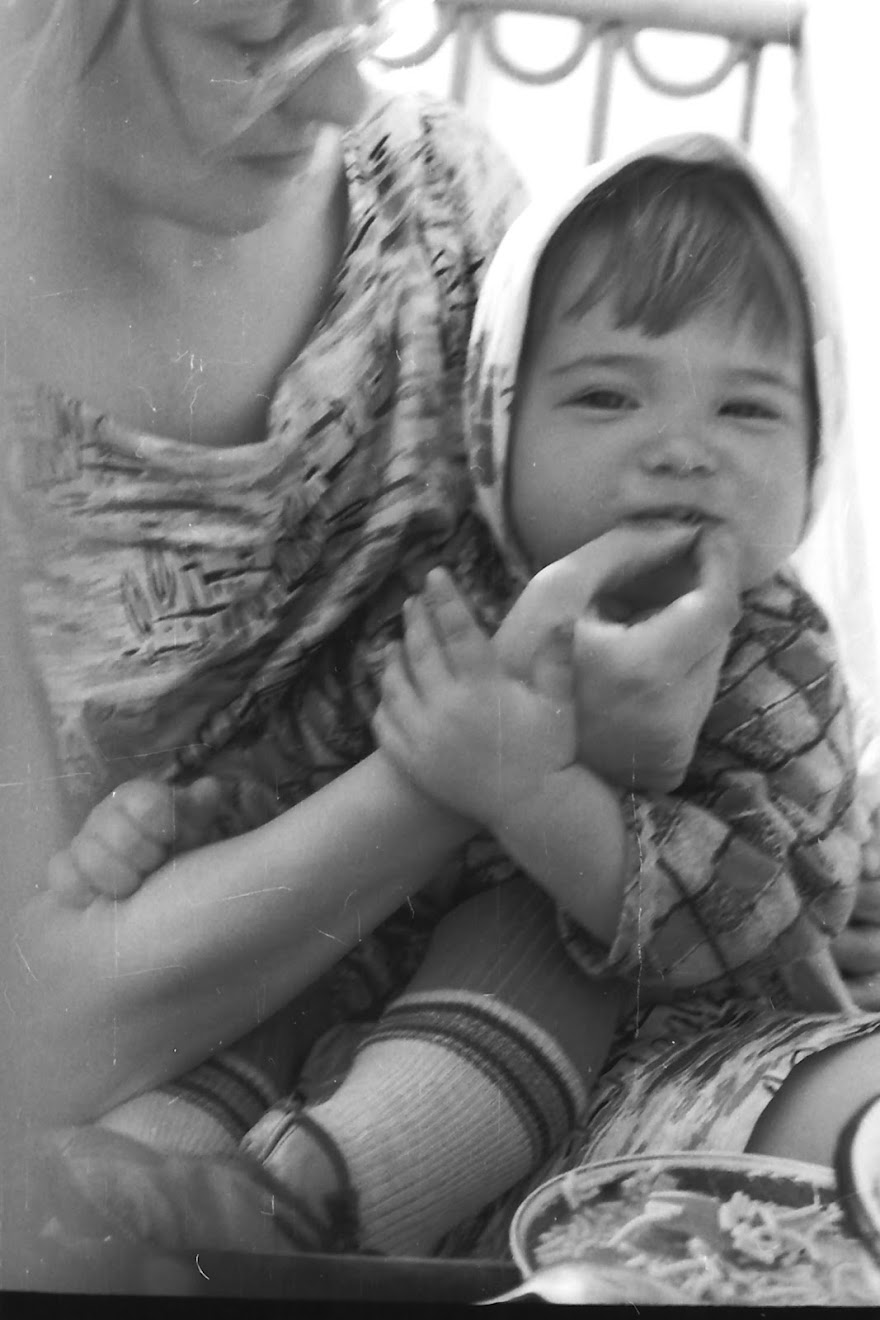
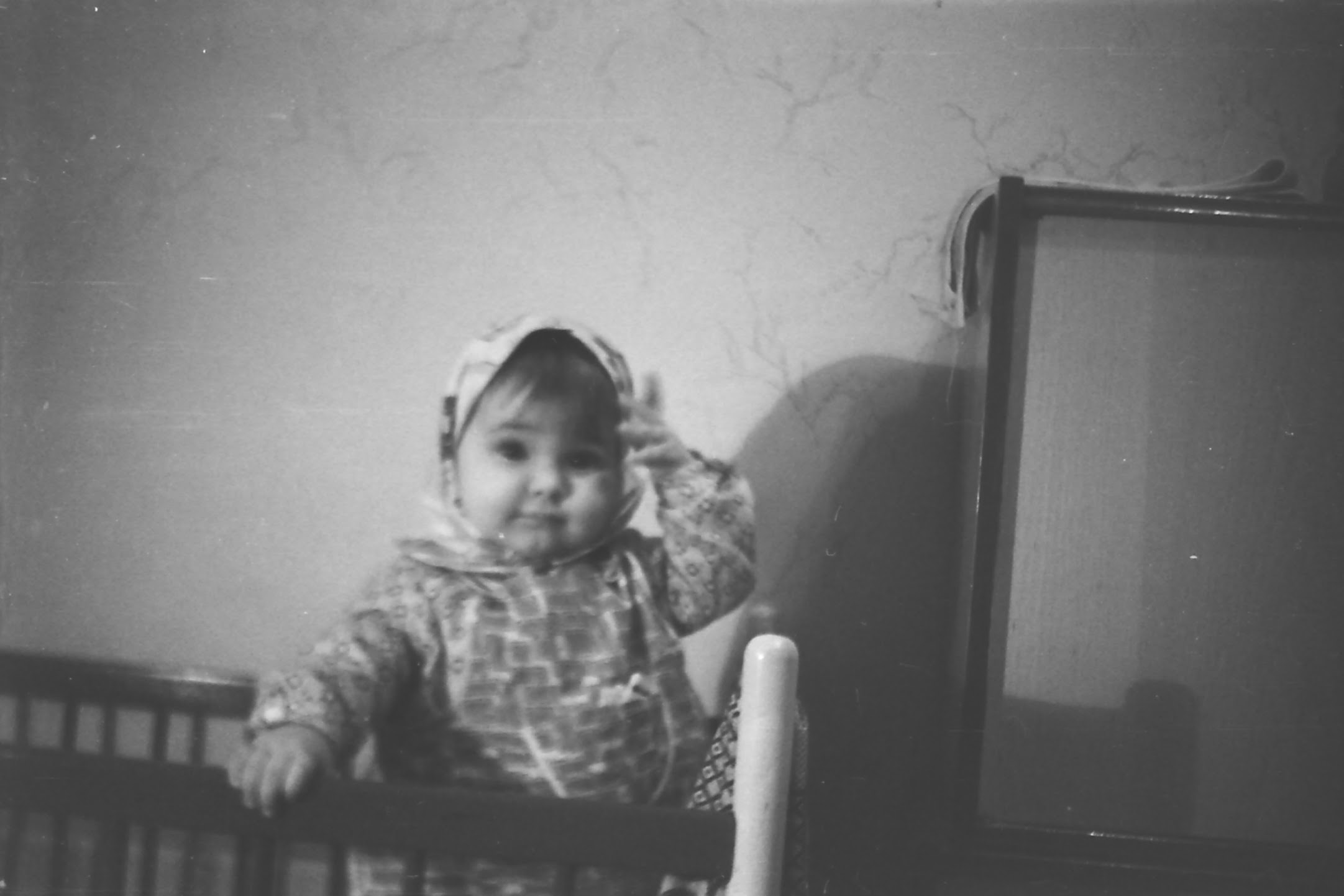
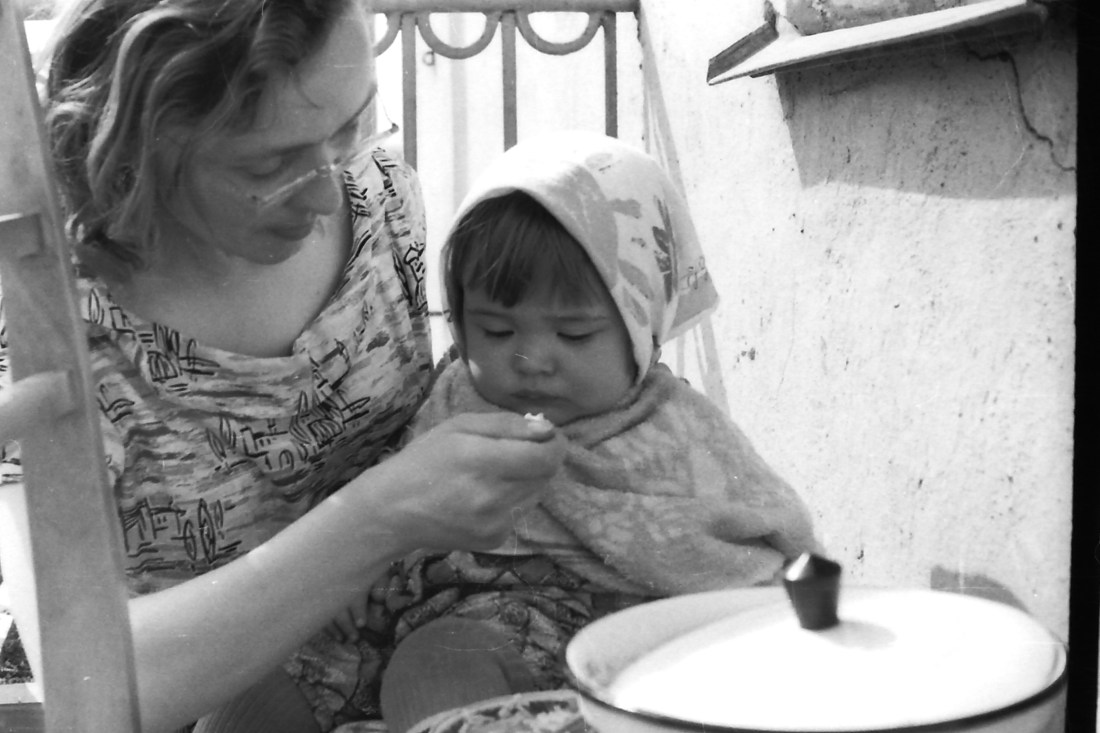
I remember all the episodes from the photos starting from January 1964, mostly because my mom showed me these pictures shortly after they were taken, and at that time, I remembered the actual episodes well. Later, each time I looked at these pictures, I could still keep these memories alive. So when I say “I remember,” I actually remember the white platok on the little girl’s head and a grey platok on her grandmother. I remember the snow close to my face when I fall, and mom took a picture of me. I remember another episode from spring 1964, which is not on the photos, which I referred to as “how I learned to walk,” although I most definitely walked before. I remember getting out of the stroller (I had a stroller for a very short period of time). I remember the sun getting into the courtyard and the shiny particles in the asphalt, once again close to my face :).
I remember this walk with my mom from the summer pictures.

But after I returned from Sosnovaya Polyana back to our home in the fall of 1964, I remember how my life was going, not just separate episodes. I remember life as everyday life. I remember washing my hands in the morning. For some reason, I was doing it in the kitchen, not in the washroom. I remember that I would get on the large kitchen stool to reach the small and sleek brass faucet, turn it on, and remember how the water was shiny in the morning sun peering through the giant window. Walking with my nanny on the Neva River embankment every day. Hearing my parents fighting late at night when for some reason, they thought I was asleep.

Last week, I tried to picture our huge apartment in my mind, and I realized that although we lived there for so many years, nobody ever bothered to take any pictures of the apartment itself, except for the pieces that accidentally ended up being in the pictures.

Describing it while I still remember will be the topic for my next post :).

My historical posts are being published in random order. Please refer to the page Hettie’s timeline to find where exactly each post belongs and what was before and after.
Summer 1964: People Around Me

On Sunday, I was trying to talk to mom about that summer. She confirmed that she was returning to Sosnovaya Polyana every day after work, and thereby her commute was three hours every day. She said that my father “rarely” was there and that “she needs to tell me everything.”

Actually, she already gave me her letters to my father and his letters to her from that period, and she gave me her diary to read, so I know how it all looked like both from her and his perspective.
I do not doubt that I need to write about it, but I am still unsure whether to include their story in my or tell it separately.

For now, let’s say that my father came to Sosnovaya Polyana from time to time and that he took lots of pictures. I like the photos which are not focused on me because I can see the interior of this tiny apartment, and I can see Baba Ania, even if only in the background.
Also, when I look at these pictures, it is very visible to me that my father loved my mom, even if it was in the wrong way. I mean, even though he a completely messed up person, he loved her the way he could love.

Continue reading “Summer 1964: People Around Me”

Summer 1964, part 2

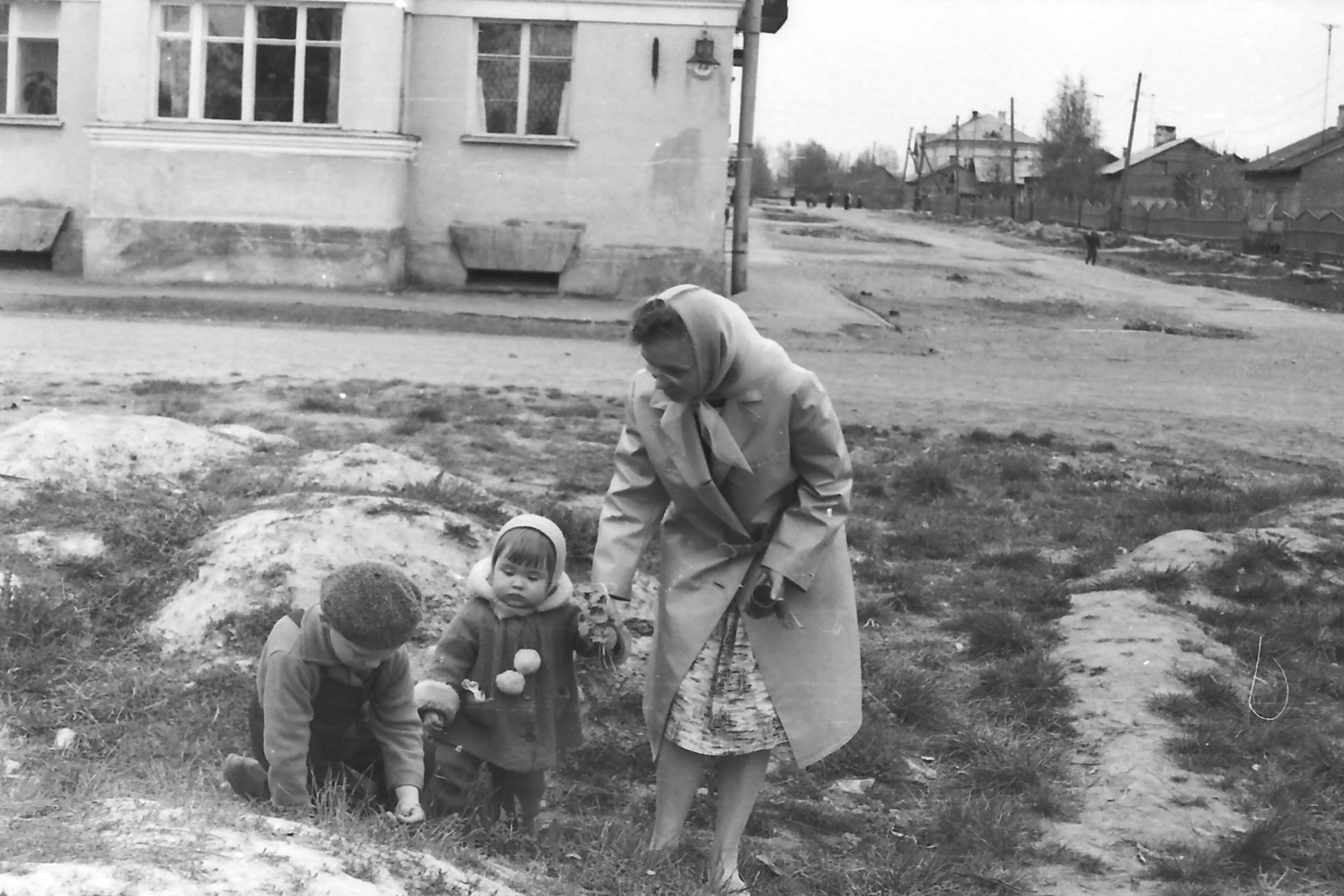
More pictures from the same summer. I poster the picture below in the previous post.

The building behind us is this three-story building where Baba Ania and Deda Fedia lived. Their studio apartment was on the third floor, one window was facing his scene, and the balcony and the kitchen window faced right (where the wooden huts are). If you look at the ground under the balcony (on the right of this picture), you will see some sand. You can’t tell that this is sand, but if I tell you that it is there, you can figure out where exactly it is.

Now, look at the next picture.

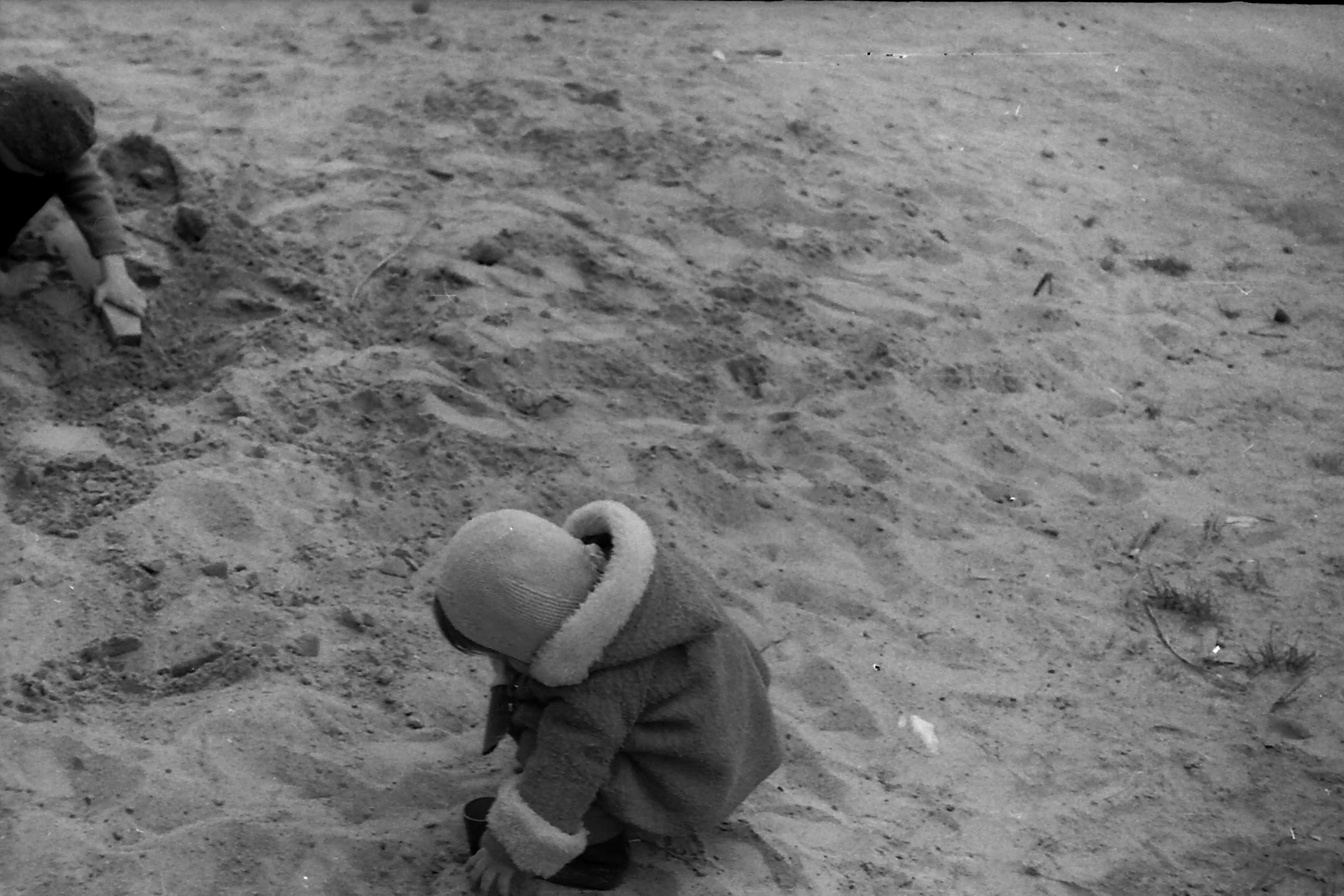
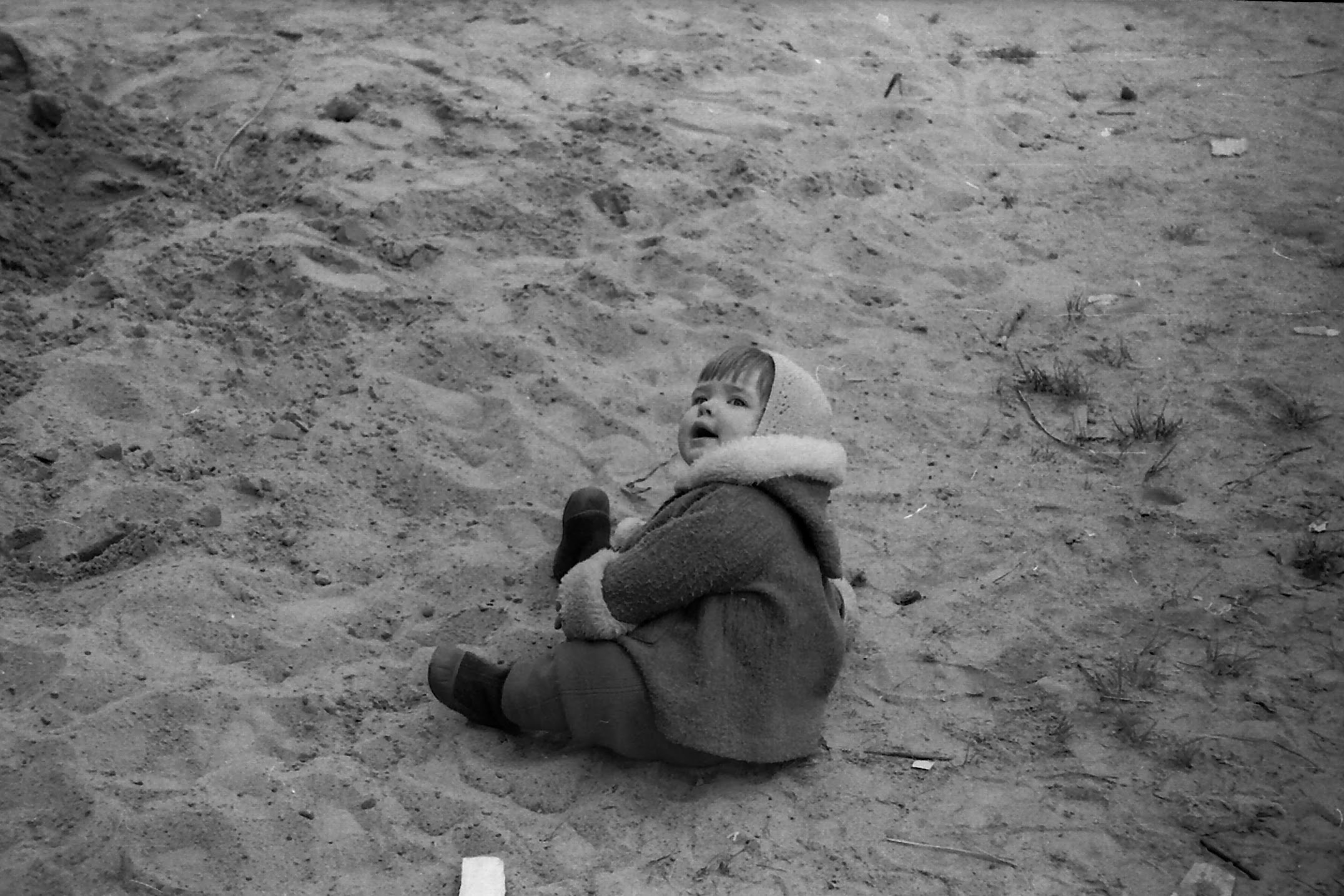
We are playing in this dirty grey sand and trying to build something:). And on the next picture, I turn my head up and yell towards the balcony for Baba Ania to drop my little shovel to me.

Continue reading “Summer 1964, part 2”

Summer 1964

The complete gallery is here, so that my children and grandchildren will know where to look for photos; I am not going to post all sixty :).

In the summer of 1964, I was one-and-a-half years old, and I spent the summer with my maternal grandparents. 

Deda Fedya (grandpa Fedya) “received” this one-room apartment from the Leningrad Commercial Port, where he worked after returning from his army service.

They lived in one of the houses built in the 1950s’, in Sosnovaya Polyana, the part of Leningrad only from an administrative perspective. I remember that in 1964, the peasant’s houses that surrounded it were freshly demolished. The wooded houses were gone, but the stone chimneys and the fireplaces stayed. Now that I recall this picture, it seems creepy, but I found it extremely funny back then. My grandfather would take me with him on expeditions to checked whether there was something worthy left in the abandoned gardens. He dug out some strawberries and planted them on his balcony, 

 I was there for the summer because of the firm belief, which I mentioned earlier, that children should have some “fresh air” during summer, and adults have to make sacrifices to make it happen. 

It was a one-room apartment, with only one normal bed for my grandparents. Mom slept on the camp bed in the tiny hallway. I slept on the small day bed. Mom walked to the train station every morning (almost 3 miles), and took a train and then a tram from the railway station to her work. My father was there only on the weekends, and I am not even sure whether their issues already started at that time.   

In any case, all these pictures were taken by my father during one of his visits. The most precious thing about these photos is that I can see parts of that apartment, and I can see Baba Ania passing by on some of them. 

The house was originally built with the woodstove only; the gas stove (on the right) was installed later) 

Mom
Mom sits on the balcony and tries to feed me some meat
Continue reading “Summer 1964”

My Life As a Toddler: The Beginning Of 1964

I am moving back to the beginning of my timeline – to the first four months of 1964.

In the previous post, I showed the pictures from my first New Year, when I was just nineteen days short of my first birthday. As I already said, I remember some parts of that day, and I remember that I was learning to walk, and the walls were not exactly straight and reliable – sometimes they would suddenly start slipping, and I would end up on the floor :).

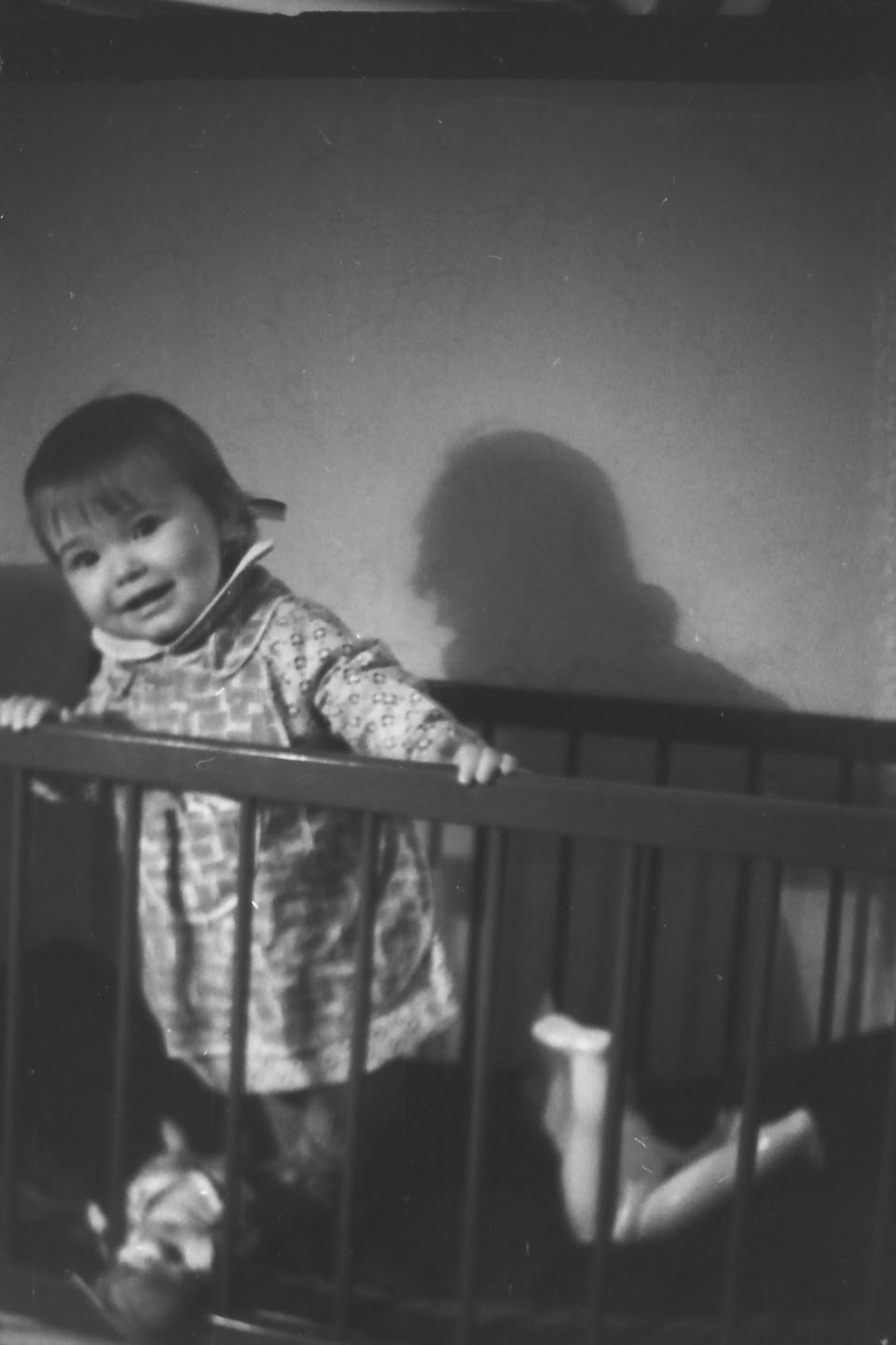
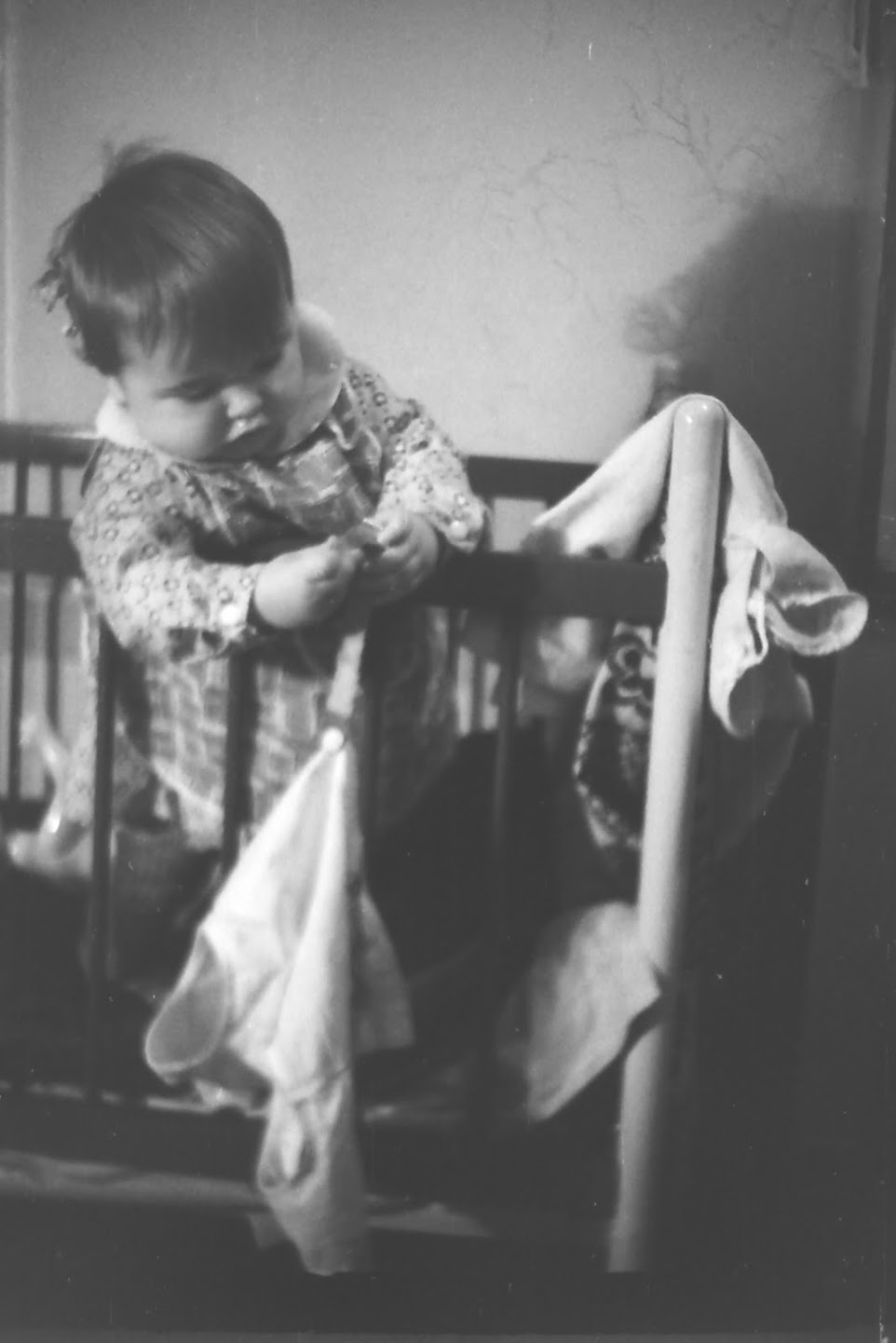
The first five pictures were taken in January. On the first three of them, I am in my crib, where I was placed so that adults could do something without me constantly falling on the floor. I have a couple of my toys there, but apparently, I am not interested in them.

Continue reading “My Life As a Toddler: The Beginning Of 1964”

Soviet Propaganda (Almost Forgotten)

Suddenly, I remembered this episode; I didn’t think about it for years until yesterday, when it suddenly popped up in my mind.

Back when I was a child, not only did we not know anything about Christmas, we didn’t even know how Santa looks like. Grandfather Frost, who was in charge of presents, looked very different from Santa, except for the beard. And even his beard looked different from Santa’s 🙂

So, we didn’t know how Santa looks like, and that’s what once happened.

I must have been in grade school, probably the 5th or the sixth grade. It was a winter break, and I was at the Yubileyniy Palace of Sports watching the New Year show on ice.

In all these shows, the scenario is more or less the same: Grandfather Frost is in danger, or got lost, or lost his granddaughter Snowgirl. And some good guys help him (most often, animals) and bad guys trying to prevent him from finding Snowgirl or take him hostage, or something else.

This time around, a villain was Santa Claus! He didn’t look like Sant at all, but we didn’t know. He was short and thin and wriggling, hunching most of the time. He wore a purple robe, which was too big for him, and a dark purple hat that looked very much like a night hat. He wore sunglasses (because spies wear sunglasses!). He had packs of chewing gum in his pockets, which he was using to bribe the good guys. There was no chewing gum in the Soviet Union, and it was labeled as bourgeois plague, and yet kids loved it, as one can love forbidden fruit.

This Santa Claus was trying to turn people away from Grandfather Frost and accept him as a main figure for the New Year celebration. In the end, he was defeated and sent away.
It was a long (two acts) and a beautiful ice skating show, and it ran twice a day through the whole winter break. The Yubileyniy arena was huge, so I won’t be surprised if most of the city’s grade school students saw this show. I didn’t feel anything wrong about it. I thought it was funny. And it was so along the lines of what we were told back then that I forgot about it entirely.
Now I think: it’s no surprise that so many people in Russia think about the US as their enemy. That concept was imprinted in people’s minds so early that they can’t even remember that.

My historical posts are being published in random order. Please refer to the page Hettie’s timeline to find where exactly each post belongs and what was before and after.
December 1996. Gray Sanborn School

In December 1996, Vlad and Anna went on their first winter break at Gray Sanborn School. For me, it meant them being in the Children’s World for the whole day, but I believe it was included in their tuition. At least, I do not remember paying more in December.

I didn’t know anything about what they were doing at school. The parent-teacher conferences happened before Thanksgiving, and they started school right after. I could not understand what school assignments meant. It’s difficult to explain: I understood the words, but I didn’t know how the Kindergarten curriculum is organized. It was very different from Russian schools, and Vlad and Anna used to say that they “played” at school, listened to the teacher reading a book. Sometimes they would bring some drawings home.

It was a real shock for me when they brought home a newsletter for the parents from their teacher, Mrs. Kramers, when on the last day of school. The letter said: if your child does not know the alphabet, it’s time to catch up. If your child can’t count to one-hundred, it’s time. What-when-how?! How come I didn’t know?! I did not know that when they connected the numbered dots to make a Santa’s face, they were learning numbers.

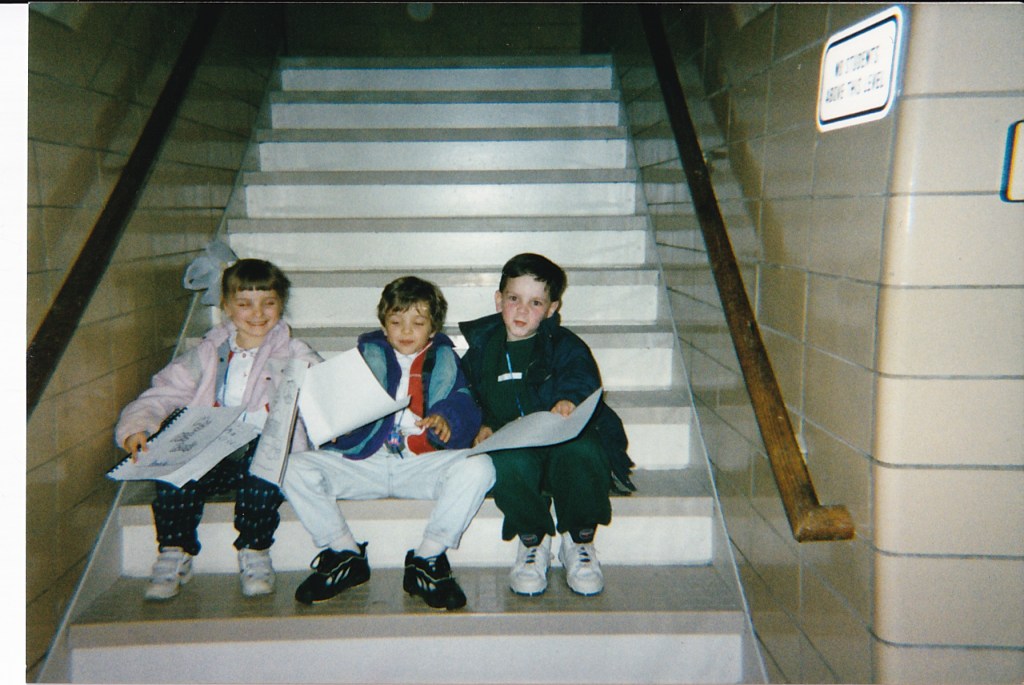
I wish I could go back in time and ask their teacher how they were adjusting, how they were learning, how they communicated with other kids. I have three pictures from that winter from school, and I am not sure who made them.

In the last picture, they are sitting together with their friend Chris. Chris was in the same class with them and in the Children’s World. Actually, his family lived in the same building, as wem but we didn’t know. Chris didn’t take a bus to school; I think his mom, Janet, dropped him off, and then his parents picked him up from the Children’s World at a different time.

We learned that they are our neighbors accidentally. It happened when Pam arrived at our apartment at 8 AM one Sunday, realized that we do not have TV service on, and started to call our neighbors to find out what cable company serves our building.

Chris was Vlad’s and Anna’s best friend for the longest time, and Janet was my best friend for the longest time.

My historical posts are being published in random order. Please refer to the page Hettie’s timeline to find where exactly each post belongs and what was before and after.
Pictures From The Day I Got Married (For The First Time)

I married Igor (Igor’s dad) thirty-six years ago, on December 22, 1984. Igor was twenty-two, and I was a month short of being twenty-two. 

The was not too young by then-standards to get married. I’d say most young people would get married around that age, either right before graduating from college or right after. I talked about this situation briefly here

I hope that I will tell the whole story of our relationships at some point, but the short outline looks like this. We started dating in September (I can’t recall the date, though I might find it). Igor proposed to me about six weeks into our relationship, and I said yes. Then we went to register to get married in a complete secret because first, we were afraid of gossips in the university, and second, we knew that his parents wouldn’t be thrilled. We went to register at the local Bureau of Registration of Igor’s district. The usual waiting time was three months, but somehow they told us that we could get married on December 22, which was only six weeks ahead, and we gladly accepted. 

Igor told his parents four weeks before the wedding day, there was a scene, but then things calmed down. Then both of us announced to my mom and all my relatives with whom we lived together, and they were very happy and congratulated us, and it was all like it was supposed to be on a happy occasion. 

We arranged for our parents to meet and get to know each other, and then the only thing we were trying to do was to minimize the attempts of Igor’s parents to have a big celebration. We wanted nothing of it. Okey, it is possible that Igor wanted, but I didn’t, and at that point, he would d what I wanted :). 

His mother used this occasion to order a good suit for him, and I asked my friend’s mother to make a velvet skirt and vest for me. I didn’t want a white dress, anything that I would wear just once. We didn’t have any extra money; we didn’t have money, period, and we didn’t want our parents to give us money. 

For me, it was just the beginning of the relationship; I knew that being in love does not mean you can build a family together, but there was no option to find it out except for getting married. 

The pictures below are the only pictures ai have from our wedding. A standard set; we got an album, and the parents got a set of printed photos, and that was it.

Our witnesses, Igor’s friend Sasha and my friend Lena, were the only people, except for our immediate relatives, who knew that we were getting married, and we asked them to keep the information to themselves. 

On Igor’s side, it’s his mother and his stepfather, and I do not remember why his father was not invited. 

I think, it was the only time when I dated somebody taller than me, and I could wear high hills:)
Continue reading “Pictures From The Day I Got Married (For The First Time)”