
I am reading Ann Appelbaum’s Gulag, and it will be a while until I finish it, but I can tell even now that this is an amazing work that stands out among all other books I read on that subject. However, I am not going to write about this book today. This blog is about something else.
***
When I was a teenager, I thought I knew enough about the “unspeakable” part of the history of the USSR. Having almost all of my family suffered different forms of oppression starting from the 1930s and ongoing, I was more knowledgeable than most of my peers, even among the Leningrad intelligentsia. It turned out that I knew close to nothing.
For example, I didn’t know anything about Holodomor. Yes, they didn’t teach about it at school, but neither did they teach us about labor camps. My relatives and my friends’ relatives told me about the arrests and interrogations, and I read real people’s diaries, which were never published. I nobody, nobody ever mentioned anything about kulaks1 being sent to the same camps!
Now I am asking myself why people of similar upbringing (Boris seconds my recollections) and I believed that “everything started” in 1936? Or at 1935 at the earliest?
Many books and movies present a picture like this: life is peaceful and beautiful, and that’s a nice and peaceful summer evening, and nobody expects anything, and all of a sudden, here is a “black raven,” and the father is getting arrested, and children are sent to the orphanage, and everybody’s life is ruined. Why?
There was no peaceful life, and everything was already wrong; why was it OK? Did they only care when the Great Terror started to grab people of their kind?
Why did none of my peers know that orphans were sent to the concentration camp, that kulak’s families were sent to the camps? Why did their relatives never tell them? Is it that they “didn’t know” about that before they were arrested, and then these tiny facts became “less important” when measured against their own misfortunes?
Maybe some of them didn’t know. But not all of them.
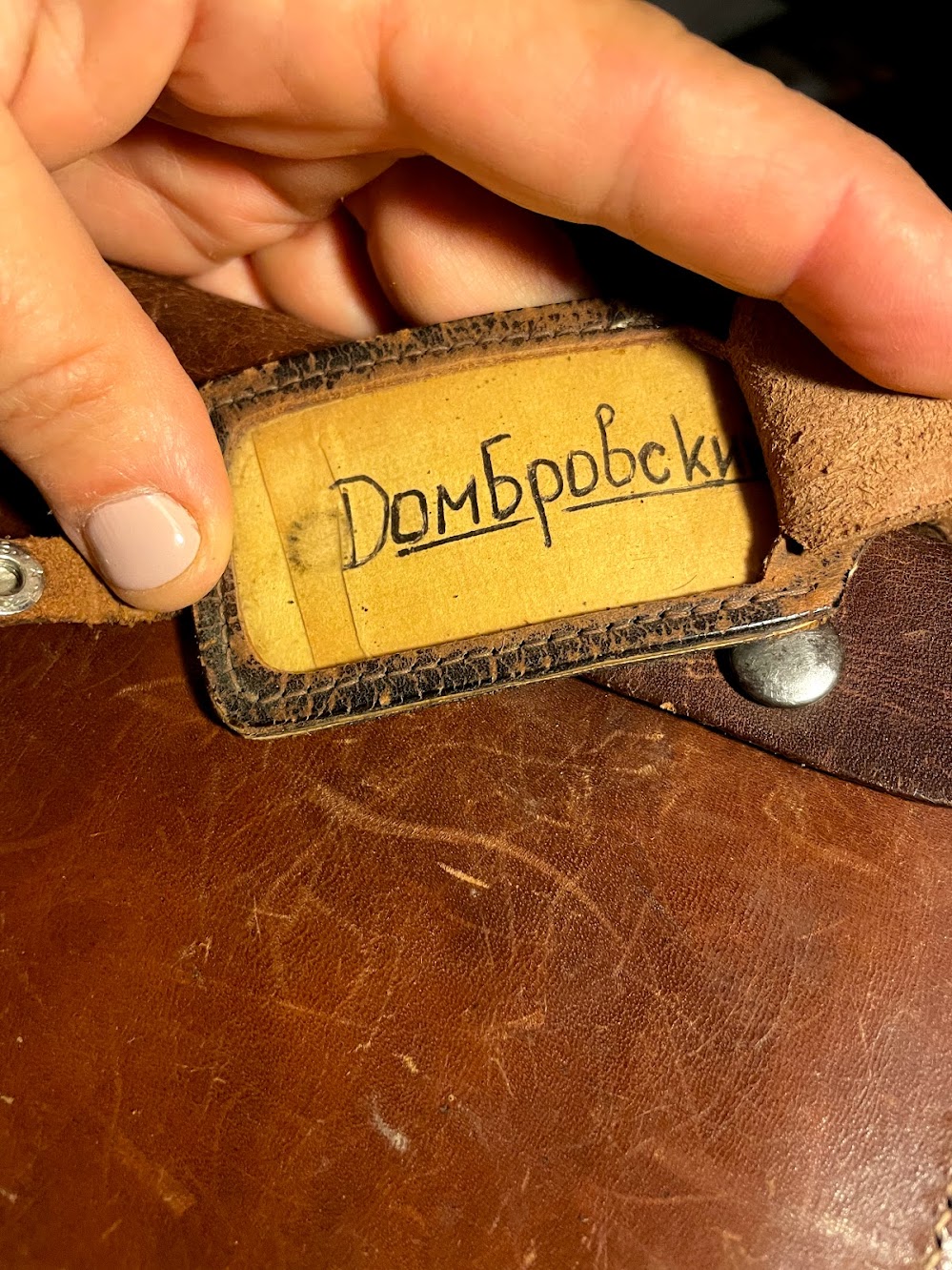
My grandfather was always portrayed as an “honest Chekist2” by my family members. Yet, his professional career started in the early 1920s when he was in Turkestan3, “fighting with Basmachi4.” That’s when he got his first stars. Did he not know? I doubt it.
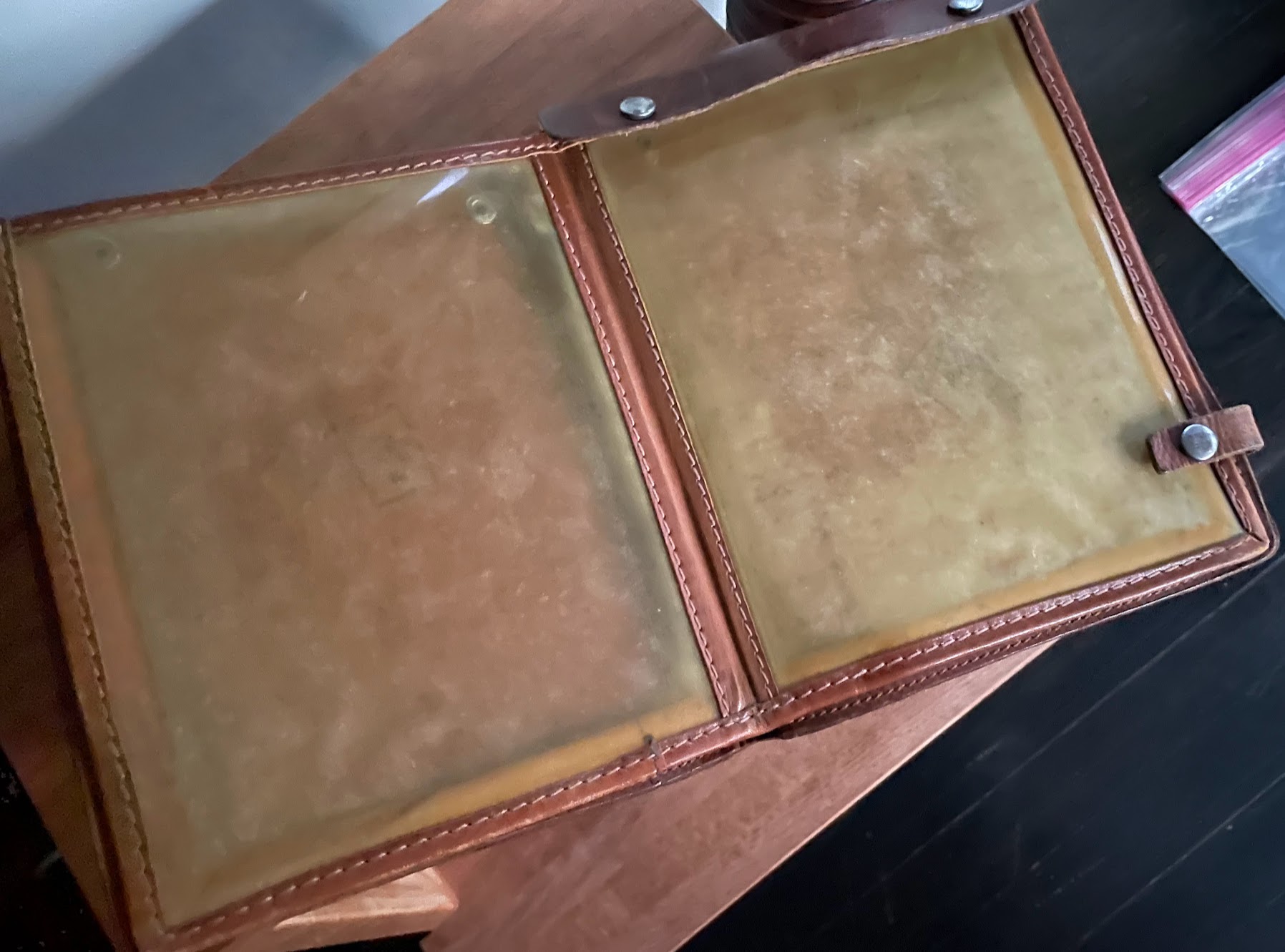
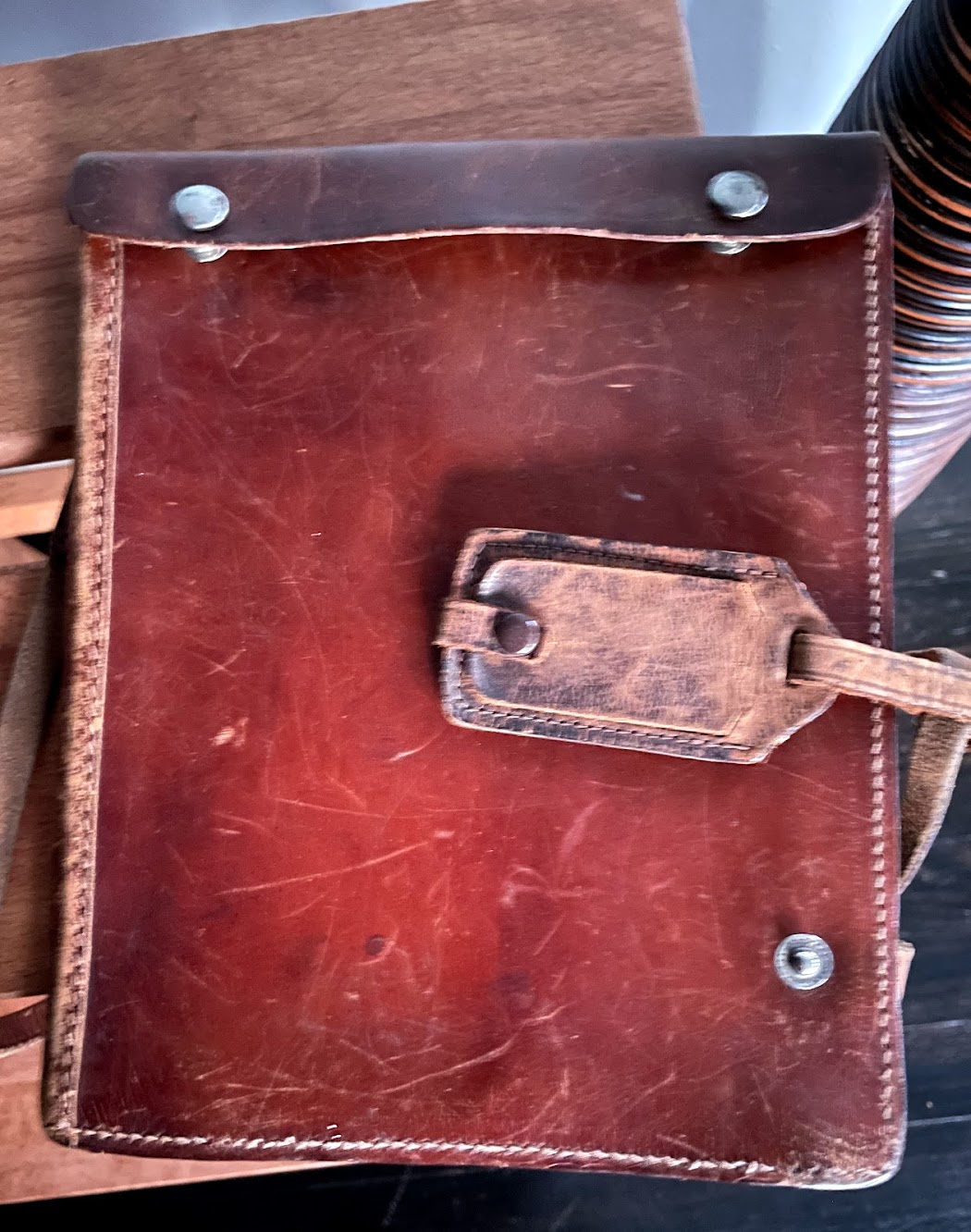
Yesterday morning, I thought about what I believed I read in his file (the part of it which I own). I was frightened when I thought I didn’t remember where it was, but I finally found it.
The writing below is a draft of the “Characteristic” written by a famous Soviet movie producer, Ermler, as a testimony about my grandfather’s moral character.


That was a part of the rehabilitation effort, which resulted in acknowledging his innocence. Here is what “the master of Soviet propaganda” writes:
The resistance of our enemies was tremendous, and Chekists, like Dombrovsky, were on the front line of this struggle. They bravely fought with our enemies, smashed them, and built a new society.
My conversations with Dombrovsky were of great help to me since he often gave me good advice and helped me to correct my course. For example, I produced my movie “The Farmers” under his influence. He was very insistent in his demands to produce a film about the struggle with kulaks. He explained to me that this was one of the most important issues and that revealing the animal nature of kulaks to the public.
So he knew. And moreover, he was a part of it.
***
In the middle of the 1990s, when new parts of this forbidden history started to emerge here and there, my grandfather’s name started to appear in the press more and more often, mostly, however, in connection with my grandmother, who was a subject of many pieces of avantgarde poetry in the late 20s- early 30s. I remember one article (the whole newspaper page) in which the author speculated that since my grandfather was jealous because of this massive amount of love poetry and because he was a Chekist, it was he who ordered all these poets to be arrested. I told it back then, and I am repeating it now: this was 100% not true, and nobody who knew what the actual relationships between these people would ever think of any of that.
I asked my father why he didn’t protest. Why didn’t he write anything in response (in those days, objections were taken seriously.) I asked him why he would let this disgrace keep going. He replied: “You know, everybody had blood on their hands. Some up to the wrists, and some up to the elbows, that’s the only difference.” I hated his reply. I thought that he just didn’t want to get into the fight and backed out. And I promptly forgot about this conversation (as a coping mechanism.)
I recalled it recently. My father was a horrible person, and there are many things he has done that I will never forgive him. However, he was brutally honest about the past. He had no admiration for Solzhenitsyn, and he knew more about his father than he ever told me. I know that in the mid-50s, he was allowed to see his father’s file in the archive. He was not allowed to make copies or take notes, but he saw it. And he never told me anything about what he saw.
***
From multiple conversations with my greataunt, I have a pretty good idea about what people thought back then. They believed one can “bring happiness on the tips of bayonnets.” Still, I can’t understand why they were so ignorant.
My ignorance, multiplied by the ignorance of the previous generations, made the current state of Russia possible. Not only mine, but many of “us.” What’s done can’t be undone, but it’s important to acknowledge what was done. The only way to ensure this will never happen again is to understand precisely how it happened.
1 – Farmers who refused to join collective farms or were a little bit better off than others
2– A person who served in the “CheKa – “Extraordinary Commission”, the secret police.
3 – The Middle Asia Region established in the mid-19th century as a part of Russian Empie (link here).
4– The anti-Russian resistant movement in Turkestan (link here)


 Hettie's Reflections