Homeless Turning To CTA For Shelter

I hear it a lot: how unsafe the CTA has become during the pandemic, especially the Red line. Not only do I hear about that, but I also see all the homeless people, especially when I happen to take a very early morning train.

I believe this article in Tribune provides very in-depth coverage of the problem describing measures already taken and some immediate plans.

As usual, copying the text here.

Continue reading “Homeless Turning To CTA For Shelter”

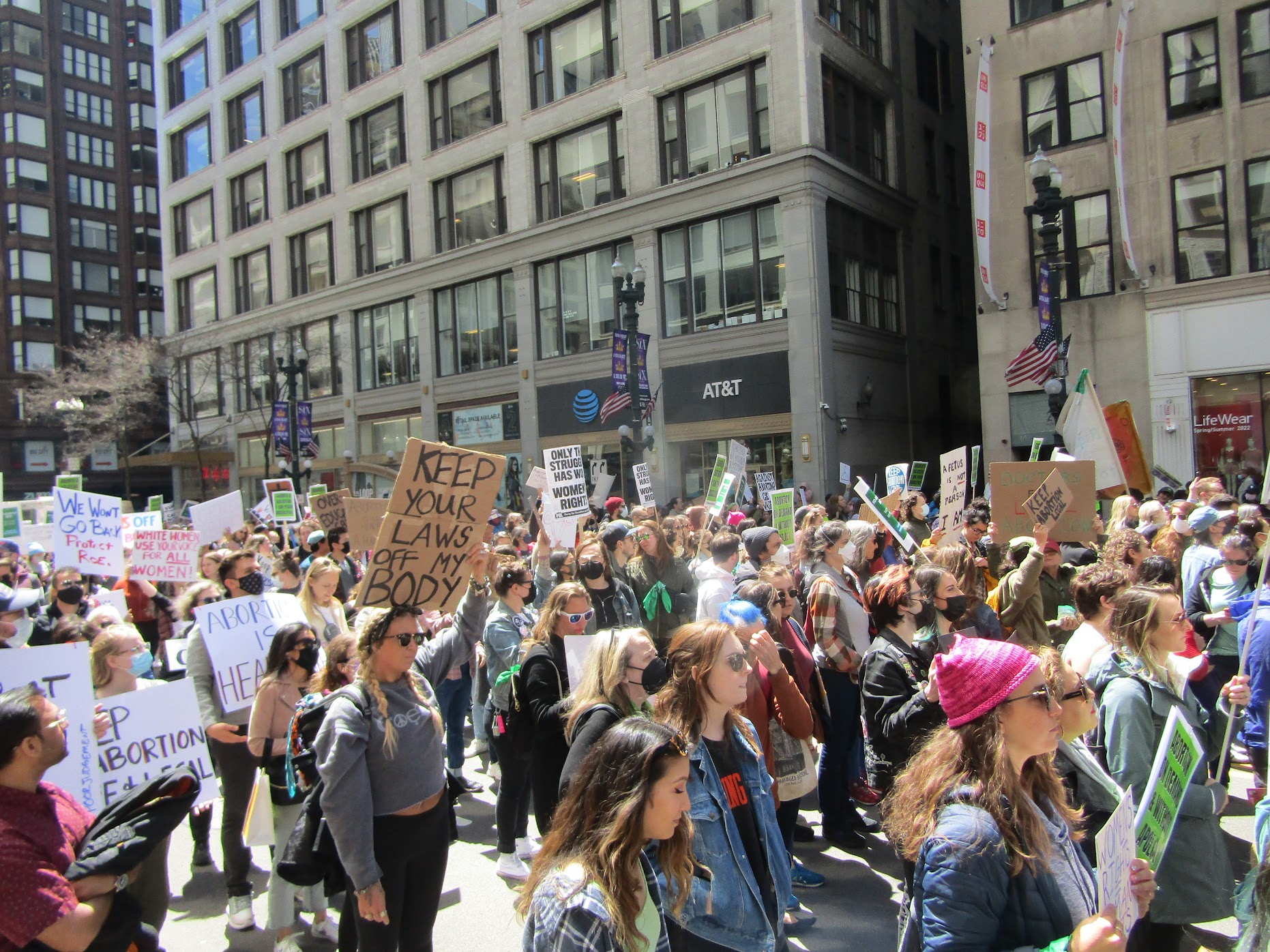
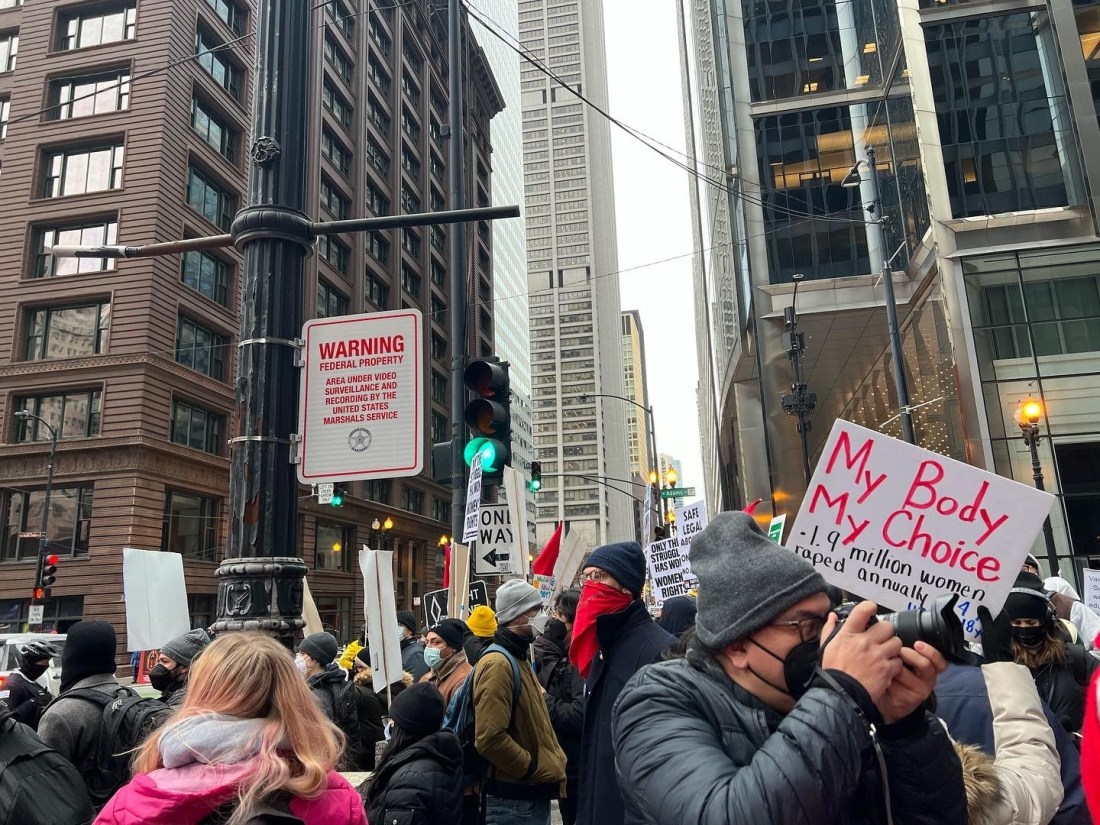
Roe/Wade Protests And Rallies

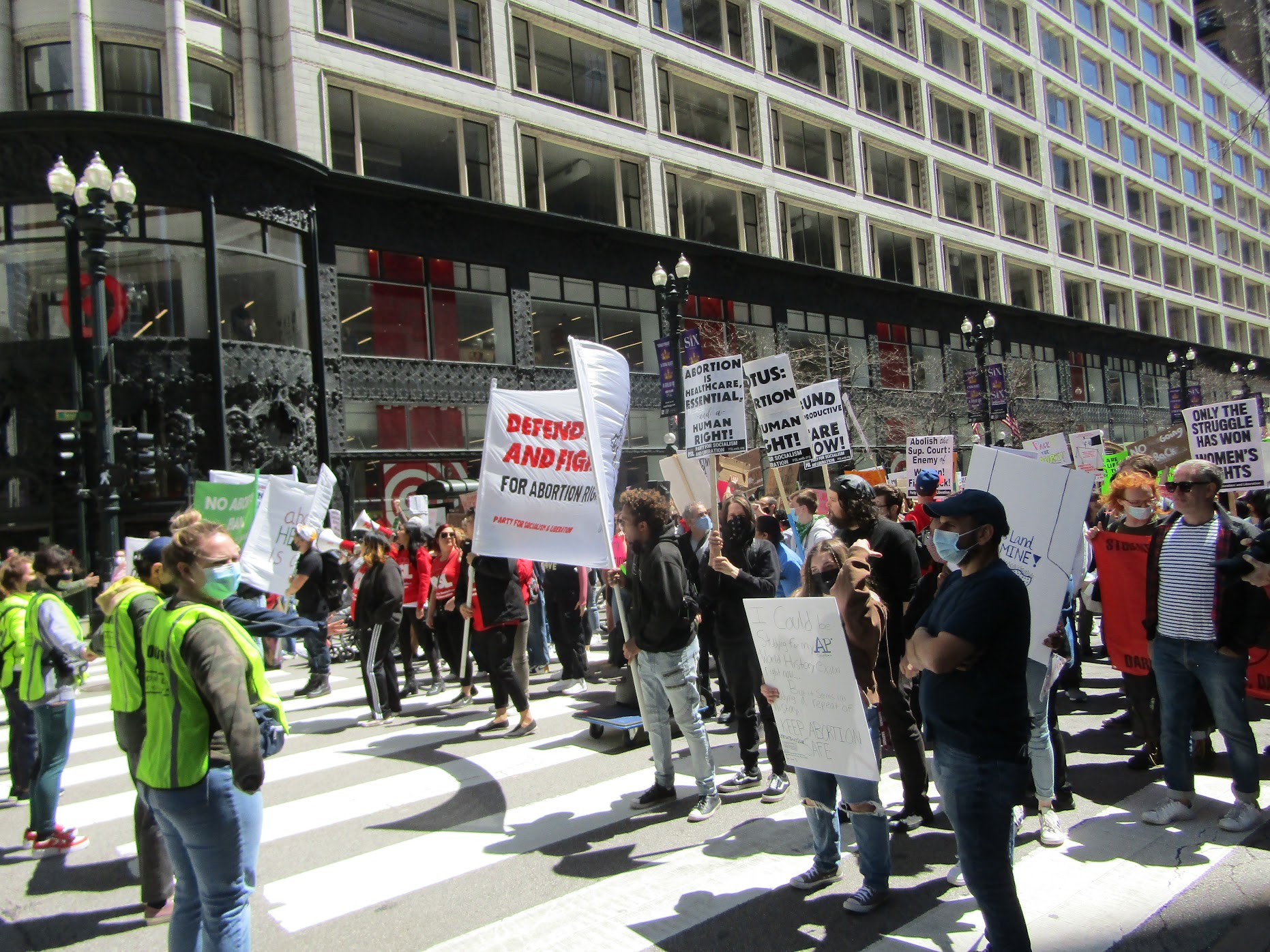
While in Europe, I almost entirely missed the new development with the Roe/Wade overturn. Then, I felt guilty that I didn’t pay enough attention and didn’t participate in the protests. I was flying in on May 1, so I missed all May Day things. I got a little bit of the protest last Saturday after I took mom to the Joffrey Appreciation Day, but they were almost done with the rally by then and were preparing to march.

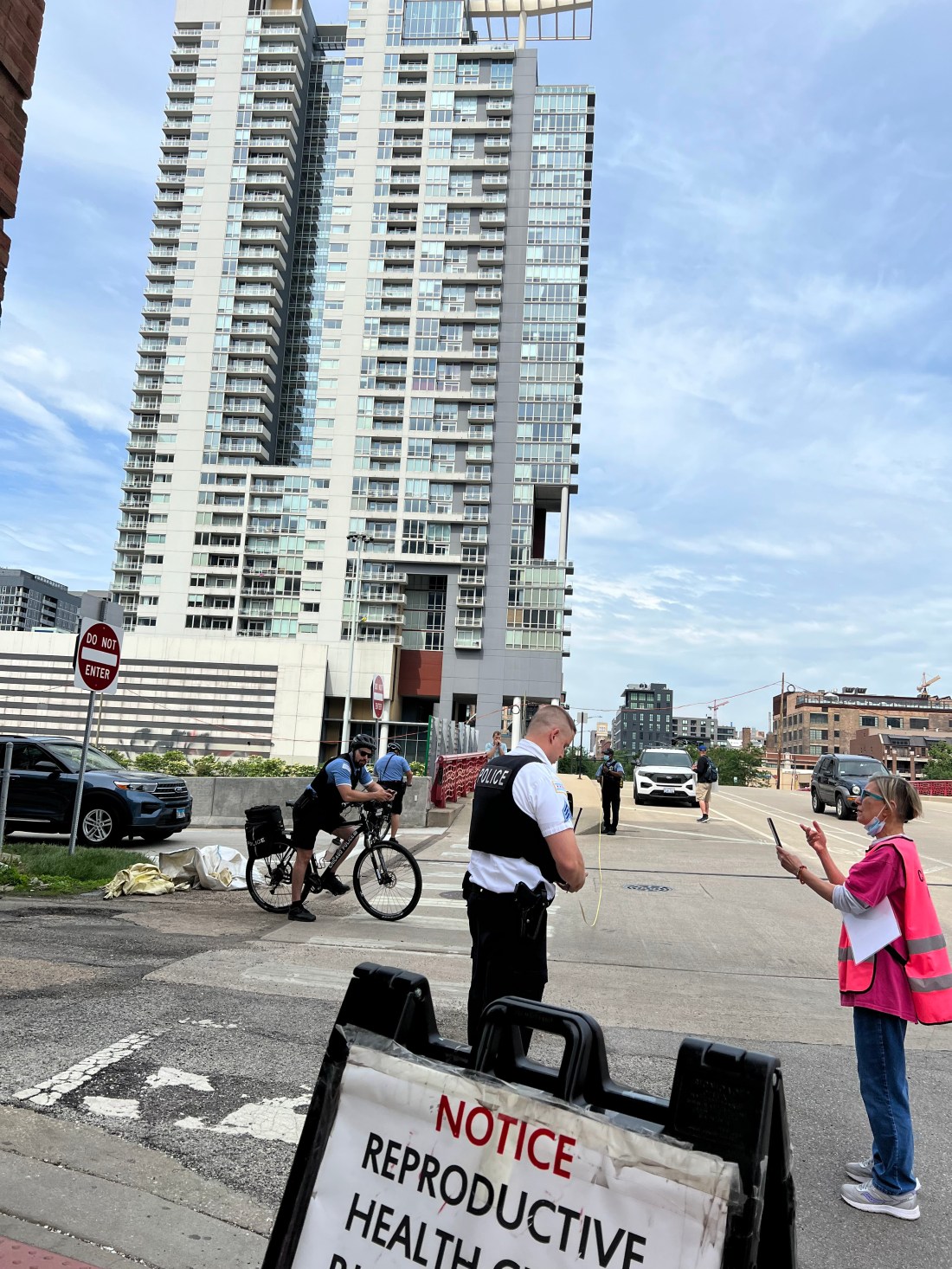
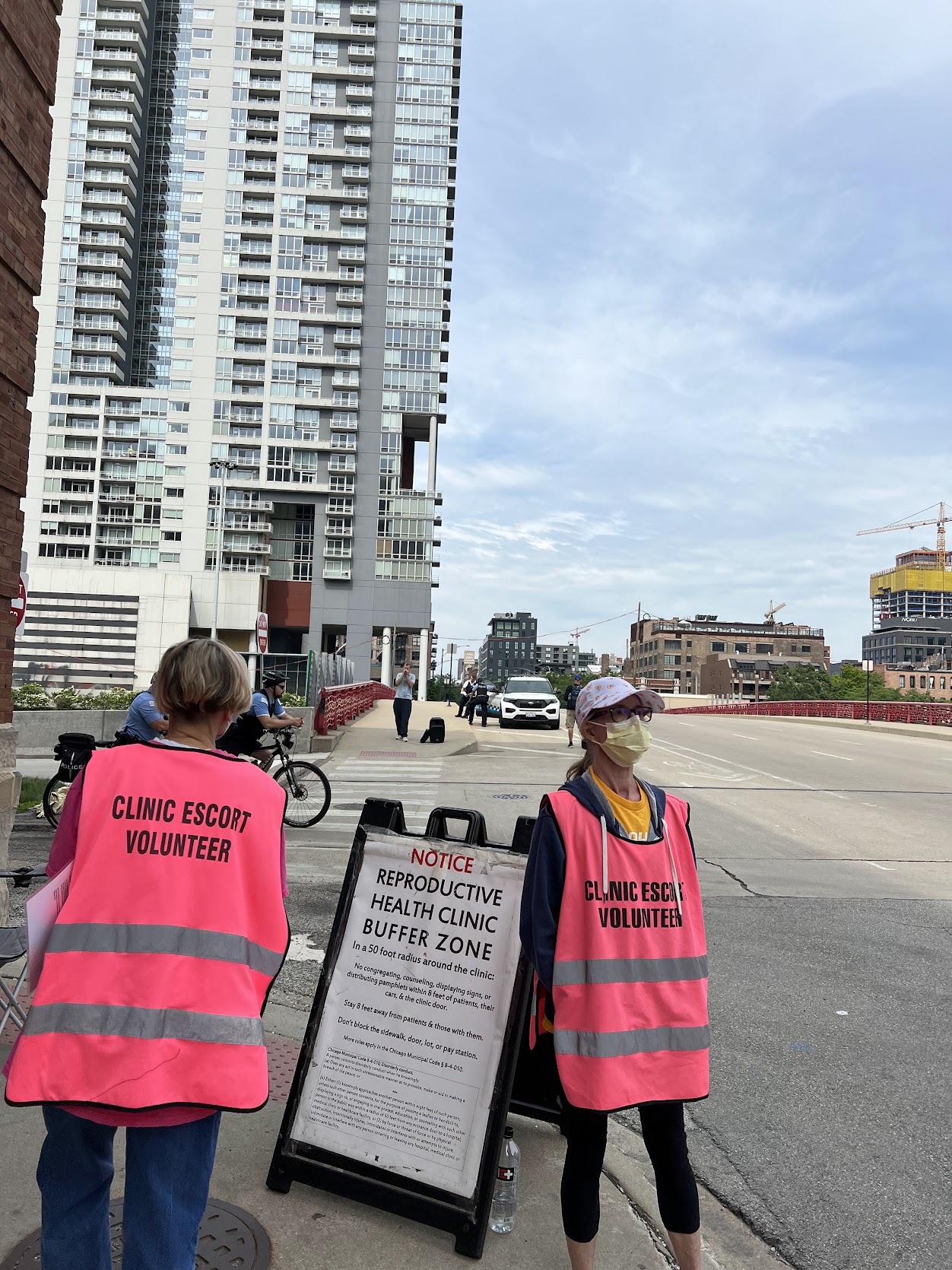
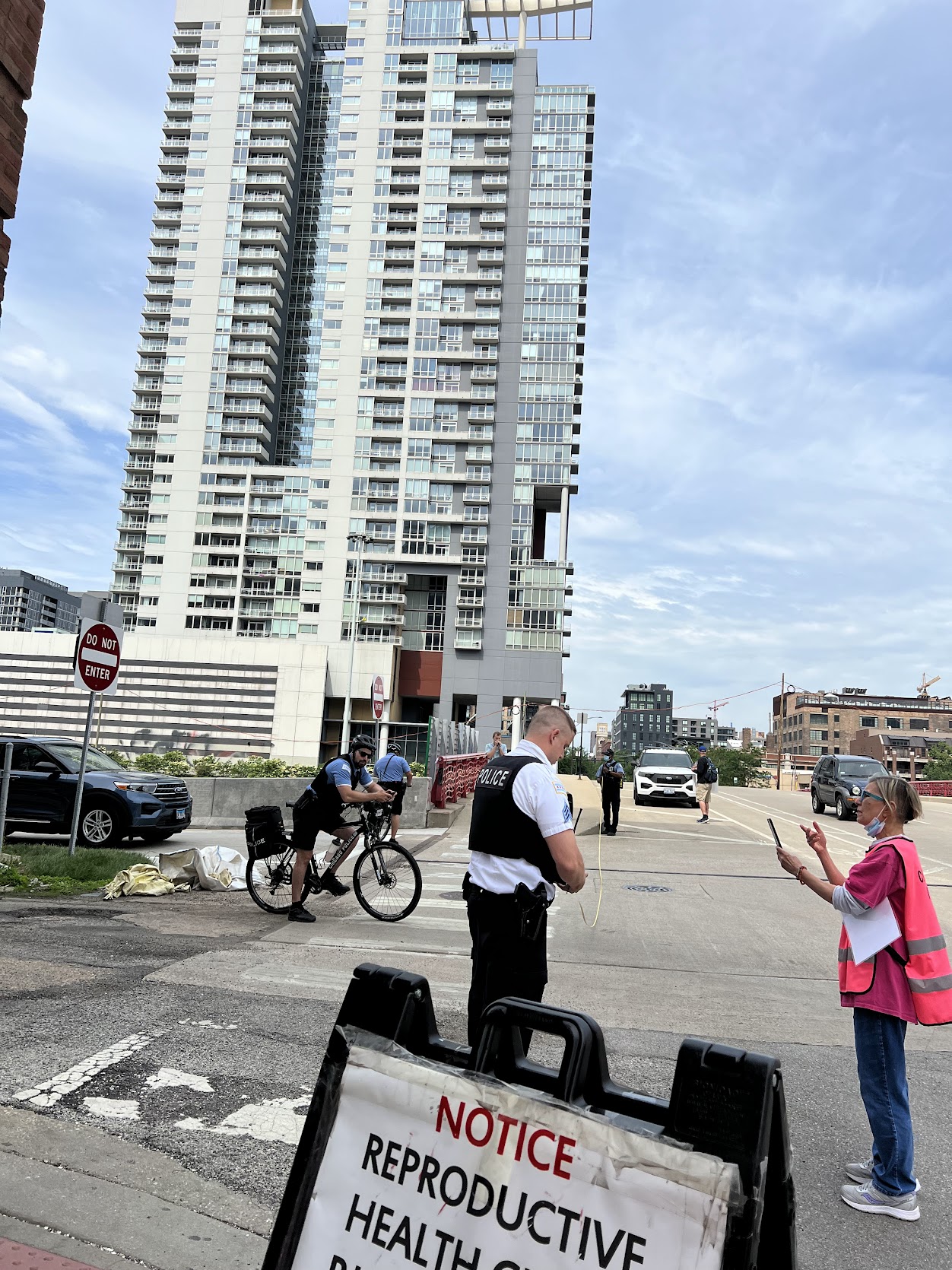
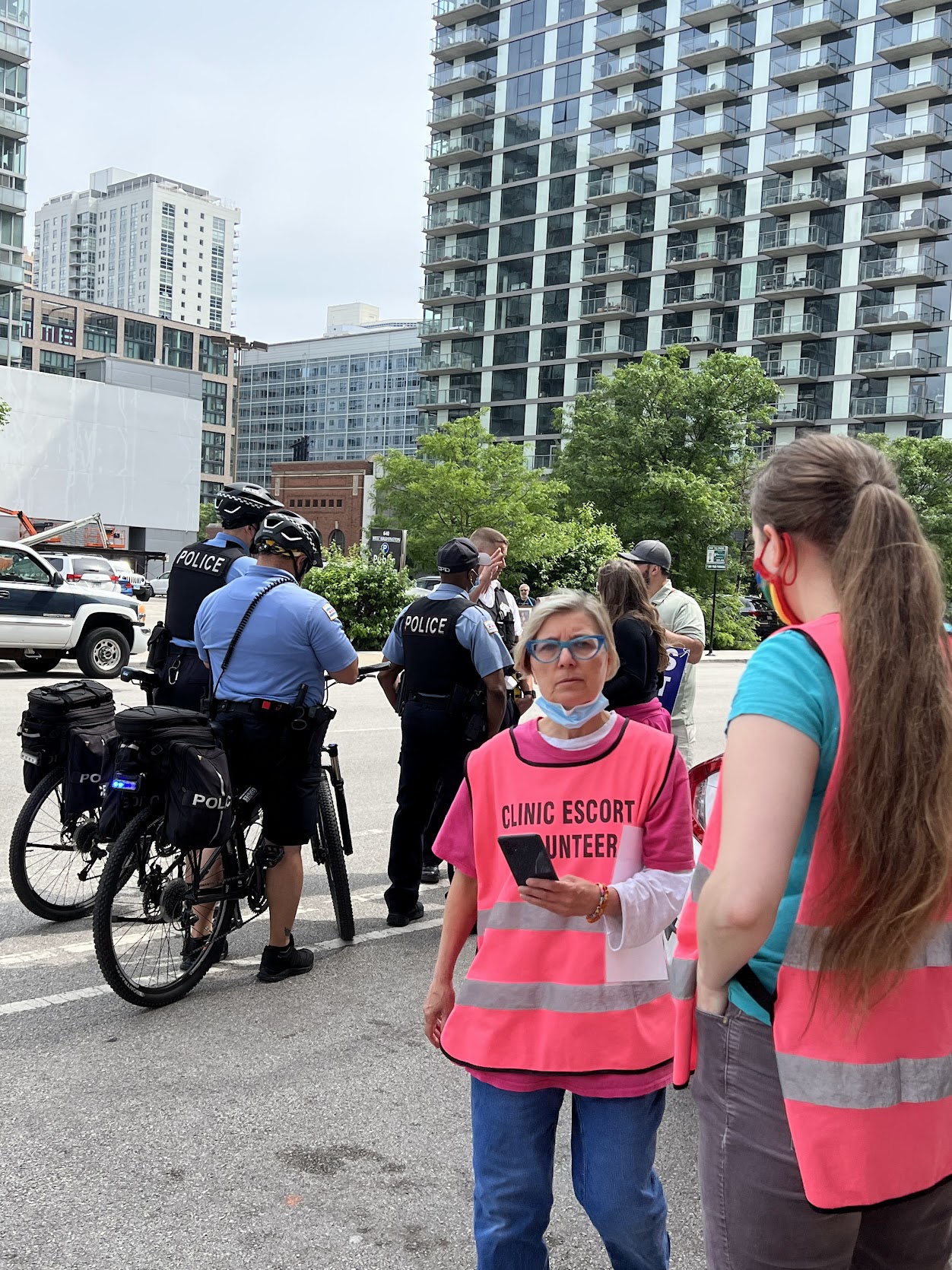
Today, I went escorting and thereby was unable to attend the event in Union Park.
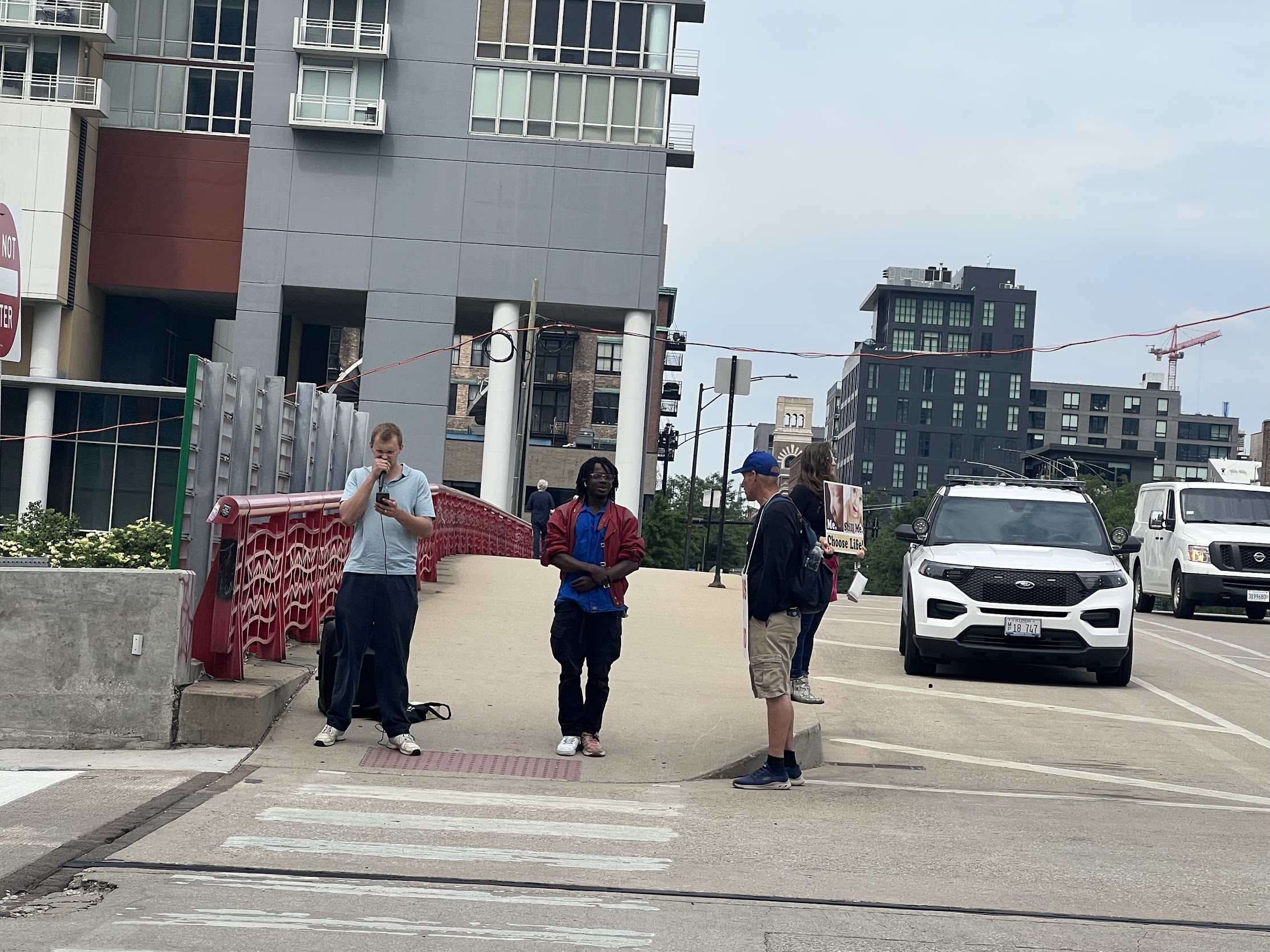
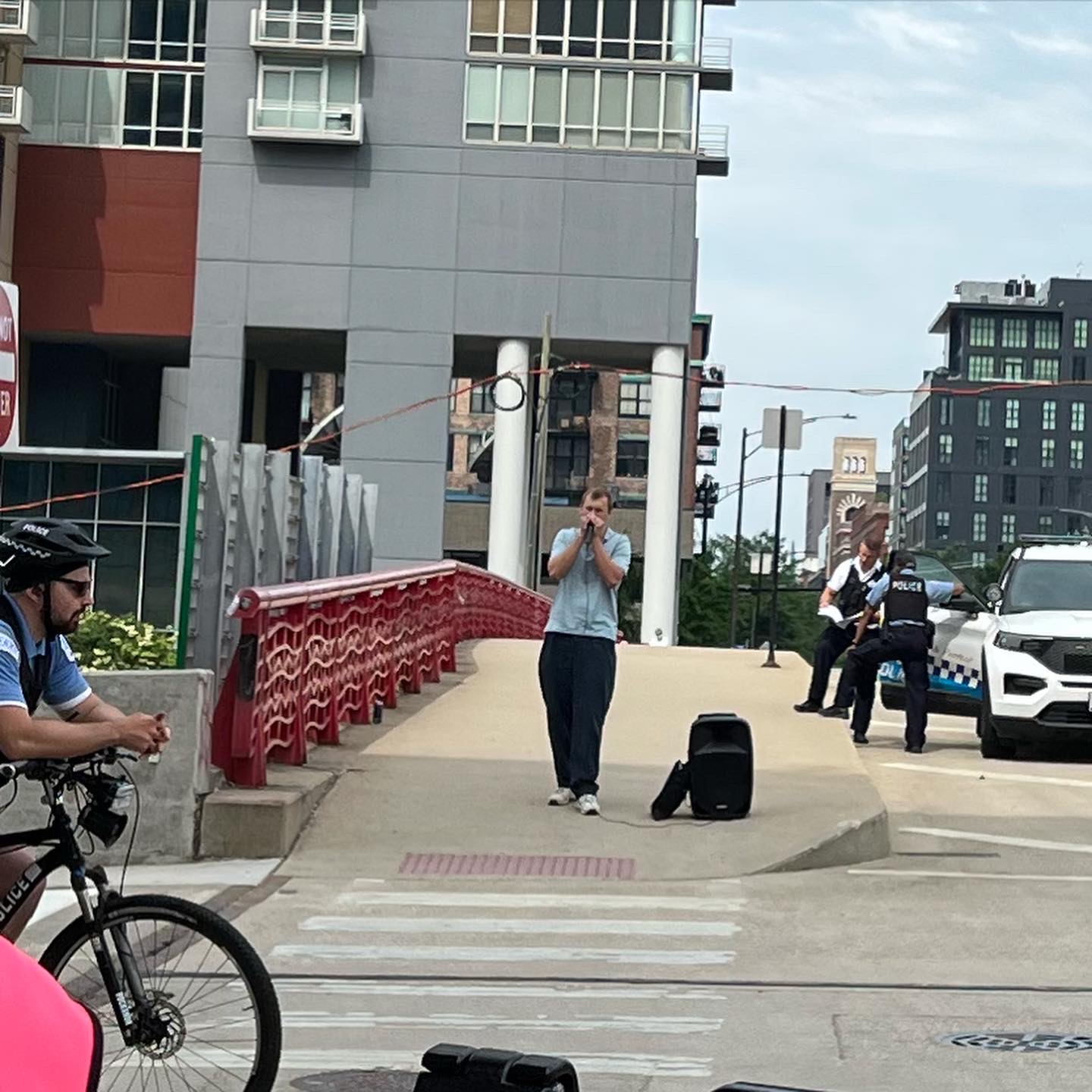
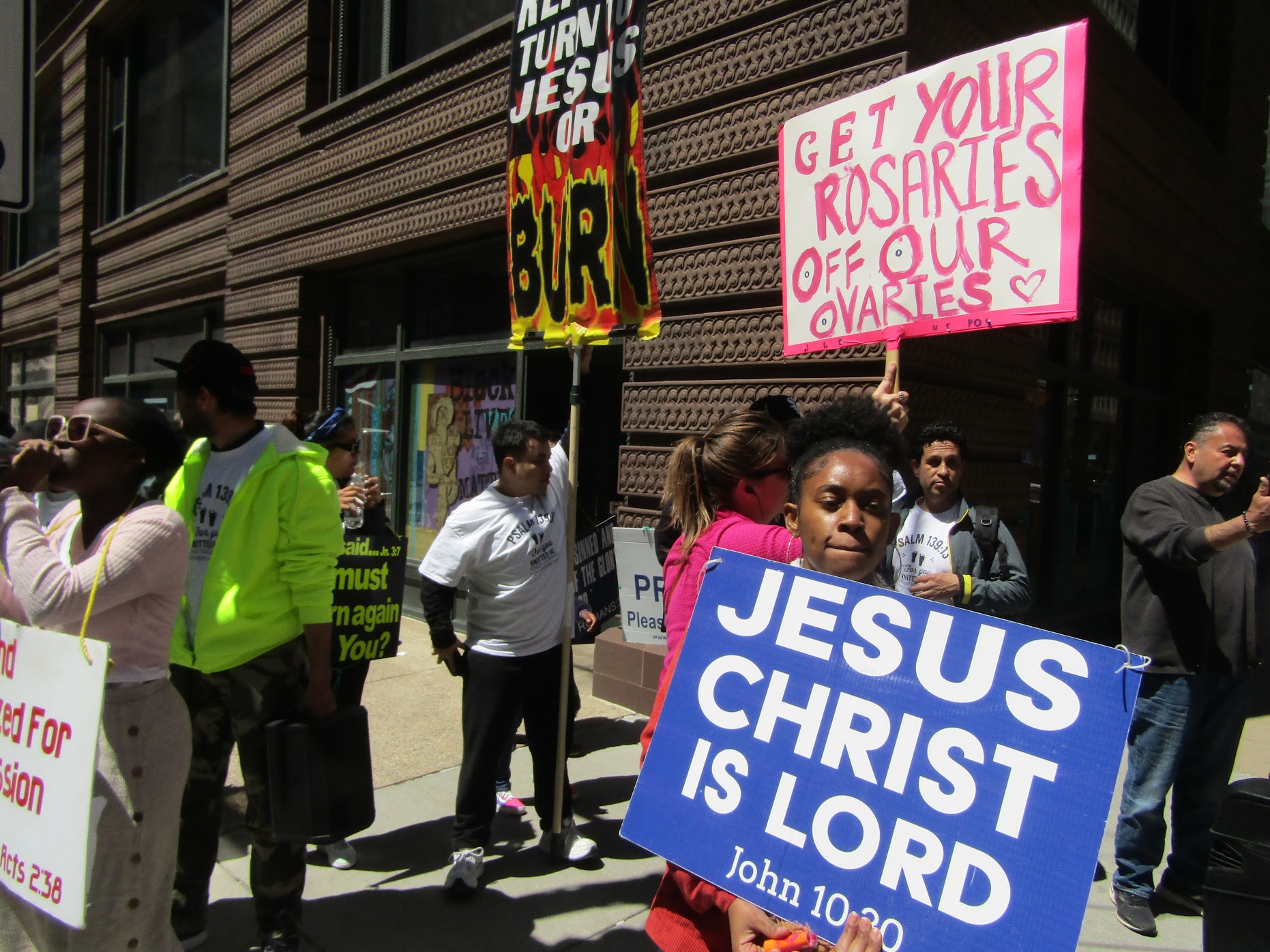
Escorting was definitely more important because antis went wild. What surprises me is that antis are always using the same old tune. They didn’t come up with anything except for the same old “you are murdering the human beings.”Today, I was busy the whole shift, walking the patients to and from their cars, making the human corridors, and making noises so that antis could not be heard.

At some point, a clinic security guard came to stand with us and helped to hold the tarp to cover the anis posters. And he actually yelled at antis because he is not an escort :).

Then, I could not do the later protest today because of the bad planning (I had three other events, and I lined them up in a suboptimal way). I saw a lot of social media posts, and I caught a little bit of the Millennium park event at the very end of it.

The number of antis who appear at the pro-abortion rallies still bothers me. That’s Illinois, that’s Chicago, and I can’t believe it when I see huge groups of antis, so loud and talking the same nonsense. I am so allergic to propaganda after I had it all in the Soviet Union!

And one more thought, When I am asked what the abortion situation in the Soviet Union was, I usually reply that abortion was legal, it was just a very humiliating process, and no anesthetics were allowed unless you illegally paid for them. It was not until recently that I realized that the fact that you could not get an abortion after 12 weeks was an abortion limitation! It just never occurred to me that it could be different!

Last week’s protest – Igor’s photos

Roe/Wade

I didn’t have time to blog about anything since returning from my trip; there was too much work. I still have a lot of photos from Lithuania, and I do not know when I will have time to sort them. And while I was so preoccupied with my private things and the war, I completely lost the situation with Roe/Wade. Now I blame myself for ignoring most of the protests, not being there, and putting these activities on the backburner. At the same time, I know that participating in Saturday protests completely doesn’t fit into my schedule. Unfortunately, this is not the last protest… not sure which emoji is appropriate here.

Homelessness

Because of my volunteering with homeless individuals, I immediately notice whether the situation there is better or worse than in Chicago each time I visit other cities. And if it is better, I wonder what these cities are doing better and what we could do in Chicago.

I think about this each time I visit Helsinki, but it was even more pronounced this time. I went to clinic escort on Saturday morning, and I had to go to the earliest shift because I was leaving the same day. It was the first time I ever ook the Red Line as early as 5-15 AM, and the first two cars were pretty much “sleeping cars” – I didn’t even try to get in and move to the third car right away. The next day, I read a letter of complaint from some North Side residents about the homeless encampment and how “they have too many defendants, like the Night Ministry…”

I understand people’s frustration, but I also know that, unfortunately, we do not have any solution in Chicago. It’s great, that the homeless problem in Helsinki is almost non-existent, and I wonder whether we will ever be close to that…

Scenes from last Sunday’s anti-war protest in Chicago’s Ukrainian Village

When the Russian-Ukrainian War broke out, my mom and I knew that there are going to be rallies and protests in support of Ukraine and against the war – and we wanted to be a part of it. But my usual sources within the Russian-speaking communities, and the general activist chatter on Twitter, kept failing me. I kept finding out that event after event already happened from new stories and live-tweets covering them. So when, last Thursday, I found out there was going to be a rally on Sunday in front of Chicago’s Ukrainian Village’s iconic Saints Volodymyr & Olha Ukrainian Catholic Church, I figured I was going to try to make it, and encouraged my mom to do the same.

As the name suggests, Ukrainian Village is a neighborhood on Chicago’s Northwest Side originally settled by Ukrainians from what was then the Russian Empire. While Ukrainian Village isn’t as Ukrainian as it used to be in its heyday, it still has a number of Ukrainian churches, cultural institutions and even some stores and restaurants.

Continue reading “Scenes from last Sunday’s anti-war protest in Chicago’s Ukrainian Village”

A Counter Protest

On Saturday, I went to the counter-protest against March for Life. Good thing – there were way more people than last time I participated. However, I am not sure why the rally or organizers decided to march around the loop. I am not even sure whether the idea was to march to the hotel where the Pro-life conference was taking place, or what, because it ended up by the Art Institute.
In any case, I think that we would be much better off if we stayed across the street from the pro-life crowd.

Some pictures:

Pro-life rally
Dividing line
The counter-rally
Continue reading “A Counter Protest”

The story behind the mural that got painted in Austin, Chicago last summer

I ended up doing this article because, back in November, a week before Thanksgiving, I was taking the bus past the intersection of Chicago and Laramie avenues and noticed a large, bright mural on the building at the northeast corner intersection that definitely wasn’t there back in June. I noticed the name of the artist – the iconic Chicago muralist Rahmaan “Statik” Barnes – and tried to reach out to him. It took a few weeks to successfully pitch the things and get in touch with Barnes, but I filed the article December 9.

A very truncated version of the article was published in print, in the December 15 issue of Austin Weekly News, but, as of this writing, it never showed up online. Since I thought that the print version lost some pretty interesting parts, and since it doesn’t officially exist online in any form, I decided to post the article as submitted.

A bit of a side note. When I was trying to take a picture below, the group of Black teens who were hanging out nearby weren’t exactly happy to see a white guy with a camera. But when I persuaded them that I wasn’t there to photograph them, they offered me weed.

Continue reading “The story behind the mural that got painted in Austin, Chicago last summer”

Kenosha after the Rittenhouse verdict – calm in the eye of the storm

The day after the jury found Kyle Rittenhouse not guilty of all charges related to him killing two people and wounding a third, I took the 12:51 PM train to Kenosha, not sure what to expect.

I wasn’t expecting the kind of rioting and looting that rocked Kenosha in the wake of the shooting of Jacob Blake, which inspired Rittenhouse to drive to the city and play vigilante. I agreed with several other journalists that mentioned on Twitter that the weather was way too cold for this kind of thing. But I figured there might be protests. And, honestly, I was curious if we might see something like the mass painting of murals on the plywood I saw when I went to Kenosha on Aug. 28, 2020, three days after Rittenhouse shot three people and five days after Blake was shot. That came as a complete, albeit pleasant surprise to me at the time.

I’ve blogged about that visit, and the visit in October of the same year. Since then, I’ve been to Kenosha in March of this year and in the end of May. I saw more and more plywood come down. In March, I read an article in Kenosha News I got at Kroger’s about how the city really wanted businesses to take the plywood down, and saw in the end of May that, while most did, a few didn’t. In those two times – it wasn’t as if the events of last summer, of the then-upcoming Rittenhouse trial, weren’t on people’s minds, but it wasn’t what people focused on. I was curious how people were feeling now, when at least one chapter of this saga is over.

Some words about my feelings on the verdict. I wasn’t able to follow the trial as closely as I would’ve liked – I still have work, and writing of the creative kind – but, from what I’ve seen and read, I thought the prosecution didn’t make the best case. And there the fact that Wisconsin law, like the law in some other states, allows people to brandish firearms who have no business brandishing firearms, and gives too much leeway to people claiming self-defense. Two people died, one of whom was unarmed. There have to be consequences for that. Maybe not life in prison type consequences, but consequences nonetheless.

I’ve heard some variation of the statement that this would have played out differently if Rittenhouse was black, and I think there is something to it, in the sense that, one of the things covering majority-black neighborhoods taught me was we as the American society more readily assume danger when it comes to Black men, even Black kids, the way we don’t necessarily do with white kids. An African-American teen brandishing a rifle would’ve gotten more concern, I doubt police would’ve been allowed him to just walk away and I think the jury would’ve been less inclined to see him as a scared kid fighting for his life.

I wanted to go to Kenosha on Friday, when the verdict was announced, but Metra Union Pacific North Line schedule, which already didn’t have that many trips to Kenosha, only got worse since my last visit. The only way to get to Kenosha now is to take an early morning train, and the only evening train returning to Chicago is earlier than ever. But Saturday schedule, which was restored at the end of May, is still more flexible in that regard. I still managed to miss an earlier morning train, but at least the Saturday schedule had a noon option.

Like I said, I expected that there might be a protest, maybe a rally, maybe a handful of protesters at the courthouse. But that’s not what I found in Kenosha.

Continue reading “Kenosha after the Rittenhouse verdict – calm in the eye of the storm”

The Color Of The Law: The Book Review

Just finished The Color Of Law by Richard Rothstein,

Each time I read something about Black History it strikes me how little I know. It seems like no matter how many books I read and in how many conversations I’ve participated in, it is still not enough.
I had no idea that so many discriminatory clauses in the housing regulations were actually spelled out like discriminatory. Like many other people, even those who like me are well aware of housing inequalities, I was still sure that the unjust economic positioning of Blacks resulted in unjust housing. I had no idea that many city zoning codes, state regulations, and even FHA guidelines had explicit segregation statements. It’s mind-blowing, and I can’t get over it. I didn’t know that Black veterans were effectively denied the benefits provided by GI Bill because you could not get mortgages in general.

It’s from that book that I learned about the contract sales of real estate (and I naively thought that the way people buy houses around me, that’s you get a mortgage and you own a home right away, is what everybody does. And the list of what I didn’t know before goes on and on.

I also find every important several comments which were made in the conclusion of the book. I often resent the opinions of some relatively new immigrants who are making statements to the effect of “why I should feel guilty for slavery, why I should sacrifice something to repay the past wrongdoings if my ancestors were not even here when all these things happen? The author cites an answer to a similar question: you were not there in 1776, but you still enjoy a hot dog n July 4. This means that when you come to this country in search of a better life, although you yourself work hard to achieve prosperity, you still benefit from the wealth, from the governmental institutions, from the quality of life in this country, from everything which was built by previous generations. And when you accept all the benefits of living in the US, you accept all the responsibilities for how that wealth was built.

I hear that sentiment (“My ancestors were not here”) frequently, and I know I have a good quote to answer.

On Texas Anti-Abortion Law

Copying today’s article from Chicago Tribune by By ANGIE LEVENTIS LOURGOS:

In a 5-4 ruling, the U.S. Supreme Court on Wednesday refused to block a Texas law that bans most abortions as early as about six weeks, before many women even know they’re pregnant.

The law — considered among the most restrictive in the nation — is unconventional in its approach, because it permits any private citizen to sue abortion providers or anyone aiding women in terminating a pregnancy, including someone who provides women rides to an abortion clinic or helps fund the procedure. The measure prohibits abortion after a fetal heartbeat can be detected.

Abortion rights activists fear the case could set precedence and other states might adopt similar laws, particularly some in the Midwest and southern swathes of the nation. Other state laws that have attempted such restrictive gestational limits on the procedure were previously blocked or struck down by the courts, citing Roe v. Wade, the 1973 landmark case that established a woman’s right to an abortion.

Here are four things to know about the impact the Supreme Court ruling and the law in Texas might have on Illinois:

  1. Is the right to an abortion threatened in Illinois? No, Illinois has firmly codified abortion rights, with some of the most permissive laws in the nation in terms of abortion access. The Reproductive Health Act, signed by Gov. J.B. Pritzker in 2019, established the “fundamental right” to an abortion here.

“Residents of Illinois can take slight solace in this moment,” said Ameri Klafeta, director of the Women’s and Reproductive Rights Project at the American Civil Liberties Union of Illinois. “We must continue to defend and expand those protections. We recommit ourselves to this effort today as we think of the millions of people across the United States who now are at risk of losing their access to abortion due to the Court’s failure to act.”

Pritzker on Thursday said he was “deeply concerned about the anti-abortion legislation that was passed and signed in Texas and that the Supreme Court has now said they will not hear or overturn.”

He added that he remains “focused on making sure that here in Illinois we are a beacon of hope for women who need reproductive health,” including those traveling here from other states.

  1. What about neighboring states in the Midwest? Opponents of abortion are hopeful that the ruling paves the way for more abortion restrictions in more states. Eric Scheidler, executive director of the Chicago-based Pro-Life Action League, called the Texas law “a completely novel way of enforcing an abortion ban.”

“We encourage the other 49 states to catch up with Texas and continue this historic expansion of human rights,” he said.

While it’s hard to envision Illinois lawmakers enacting a measure like this, “it’s not at all hard to imagine a state like Missouri or Indiana following suit; and I could see other Midwestern states doing so as well,” he said.

  1. Does this mean more women will travel to Illinois for abortion access? Activists from both sides of the abortion debate believe Illinois will see an uptick in travel here for the procedure.

“I think we’re definitely going to be seeing higher abortion rates in Illinois,” Scheidler said. “That trend will continue as other states enact other pro-life measures, whether we’re talking about measures that have already been upheld by the Supreme Court or measures that are completely new like this Texas law.”

Thousands of women already travel to Illinois from other states each year to access abortions. In 2019, roughly 7,500 crossed state lines for the procedure, about 16% of all terminated pregnancies in Illinois that year. The number of out-of-state abortions has increased every year since 2014, according to Illinois Department of Public Health data.

While it’s impossible to know the reasons for each individual decision to travel for the procedure, many experts have attributed the overall rise to increasing restrictions in other states.

  1. Can Illinois services and providers handle any potential surge in patients that might come from this law, and others that could follow?

Jennifer Welch, President and CEO of Planned Parenthood of Illinois, said her agency and its 17 health centers are already preparing for a possible increase in patients from other states.

“We know that there will be patients from other states,” she said. “Illinois is a haven in the Midwest. We will do everything we can to serve patients who are forced to come here from out of state.”

During the earlier days of the pandemic, she said, more Texas patients traveled to Illinois seeking abortions after their home state temporarily banned most abortions, saying they didn’t qualify as essential surgeries during the COVID-19 outbreak. Welch recalled that one patient traveled more than a thousand miles to terminate a pregnancy at a clinic in west suburban Aurora.

Welch added that this more recent Texas law, the gestational ban, “sets a dangerous precedent and it’s making a path for neighboring states (in the Midwest) to override well-established constitutional rights.”

“I absolutely do expect similar laws across the country,” she said. “I absolutely expect more to come.”