1993: New Daycare

After more than two months break, I am resuming my historical posts. My granddaughter Nadia finally internalized the idea that there were times when her mother was a little girl, and that I am her mother’s mother. Thereby she started to ask lots of questions about what her mother was doing at her age. And since Nadia is almost three, I need to cover the missing period. That being said, welcome back to 1993.

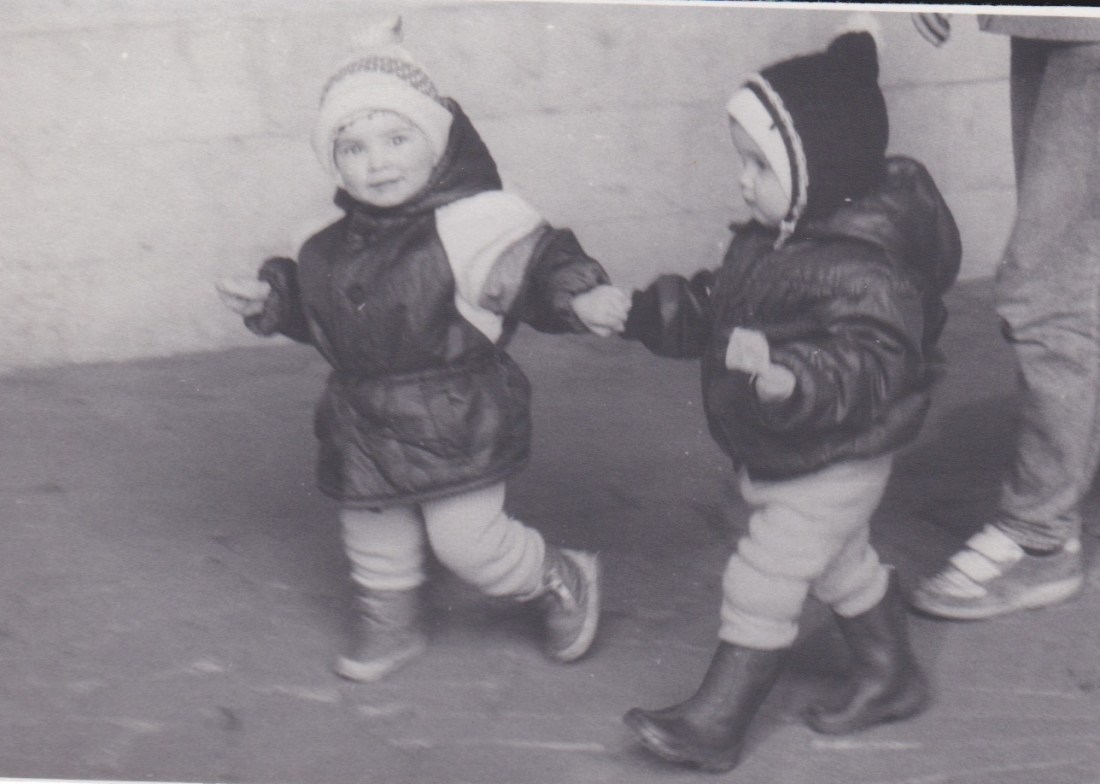
As I mentioned in this post, our first daycare closed in January 1993. All the kids were transferred to another daycare, which was also subsidized by one of the industrial giants of the city. There was no Antie Galya there, but the teachers were reasonably good, and one of the teachers was great, and also she happened to live in the same building with us. That came handy because the new daycare was further away from our house, and to get there, I had to take a bus with two toddlers, and no double stroller. That teacher would occasionally help me to get the kids to the nursery, and sometimes, when only one child was sick, she would take another one to the daycare. 

Anna and Vlad were about to turn two in summer, which meant they could attend the “older nursery group,” and one of them was pretty close to our house. That type of daycare was called Kindergarten (Detsky Sad in Russian), and they would take children from two to six or seven, depending on when the child was starting grade school. Theoretically, they all were supposed to have “junior nursery,” but most of the mothers were opting to stay at home with smaller children. Because of the combined reduction in supply and demand, it was challenging to place a child under two to any daycare, but after two, it was much easier. 

Anna and Vlad started to attend their “Kindergarten Number 24” in September 1993 and continued until we left for America. 

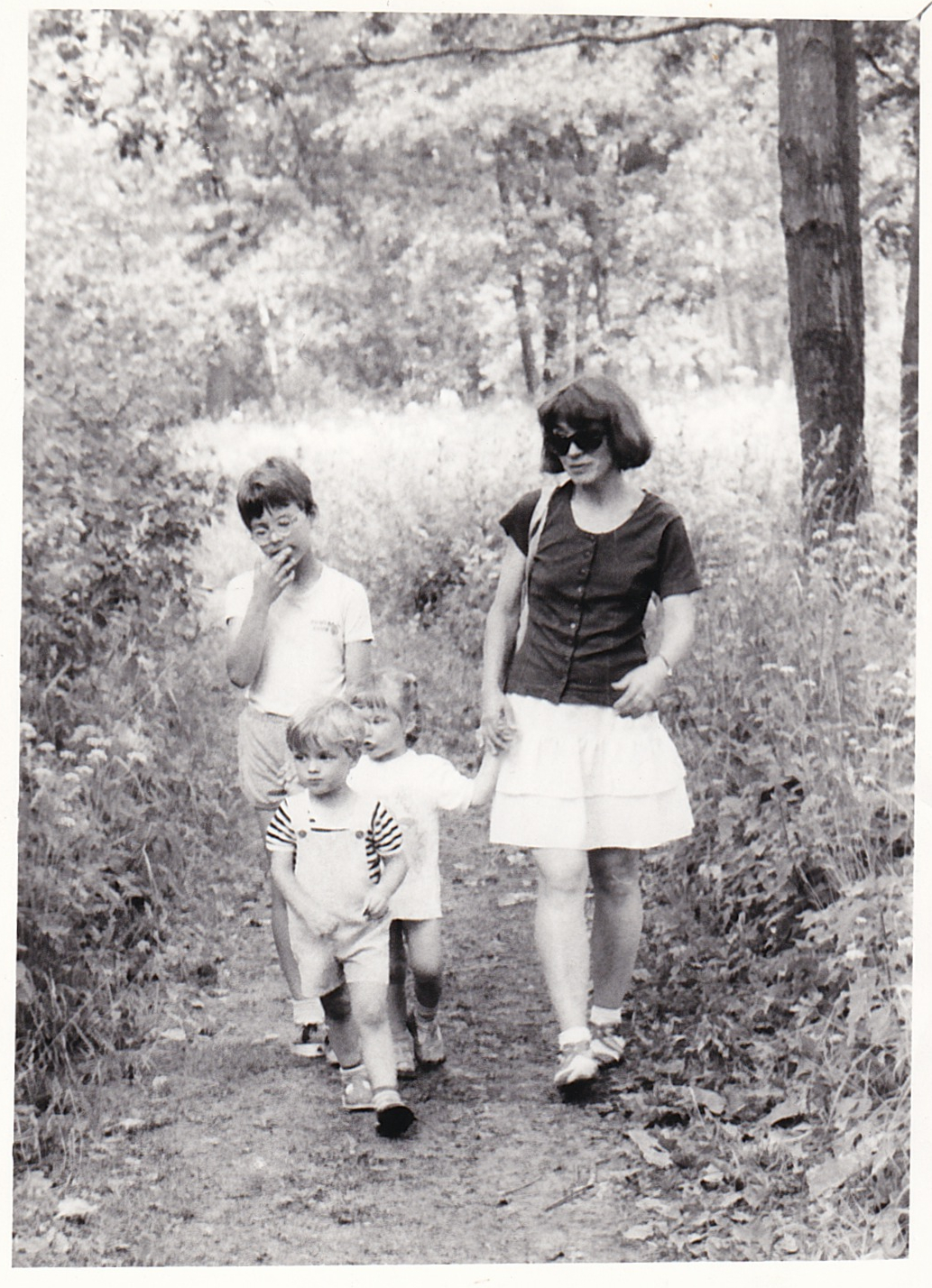
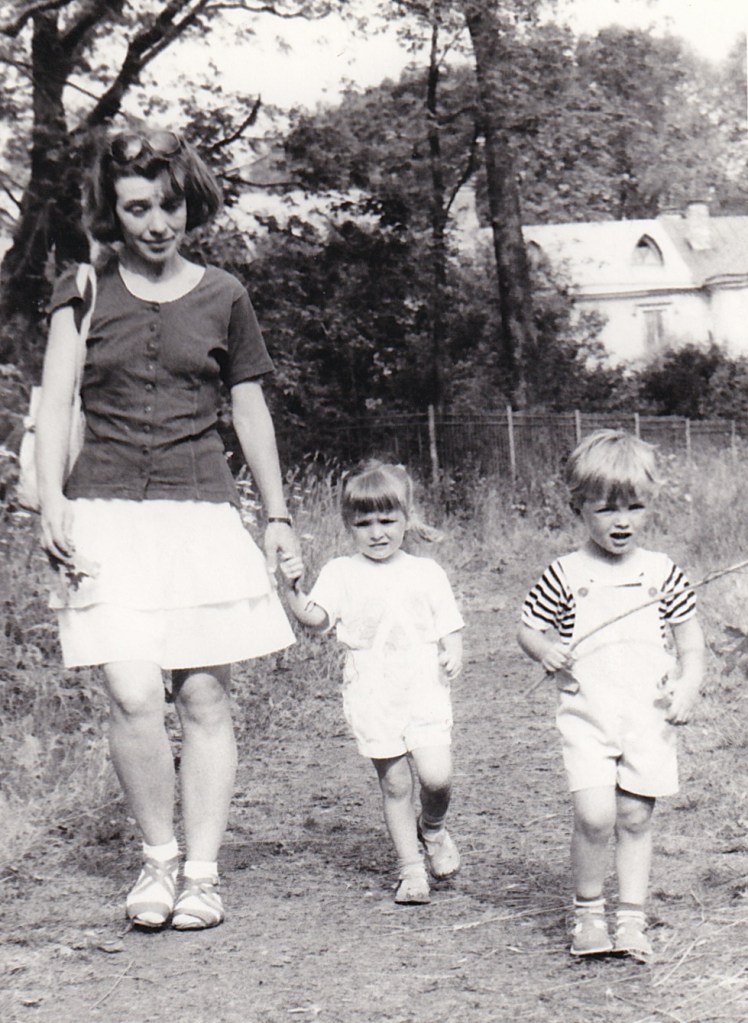
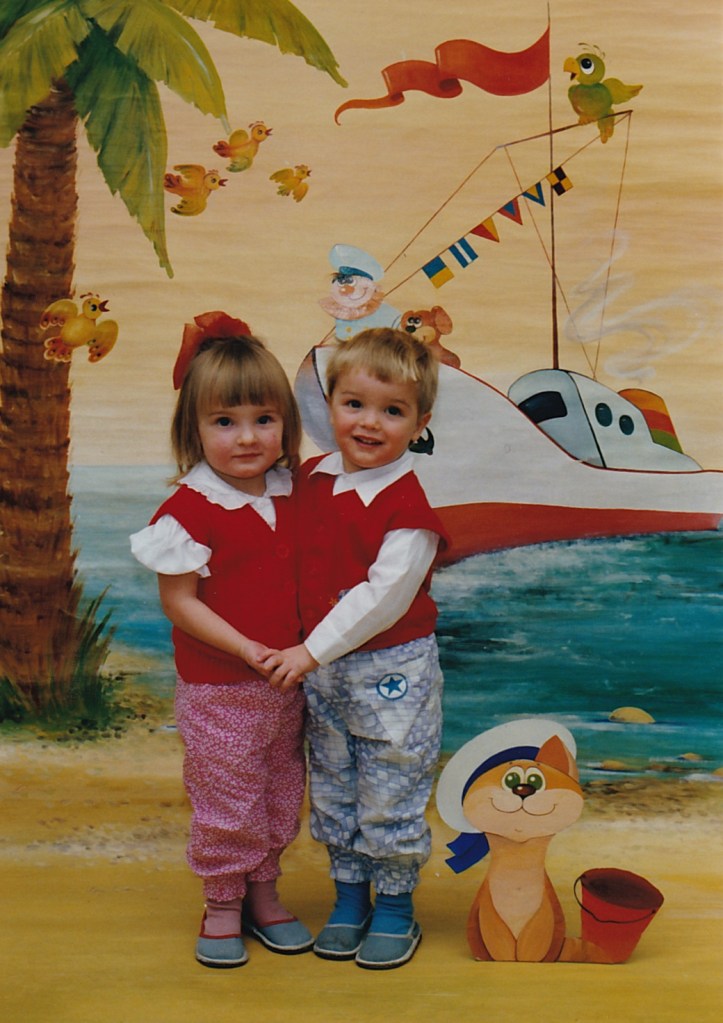
Below is their first official picture, taken October 1993. Colored photos were unusual and expensive, and I only purchased two copies. And I do not have any more pictures till the next summer.

My historical posts are being published in random order. Please refer to the page Hettie’s timeline to find where exactly each post belongs and what was before and after.

The VE Day Celebration

May 9, or otherwise a Victory Day, is when the VE Day is celebrated in Russia and some other countries, including Finland. This article summarizes all the reasons why different countries celebrate on different days. 

When we first came to the US, we quickly realized how little did we know about the events of WWII outside the part of the war which took place on the territory of the Soviet Union. And we also realized how little the people around us knew about this very part of the war we identified the most. Since then, it became our family tradition to celebrate this day in a very personal way, preserving the memories of the family members who lived through these times, and not to shy away from the complexities of that part of history. 

My mom is a survivor of the Seige of Leningrad. A big part of how we are celebrating now is to let her know that her struggles are not forgotten. Since May 9 is not an official holiday in the US, we were always combining the VE Day celebration with the Mother’s Day. That year, it would be perfect, and if not for the quarantine, it would be a lovely weekend.

Since this year is also the 75th Anniversary of the VE Day, we tried our best to make it a memorable day for mom.

We chose a time when everybody could join a zoom meeting. I kept it low, so mom didn’t know all the details. I only told her a day before – I will pick you up at a quarter to five, and we will go to my place to celebrate a Victory. 

I made our traditional salads on Friday, and Igor made yet another trip to Palatine to pick up the salads and some other stuff from the trunk of my car.  

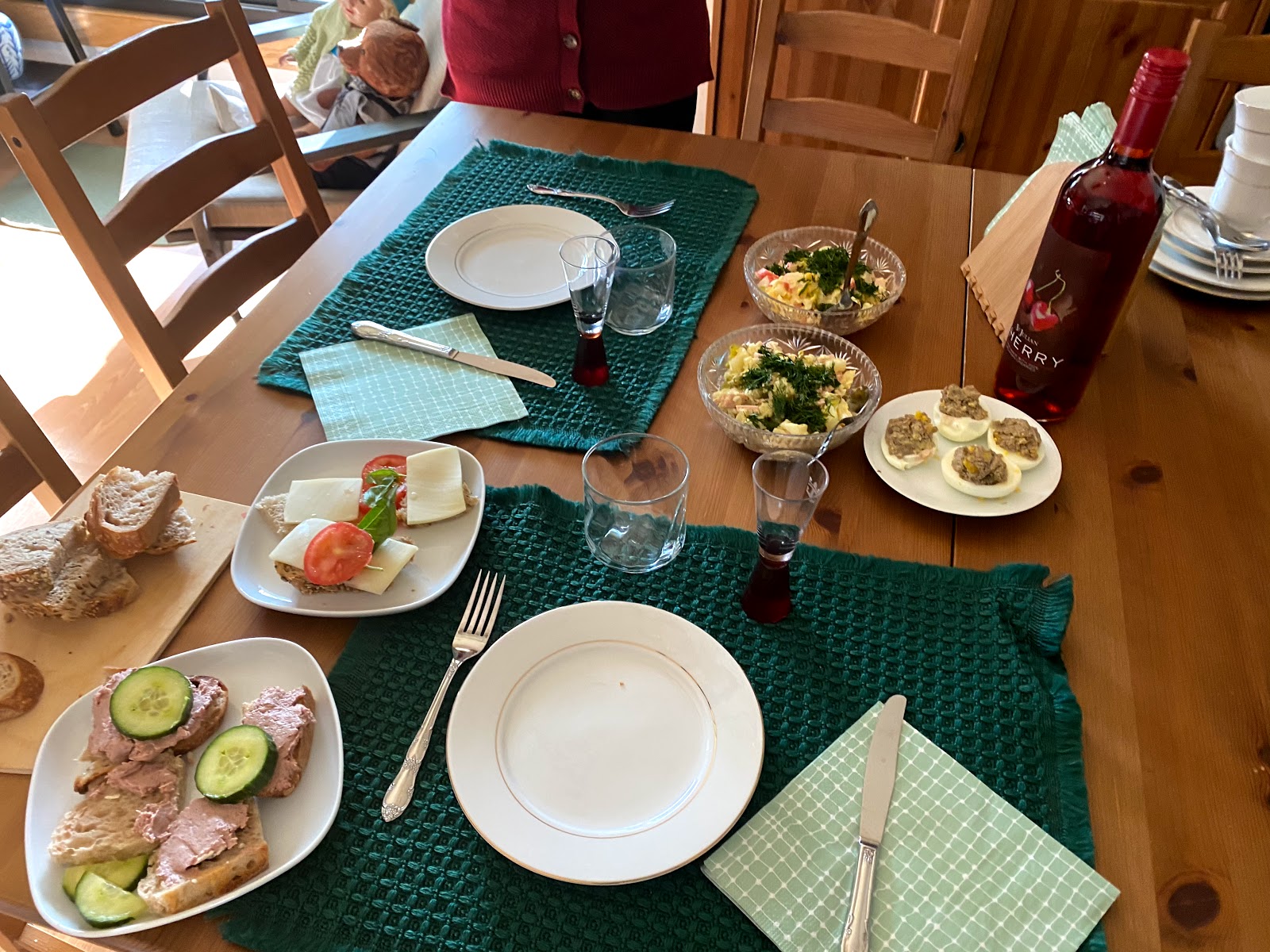
On Saturday afternoon, I started to set the table. I had “a moment” when I realized that what I thought being a can of sprats is a can of sprat pate, which meant I had to make deviled eggs in fifteen minutes. Which I did, but it was a personal record.

Everything worked great; everybody was on time; everybody had red carnations on the tables visible to mom. Anna sang mom’s favorite wartime song for her (and she called later one more time, and sang more). We drank for Victory, then for Mother’s Day and all moms, and for Anna’s new job, which she starts on Monday. Anna told mom, that thinking about her struggles during the Siege of Leningrad gives her courage and strength to navigate the current crisis. And I think that that’s the message my mom needed the most. 

A display of my maternal grandparents pictures before, during and after the WWII,
which I made a couple of years ago

Mom was very grateful for everything: that I put up this display again, that I made all the traditional food, that the sweets were so delicious, and that I got everybody together. She said that it was a bright light amidst the grim situation. 

Children of the Great Patriotic War

Author’s Note: I posted this on my personal blog yesterday, May 9, on what we Russians and people in many other Soviet countries celebrate as Victory Day, to mark the surrender of Nazi Germany and end of World War II in Europe. In European countries, it’s celebrated a day earlier, as Victory in Europe Day. For some  reason, Americans don’t mark it on either day, in spite of U.S.’ very substantial contribution to the war effort.

I wrote this post in OpenWriter, just in case my mom asked me to repost it here. Which, suffice to say, she did. I hope that, if Nadya and any of my mom’s grandkids that may come along read it, they will get something out of it, even though many people in this post aren’t related to them at all. And I hope that people who aren’t family that come across it will get something out of it as well.


This year marks the 75th anniversary of the Nazi Germany’s surrender. But with the shadow of COVID-19 hanging over the world, VE Day/Victory Day commemorations have been scaled back significantly in Europe and the parts of former Soviet Union that still celebrate it. (Except, God help us all, in Belarus)

In Chicago, the big banquet that would usually be held in honor of veterans, Holocaust survivors and Siege of Leningrad survivors was, of course, cancelled – though the Chicago Association of World War II Veterans and the Jewish United Fund have been congratulating them over the phone and delivering presents.

In the last decade, the number of veterans, and people old enough to remember the war first-hand has been plummeting, as more and more of them die of natural causes and illnesses. Great-Grandpa Viktor barely said two words about his service, and he’s no longer around to ask. Great-Grandpa Fyodor passed away when I was four. I have only a vague idea of what Grandma Kima’s, Grandpa Roma;s and Grandpa Slava’s lives were like during the war, and I can’t ask them now. So I decided to share some of the stories I did hear, from family members who are still around, and those who are no longer with us.

Continue reading “Children of the Great Patriotic War”

The Spanish Flu in Chicago in 1918

Last week, Chicago Tribune published an excellent article about the Spanish flu pandemic in 1918-1919. It contains multiple images for Tribune articles from that time. Here is a link to the article, but since I do not really trust Tribune articles to be on place indefinitely, I saved here a substantial portion of the pictures.

I am not going to comment on them – otherwise it would be easier to copy the whole article. I think that the pictures speak for themselves. What is terrifying, however is the striking similarity between the current situation and what was going on at that time. And what is even more striking and more terrifying is how fast these grim pages of history were forgotten.

I have to admit that one of the reasons I underestimated the magnitude of disaster in the beginning was my unawareness of how the Spanish flue looked like. I was thinking: OK, there was a biggest pandemic ever, and it is barely mentioned in the history of the 20th century. The world survived. Now, that I am reading these archived articles, and I am looking at that pictures of which at least 80 percent I never saw I realize the depth of the tragedy.

Just take a look at the one-hundred years old headlines: masks, hand-washing, Lysol(!!!), schools, movies theaters and public dancing are closed. The lift of quarantine, and almost immediately the next spike follows. There was no vaccine, and there was no reliable diagnostics. And no ventilators for that matter… 40,000 people got sickened in Chicago, and 10,000 of them died…

t. Louis Red Cross Motor Corps on duty during the American Influenza epidemic in 1918.
Continue reading “The Spanish Flu in Chicago in 1918”

Santiago, Italy – a Documentary

One more of many Siskel Center offerings, Santiago, Italy is a documentary about the 1973 events in Chile, and about the chilean people who found their new home in Italy.

After many years of Soviet propaganda, and then after many years since the collapse of the Soviet Union, it is easy to fall into a habit of thinking that everything that we were told back then was propaganda :). It took me as a surprise to hear that Salvador Allende, indeed, was building socialism in Chile and that he indeed had the broad support of the Chilean people. And that the Communist Party of Italy was, indeed, a serious political power in the ’70s. 

Also, I saw a lot of footage of coup d’état, which I do not remember seen back in the ’70s, and I do not know why especially because I’ve seen some other pieces. It was a very strange feeling. I have already forgotten that the events of 1973 were tragic ones, and this documentary reminded me of them. People are telling about their experience, real people, they pause, they repeat themselves and start over. They are trying to find the right words to describe their feelings; they laugh and cry…

My Mom’s High School Photo Album

I photographed each and single page of my Mom’s High School graduation album, but never showed these pictures to anybody, on any of the social networks. The main reason is that I brought it from Russia just a couple of weeks before my back surgery, and less than a month before my Mom came to the US. So I had other, more urgent things to address.

Last Sunday, I brought Mom to have an afternoon coffee with me, and she asked me about the album, and I took it out. She was slowly turning the pages, looking at each face, and reading all the farewell wished from her friends. And I thought – that’s what my next historical post should be about.

Then I missed two of my “historical” days because there was too much of life going on, and I promised myself to write a historical post today.
I am saying “high school,” but actually in the Soviet Union, it was just “school.” Students went through all the ten years of education with the same group, which was called a class. And what we call “class” in the US< was called “a parallel.” Do not ask me why :). Most of the time, each parallel would have two or three classes. And these classes would stay the same unless somebody would move to another place to live, which did not happen often.

My Mom was born in 1935, and at that time, children would start the first grade at eight, which means she started school in 1943, during the war, when she was evacuated to Siberia. She returned to Leningrad when she was in the second grade, and since then, she attended the same school.

Mom graduated in June 1953, and here comes her album.

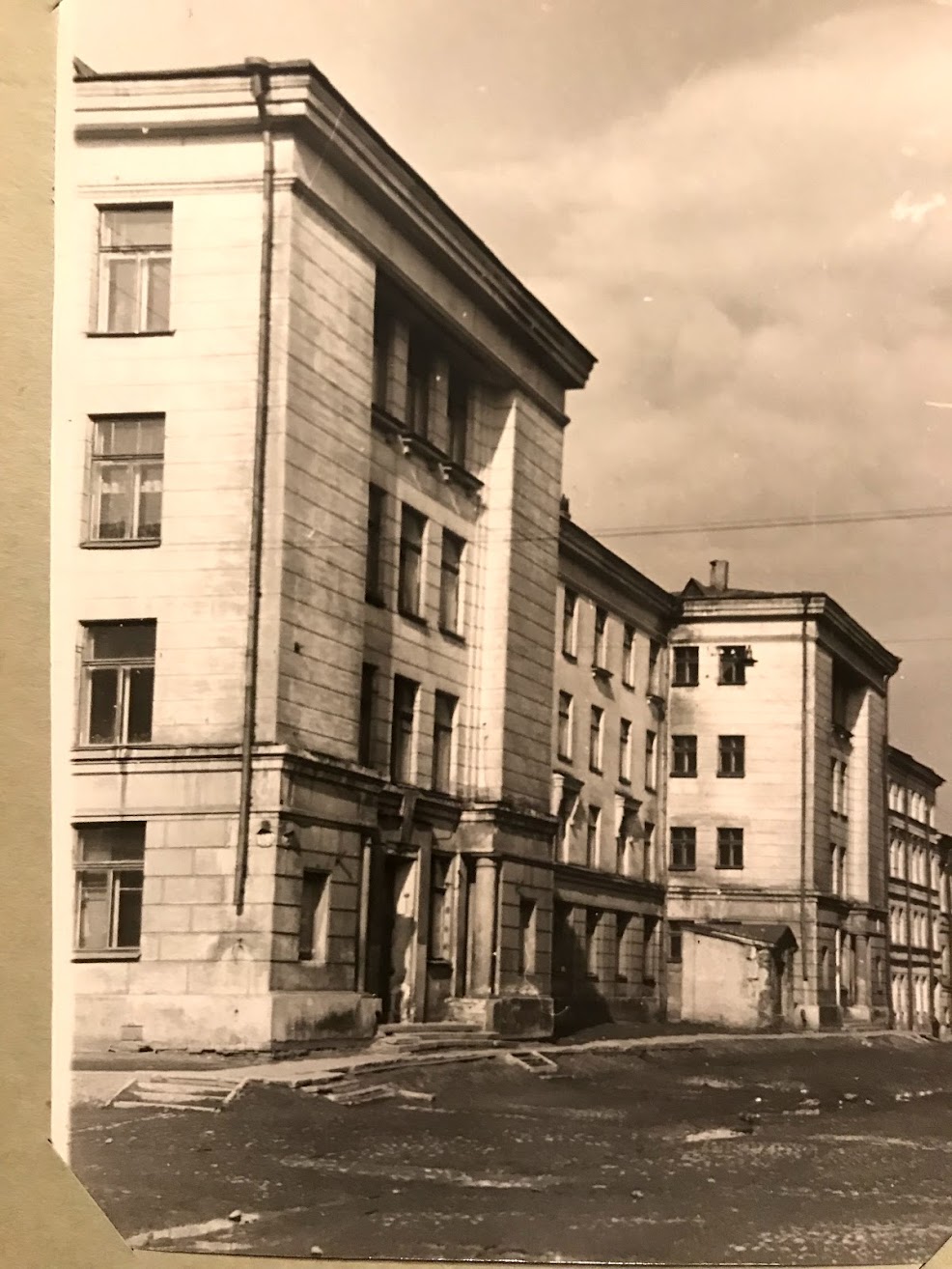
The school building. Once again, it is 1952, seven years after the war ended, and the building looks how it looks, and nobody cares – this is the first photo of the album
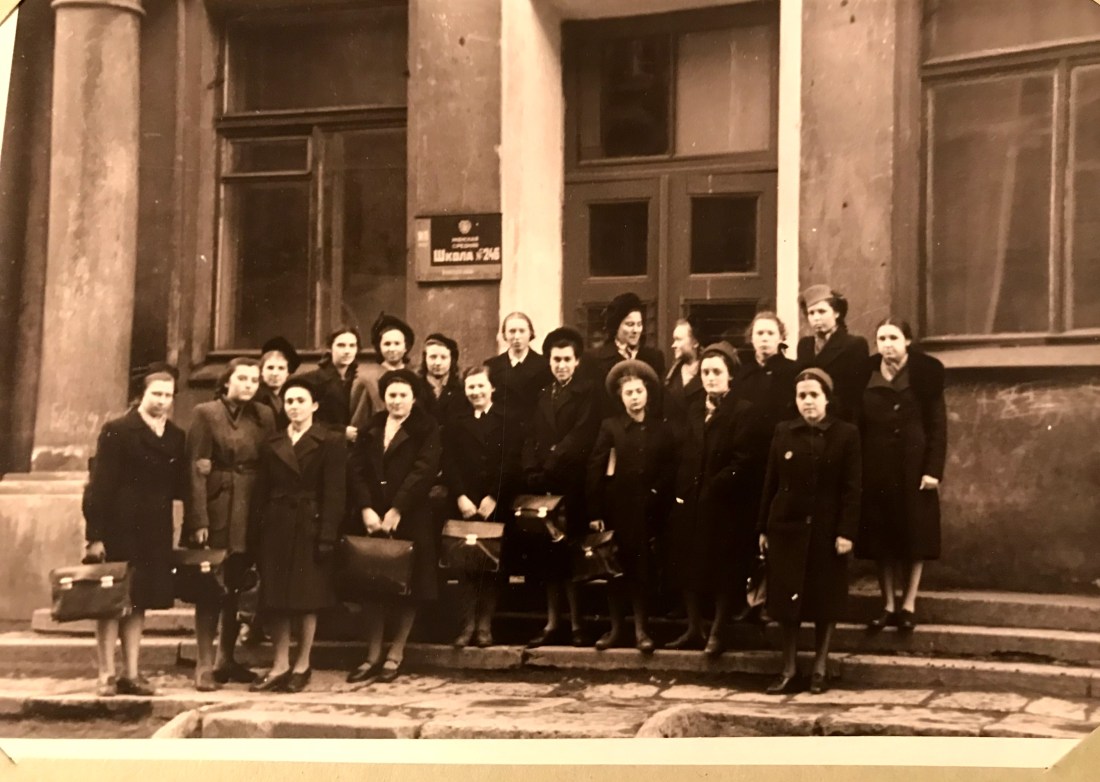
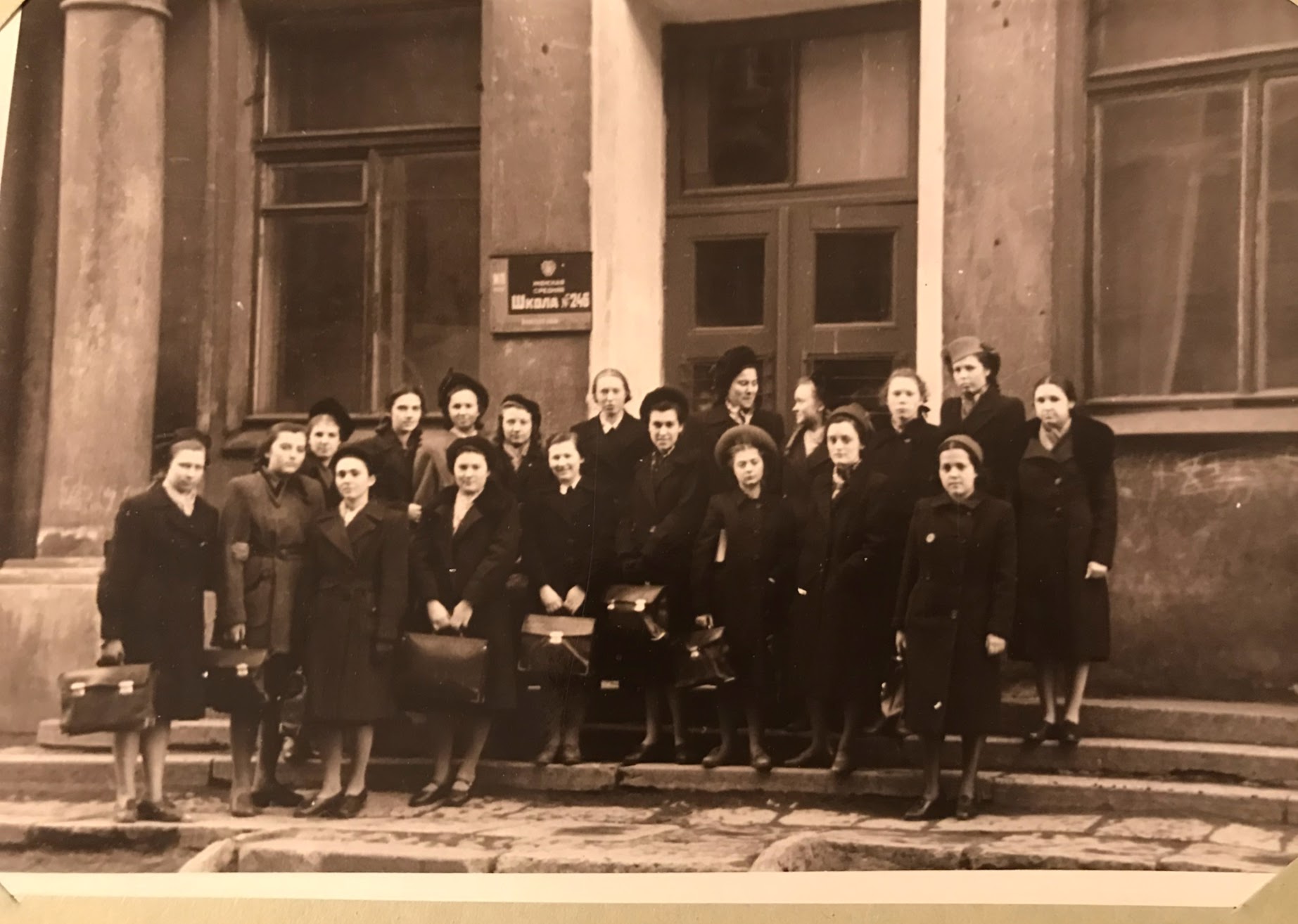
Mom’s class in from of the school. The schools didn’t have names, only numbers, her school is number 245. As you can see, it was girls-only school, the schools were separated into boy’s and girl’s in 1943, and returned to mixed education in 1954. Mom is in the back row, with her face turned to the side.
Continue reading “My Mom’s High School Photo Album”

My First New Year’s Eve

Since Christmas was forbidden in the Soviet Union and later partially rehabilitated in the form of New Year’s celebration, I can’t tell, “it was my first Christmas. ” Instead, it was “my first New Year,” December 31, 1963. The New Year was especially a big deal in our family because Aunt Kima’s birthday was on January 1.

I cherish these pictures because they are atypically live for that period, and none of them are staged photos. I believe my Mom never printed the pictures from that roll, which did not include me, so until we scanned the film, I didn’t know what a treasure I have in my possession.

I have some memories from that day, in part because Mom showed me these pictures often.

I just started walking and preferred to stay close to the walls:)
Continue reading “My First New Year’s Eve”

Getting the First Job After College in the Soviet Union

This is the last post related to the story of higher education in the Soviet Union: how graduates would land on their first jobs.

Since it was happening in the Soviet Union, all colleges and universities were state schools, and there was no concept of the private educational establishment. I’ve already mentioned that the cost of education was zero, which did not mean that students’ life was easy. But there was still a price student had to pay upon graduation. This price was called “a distribution of specialists” or simply “a distribution.”

The Soviet Union had a “planned economy.” That meant that the government planned ahead how much of everything had to be produced in any given year, including the number of graduates of all educational establishments. And all employers: manufacturing plants, research institutions, Department of Defence, schools, hospitals, etc. had to plan how many graduates they need to fill in their positions. Since the Soviet Union did not follow the same educational standards as the rest of the world, we did not have Bachelors’s and Masters’s; everybody had to study for five years (some professions – longer). And everybody would graduate as “specialist,” not B.S. or B.A. or M.S.

The graduates were called “young specialists,” and a couple of months before graduation, they had to be “distributed.” The organizations which wanted to hire somebody had to place their requests with an educational institution. In my case, it was the Leningrad State University. There were about 300 students who would graduate the same year as me from the Department of Mathematics and Mechanics. The University would accept about 300 requests for young specialists, including those who could continue their studies as post-grad students, and including those who will become TAs in the University. 

All students were ordered by class rank, and on the day when the distribution commission was held, they were called into the room in their rank order. 

Continue reading “Getting the First Job After College in the Soviet Union”

More on Summer 1963

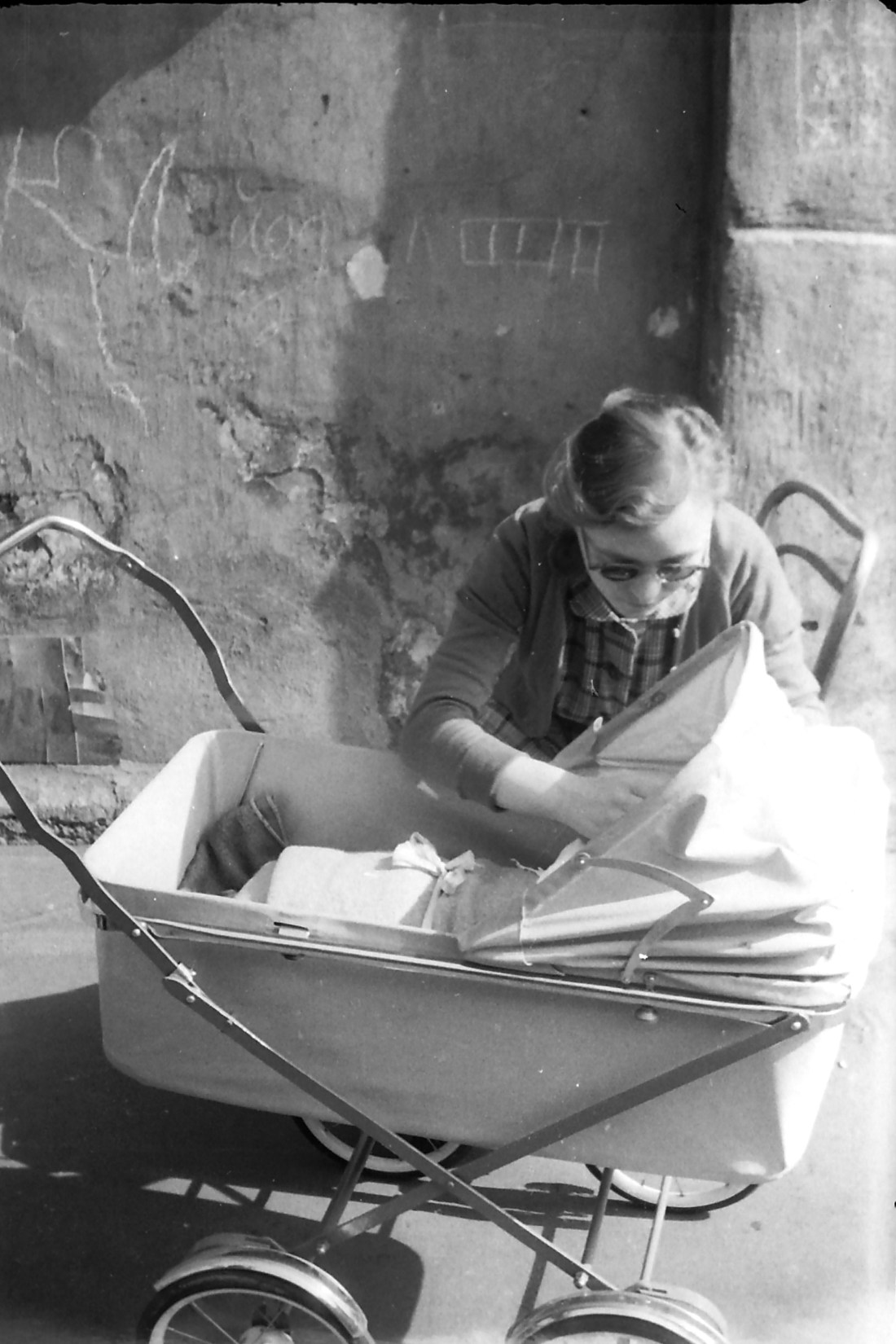
I found more pictures form summer 1963, the same summer, the same place, the same people. Just wanted to keep all these old photos at one place. When I was a child, I didn’t think of them more than just “these are my baby pictures, ” but now I view them as historical documents, since they’ve captured so many signs of the epoch 🙂

With Aunt Kima. It strikes me, that she is only 39 years old on these pictures.
Continue reading “More on Summer 1963”

Summer 1963

The first summer of my life. Since I remember myself from a very early age, and since I liked looking at my pictures even when I was a very small child (and that’s why, perhaps, I still remember it so well!), I could not believe I didn’t remember that summer! It felt unfair that I was in Estonia, looking at these beautiful flowers, and all of it was gone from my memories!

My aunt Kima is holding me here; I am six months old
Continue reading “Summer 1963”