You might ask – why I needed a second job? As I’ve mentioned earlier, the pay in the University was close to nothing and often paid months later than it was due. The next question would be – if that was the case, then why I would stay at this job? Why I won’t find another job instead of looking for a second one? Oddly enough, the job in the University was the only one I could consider “a real job,” the others were “ways to make money.”
This presumption goes back to the Soviet Union. At that time you were supposed to have only one job, less some rare exception. Also, since there can’t be unemployment in the socialist state, you should have always been employed. Also, it was extremely undesirable to change jobs; you would always need a solid, respectable reason to leave your job. Our employment history was a physical object. It was called “a Labor Booklet.” When you start a new job, an HR person would ask for your Labor Booklet and would put a record, indicating your place of employment, your position and title, and the date you started. You could not start any new position anywhere without presenting your Labor Booklet, which would have a record of when and for what reason your previous employment was terminated.
Another follow-up for my visit with my daughter. I’ve realized that I ran pretty fast through the first months of Vlad’s and Anna’s life, focusing more on what was happening with the country. I didn’t write much about our everyday lives, and how it was – raising baby twins amid the economic collapse.
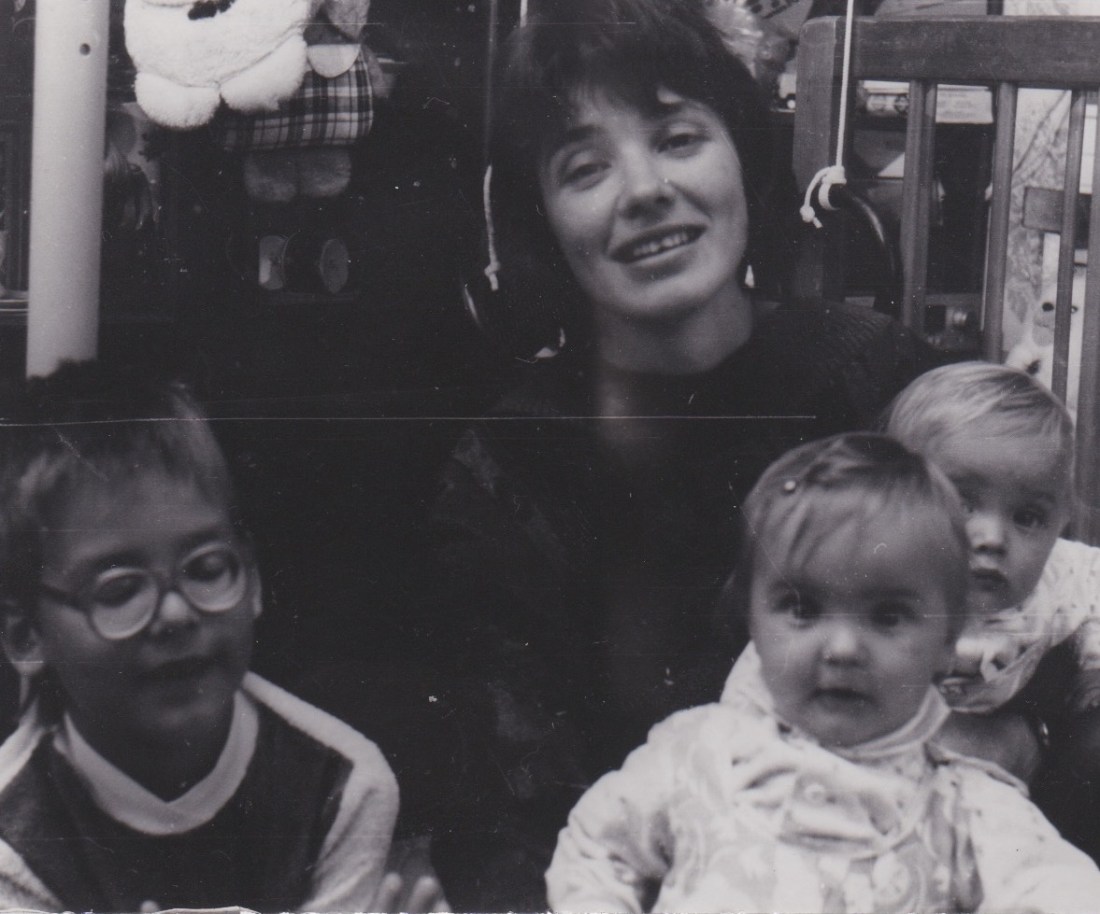
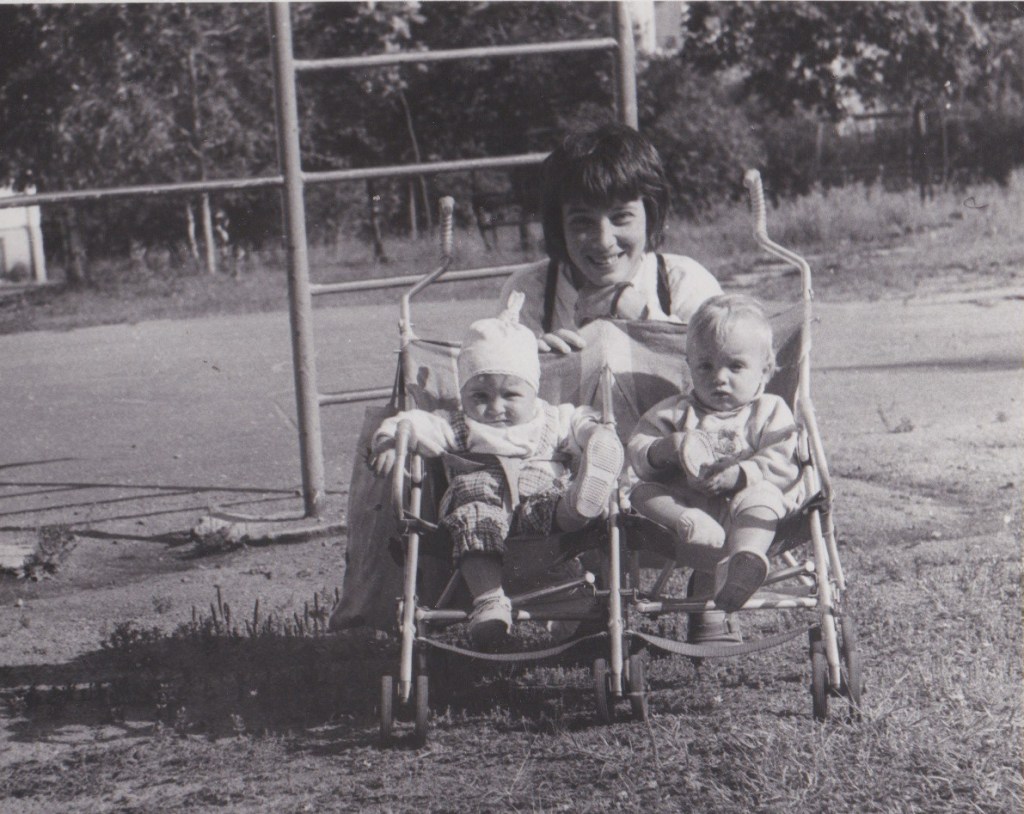
There were many aspects of parenting, where I would make decisions in the survival mode, not because I liked a certain approach better, but because that was the only option. I do not have a lot of pictures from that time. I didn’t own a camera, and taking pictures was not an everyday activity. Boris would occasionally bring his camera with him, and then we would have a photo session.
In fall 1992, I had two problems to address: finding a second job and enrolling Vlad and Anna into daycare. I’ve already mentioned it briefly in previous posts, but I will elaborate more here. The daycare situation was really weird. Since the very early days of the USSR, it was proclaimed that women are liberated from the house slavery and can in enslaved at work. During 1920-30, women were encouraged to bring their babies to daycare at a very early age. Technically speaking the “nurseries” which would take children starting from 3 months of age existed even at my time. But you would be considered a horrible mother if you would send your child to a nursery. Since women were allowed to stay home until a child reaches the age of 18 months, the groups which would take smaller children have been closing right and left.
I found one nursery which still had a group for toddlers from 12 to 24 months, just one for the whole Gavan, the part of the city where we lived. This nursery was partially subsidized by one of the largest shipbuilding plants in the town, so I guess that was the reason.
The event as significant, as the last Russian revolution deserves more extensive description. However, for my whole family and me these days will be forever associated with the birth of Vlad and Anna, my extraordinary twins. Anna likes to joke that she brought down communism, and whether you agree with this statement or not, the connection will always be there.
I was eight months pregnant; the doctors did not believe there were any chances I could go full -term, so I was due to the hospital on August 24. The coup started on August 19, and we all understood that it was a coup. And the people said: no! I know, these days it is fashionable to question the latter statement. But that’s how we felt back then, and it felt damn good! The only thing I’ve resented back then was that I was in no condition to go to a protest to the Palace Square! Which tells something about me :).
The world was collapsing, the radio was turned on in the hospital delivery room, we were breastfeeding our babies while listening to the news about the Communist party offices being shut down. That’s how the new chapter for our family has started.
Note:
My historical posts are being published in random order. Please refer to the page Hettie’s timeline to find where exactly each post belongs and what was before and after.
I know that I am jumping from one point of time in my life to another with no notice, but I promise it will all be straightened up on my Timeline. Chronologically, this post follows the story about kids and me getting settled in the University boarding house.
We had a great six weeks over there. As I’ve mentioned, we had a flat of two rooms and a kitchen, all for ourselves. That was way more space than I had in Saint Petersburg. The hot water was running only theoretically, so I had two big buckets, a basin, and a huge portable electric boiler. I would fill in a bucket with cold water, immerse a boiler into the water and plug it in. I would fill a basin to the half with cold water and then using a dipper; I would pour hot water in it, to make warm water of the desired temperature. That’s how Anna and Vlad had their baths before going to bed. Igor would stay his feet inside the basin, and I would combine cold and hot water in a dipper, and poured it over him, making it feel like a shower. He was almost seven then and felt utterly embarrassed to stay naked in front of me. When everybody went to bed, I would wash similarly.
There were cockroaches everywhere, so many I learned not to be afraid of them, and kill them by a dozen. Still – I did not have to cook and wash the dishes, and life was great. We would take a bus and go to the parks of Peterhoff to see the famous fountains. We were swimming in the ponds of the University Park (former Lichtenberg Manor). We would buy raw milk from the gypsies. One of Boris’s postgrad students named Irina would occasionally babysit for free, and then I would be able to do some work outside of the babies bedtime.
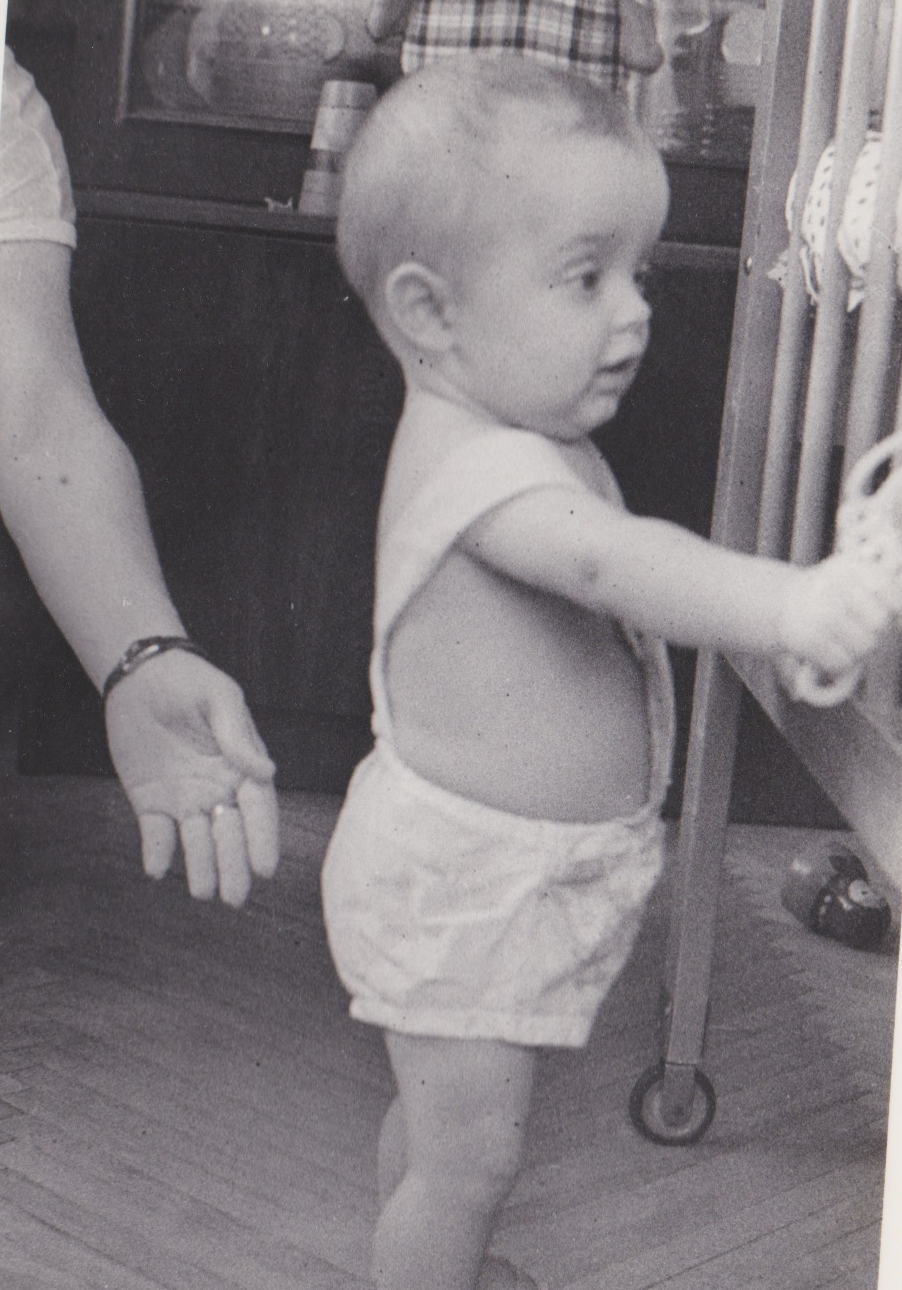
It was there that both Anna and Vlad started walking. As with many other skills, Anna would be the first to master, making her steps barely lifting her feet, but beaming with happiness. Vlad would successfully hide his attempts to walk (Irina asked me once, whether I knew that Vlad is trying to walk when nobody sees him). On public, he was only crawling, moving extremely fast on his butt, and only several weeks later, he had demonstrated perfect walking.
By the beginning of August, Anna, Vlad, and I returned to the city. My Mom was staying for some more time in the boarding house with Igor. Igor was not a baby and didn’t need constant attention, so this was a vacation for her.
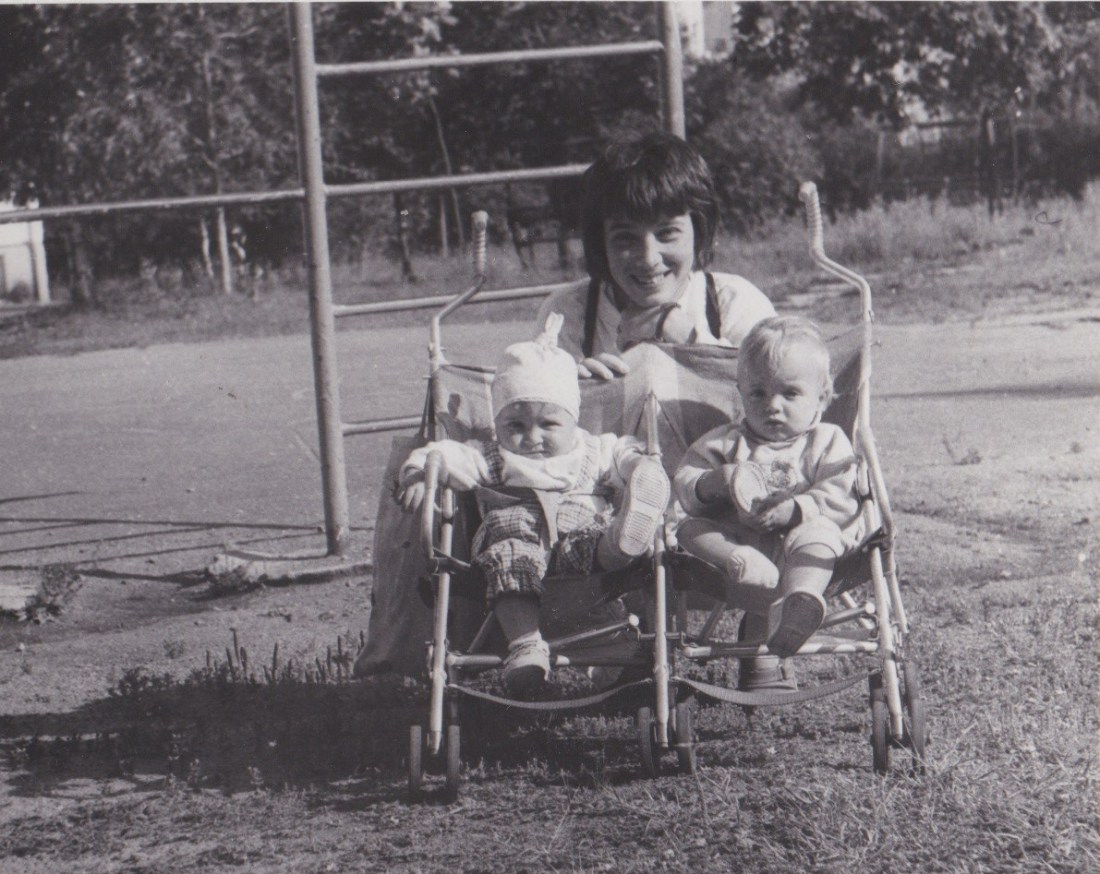
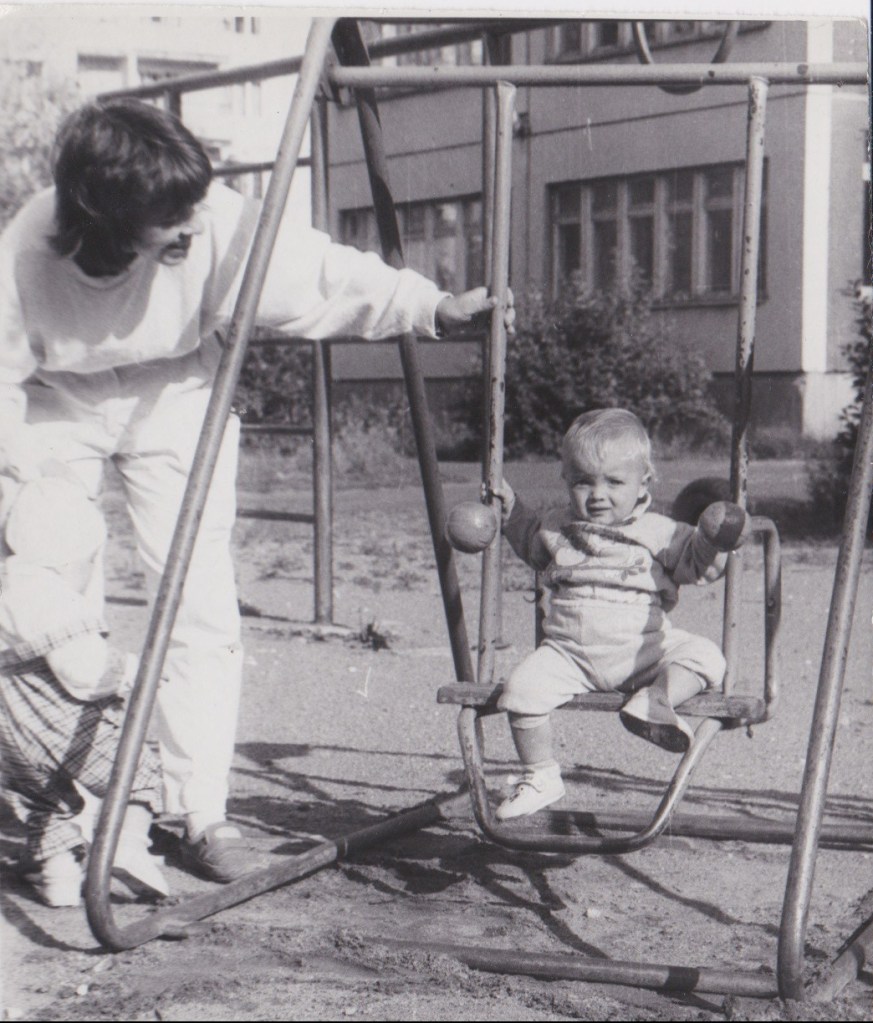
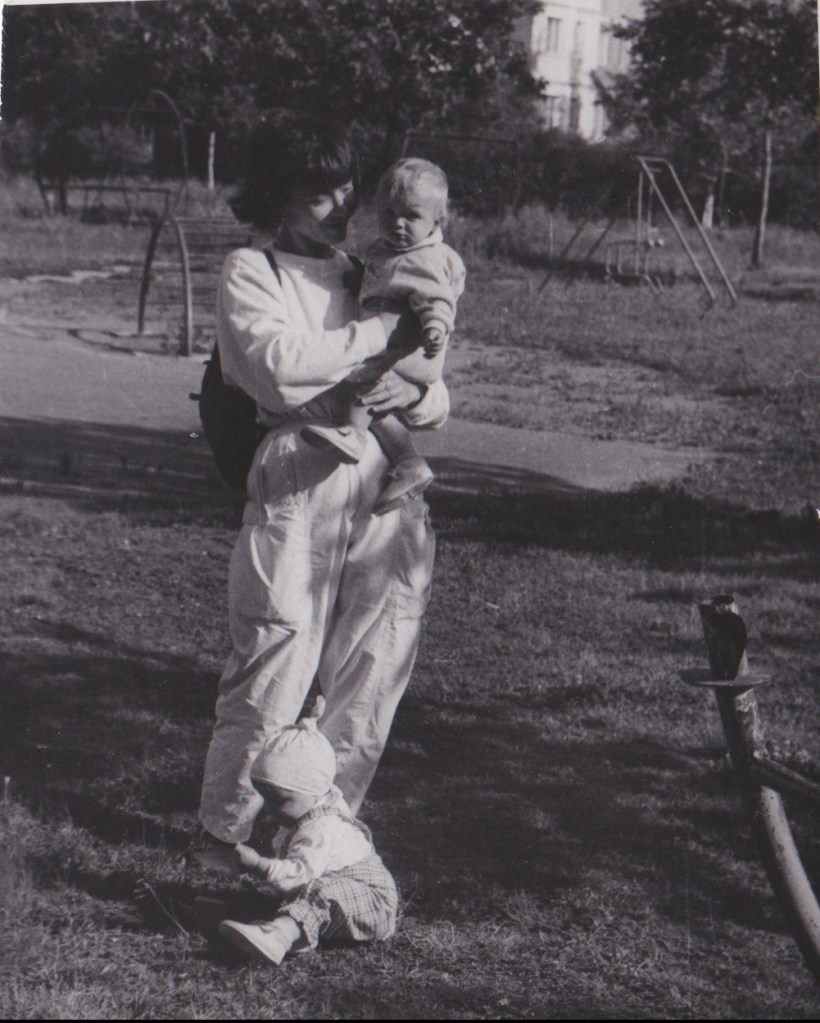
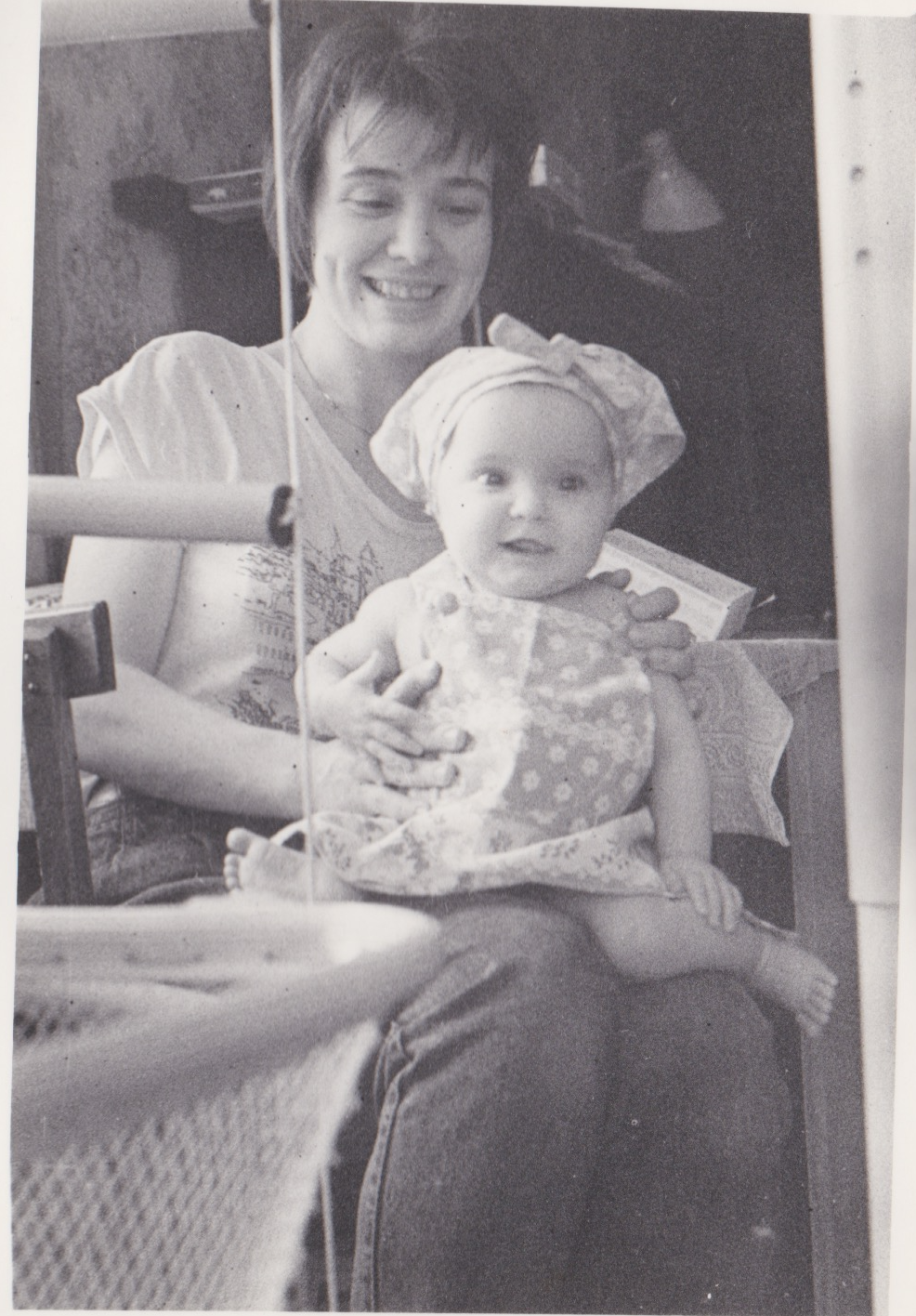
Boris took these pictures by our building in the city. Anna and Vlad were approaching their first birthday. I was done with breastfeeding in extreme conditions and weighed 49 kg (about 109 lb). The clothes were hanging on me like on the hanger, but as you can see, it didn’t bother me much:)
Here Anna and Vlad are seven months old. They were still tiny for the 7-month old babies, and on top of “having nothing” in the stores, there wouldn’t be any clothes for such small babies, except raspashonki – sort of tops for babies, wholly opened on the front or the back, with no buttons or any other means of holding them together. They would work for three-month olds, but not for always moving seven-month olds. Almost until they were one, I was making all their clothes myself, unless I could find something suitable in the humanitarian aid.
So here Anna wears an apron-style dress and a kerchief, which I’ve crafted from an adult headscarf. They were grey-ish blue with the white polka dots. I’ve also made Vlad’s yellow overalls do not remember what I’ve used for material, but it was some recycling.
You can also see that they are not wearing diapers. Disposable diapers did not exist back then, and the water-proof underwear where you would put an insert just started to appear. It was expensive, of mediocre quality, so there were very high chances that the pants would be wet anyway. Hence – no diapers.









 Hettie's Reflections