Kutna Hora. St. Barbara Church

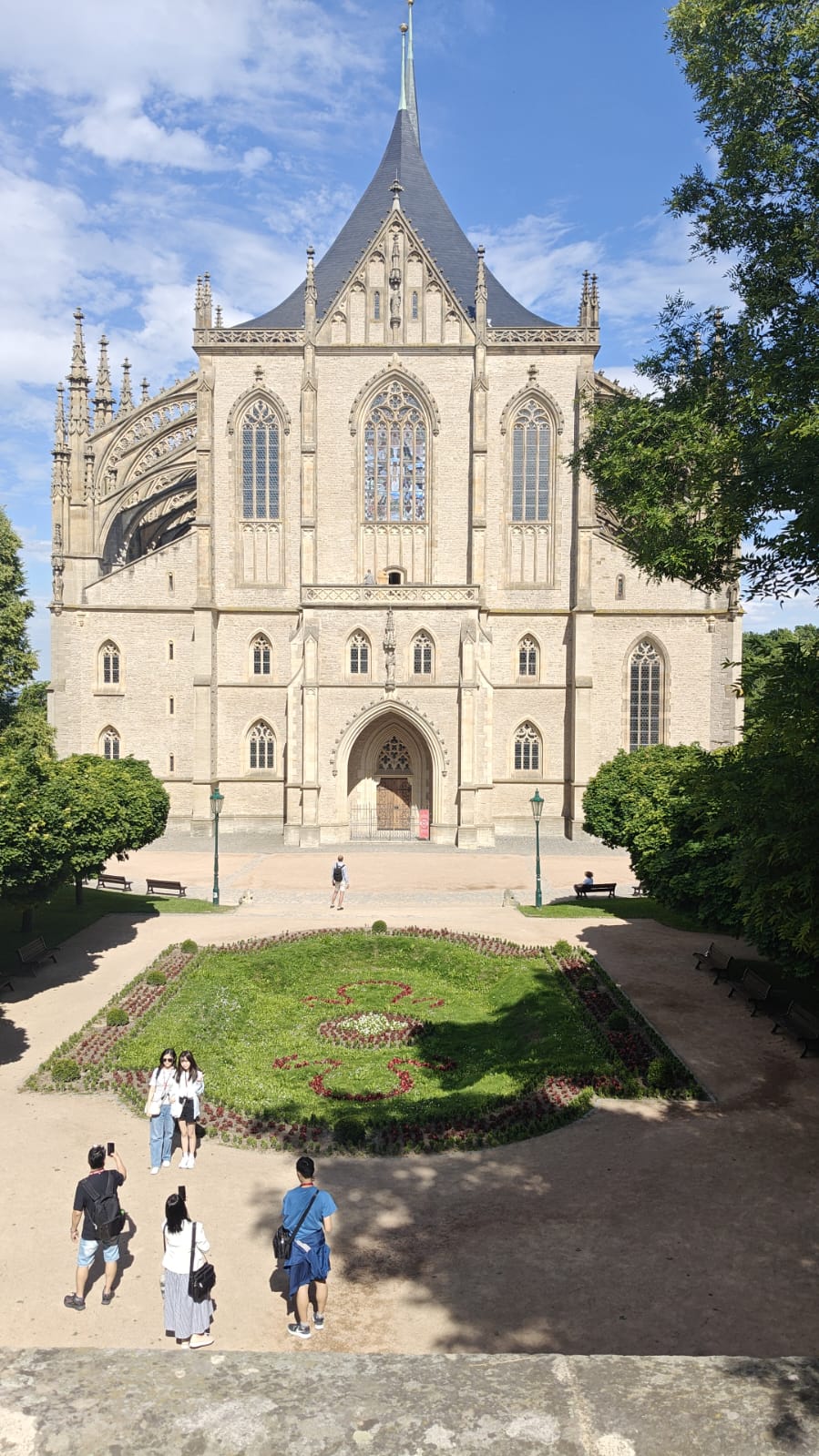
St. Barbara is the patron saint of miners, and there is a local legend about three miners who were led out of the mine by St. Barbara, and how one of them founded this church. The first church on that site dates back to the 14th century, but it has undergone continuous evolution and renovation, with subsequent rebuilding. The miners were exposed to multiple risks, including losing their way in the mines, being suffocated, falling into the cracks, and so on. And even without accidents, their health would deteriorate rapidly due to exposure to hazardous gases, high moisture, insufficient light, and other factors. The miners worked every day except Sunday, with no time off. It would take them about an hour and a half to get down to the mine, then they worked for six or seven hours, and it took them another hour and a half to get on the surface. With a life like this, they definitely needed the church full of light!

Continue reading “Kutna Hora. St. Barbara Church”

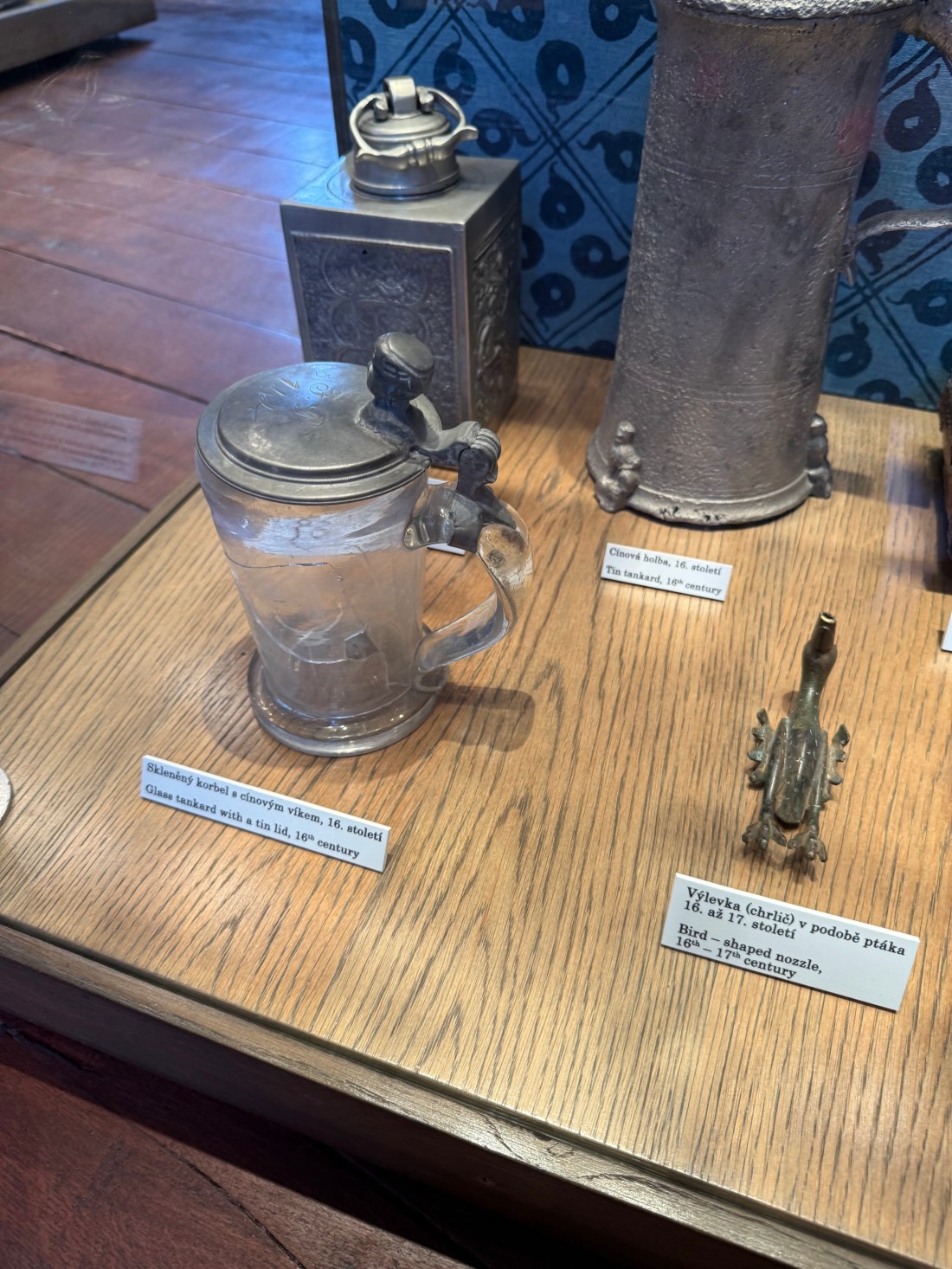
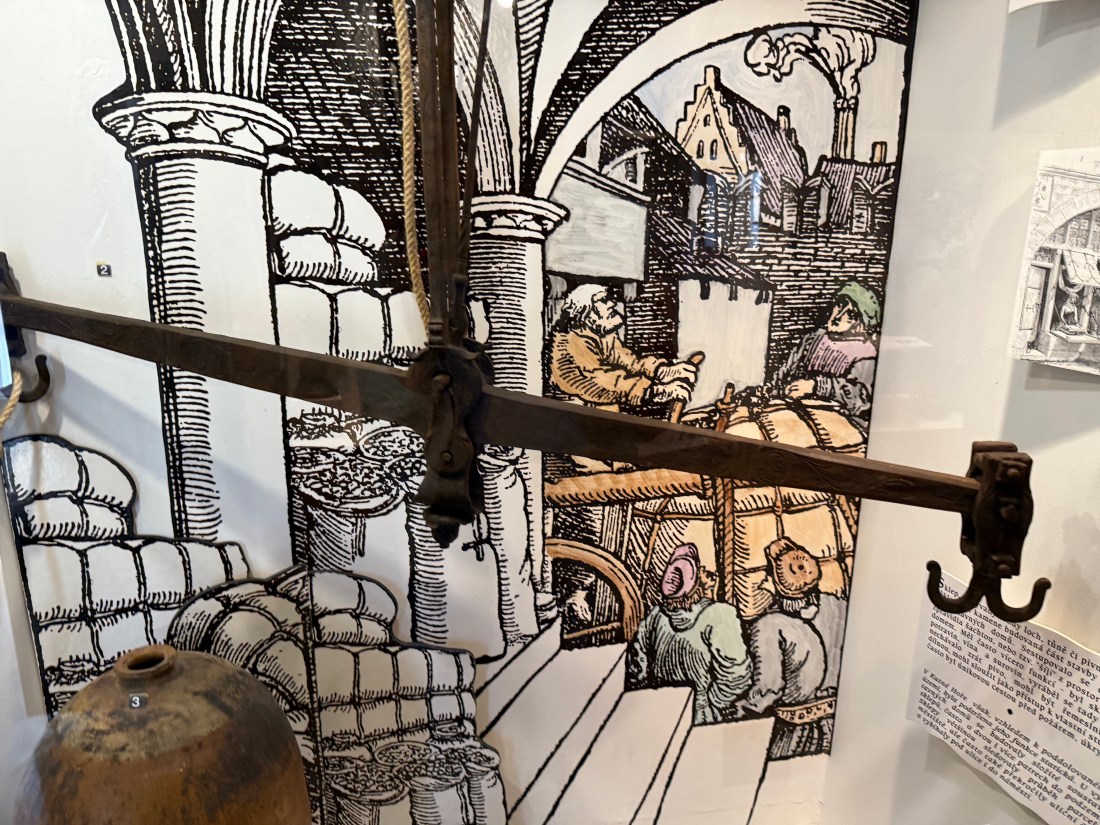
Silver Mines Museum

Traces of 14th century frescos on the walls
A tw0-key lock
15th-century iron storage door
“A reminder to be uncorruptable” 🙂
A picture of King Wenceslaus II giving the royal mining code Ius regale montanorum to the miners. This was a legal document that specified all administrative as well as technical terms and conditions necessary for the operation of mines.
The Bible of Martin Tishnov, 1489
Hand-written Hymn Book, 1470-1530, both Czech and Latin songs
The view from the museum balcony

Kutna Hora. Silver Mines

I didn’t read enough about this place before we went there, so I will need to get back to this post and add more details. Boris visited the Silver Mines of Kutna Hora about fifteen years ago, and he wanted me to see it as well, so we booked an English tour and arranged the ride. At the end of the day, everything was timed in the best possible way, but as I said, we had to use a taxi.

Kutna Hora is a Medieval Czech town which prospered due to the outstanding deposits of the silver ore, relatively close to the surface. At some point, about one-third of the all Europaen silver was mined at Kutna Hora. The mining stopped in the 17th century when the silver ore deposits were exhausted, and the mines were abandoned, but in the 1960s, they accidentally found an abandoned mine, which is now used as a tourist attraction.

As one can imagine, it’s difficult to take pictures inside the mine :), there are stretches when you can only move forward sidewise, and there are stretches where you have to bend almost in half (the height is a little bit over a meter). Just a little bit I’ve taken, in the mine itself, and in the museum.

An original 15th-century oil lamp used by the miners. They could not use candles because they would consume too much oxygen. Such a lamp would provide very little light, and if it did go down, a miner would have to work in complete darkness until the end of the shift.
Ore basket and other instruments
A model of the mine
The tour guide leads us to the entry point
The most spacious part of the mine. We are dressed in protective clothes similar to what the medieval miners used. They didn’t have any head protection, though, until much later when the leather caps were introduced – still a very minor protection, but more than nothing.
That’s me after we got out 🙂

I will post more pictures from Kutna Hora tomorrow!