Water Heaters

My Armenian hosts mentioned that they had a gas water heater “just as it was in Saint-Petersburg in old times, do you remember?” I told them – not really, but actually, I do remember. It was very different from what they had in their house, so I thought that this was one of the fun facts I should share in my historical posts, because nobody would ever ask!

In this post, I described what my childhood apartment looked like, and in that post, I talked about the heating systems. To reiterate: you had to light a match to start a pilot in the water heater, and then you had to keep the water running; otherwise, the flame would die off. Since you had to light a match each time you needed hot water, you had to have “something” to discard the burned matches. This “something” was a tin mug which worked perfectly for that purpose as long as I remembered. Many years later, when I was about 14, I finally noticed “1915” scribbled on the side of the mug and realized it was an army mug from WWI.

There was a large washing machine in the bathroom; for the life of mine, I couldn’t tell the brand, but it was the size of a small table, and that’s how it was mostly used :). I hardly remember any time it was operating, and I am not sure whether it was not working properly, or at some point it broke and no one fixed it, or whatever the deal was. All I know is that it was there and not working, and I washed all my clothes in a washing bowl in the sink using the laundry soap.

The kitchen had no hot water at all. There was a gas heater as well, but I can’t remember why it was not used. To wash the dishes, I had to do the following:

  • boil a kettle of water
  • put a washing bowl in the sink
  • pour some hot water from the kettle and mix it with cold water from the faucet to make it warm
  • wash the dishes
  • rinse the dishes with cold water
  • put all the dishes back into a washing bowl and pour the remaining hot water from the kettle over the clean dishes
  • dry the dishes with the kitchen towel

There was a gas stove in the kitchen (as I mentioned, the old wood-burning stove was not operational), but you still had to use matches to light a burner. For some reason, I was afraid of lighting matches until I was eight or nine years old, and my mom yelled at me for it. Upon returning from school, I had to warm up my dinner, and for me to be able to do that, my mom had to leave a burner on low since the morning (again, no idea why; my grandaunt was there, but that’s something in their relationships I was never able to figure out). I was very proud of myself when I finally overcame my fear and learned to light matches.

It’s good to remind myself how things used to be; humans become spoiled very fast and are miserable when there are problems with hot water, or when a washer breaks!

My historical posts are being published in random order. Please refer to the page Hettie’s timeline to find where exactly each post belongs and what was before and after.
Languages

I want to record this as a separate post because my mom suddenly remembered that something like that happened at some point and started to tell everyone. I do not remember the episode itself because the conversation happened without me :), but I remember who my mom described it to me many years ago. What she told me back then makes sense, while what she is saying now does not make any sense at all.

I should start with mentioning that my paternal grandmother’s side of the family were polyglots. Living in the pale of settlement, they had to speak four languages to get around, plus Hebrew, just because you should know, plus foreign languages taught in the gymnasium, plus some Greek and Latin. So it was only natural that when I started to talk (which, as I already mentioned, was very early – I recited first nursery rhymes at the age of 14 months), my great-grandmother started to introduce some Yiddish, her first language. She started casually saying to me, “And in Yiddish, this is called so and so.” When my mom overheard that, she said: “Gustava Markovna (my great grandma’s Russified name), let her learn how to speak Russian first!” For which my great grandma replied: “I never expected you to be such an antisemit!” For which my mom got very upset and ran out of the room, and my great ant Fania followed her and tried to console her saying that “nobody meant anything.” My great grandmother never apologized because she was not a type of a person who ever apologies, but the question of Yiddish was never raised again. (And it has nothing to do with my mom teaching me English later)

My historical posts are being published in random order. Please refer to the page Hettie’s timeline to find where exactly each post belongs and what was before and after.
1969-1970

It was my last year before school. When we returned from Loo, I started to attend the “preparatory group” in my detskiy sad, which would be the equivalent of Kindergarten in the US, only it was more rigorous.

All the children who turned six and would start the first grade in the fall had two “lessons” a day. We sat at desks that looked a lot like school desks (two kids at one desk), and we did a lot of counting and other math exercises, speech development, and so on. We had to “tell the story looking at the picture” (which I hated with a burning passion). But overall, we were enormously proud to be “almost schoolchildren,” and I liked to wear a navy blue corduroy dress with a white lace collar resembling the school uniform (it was way before I started to hate school uniforms!).

Also, I started to take figure skating classes. They were free and were run by a local enthusiast, so nobody thought a big deal about them. Unlike the famous Soviet “sports schools,” there was no selection of future champions, and we just had fun and tried our best.

We didn’t have an option of skating indoors, so in the fall, we had PE in the local school gym for two evenings a week, and it was also enormous fun.

In some of the photos below, I show the exercises we learned during these classes.

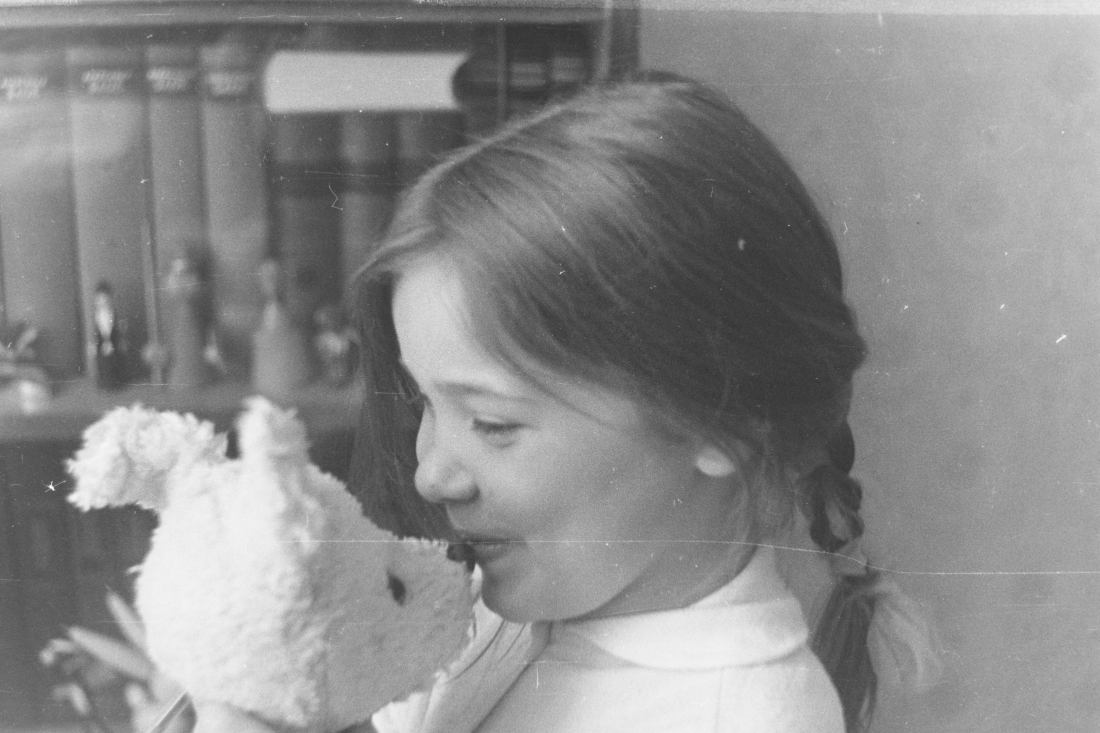
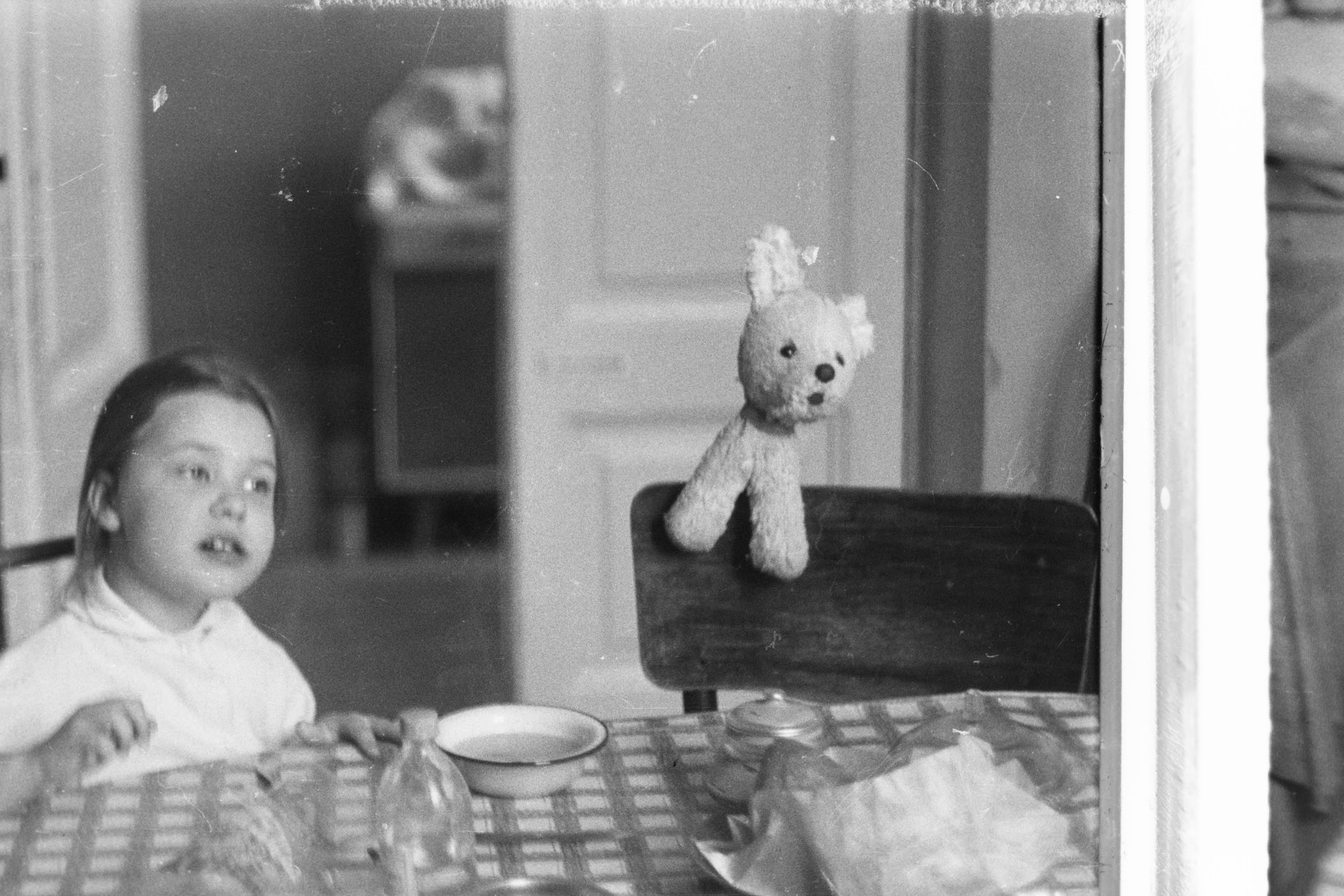
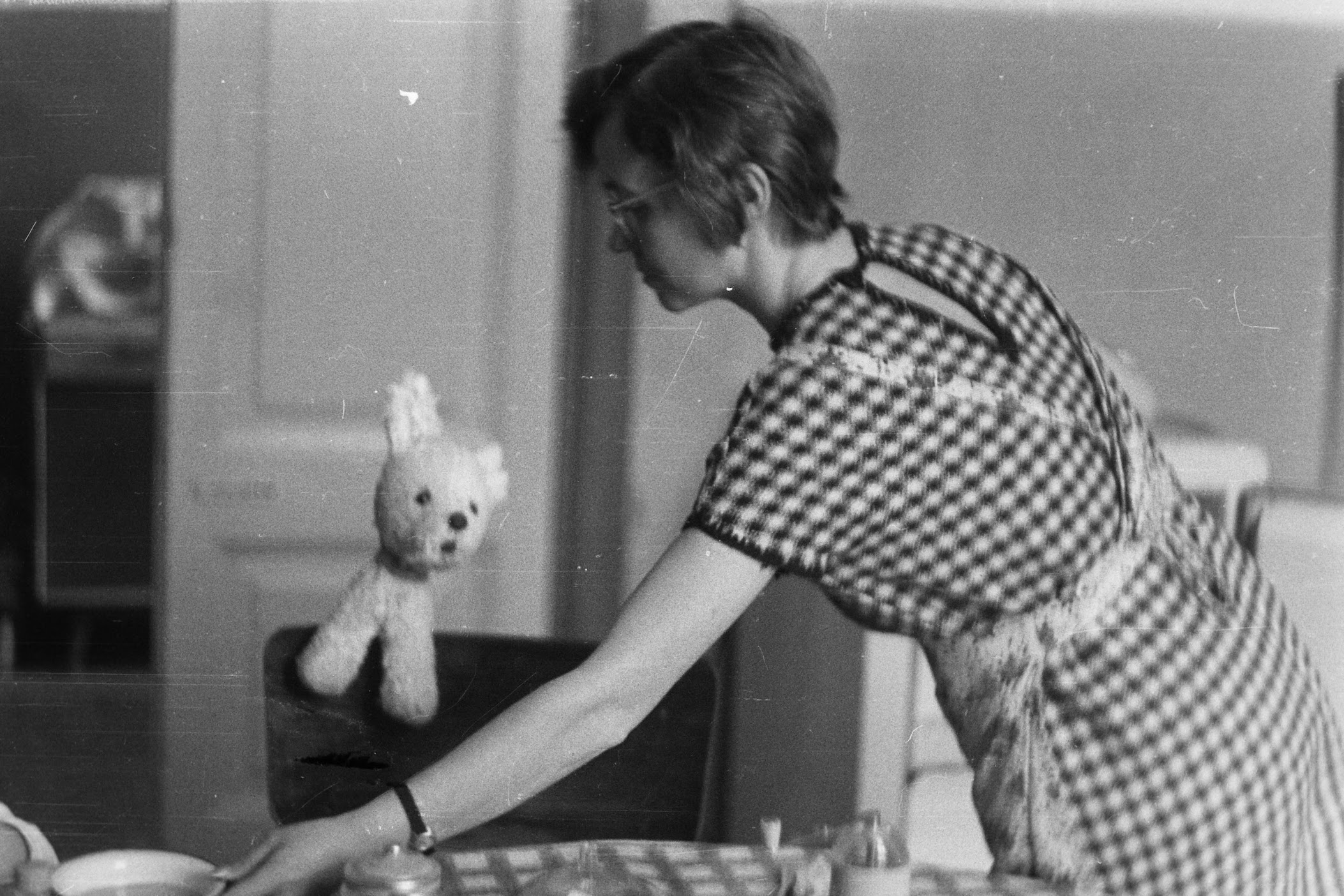
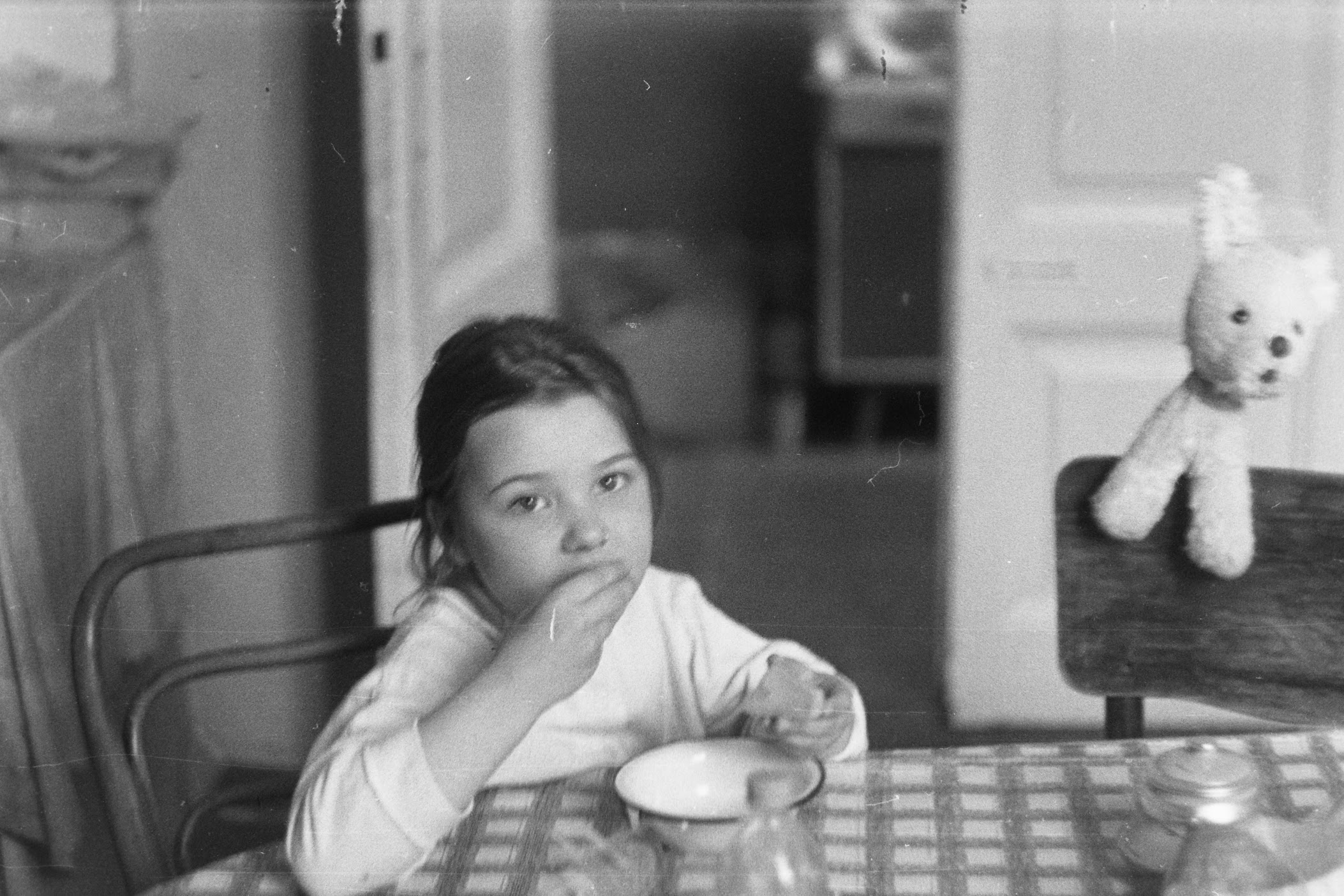
IN the kitchen, sometime in fall 1969 with my favorite stuffy named Boska
Mom
Continue reading “1969-1970”

Loo, September 1969

That was my second and last trip “to the South.” We rented a room from the same landlord and passed the time the same way as a year before. That meant that we spent mornings at the beach, then went inside to hide from the intense sun. We had milk and bread at home, and then went back to the beach. We had dinner in a small diner close to the beach and would go back to our room. Sometimes, we would wait to see a sunset over the sea.

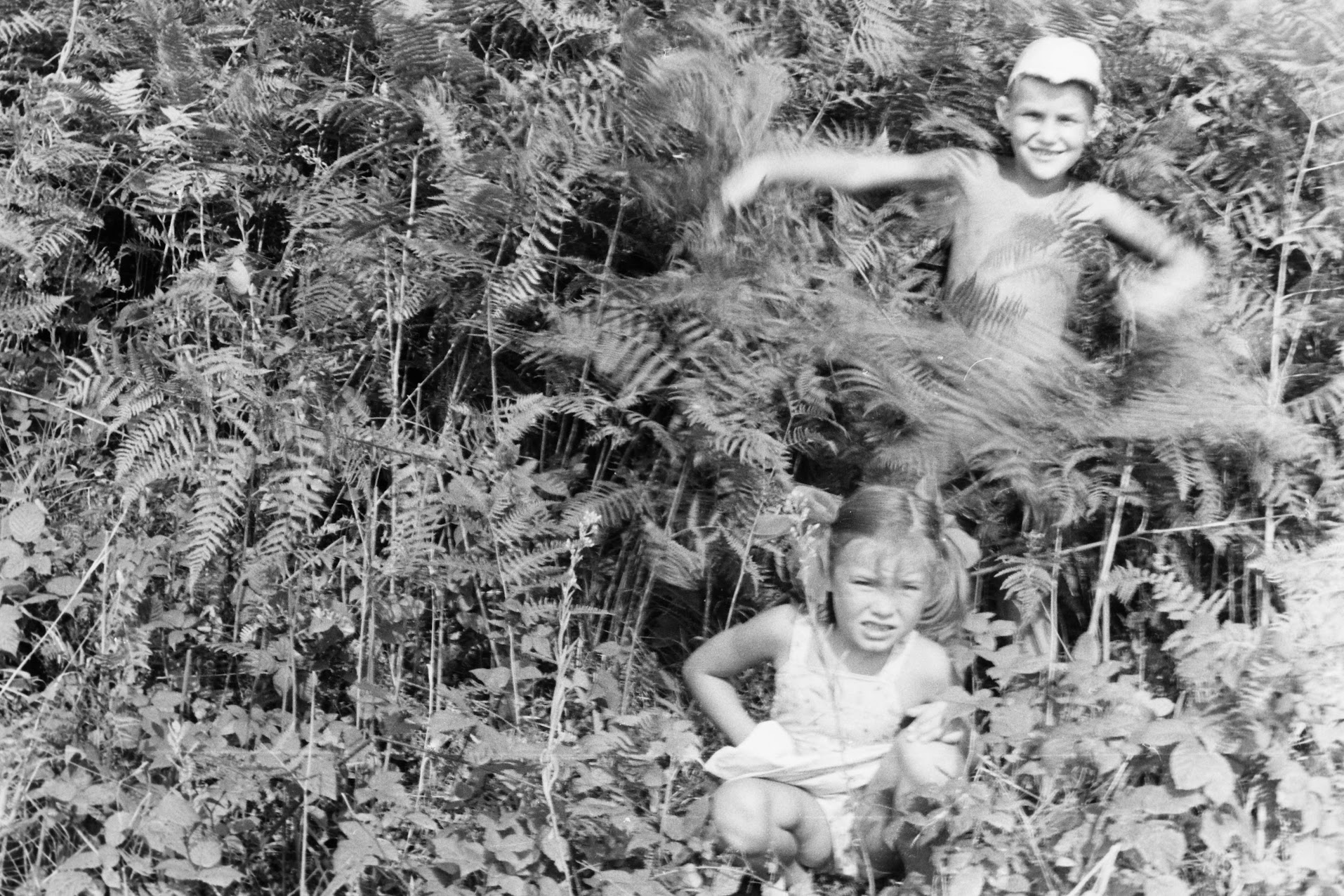
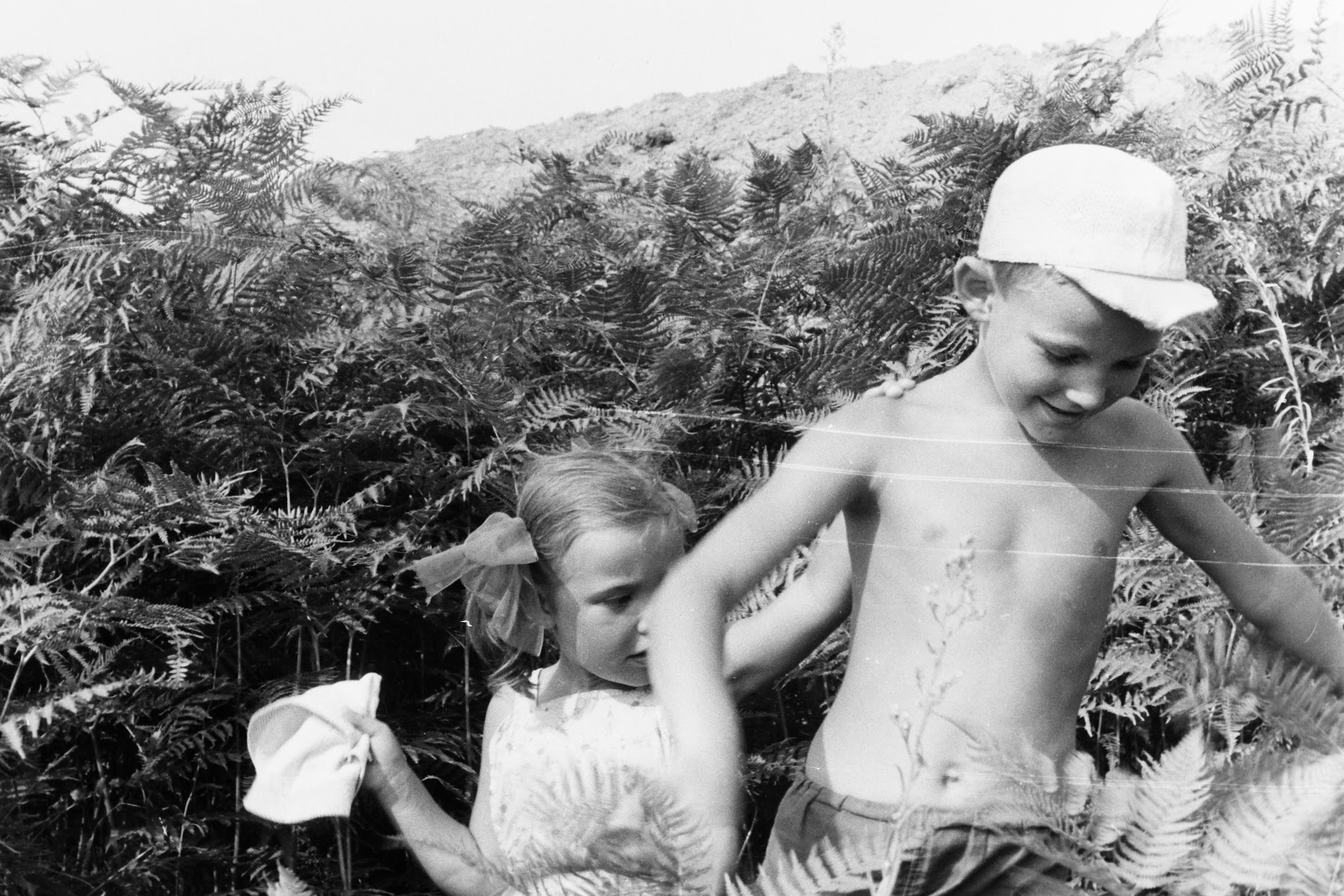
Mom made friends with another mom who was vacationing with her son, named Sergey. He was approximate my age, and we played on the beach together. A couple of times, we went hiking in the mountains – the mountains started right there, behind the houses. Sergey and I loved making our way through the ferns. Also, that was the first time I saw blackberries and tried them. In Russian, blackberries a called hedgehog berries, and I asked mom whether it is true that only hedgehogs could it blackberries:)

Continue reading “Loo, September 1969”

Sanatorium, part 3

Although most of the pictures from the sanatorium show me hanging out with boys, I mostly remember interactions with girls.

Since the purpose of our stay in the sanatorium was “to get more fresh air, we were outside a lot; almost all the time when it was not raining. When outside, we mostly played role games. We liked to pretend that the group of us was a family with many siblings. Since all the fairy tales were about girls or boys from poor families who would later become princesses or princes, we always played ” a poor family,” where everybody had to work.

As I mentioned earlier, there were two big girls in our group, Lilya was seven and Lyalya was six. Lilya just finished the first grade (she should have been close to eight then). They both, but especially Lilya, tortured us by “playing school.”

Lilya made small notebooks and actually taught a small group of younger kids to write in cursive. We hated it because our letters were coming out clumsy, and Lilya would yell at us (like teachers would do) and mark our work with bad grades. Somehow, I remember being more miserable when she yelled at us than when this would come from our teacher.

My stay at the sanatorium seemed endless, but finally, it was over, and mom and I went “to the South” again.

My historical posts are being published in random order. Please refer to the page Hettie’s timeline to find where exactly each post belongs and what was before and after.
Sanatorium, part 2

It has been several months since my last historical post. I published the last one on March 13, and it was in the making for a while. After that, the war took over, and somehow I could not return to the stories of my childhood, although I made several attempts during these months.
Here is another attempt.

***

I stayed in the sanatorium for at least two months, and I do not recall missing mom too much. Actually, I do not recall missing her when I was at dacha either. Later she told me how she was looking for excuses to visit me more often (the “parents’ days” were once a month). I think she subconsciously tried to develop in me an unhealthy attachment to her. When I was much older and stayed at the “pioneer camps,” I missed her and dreamed about the day the camp would be over.

However, in the summer of 1969, it was not the case yet. I was happy to see her when she visited, but I was not crying when she left.

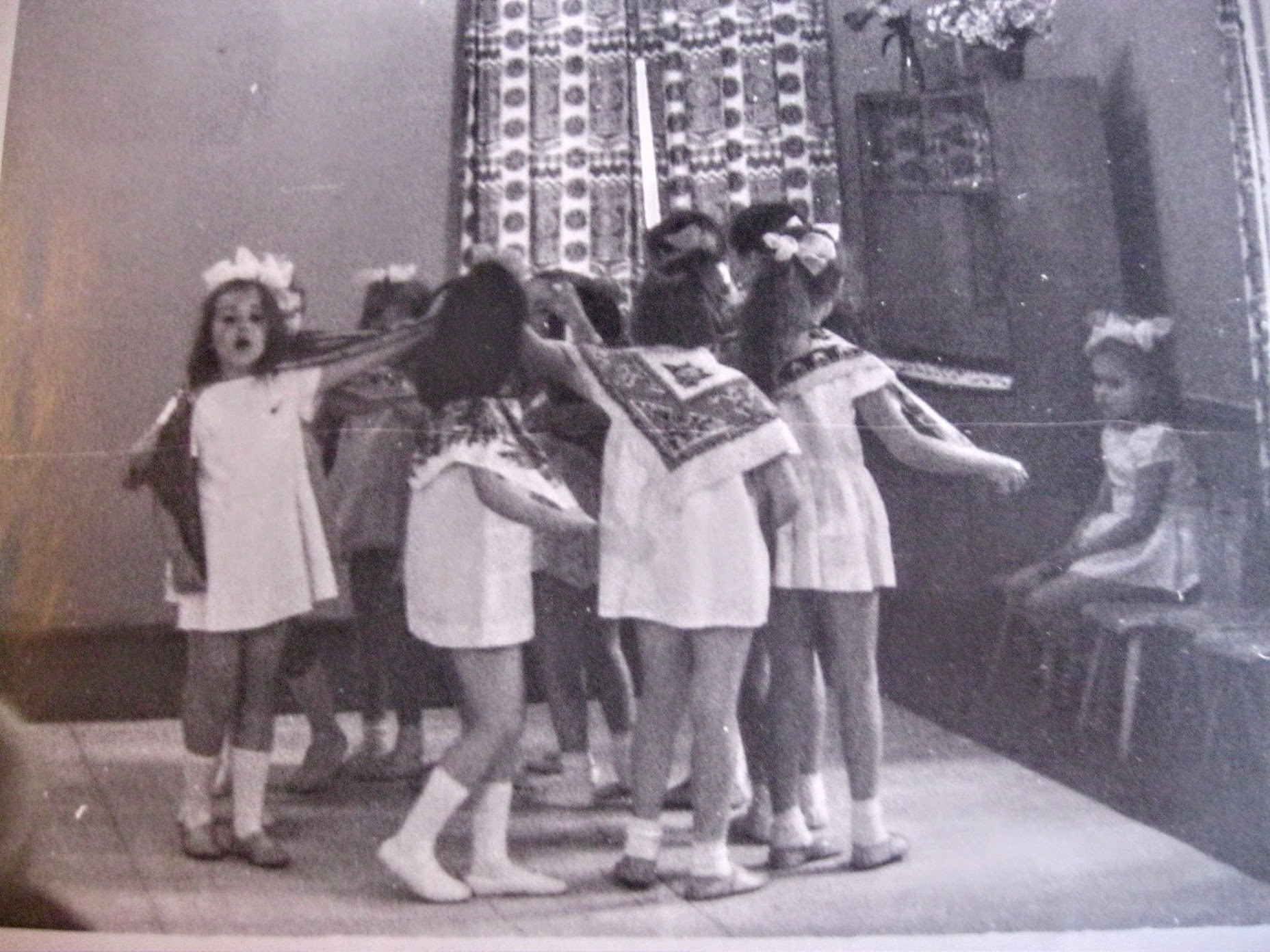
On parents’ day, we had a concert for which we rehearsed for weeks.

I believe we danse and sang “Vo pole berioza stoyala…”. I am the one on the left.
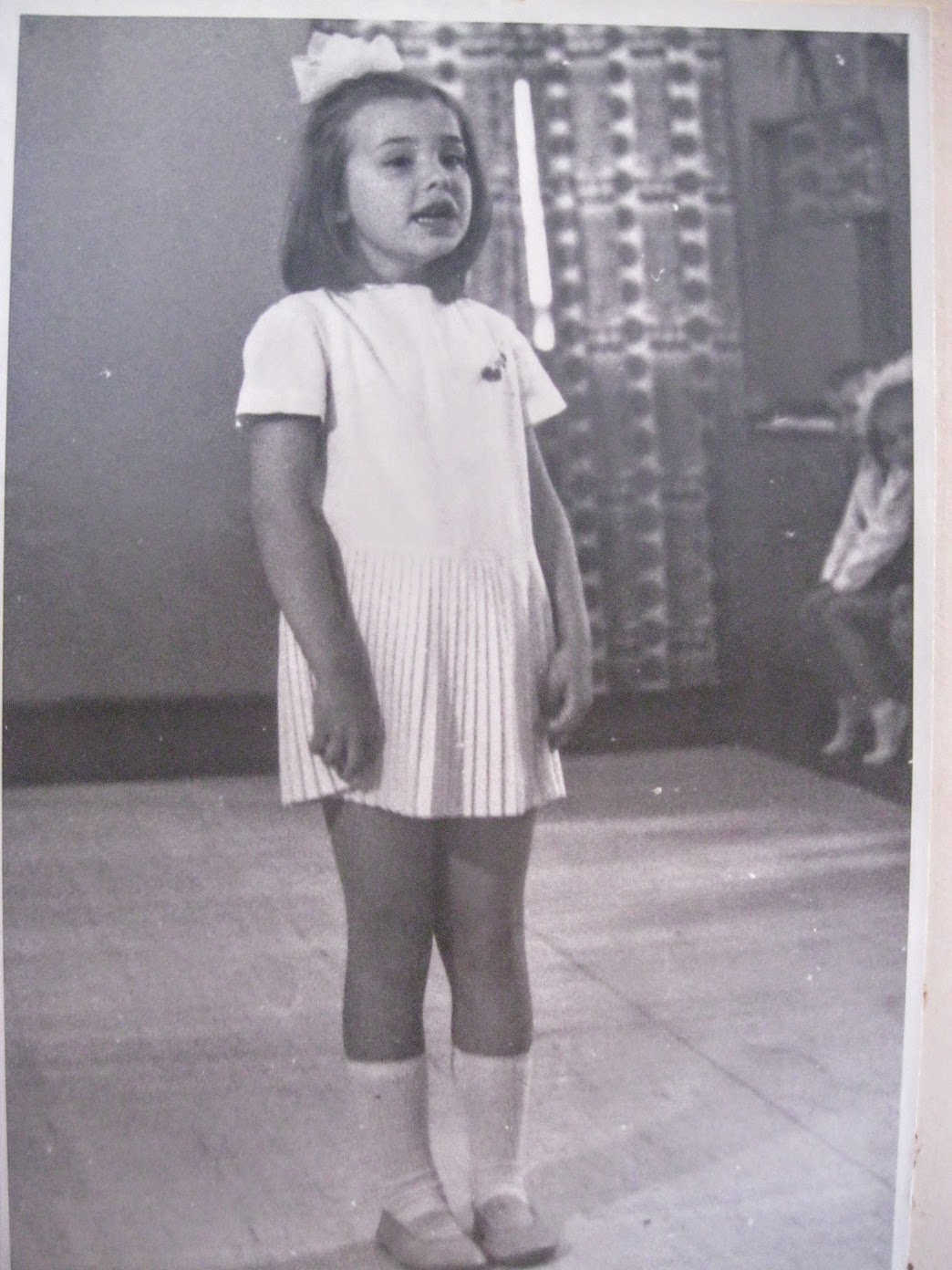
Reciting a poem
Continue reading “Sanatorium, part 2”

Summer 1969: The Sanatorium

As it often happens, after I started the daycare (detskiy sad), frequent colds started, but in addition, several times, they ended with pneumonia. Back in the 1960s, that sounded even more serious than now. A part of the reason for our trip to the Black Sea in 1968 was a belief that it should strengthen me against the frequent colds. At least that partially influenced mom’s decision.

Most likely, the situation somewhat improved, but not drastically, and the doctors recommended a sanatorium. Back then, a sanatorium mostly meant that I would stay “on fresh air” more than I would do otherwise. Also, it meant almost free boarding, which was a relief for mom. 

That summer, she sent me to the sanatorium in Solnechnoe, in Karelia. It’s not like she had a choice where I would go; pediatric clinics were getting quote, and they would decide who should go and where. 

Solnechnoe, former Finnish Kuokkala, was the most southern resort in the “Russian” part of the Baltic Seashore. This territory has a long history of changing ownership; some details can be found here. It is not like I cared back then, and I do not even think that mom cared. She mentioned that they routinely called Karelia “Finland,” so there was no confusion about this land. 

I came to Solnechnoe in mid-May, shortly after “the May holidays” – the sequence of May 1st, 2nd, and 9th, which were all days off, plus the weekends in between. In the beginning, it didn’t feel at all like summer, we wore coats outside, and the spring bulbs just started to bloom. 

I do not know why I remember this boy’s name – he is Seriozha Morev

Other than that, I didn’t see much difference between being at the dacha and in the sanatorium. The building was somewhat better, and for sure, it was somebody’s summer cottage nationalized by the state. In the picture above, you can see how close the building is to the seashore.

Can you find me? I am the one with the white bow

Our building housed the “younger group” and “the older group,” which included children from 5 to 7 and even two school-aged girls, Lilya and Laylay (the very back row on the left). Looking at the class picture, I remember most of the kids, how they looked in real life, what color their clothes were. For some reason, I do not remember the names of the kids with who I played most often but remember others My best friend was a girl who is the fourth from the left in the second row, but I don’t remember her name. And I remember that the girl on the very left of the second row was Ira Kolesnikova, but I was not that close with her. Also, I am surrounded by boys in all pictures, but I do not remember hanging out with the boys that much. I mostly remember the fights :).  

That summer, I learned to jump a rope, and there are lots of pictures where I demonstrate that skill

Looking at these pictures, I remember one funny thing: there were some rules about what we should wear in certain weather. For example, we had to wear sweaters over the dresses when the temperature was below 20C (68F). On the other side of the building, the beach was right there, but we were not allowed into the water until both the air and the water temperature reached a certain degree (I have no idea what it was). There were still days when we swam, and that was a real delight!

One of these warm days

More pictures in the next post!

My historical posts are being published in random order. Please refer to the page Hettie’s timeline to find where exactly each post belongs and what was before and after.
Spring 1969

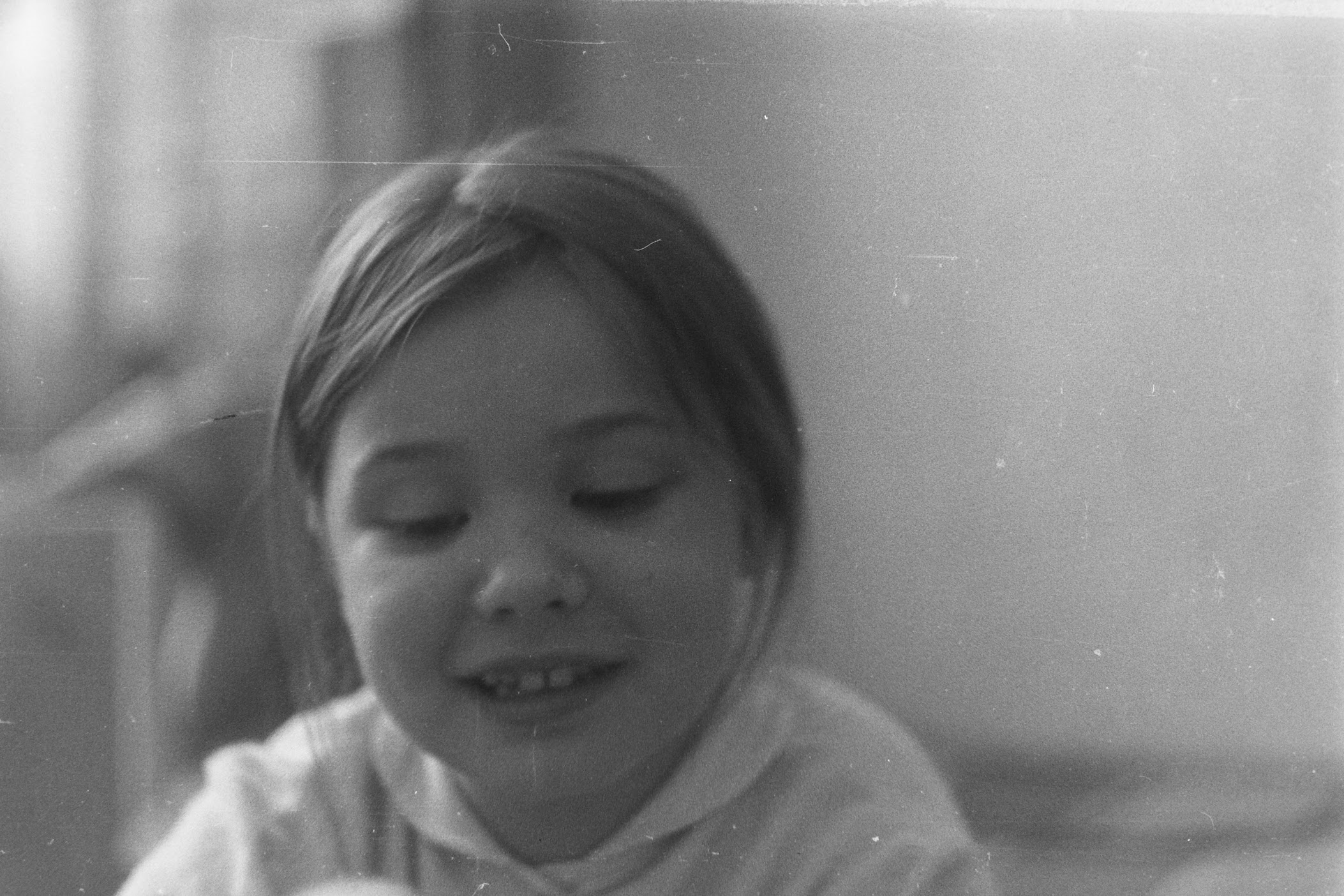
I am six, and I am walking with my mom along the Griboedova Channel embankment in Leningrad. The weather is exactly what you expect in March – grey, foggy, a little bit over freezing. Once again, since mom and I are both on one of the pictures, my father had to take them. What was so special about this day, I can’t tell. But here I am happy and smiling.

My historical posts are being published in random order. Please refer to the page Hettie’s timeline to find where exactly each post belongs and what was before and after.
Spring 1968

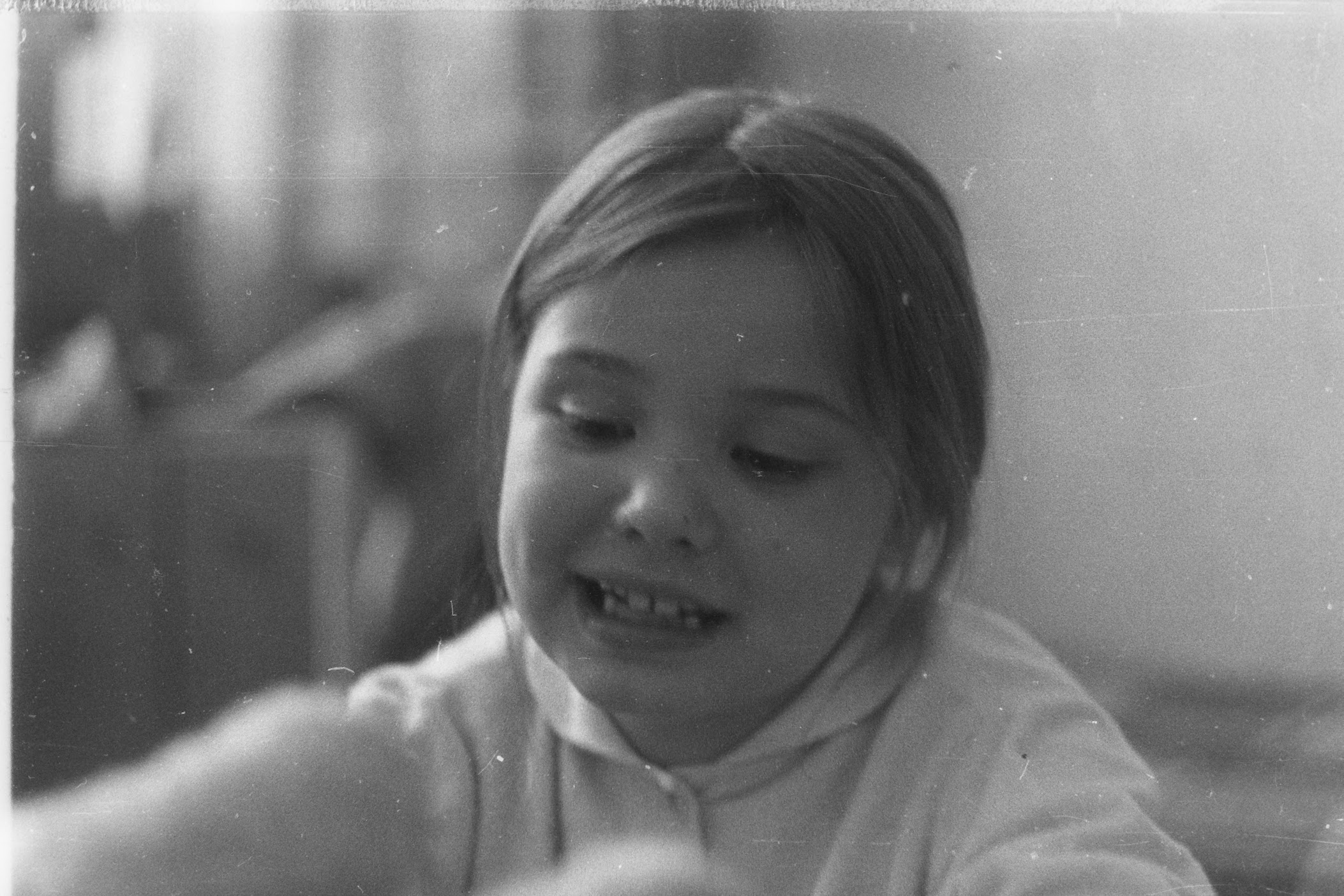
I can’t tell for sure whether these pictures were taken in spring 1968 or later in the fall after we returned from Loo, but most likely in spring.

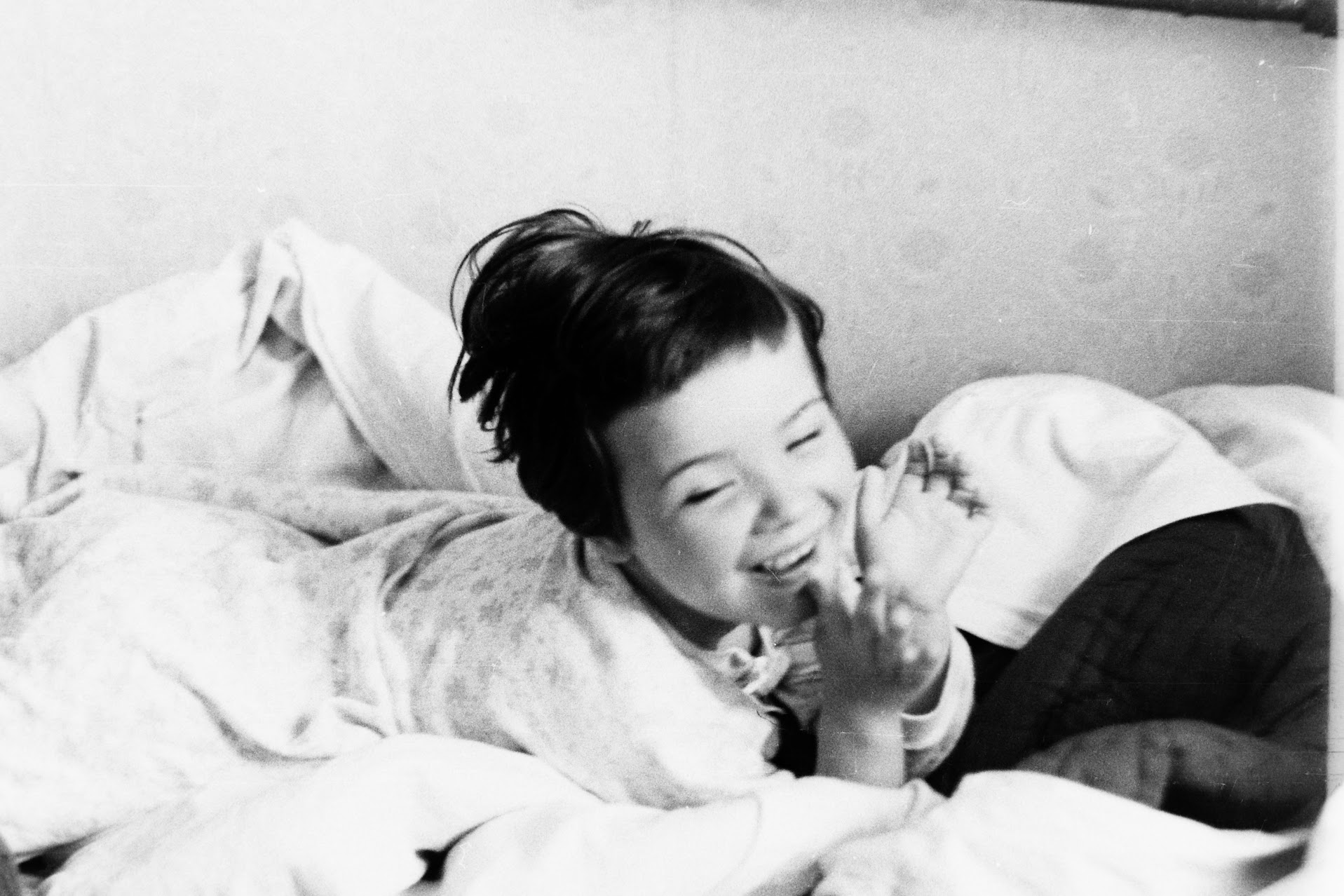
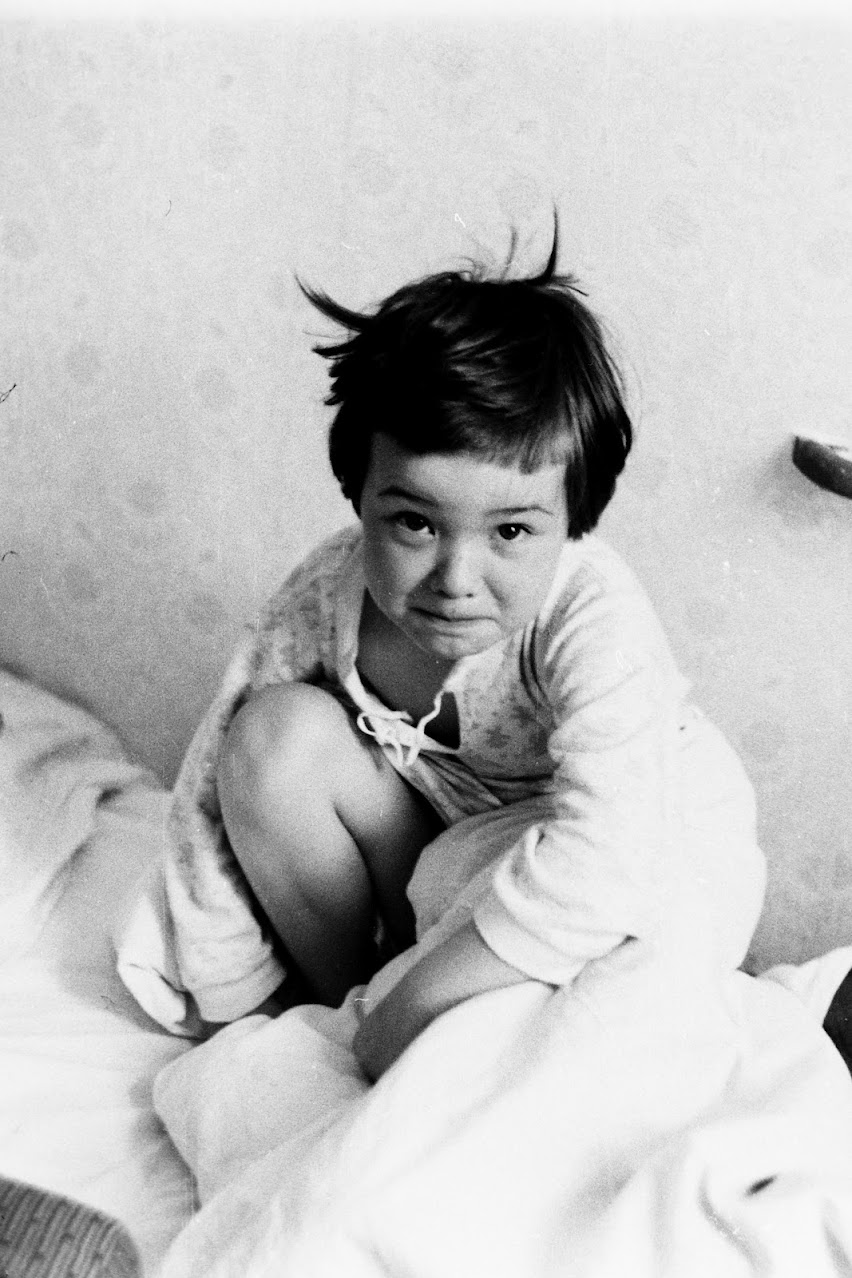
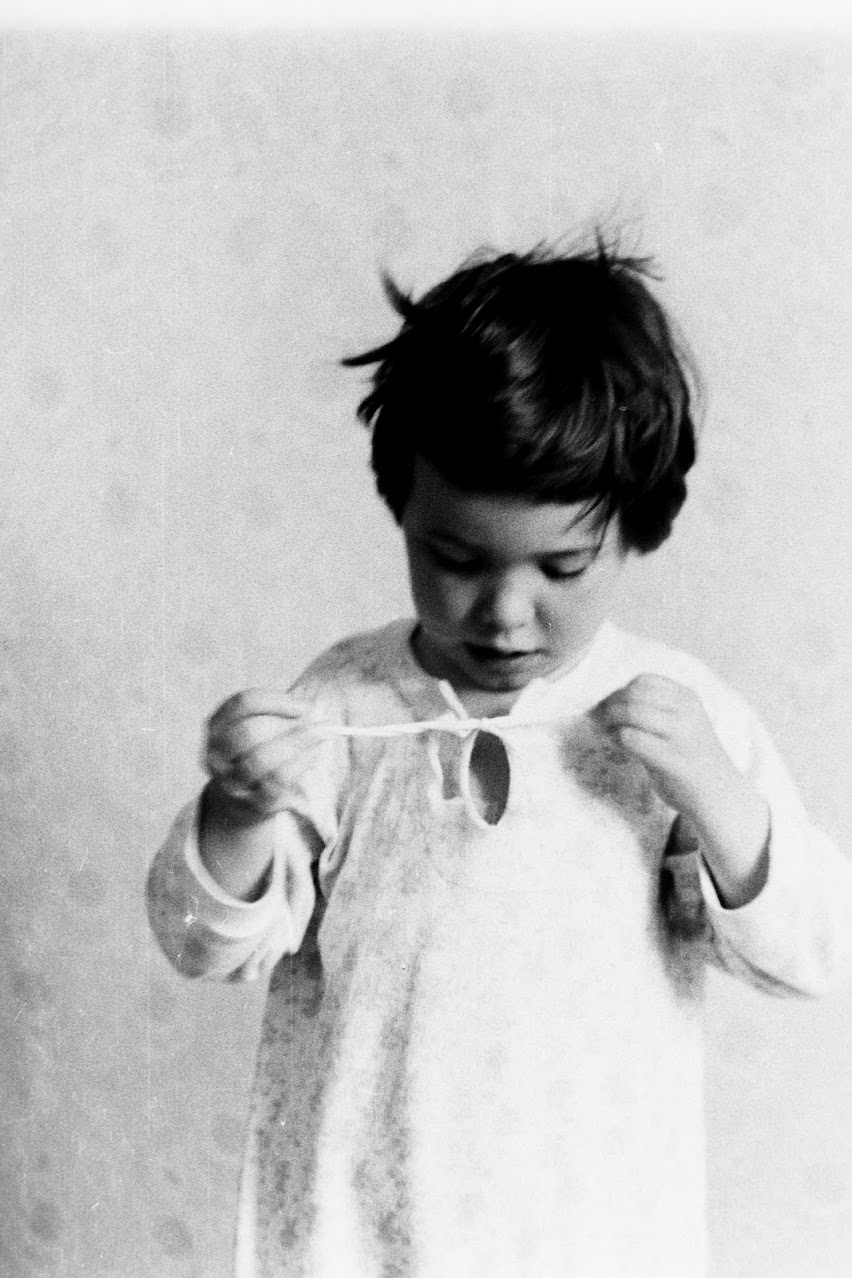
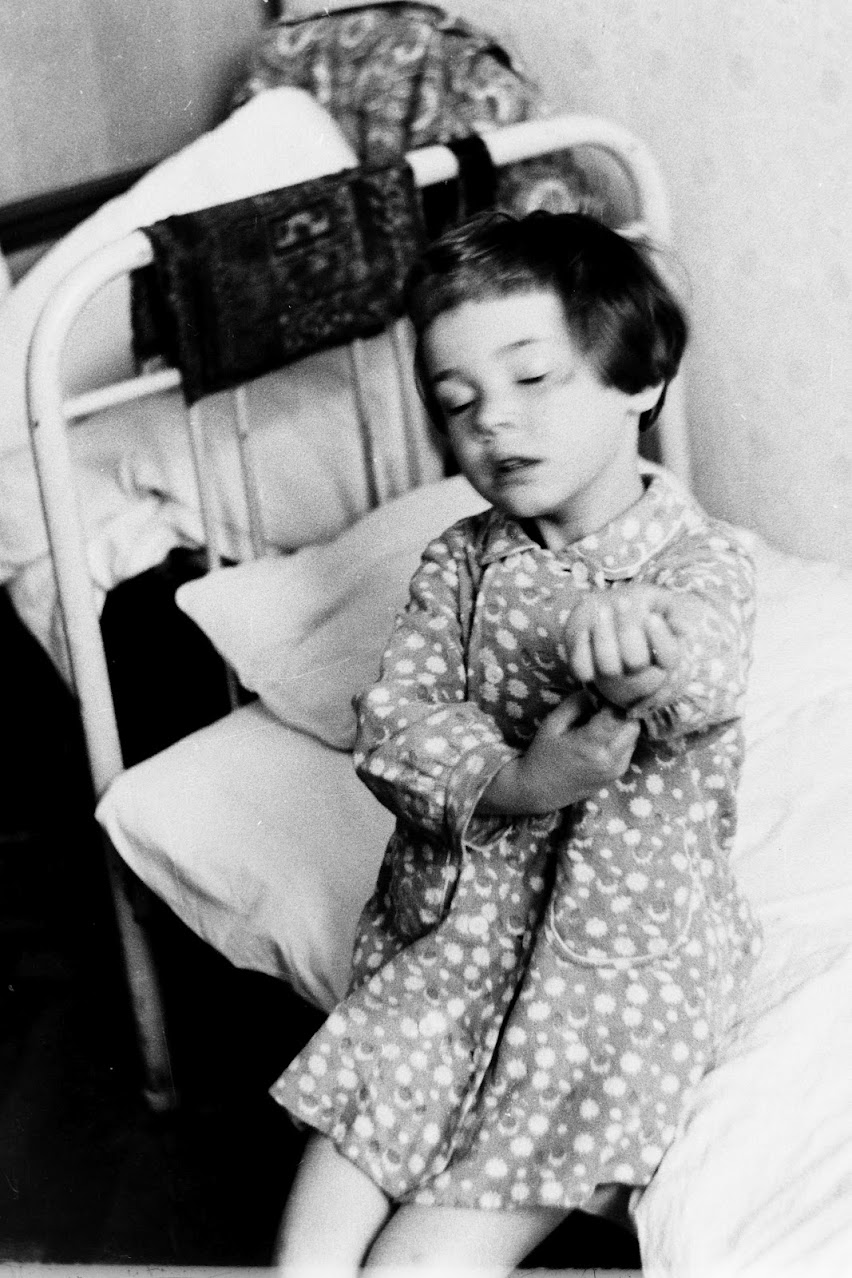
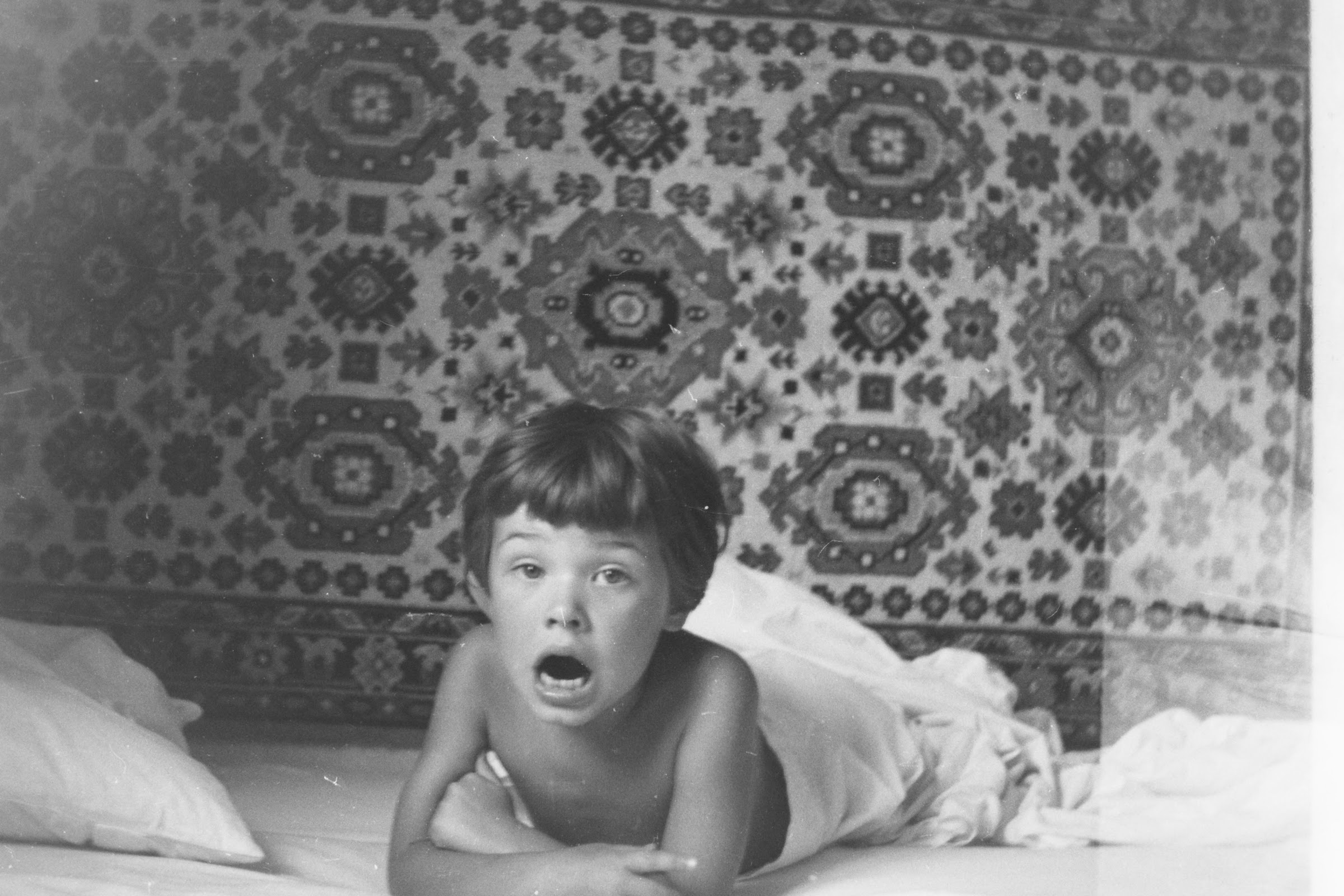
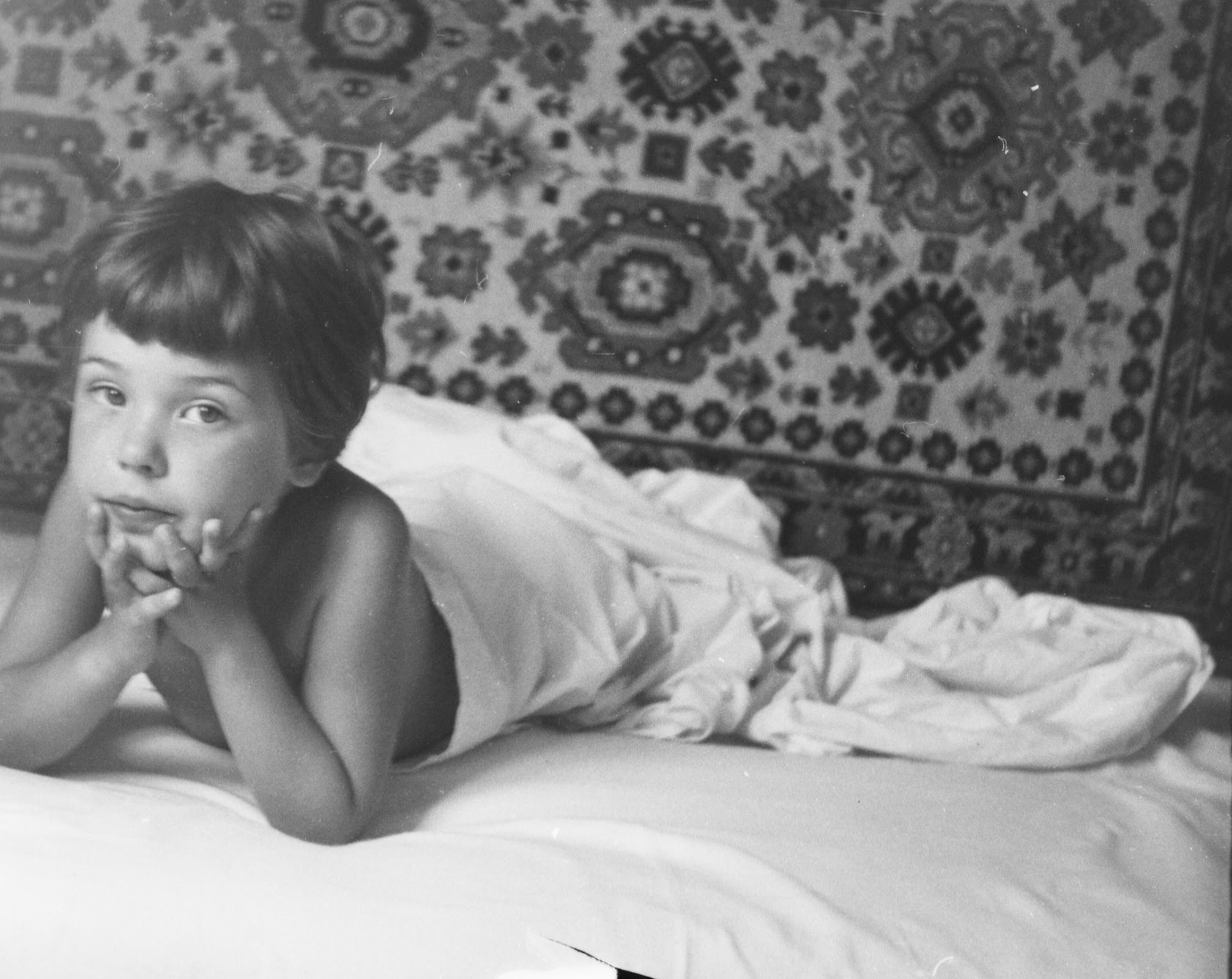
As in many other cases, they were taken during my father’s visits with me. One the first of these visits, he came close to the end of my afternoon nap time (there was no option of going to bed without changing into a nightgown, even though I didn’t sleep).

Continue reading “Spring 1968”

Loo, September 1968

I asked mom whether she remembers why we chose Loo, did she know anybody there, and how she found these landlords who rented a room for us. She does not remember, so there is no way to find out. neither how the arrangements were made, nor how much it cost.

I remember walking to the house, which will become our temporary home for a month. It must have been a five-story building, and I think we lived on the third floor. The owners rented all the rooms they had during the season. I remember that the owners slept on the couch in the living room. They had three children – two older boys and a girl around my age named Ania. Most likely, they got their apartment from the government because they had three children, but I can’t recall where all these children slept when they rented all the rooms except for the living room. Since the people were moving in and out, mom and I spent the first two nights on the huge balcony and then moved into a small room with two twin beds and a desk.

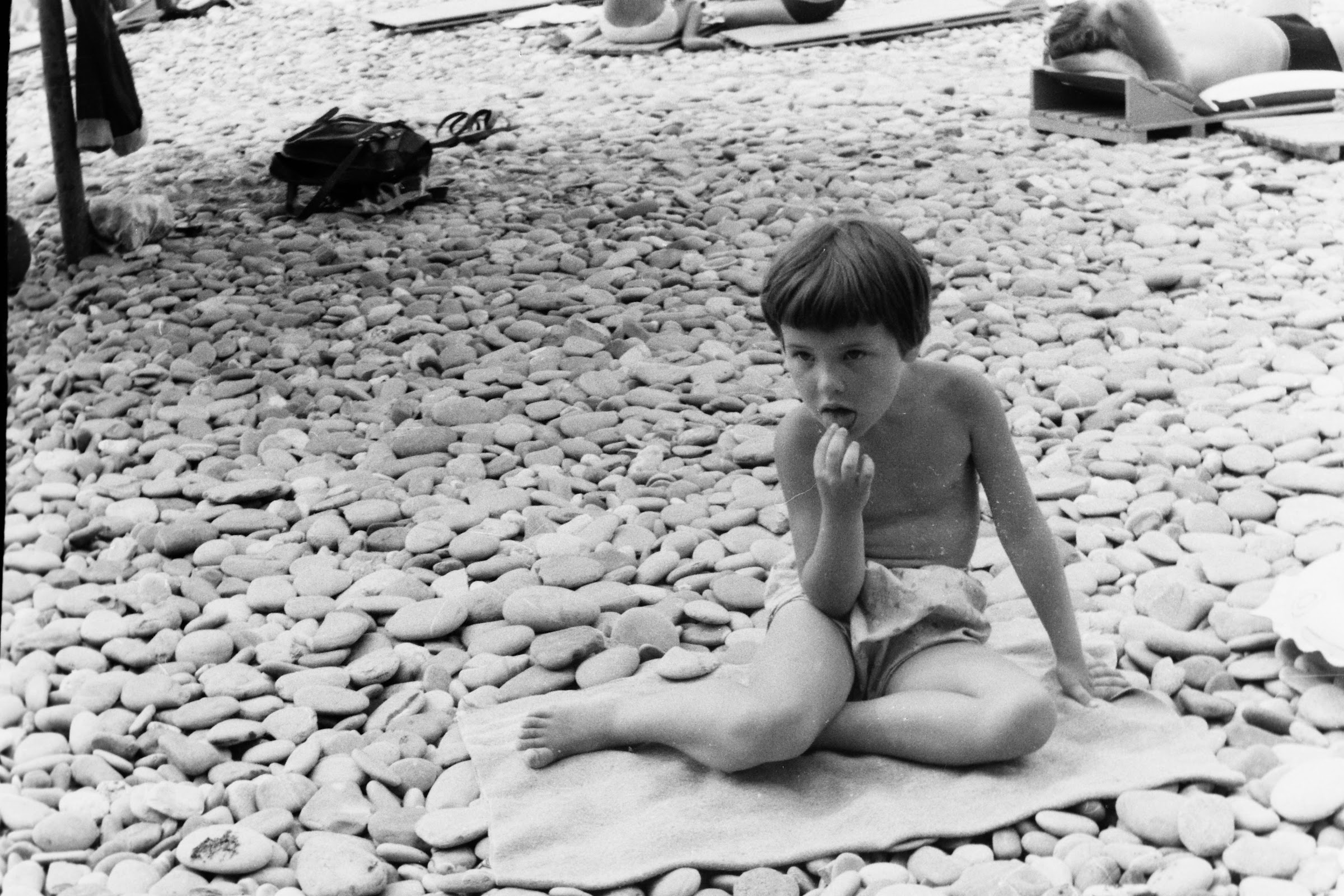
We had breakfast at home in the morning; then, we would go to the beach and stay there till noon (no sunscreen in existence). I saw these beaches from the train window; I had never seen anything like that before – they were covered with flat pebble stones instead of sand. We stayed inside for the hottest hours, and then we would go to the beach again until dinner time. Usually, we had dinner in a cafeteria by the beach and then often returned to watch a sunset.

Afternoon nap
At the beach

I was not tired of that repetitiveness – everything was new to me!. The Black sea, the beach, the mountains which started right behind a narrow strip of houses, the abundance of fruits at the market, the corn on the cob sold right at the beach from large buckets – ten kopecks an ear.
I am skeptical about the medical benefits of this trip, but it made great memories.

My historical posts are being published in random order. Please refer to the page Hettie’s timeline to find where exactly each post belongs and what was before and after.