Helsinki greeted me with rain and barely 60F, but today is sunny, and isn’t it great to be so close to the North on the Summer Soltis?! I do not think I saw any dark last night:). Somehow, 63F seems miserably cold in Chicago but feels perfectly summery in Helsinki. And the bike paths! And the ability to bike everywhere, and the parks so close to the city center! Yes, as much as I complain about missing out on two weeks of Chicago summer, I enjoy these days in Helsinki – a perfect summer in a different way.
Rainy dayI think that my lake looks more like a sea than that sea 🙂Pear ice-creamGoselings
This weekend was a birthday weekend for my granddaughters. Since I had Friday off, I thought that I would go there for a long weekend, possibly leaving on Thursday evening. It was only later that I realized that that was the same weekend I had to leave for Europe (and early enough to work on Monday). Fortunately, due to the very convenient scheduling of the direct flight, I could still accommodate the whole project; I just had to leave Milwaukee on Saturday night instead of Sunday.
On Friday, I took the first Metra train from Rogers Park (at 5 AM) to take the first train to Milwaukee at 6 AM. It felt insane to get up that early, but it was the best decision – I had the whole Friday!
First Metra Train of the day
So Kira is now two, and Nadia is five, and I do not even know which of this more unbelievable! Or maybe it’s the fact that Anna is a mother of two:). Nadia and Kira are such different personalities, and both are just absolutely amazing. It feels wonderful to see them growing and their stories unfolding. Looking forward to many many years of this journey!
Some weekend pictures:
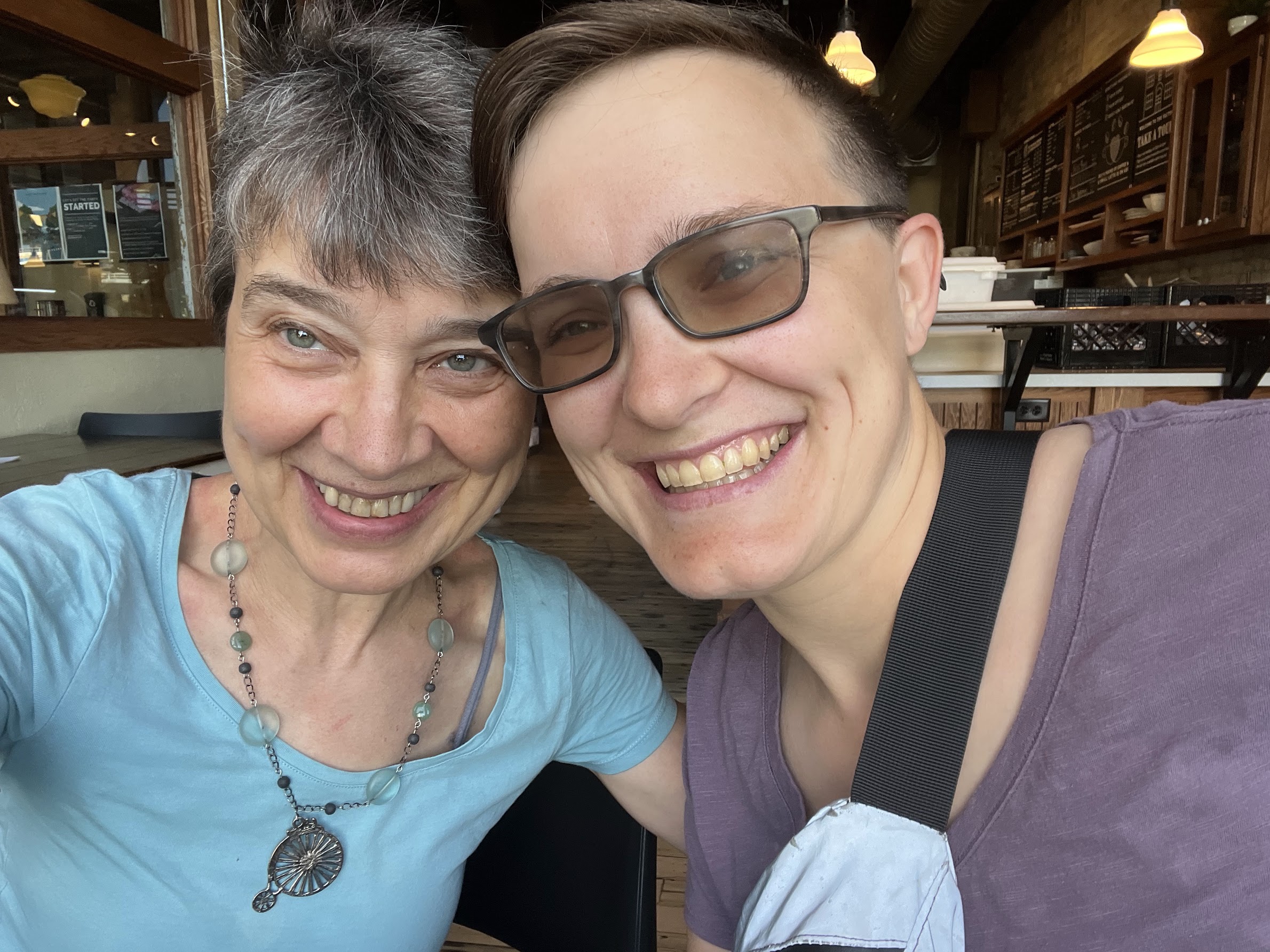
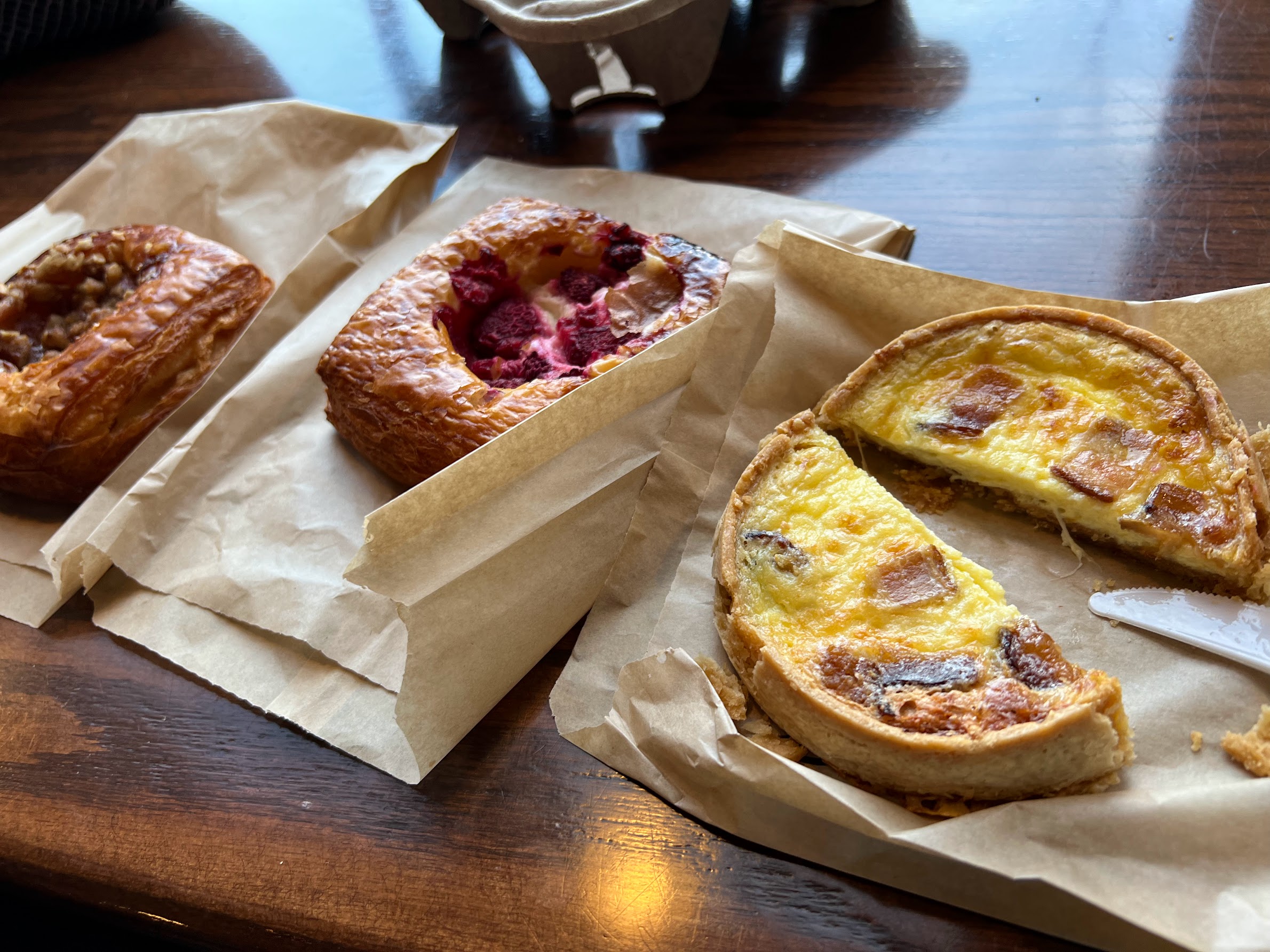
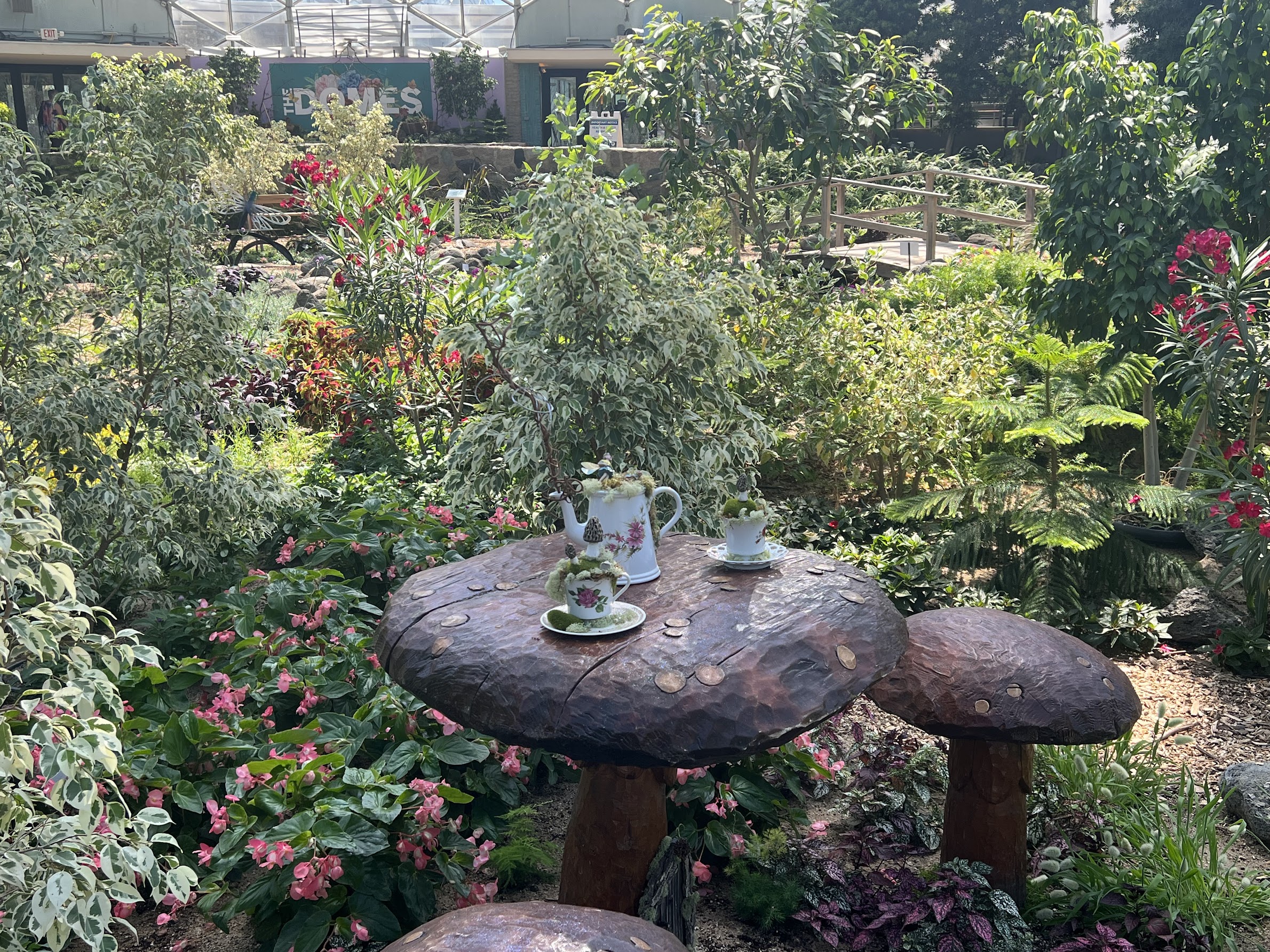
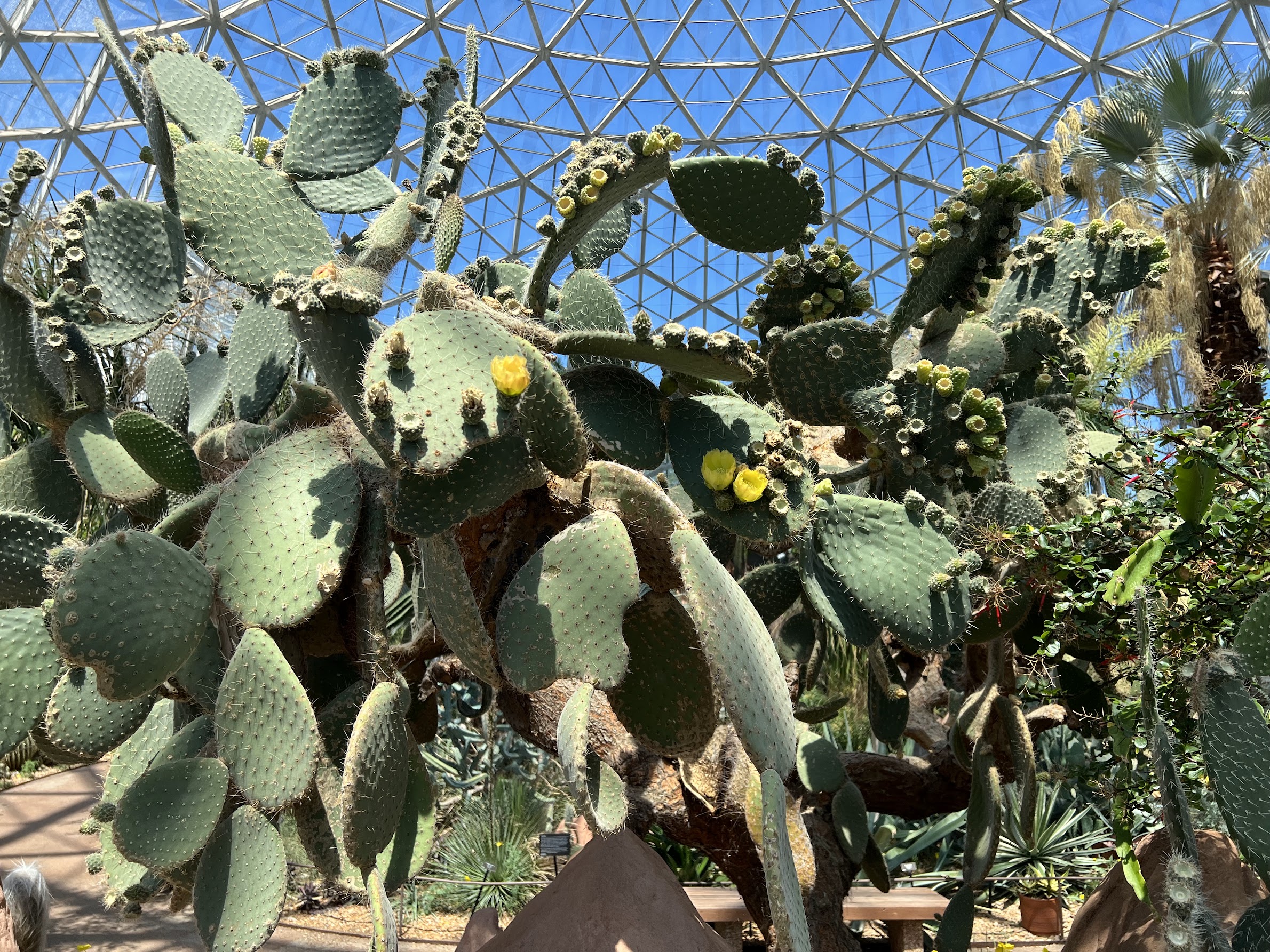
Breakfast with Anna upon arrivalVisiting Mitchel Park DomesVisiting Mitchel Park DomesVisiting Mitchel Park DomesWalking along the riverGetting ready to the party
So here I am, leaving my beautiful Chicago at the best time of the year, leaving the lake that just started warming up—going on a two-week-long trip, which required lots of planning. I hope that everything will work out the way I planned!
In my old house, I used a special window-washing attachment with my garden hose to wash the outside part of the windows. The was enough pressure to wash the second floor. Since I moved to my new house in May, I decided that I will think about the windows next season. Now, next season has come :). I started to ask my neighbors in April, and one of them showed me the trick. Interestingly, he only knew about this trick because his father worked in this industry. The house didn’t come with a manual!
But now, that I learned about it, I know how easy is it to wash the windows here – and I can do it even better than in Palatine!
Three things make grocery shopping in summer fun. First, I need to shop less because I decided to keep both of my CSA sign-ups (a half-share with Urban Canopy and a small share with Nichols Farms), and both are delivered to my house.
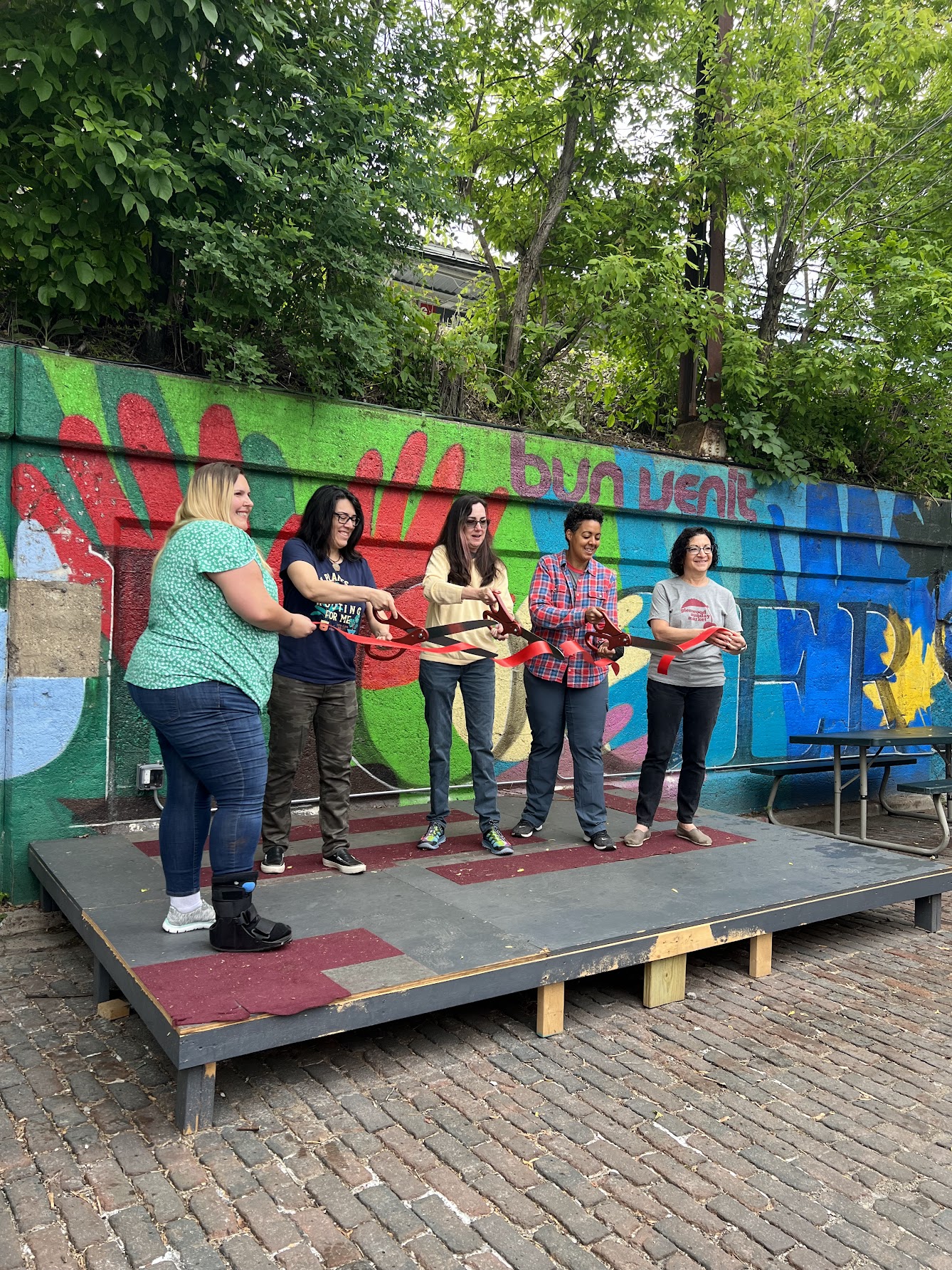
The second is that Glenwood Street Market moved back to its location right by Morse CTA station, so it is now super-close to my place, and it operates on Sunday! Saturday markets are always challenging because there are too many things happening on Saturday mornings!
The ribbon-cutting two weeks ago
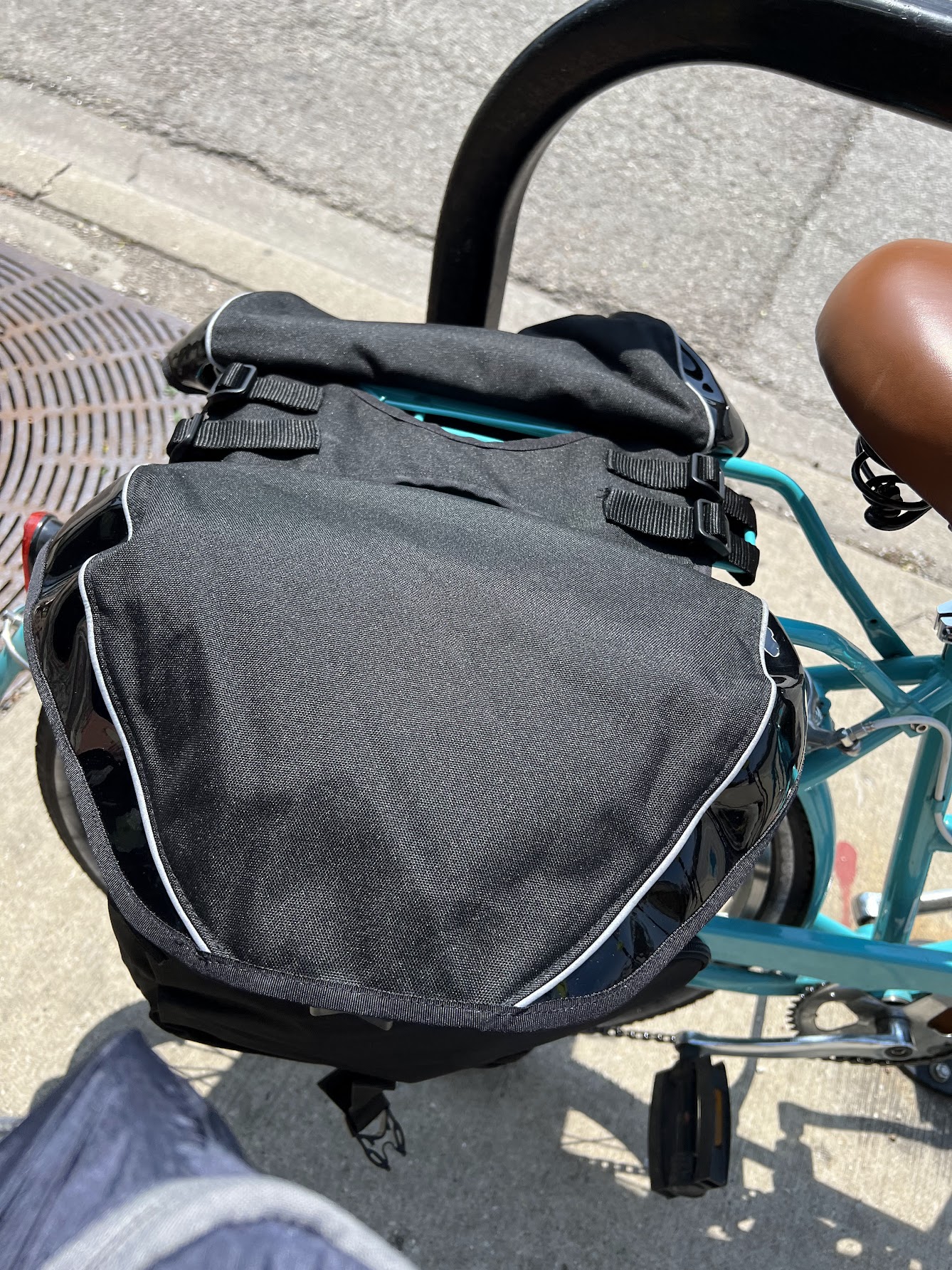
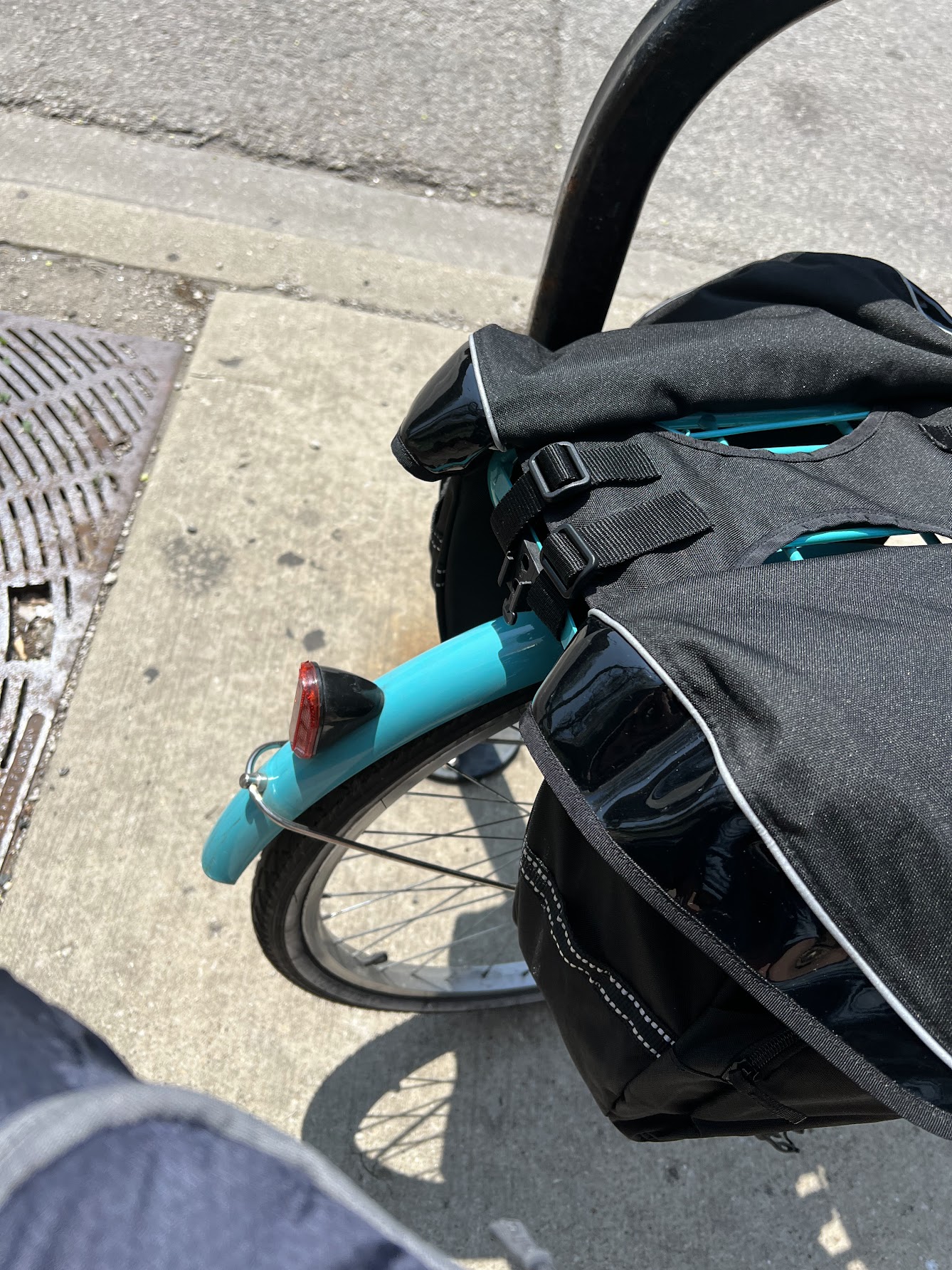
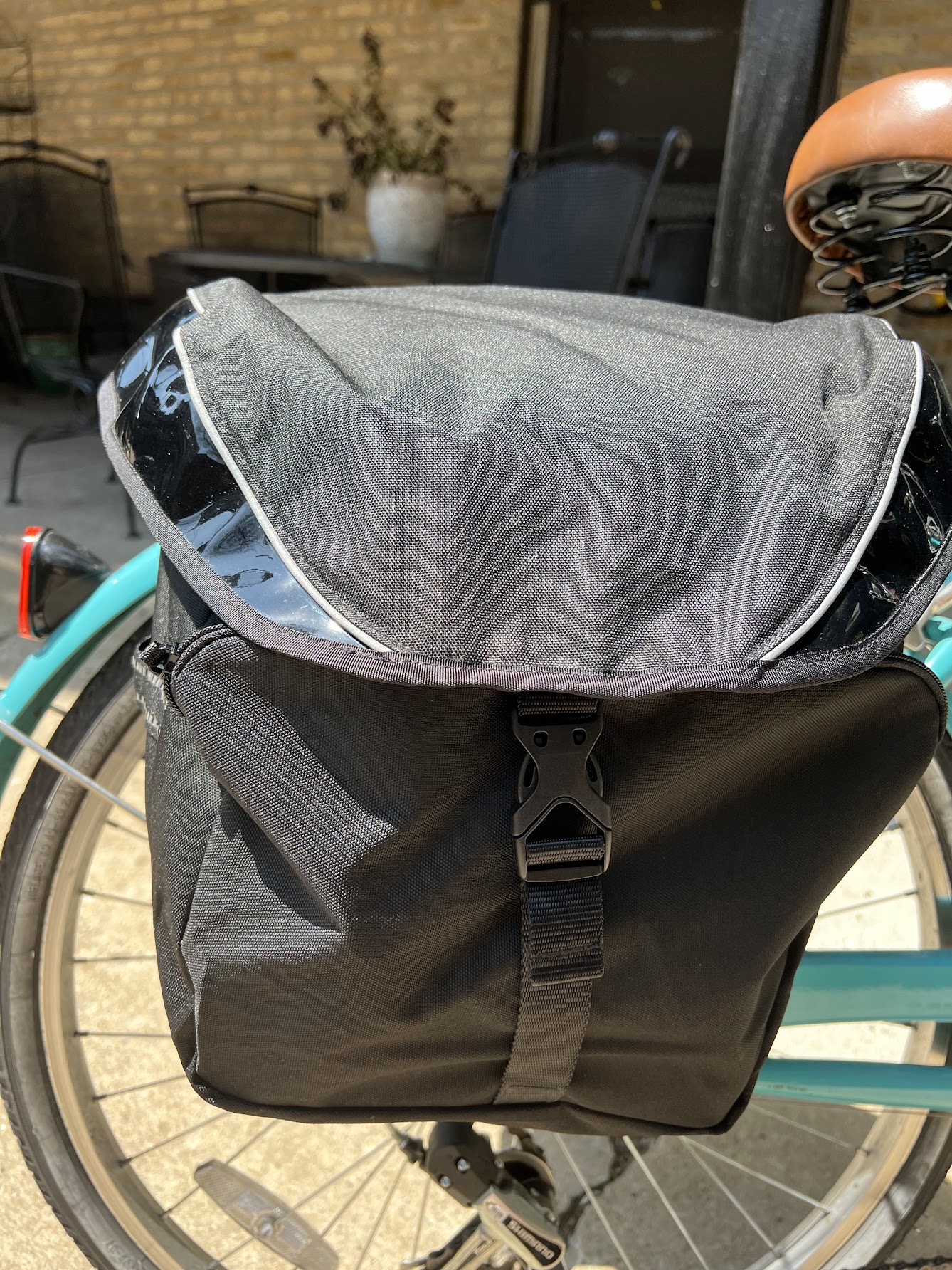
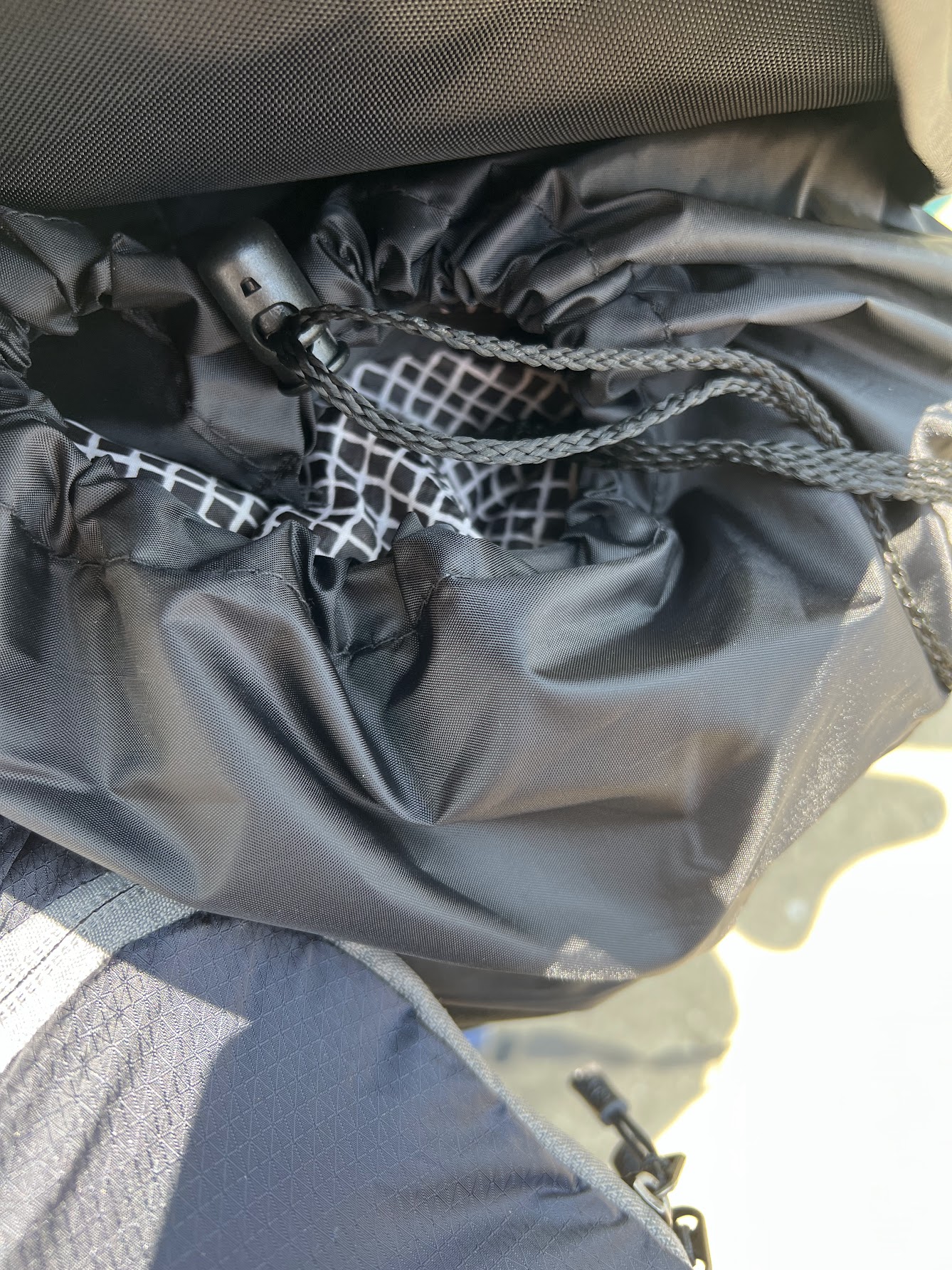
And the third one is that I can bike to the stores. Earlier this year, Boris found a perfect bike “saddle” bag: it is extremely spacious, easy to attach to the bike rack, and perfectly balanced.
May and June ended up being quite unproductive in terms of my volunteering at the Open Door Shelter. There were some blackout dates from my side, but also, our volunteer coordinator was out for a while, and he didn’t leave any backup. Not only did I end up having fewer activities planned, but even some planned activities were canceled because of a lack of coordination. Last week, he told me they would have a celebration for the high school graduates and order food, and why I won’t come and hang out with them. It was not the greatest idea, partially because I came earlier, way earlier, and there were no organized activities, and I could not organize food preparation because it was not planned :). Folks kept approaching me and asking why we were not cooking, why they were not told, etc. I had a couple of very good conversations, but overall, I felt very much displaced.
Later, I walked into the volunteers’ coordinator’s office and told him: let’s put several days on the calendar for July. This was done, and he said it was all his fault that May and June were like they were :). I told him he does not have a failover strategy:). There was one young woman with whom we bonded instantaneously the first time we met, and now he was crying that she would be gone by July and how she would never have my soup again:). I told her that I was sure we would see each other again if she would really want.
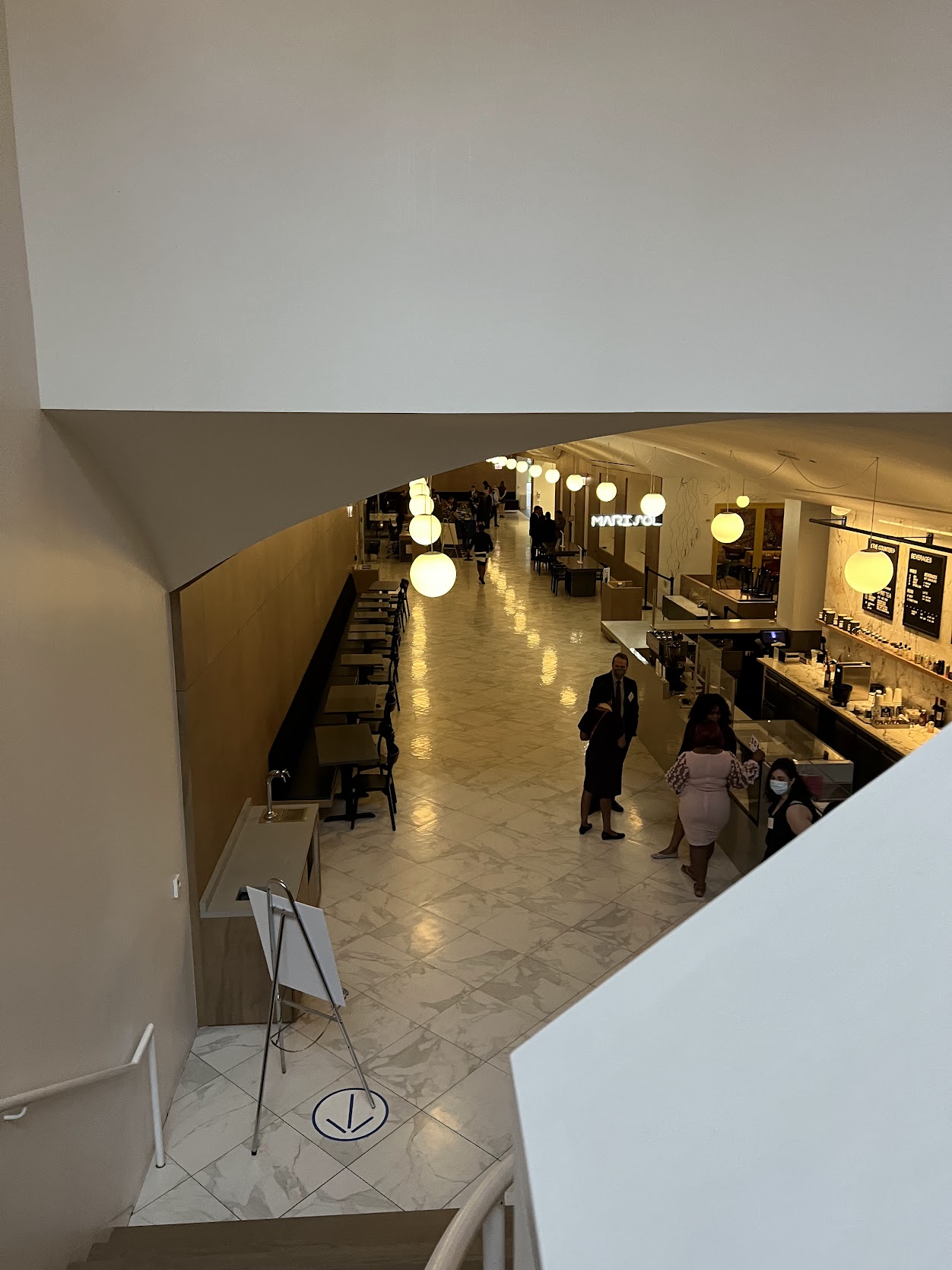
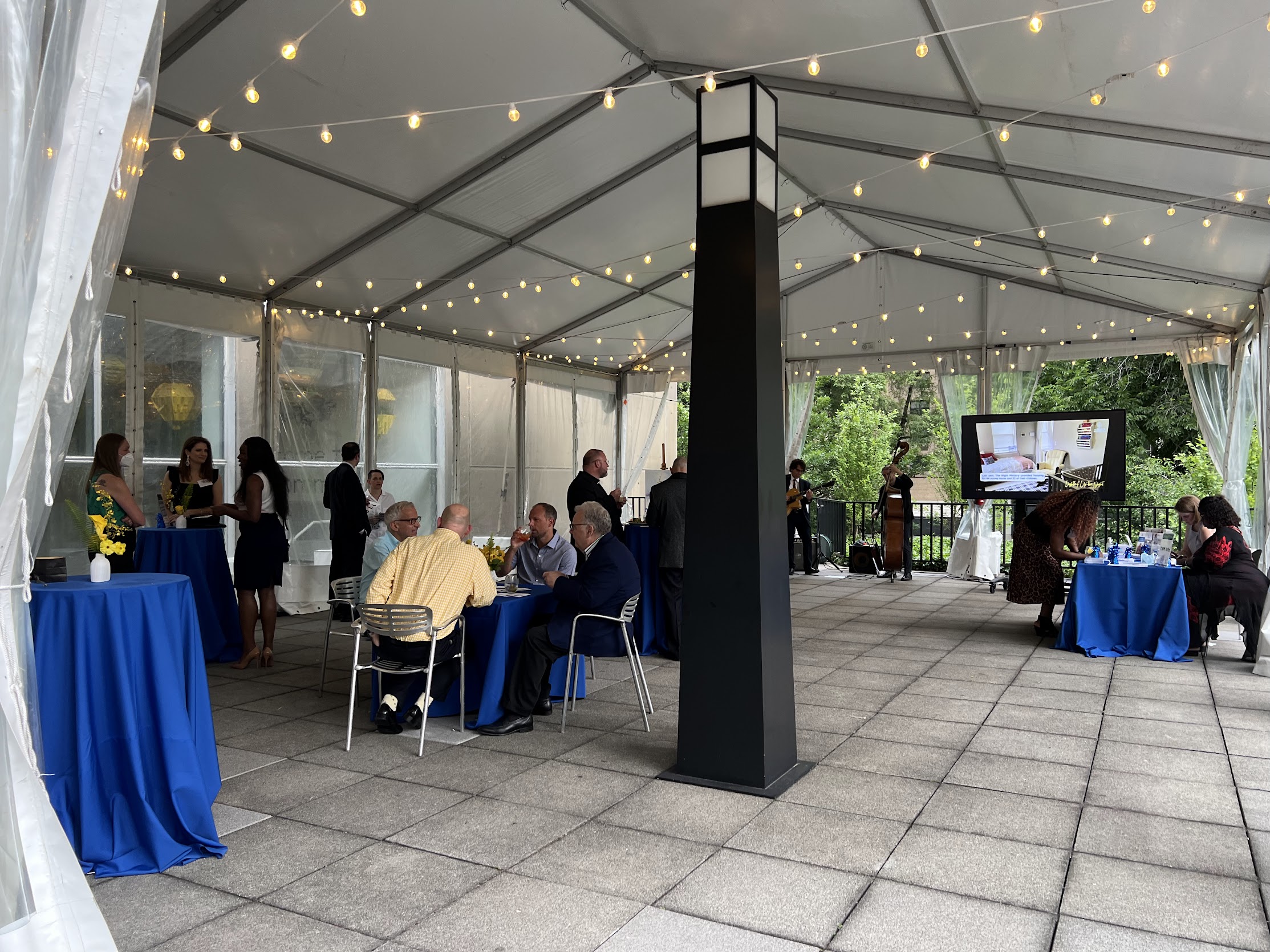
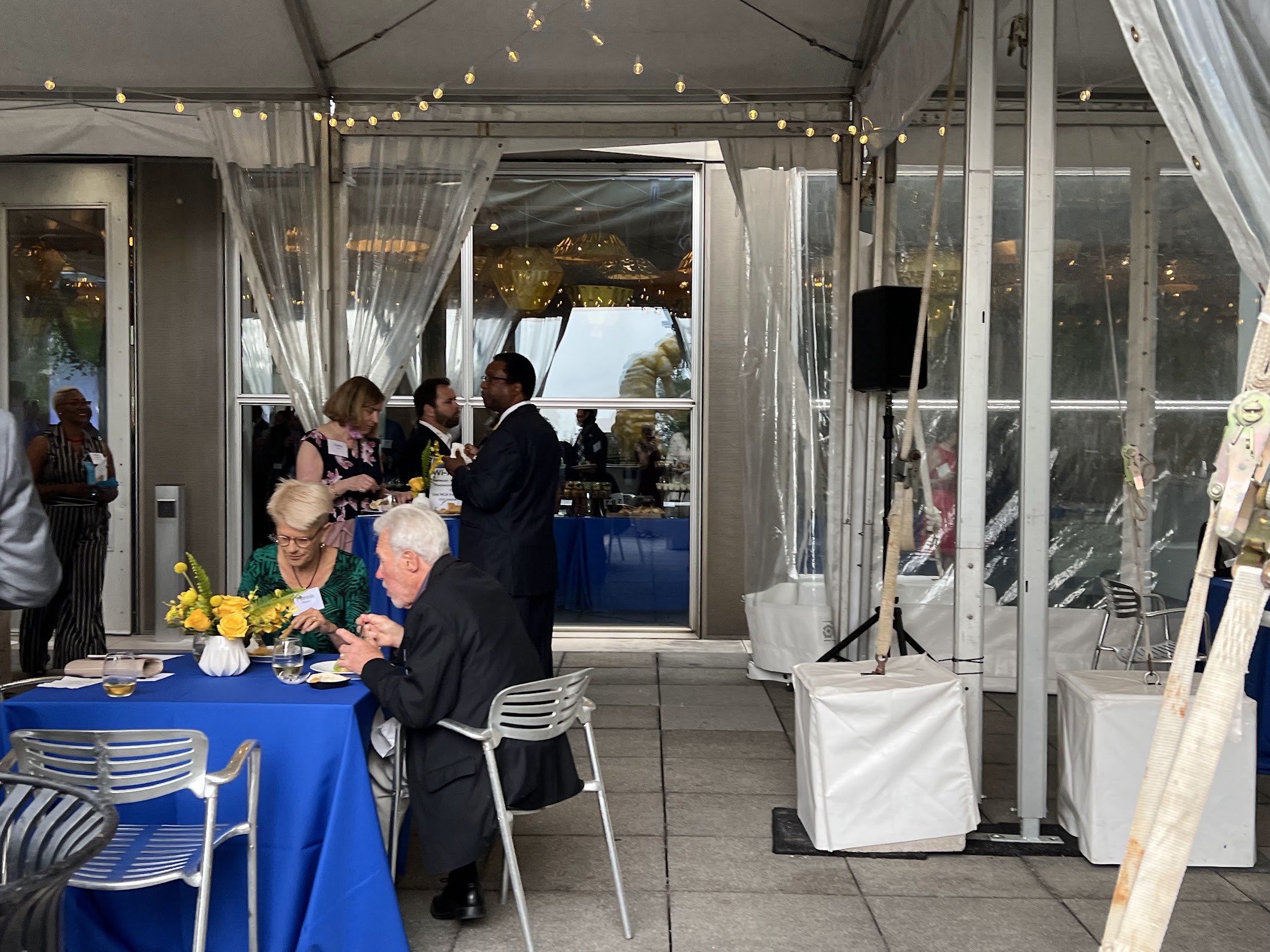
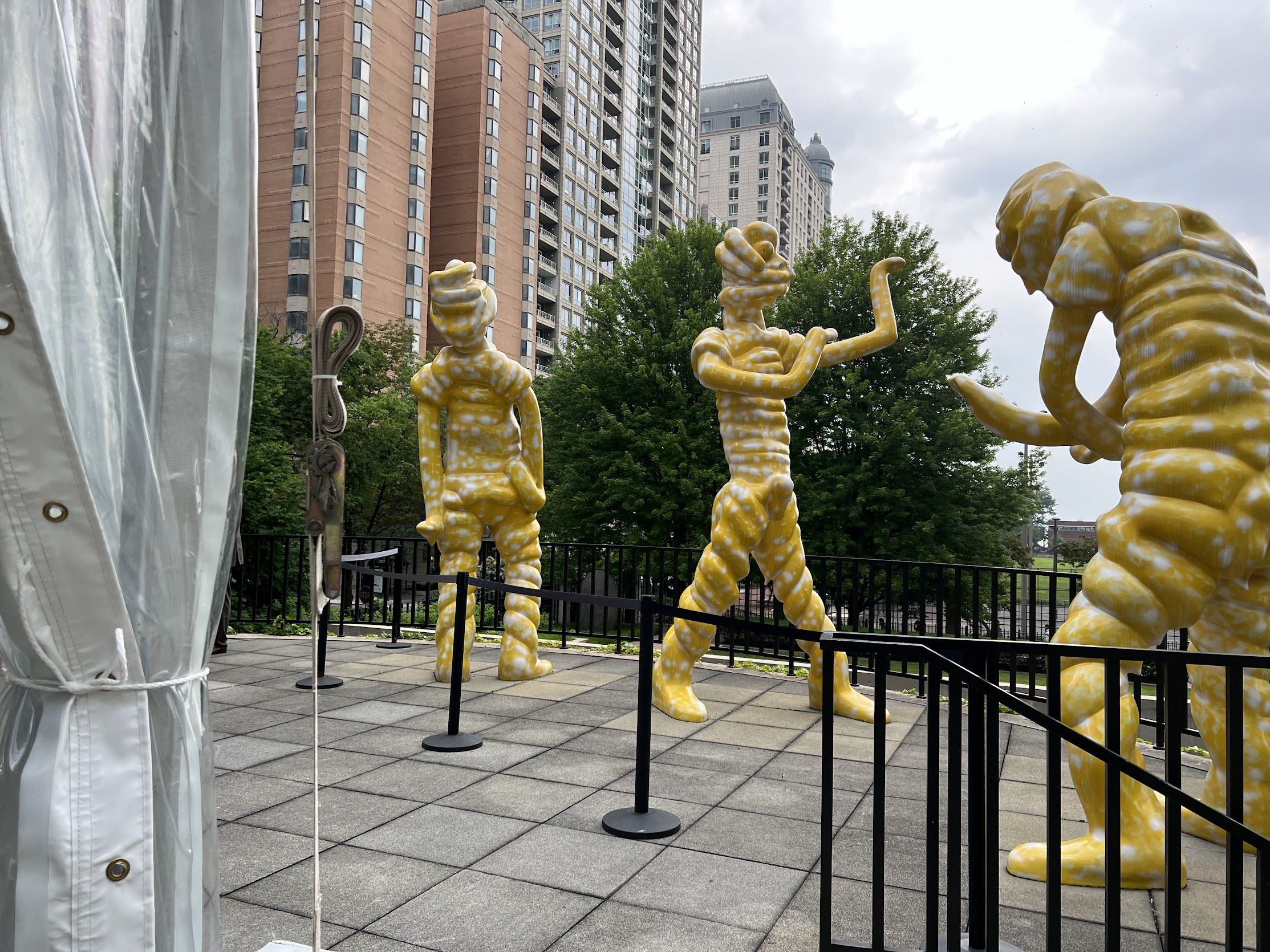
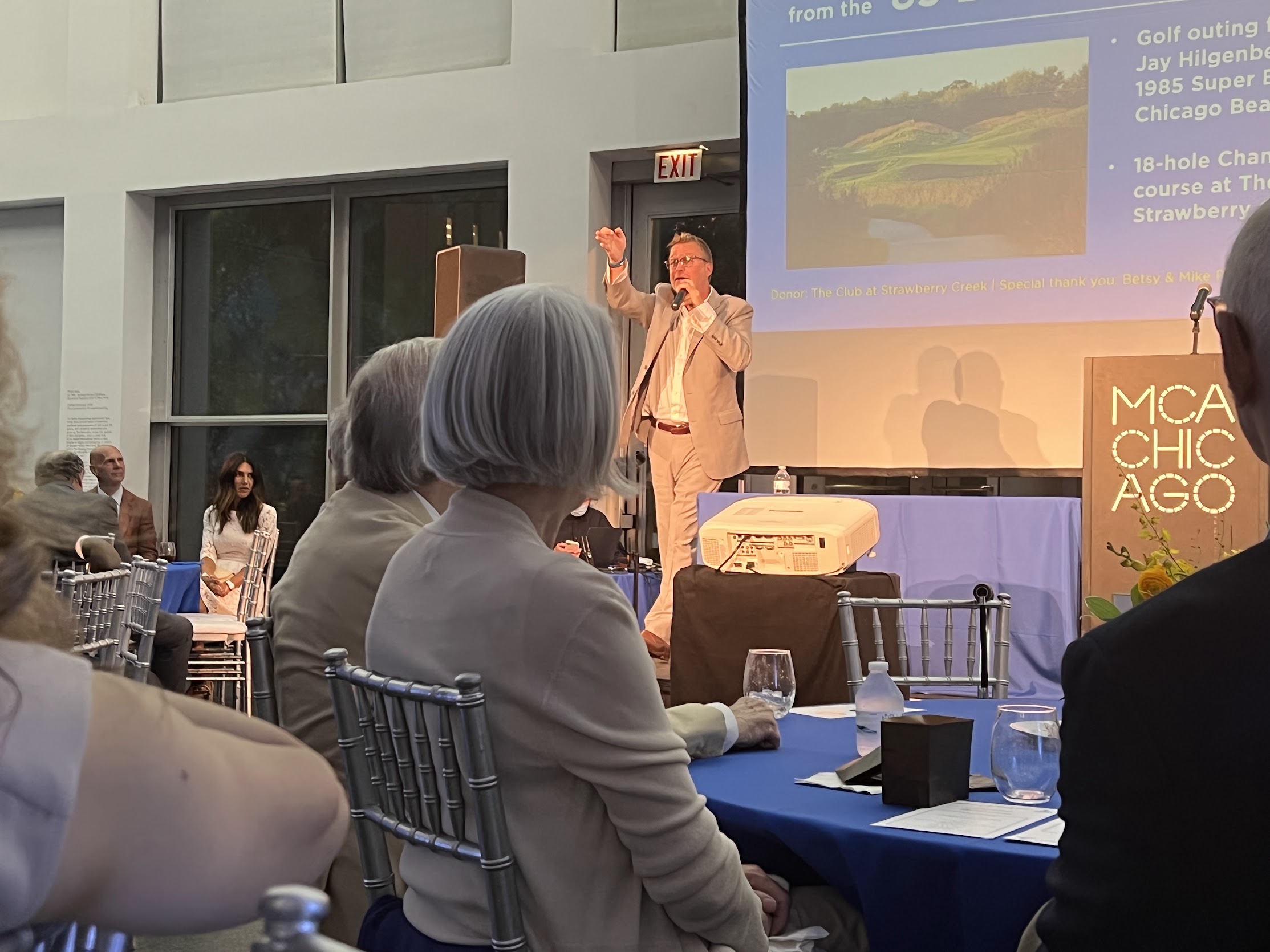
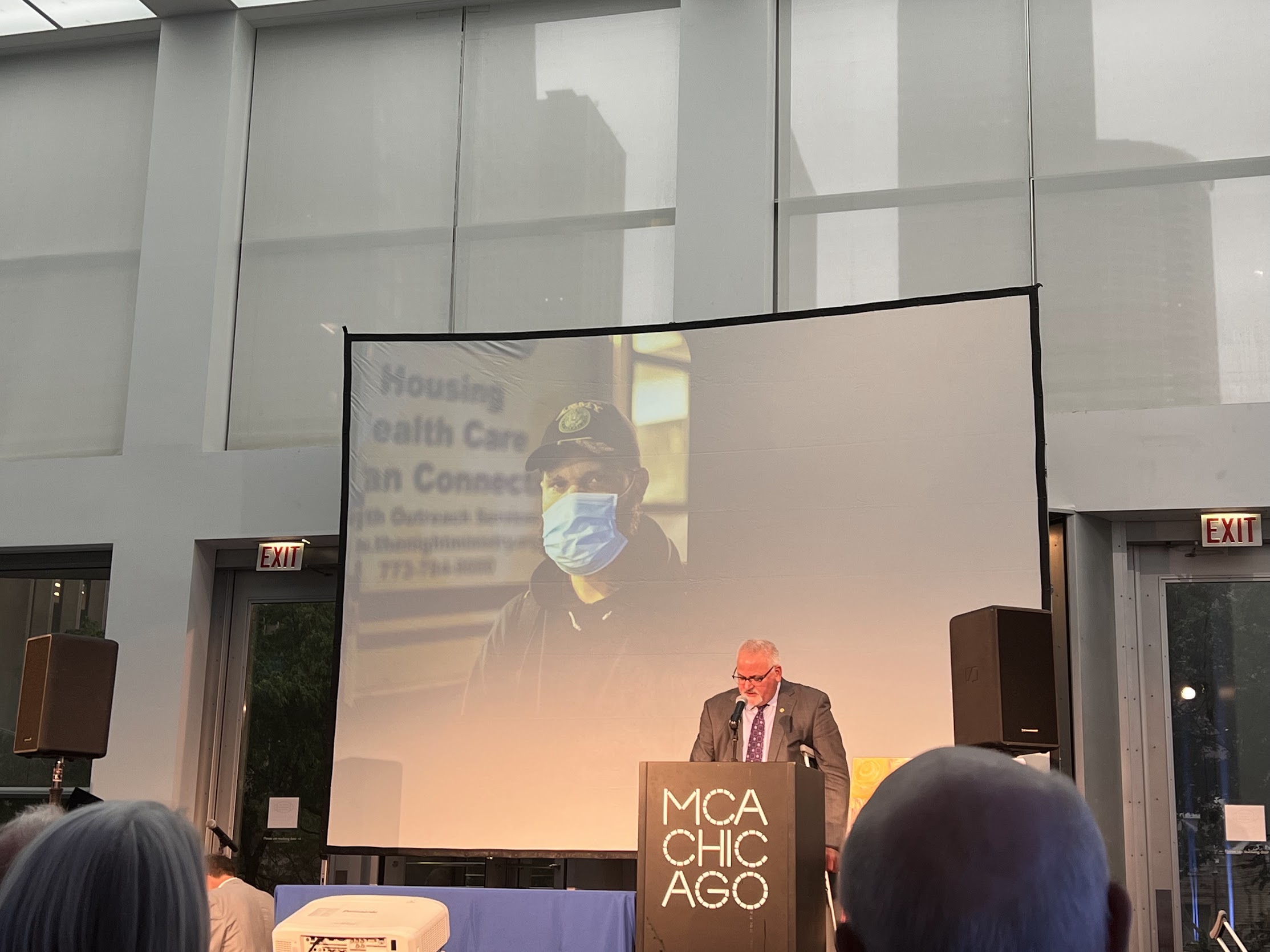
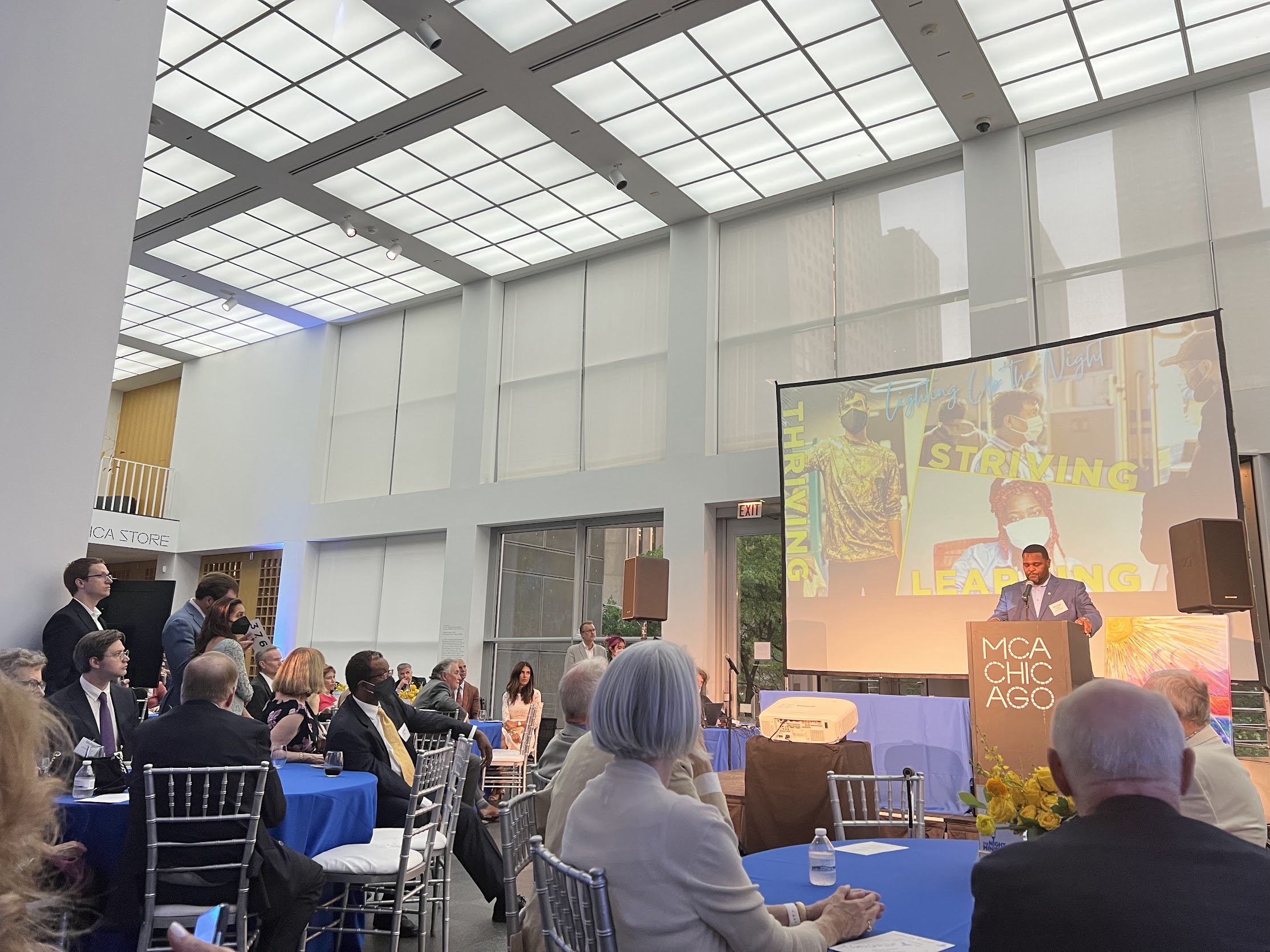
In some sense, it proved to be true on Monday. The Night Ministry had a benefit event, and I was invited. The event took place in the Museum of Contemporary Art and was pretty grand. Everybody was excited to get together in person again!
After I registered, I proceeded to the staircase to the second floor where the event took place, and one of the ushers (who was the Night Ministry staff and knew me) greeted me: Hi Ms. Henrietta! And immediately, I heard from the other side: OMG, that’s Ms. Henrietta! I turned around, and it took me some time to recognize the young man. Partially because we hadn’t seen each other for several years, but partially because I was absolutely sure I won’t ever see him again.
I met him in ODS several years ago, and his personality impressed me greatly. It was one of these cases when I am not sure who is teaching whom, and I am absolutely sure that I receive more than I give.
He was kicked out of ODS for rules breaking, so we could not even say goodbyes properly. Later, we met at one benefit event when he became a member of a youth group working together with the Nigh Ministry. We started talking, but another guest interrupted our conversation, and we ended up not exchanging the phone numbers. And then the pandemic happened.
This time, the first thing he said when I turned to him was: I need to get your phone number! I was a little bit worried that we will get lost again, but we found each other closer to the end of the event. We shared our news, exchanged phone numbers, and agreed that the stars were aligned in our favor:).
After we returned back from California, I made the salmon soup at home. I wanted Boris to try it and compare with the “real” salmon soup. Also, I wanted to give the soup to all my neighbors to try.
I made the same amount of soup as I did in ODS, that is – this recipe times four. Everybody loved it! I hope that my friends will try to make it – it’s not difficult at all, humans can do it!
Actually, since there was plenty, I froze some of it – we’ll see how it will taste after I defrost it.
My mood regarding the war is going up and down. I was excited yesterday when several western leaders arrived in Kyiv and made all their announcements. Today, I hear the comments that “we need to think about our future relationships with Russia, after the regime in Russia changes.” First, this regime must change, and I don’t believe it will change unless Russia is defeated. I hope that everybody understands that…
The Computer History Museum took a good part of our second day. In the afternoon, we went for a tour of Lady Winchester Mansion. I saw it previously, and I wanted Boris to see it. I think the tour last time was better, more detailed, more history.
This time, they had smaller groups of visitors (still COVID restrictions) but they were letting the groups in every five minutes, and the tour guides were a little bit in a rush 🙂
I didn’t take any pictures this time, because I photographed almost everything in this house on the previous tour.
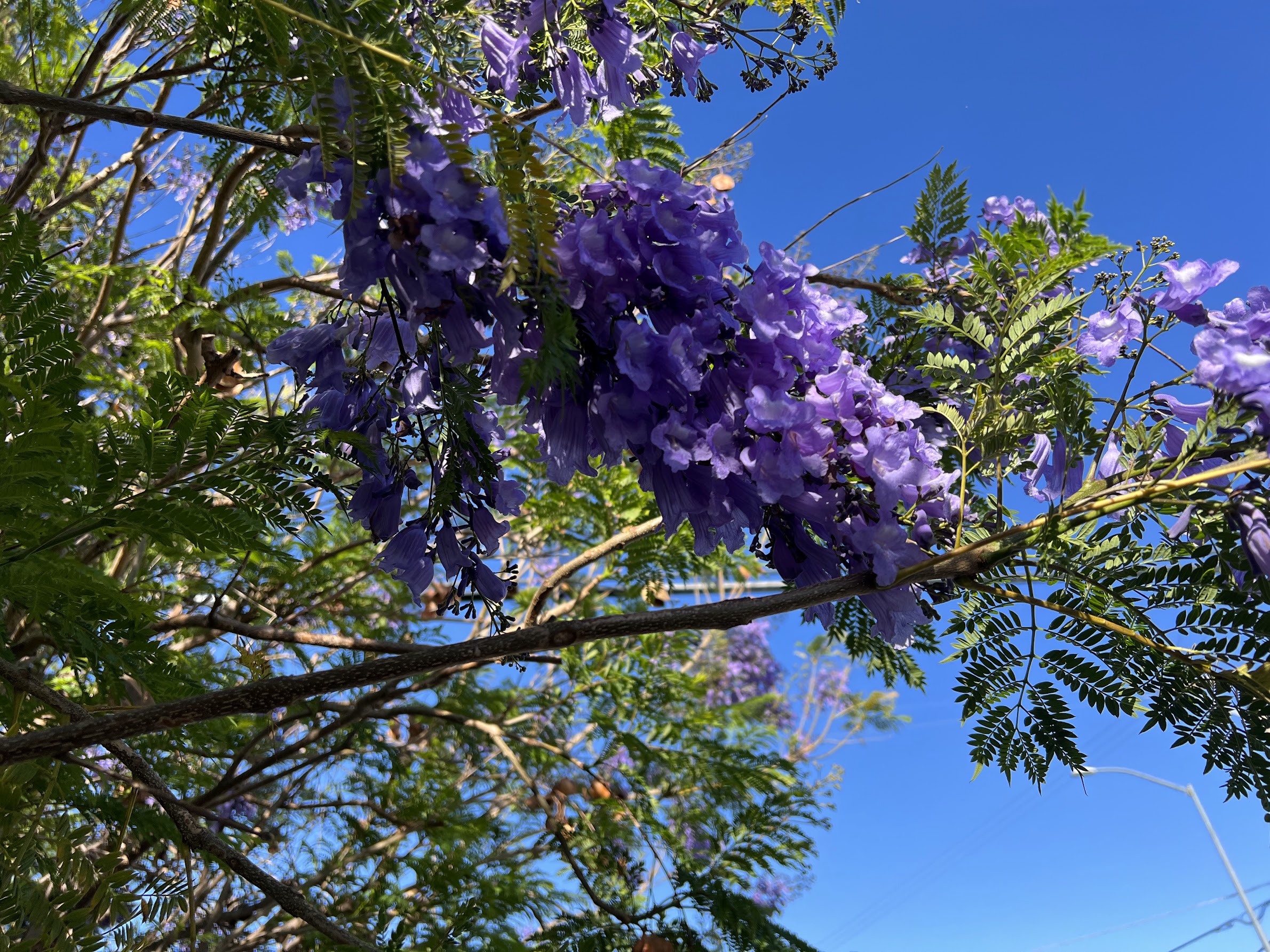
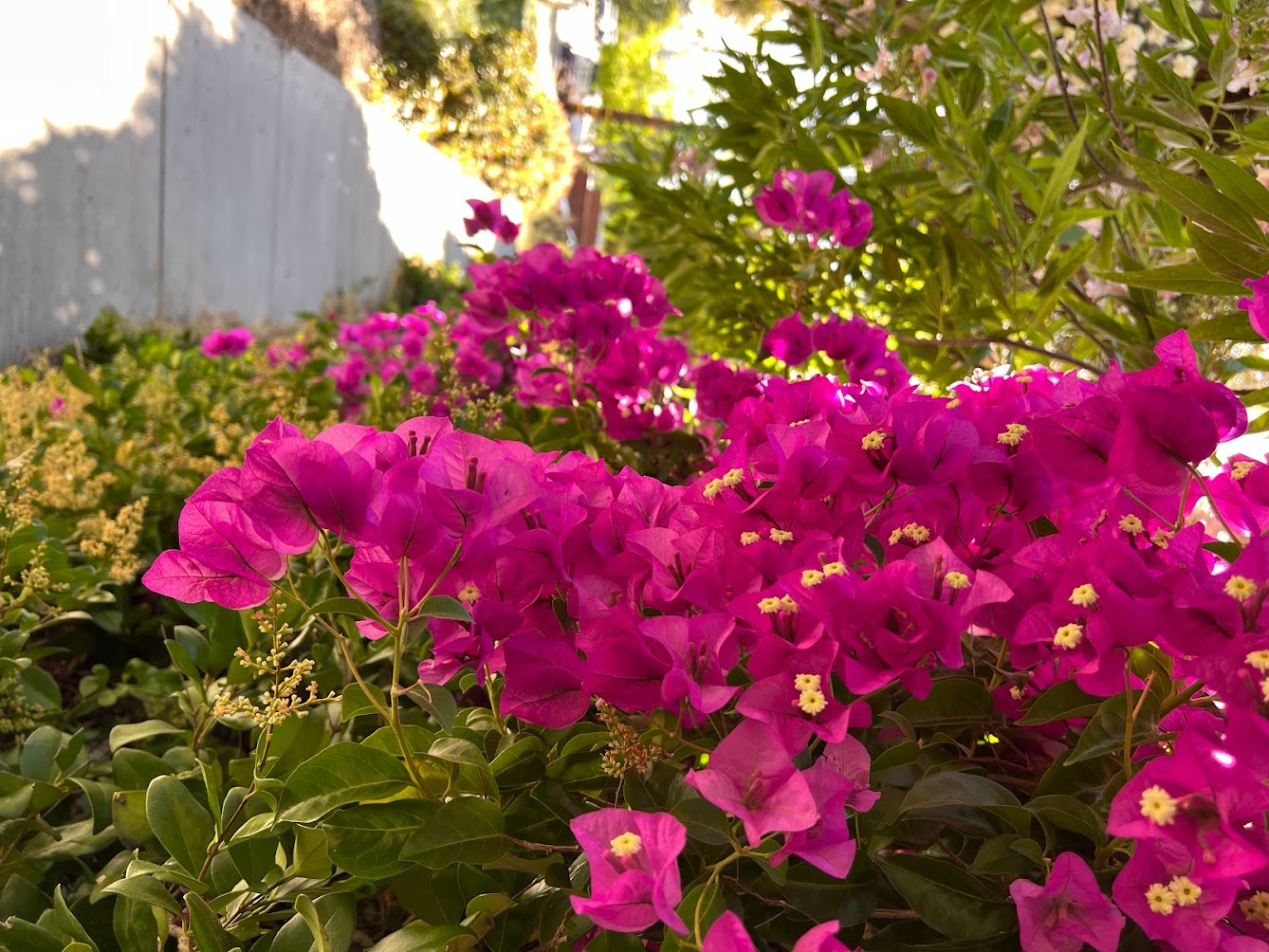
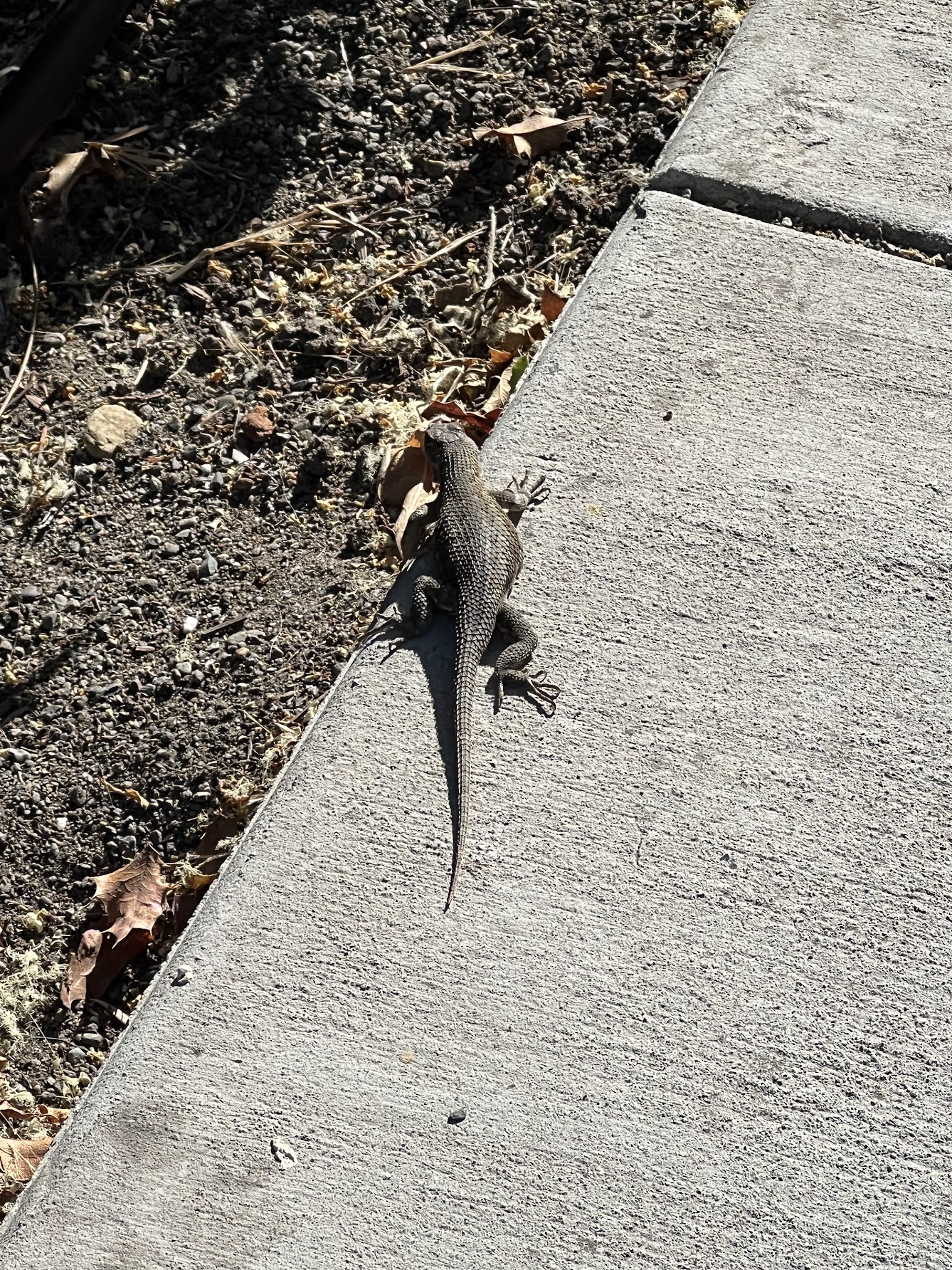
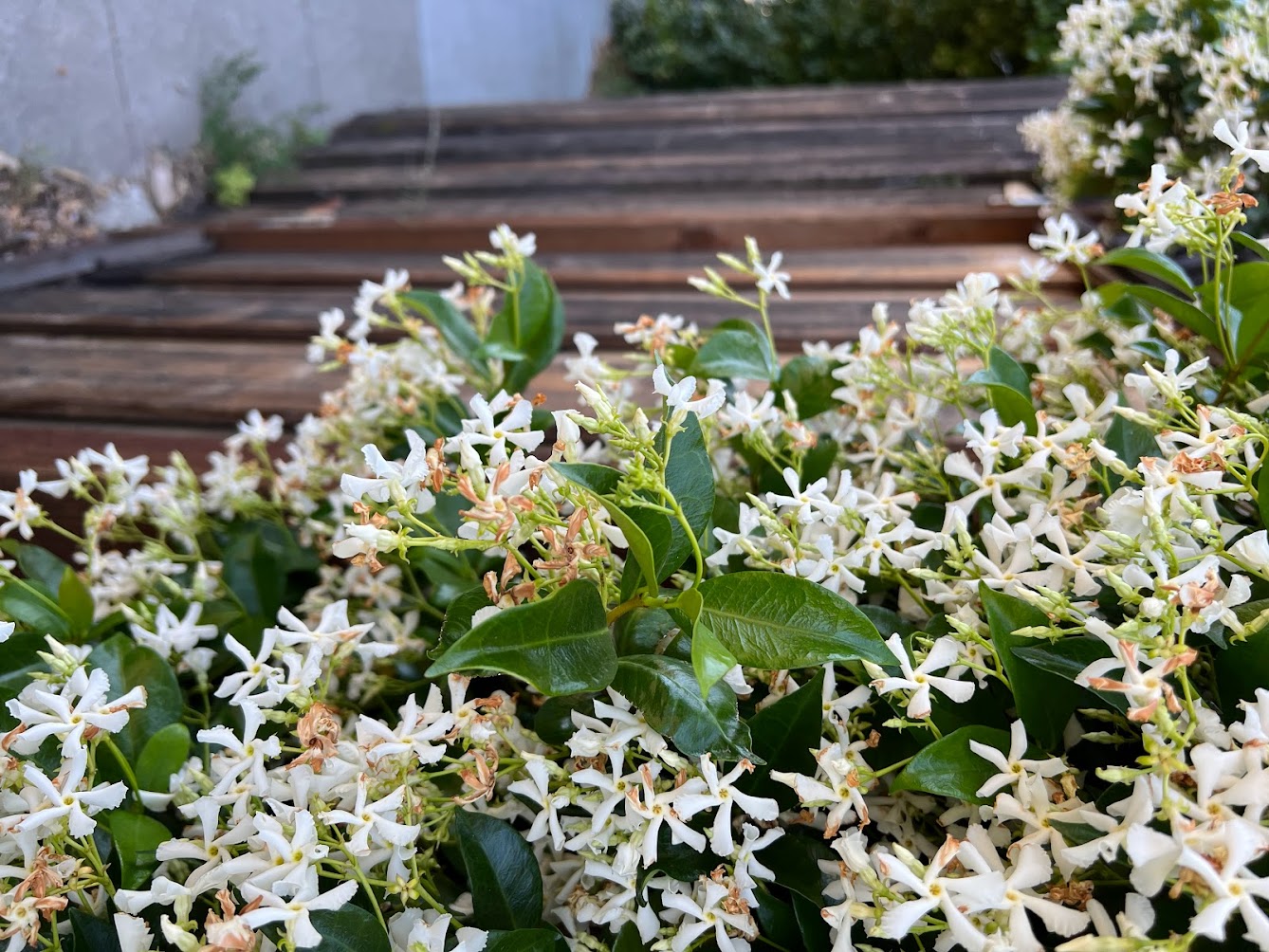
I still had some time before dinner and departure, and I decided to take a quick walk around the neighborhood. As quick as it was, I really enjoyed the beautiful nature and all its “unlikeness” to what I can in Illinois.
Overall, I think I feel California better now than after my previous multiple trips, so I guess it’s good to visit while you are not attending a conference 🙂
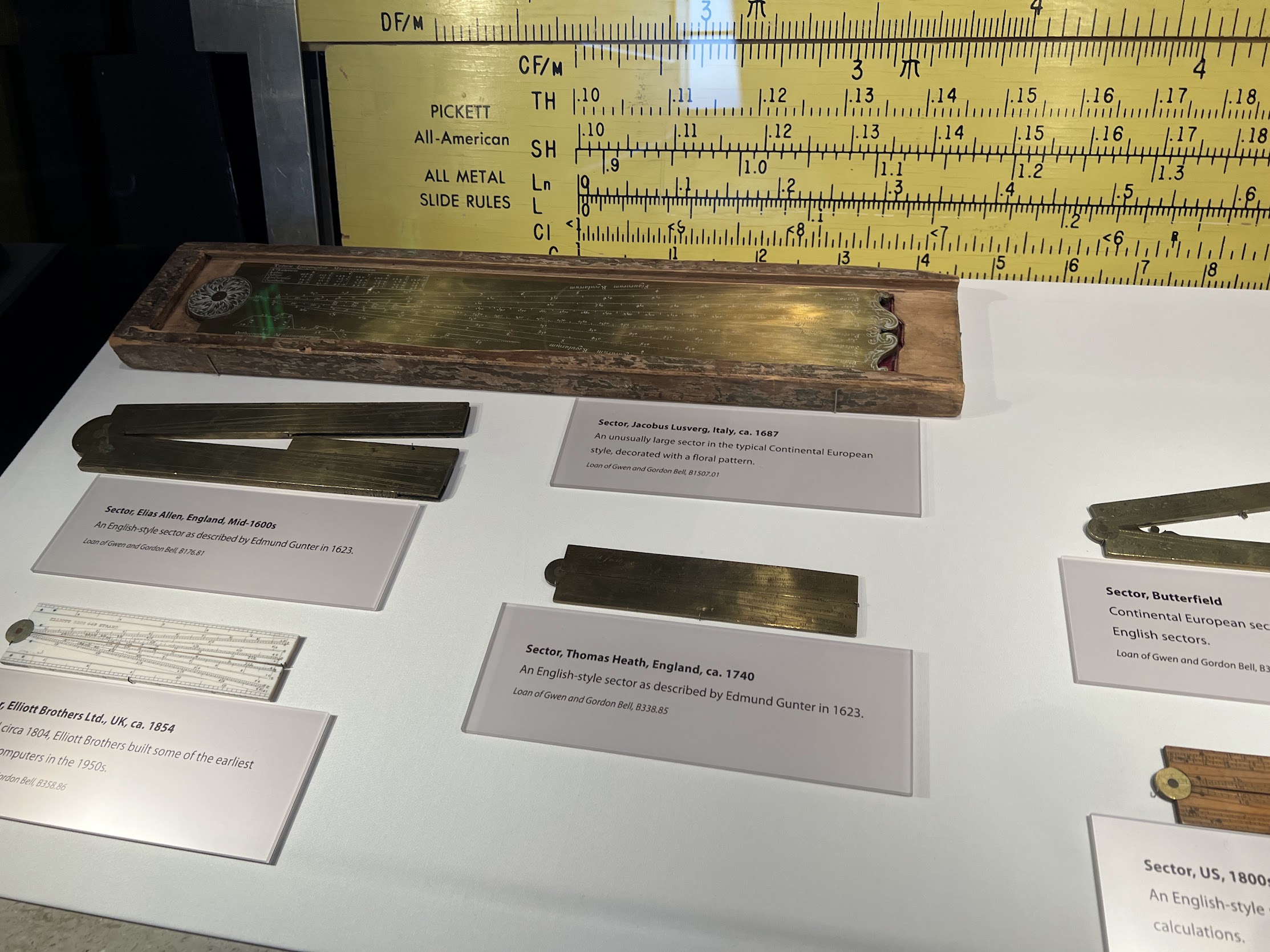
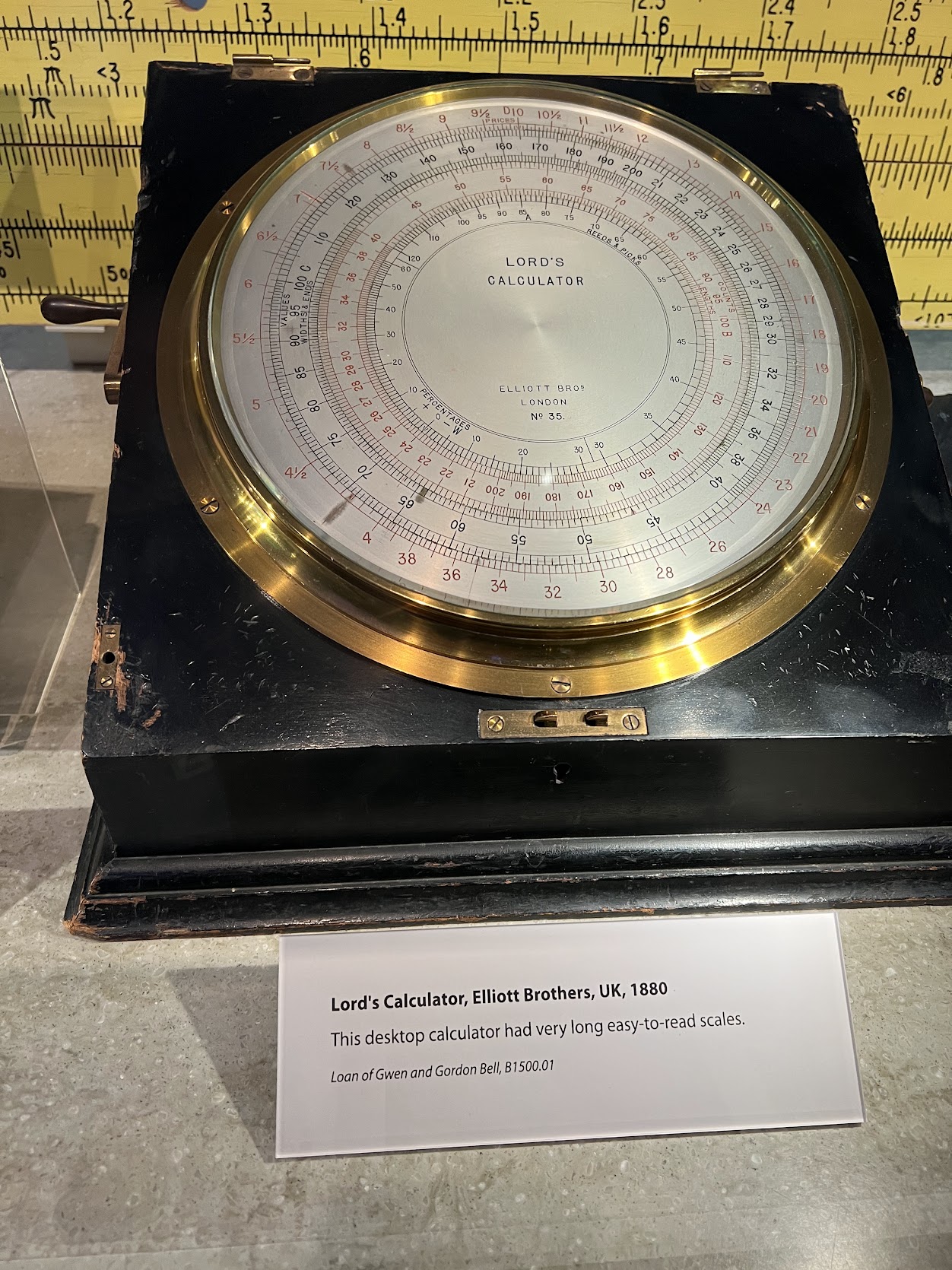
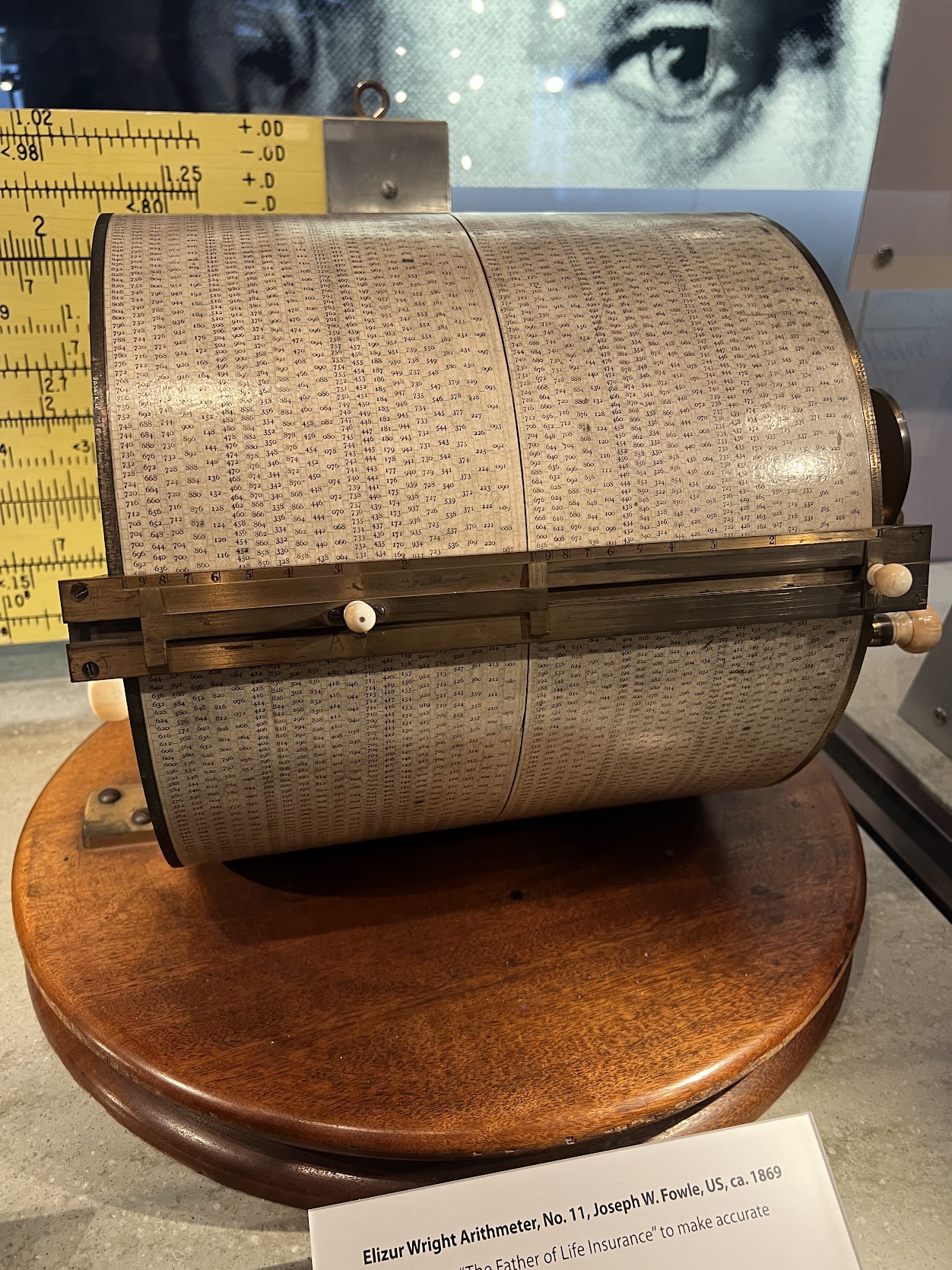
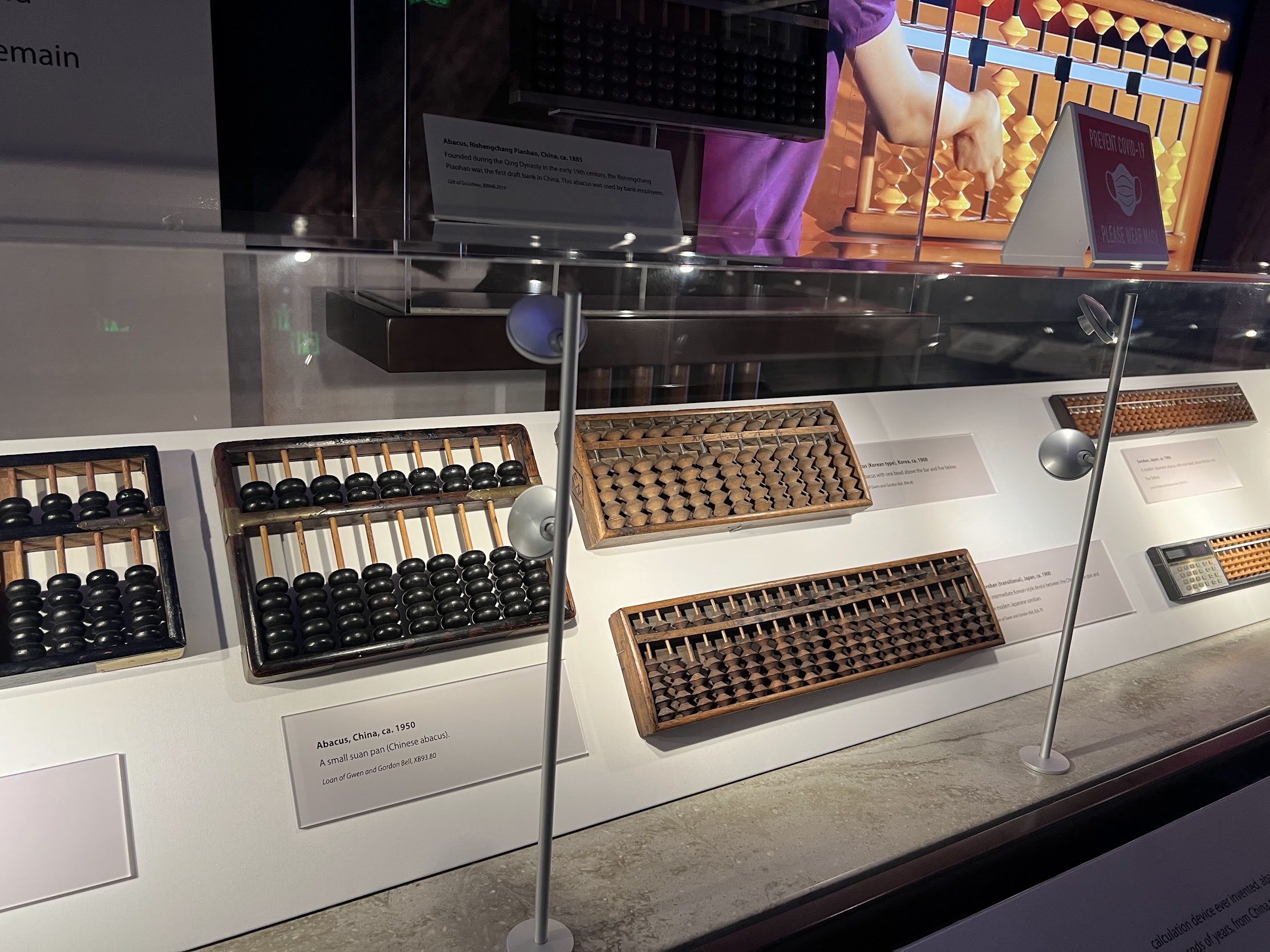
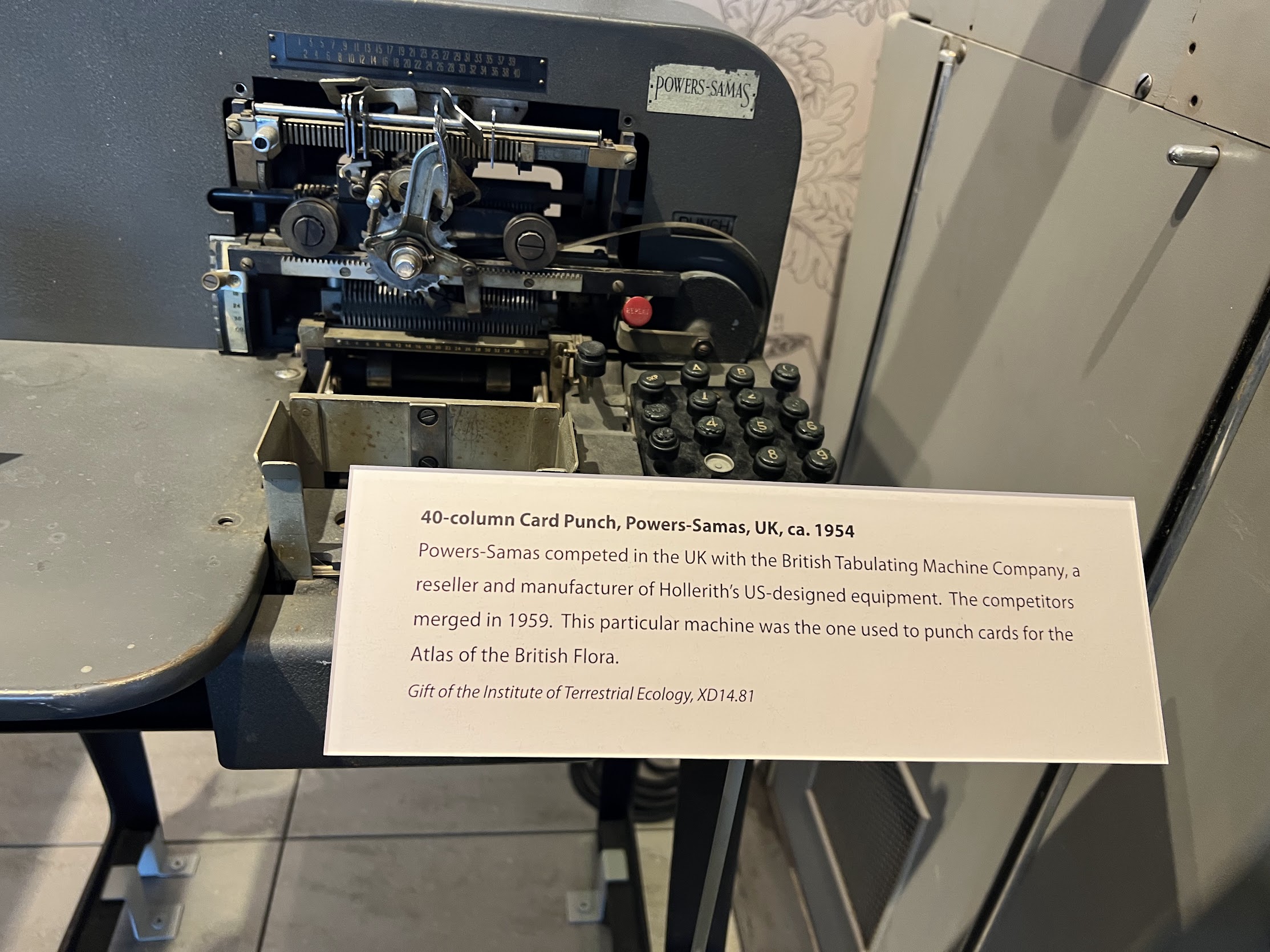
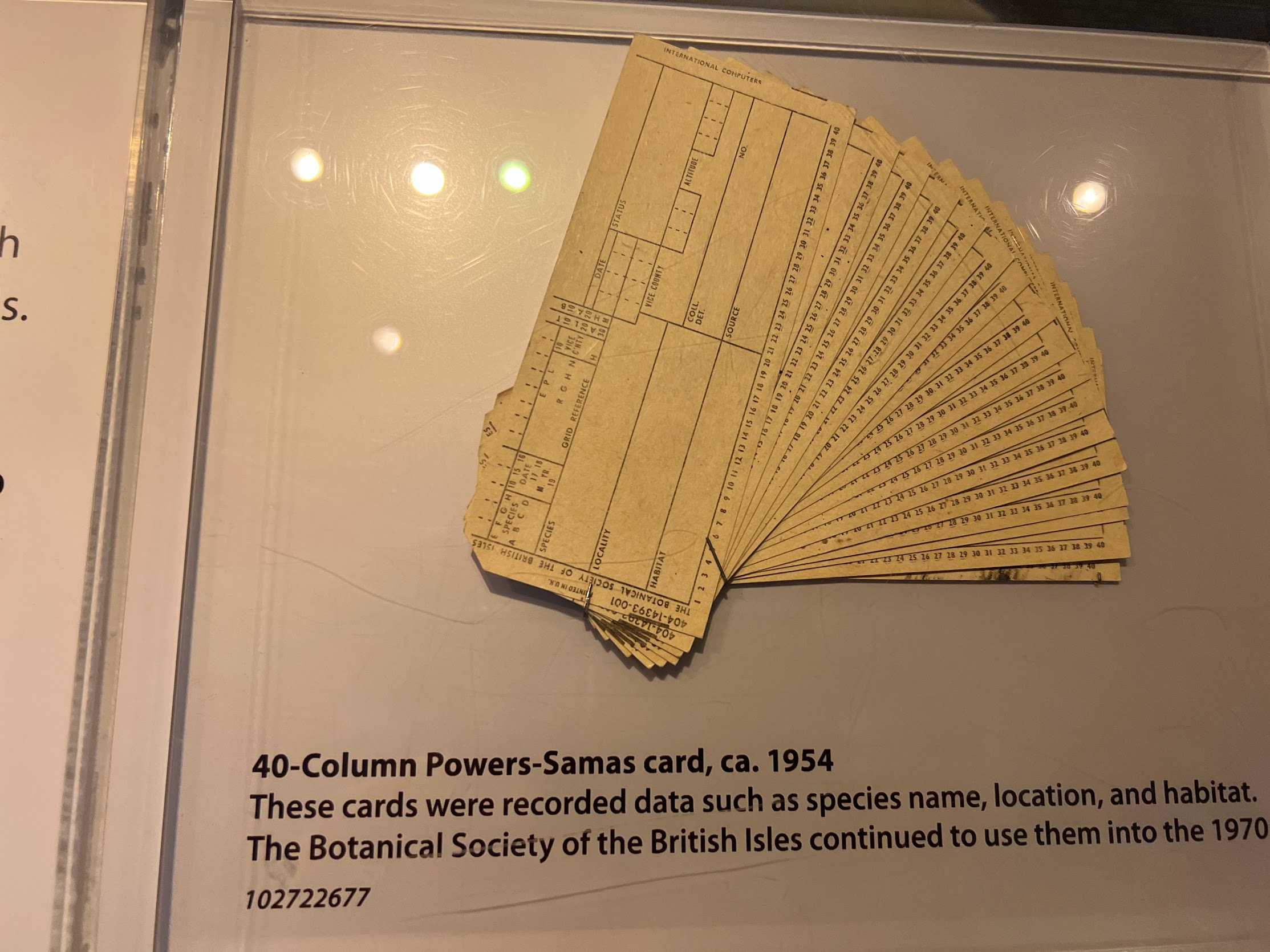
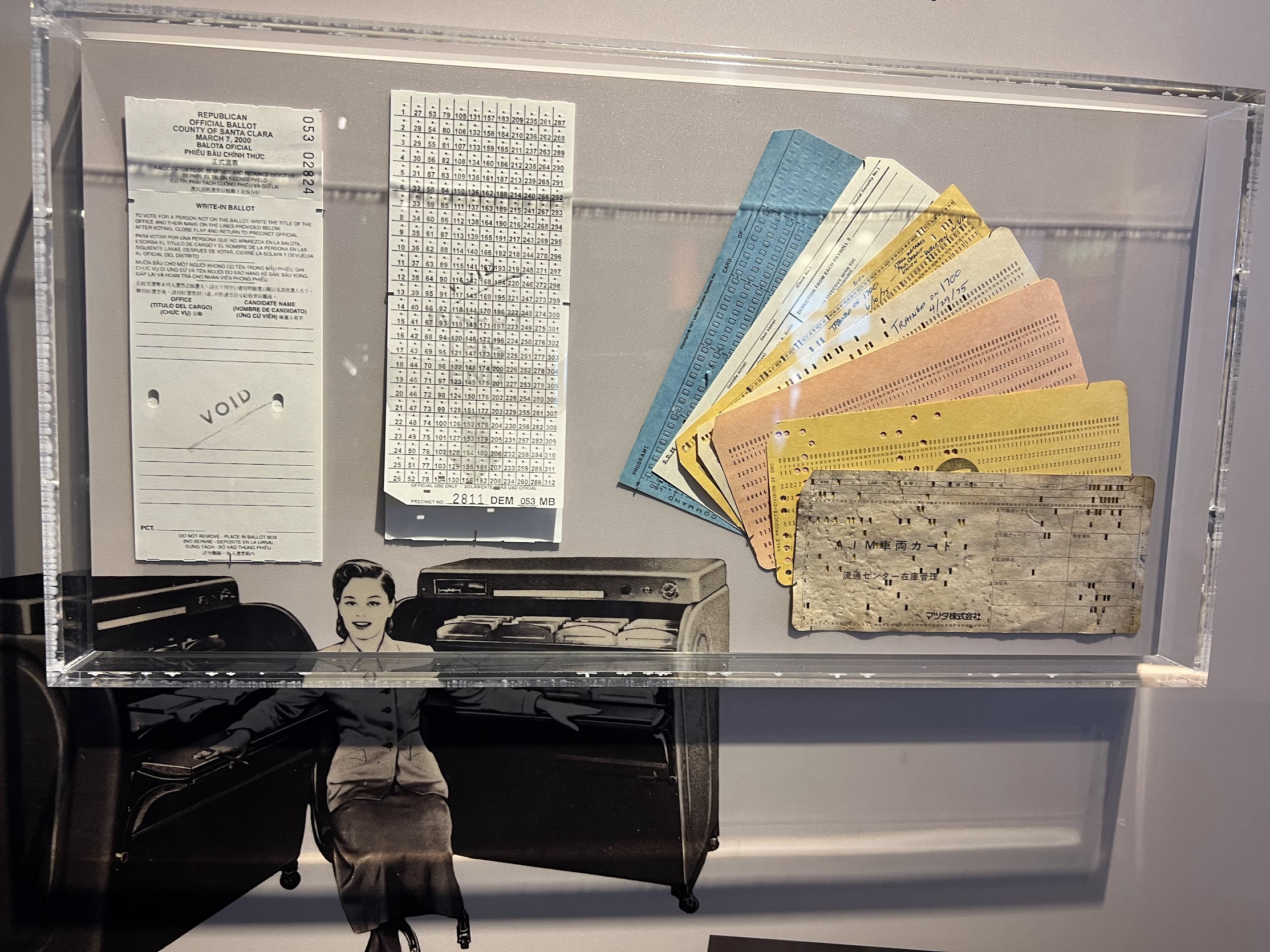
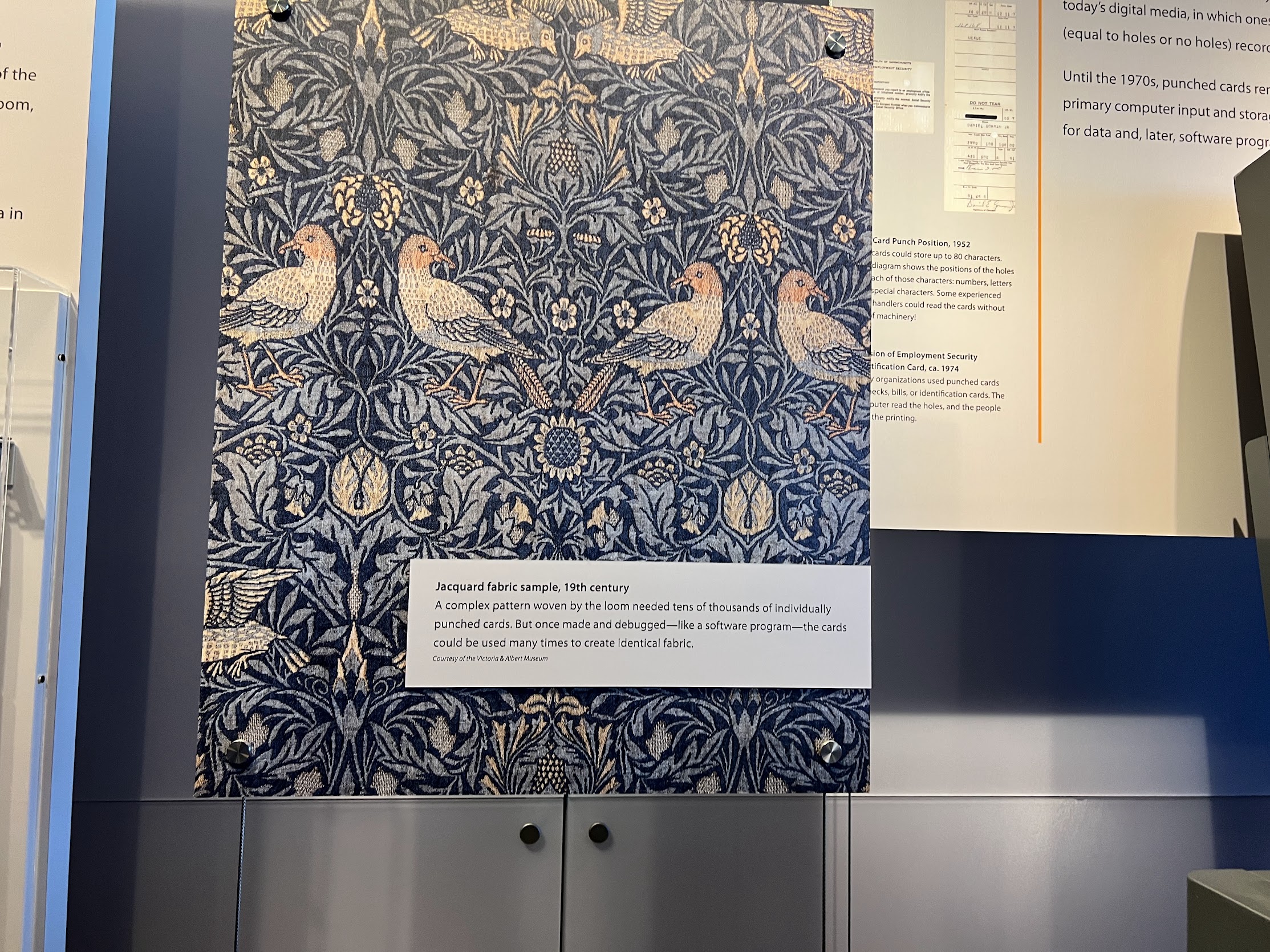
Still more from our California trip: on our second day, we visited the Computer History Museum.
This is an absolutely awesome museum! I took tons of pictures, and there is no way I will be able to tell about everything I saw. One thing I wanted to mention: I am shocked that such a museum does not have any public transportation access! It’s unbelievable! I am very grateful to my friend who suggested this museum and took us there – I won’t be able to visit it on any of my conference-related trips.