This week was full of amazing cultural discoveries, and each time I felt like everyone except for me knew about it!
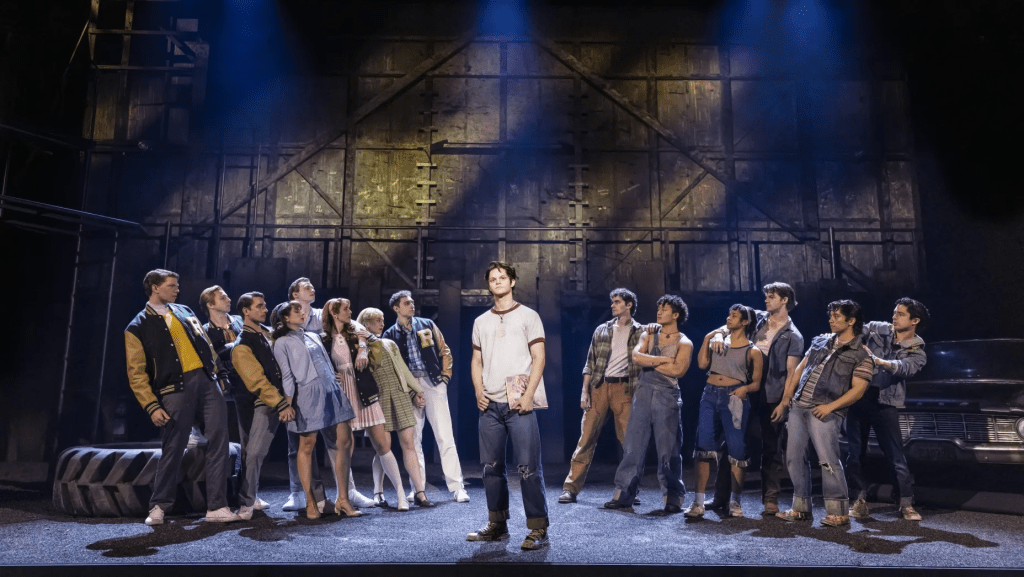
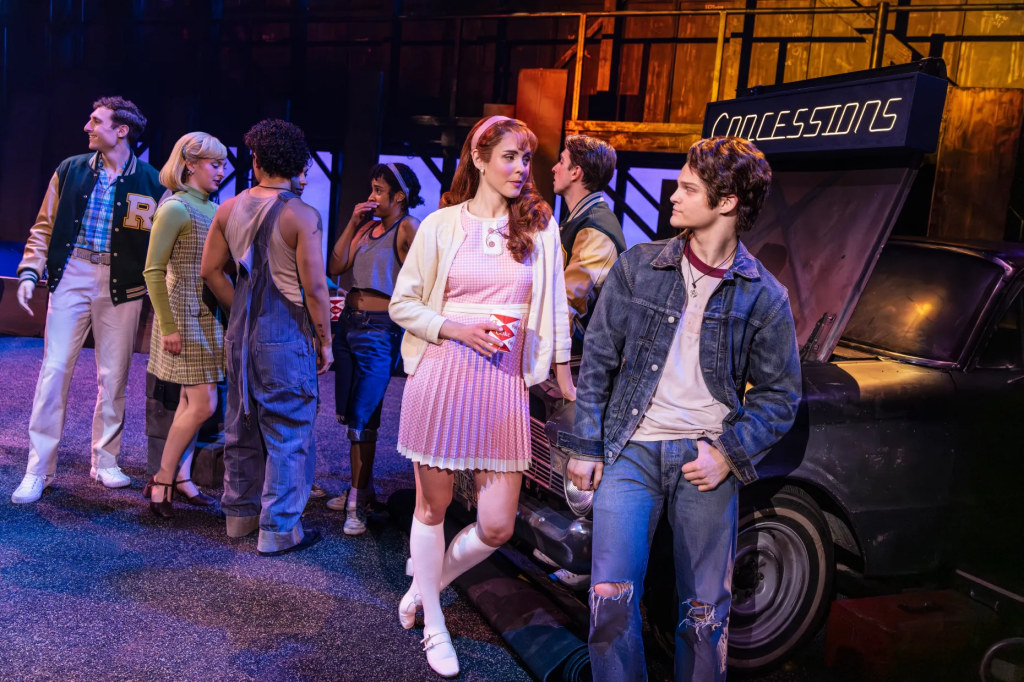
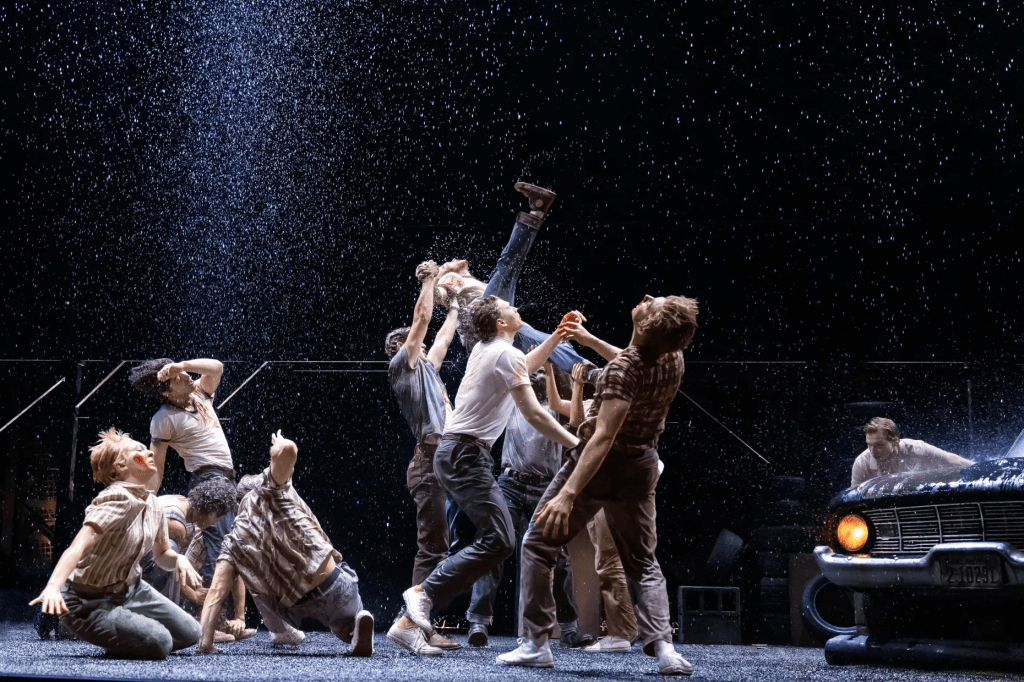
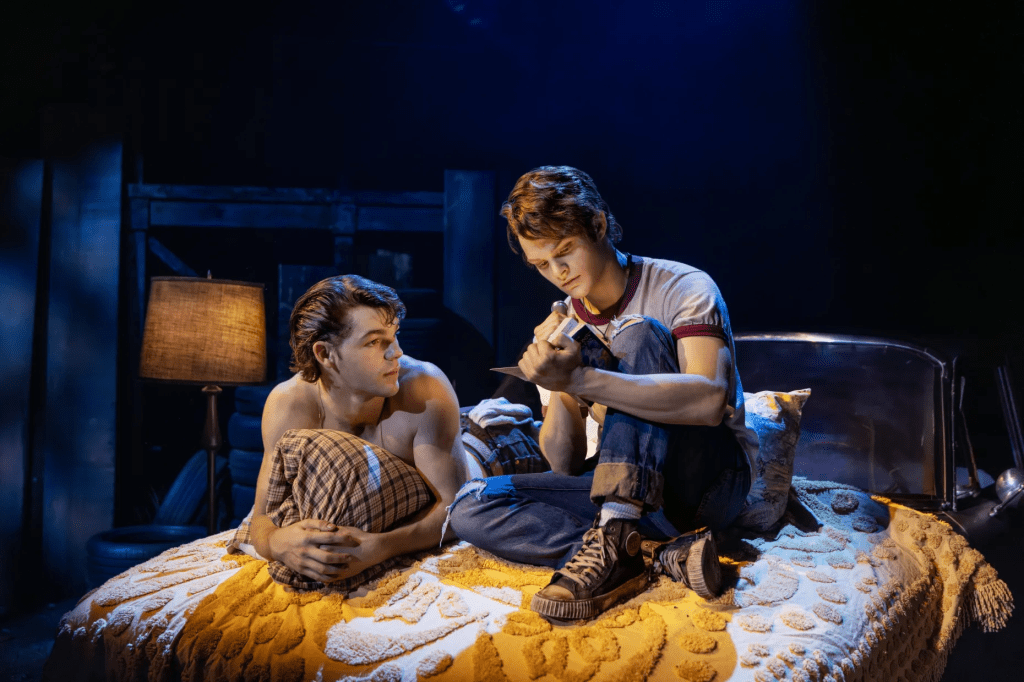
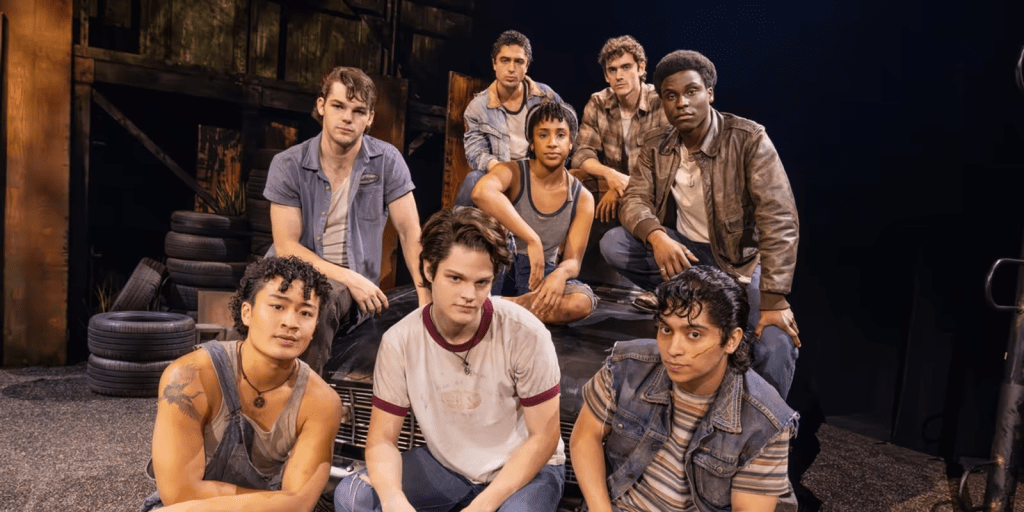
On Wednesday, I saw the musical The Outsiders, and I went there not knowing anything about the book. Meanwhile, the story of this book is remarkable – Susan Hinton wrote it when she was only 19, and The Outsiders is considered to be the Number One in Young Adult literature. Well, I didn;t go to school in the US! There are movies and theatrical performances based on this book – and the musical. It’a one of these shows which make you think: how come people wrote this amazing literature many years ago, and the world is still violent?!
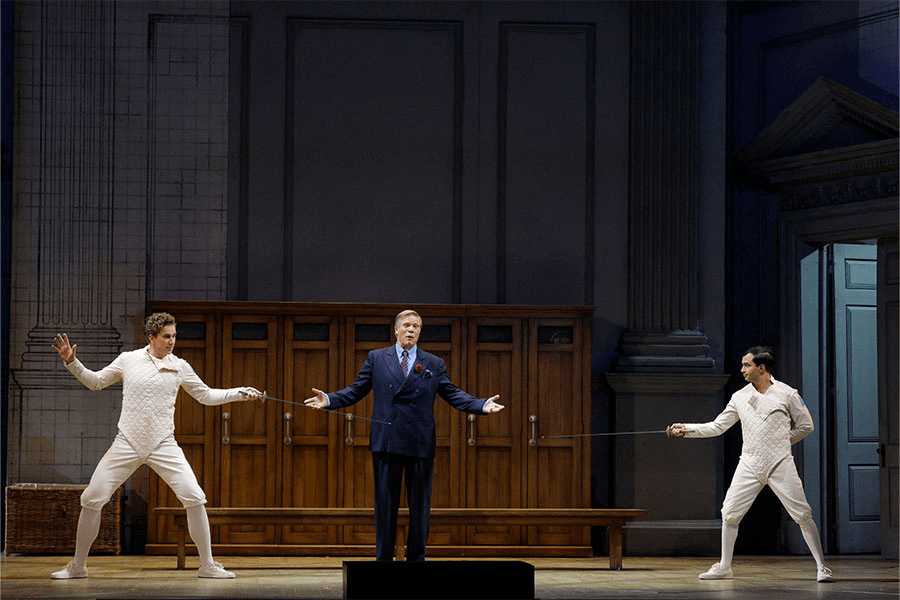
This is a very long opera! I was back home close to midnight, so even though I went straight to bed, I got just four hours of sleep. I do not regret – the voices and the acting – both were great, and I was not even against the idea of semi-modernizing the settings. I just think they should have been more consistent, and if they moved the action to Maryland, they should also have said 1900-something, not 1790. Especially since they had the old-fashion automobiles siluettes on the background :).
The Checkout is our new “local” venue. I’ve been there twice already (here is one of the posts), and when they announced the Sunday Matinee Piano series, I decided to take my mom there, hoping it would be less stressful for her than going to the CSO.
The concert was brilliant! Same as during my previous visit, I enjoy the unique opportunity to hear an exceptional performer in a very intimate setting. The performer, Feiyi Liao, is a doctoral student at Northwestern, and he performs not only with exceptional techniques but also with a heart and soul.
The program was “classic” (Mozart, Gershwin, and Franz Liszt), but each piece sounded like “for the first time”. I chose the seats so that my mom could see the performer’s fingers over the keyboard (if that’s not the case, the concert is lost for her). She liked it :).
This Yamaha concert grand was donated to the CheckOut by Piano Forte. Beautiful sound, and the primary reason for the Solo Piano Series
Retrospectively, it was not the best idea. I decided to get a discounted ticket for the Holiday when I realized I would need to work from home on Friday for my mom’s case manager visit. I already had a reservation for the Ribbon, and I did some mental time math and decided that since I would see my mom during the day, I wouldn’t need to visit her in the evening, and I could go to the Ribbon by five-something, and go to Goodman right after that.
Then, there were things at work, and I felt bad refusing to help, and then there was no time to go to the Ribbon, and I only went to Goodman, being really tired.
I do not get the concept of shows starting later on Friday. Most weekend shows start at 7 PM, but Friday shows have to start at 7:30 or 8 PM, “because you do not need to go to work the next day.” But I am pretty tired by the end of the day on Friday, and more sleepy than any other day of the week.
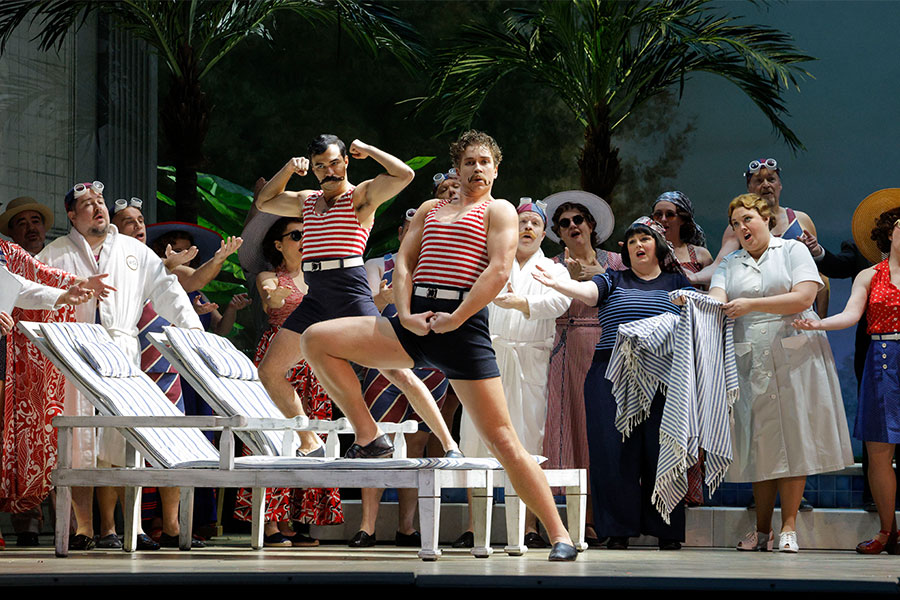
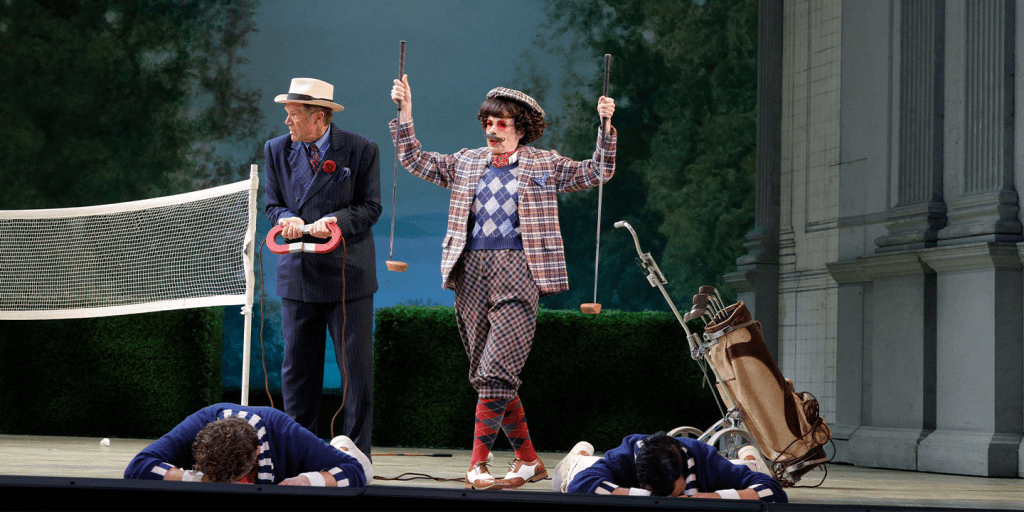
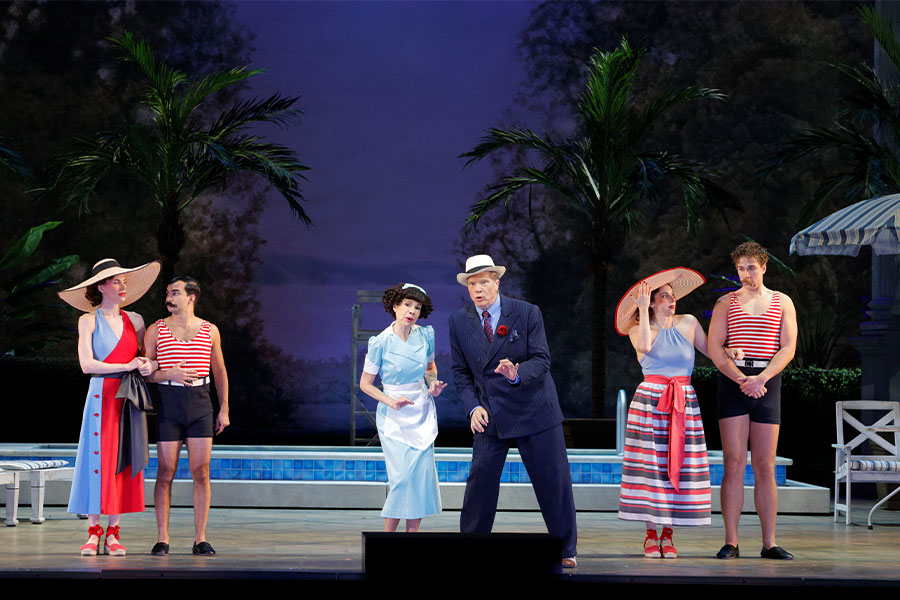
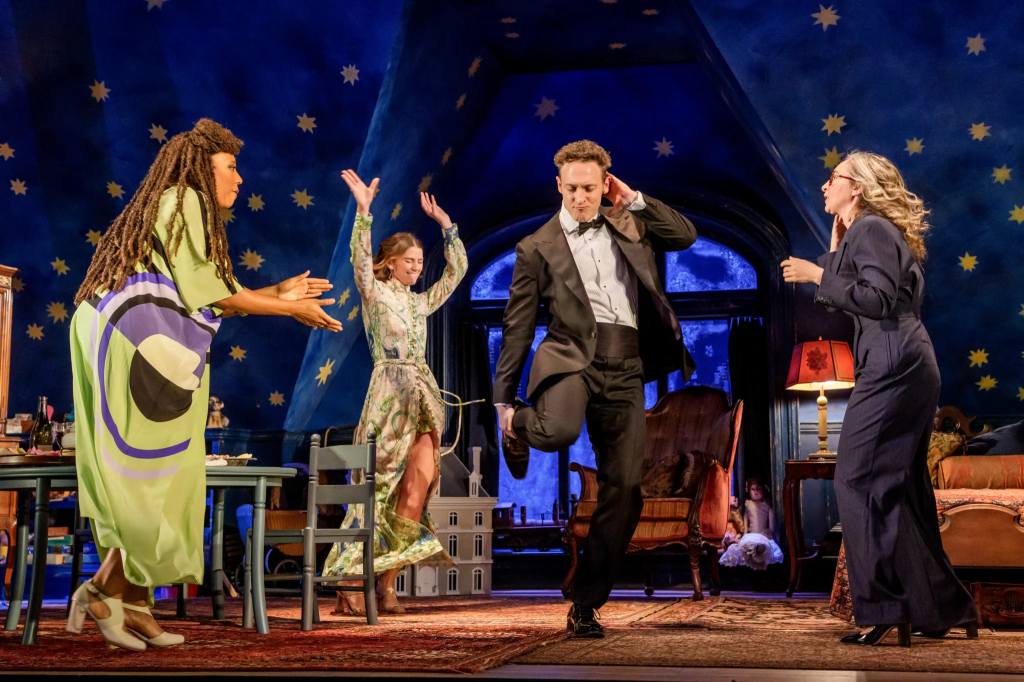
The play is a modern adaptation of the 1920s play by Philip Barry, and in my opinion, it would be better if the setting remained “a hundred years ago” one. Not like the situation itself is less probable nowadays, but the language and a very specific humor definitely belong to the 1920s. I could appreciate and acknowledge amazing acting, but I kept mentally placing the characters in a different setting, and in the end, it felt like too much.
But once again, I am happy to admit that I was just super tired. I rarely go out on Fridays, and I think it’s better for me to keep it that way!
First, I saw this event advertised in the CPL newsletter. Usually, a direct anything mentioning AI, straight into trash, but this time I hesitated, because I saw that the author was a cybersecurity expert, and the picture seemed very trustworthy :). I put the event in my calendar and purchased the audiobook.
I loved the book from the start! I see it having a relatively low rating on Goodreads, but I can tell you why it stood out for me. It started with the thesis that “democracy is an information system,” which immediately grabbed my attention. I soon realized that I was aware of AI use in political campaigns and lawmaking, because this was nothing but an extension of modelling that was widely present in politics even twenty years ago, and I didn’t object to it at all. I don’t know how else to explain it, but all of a sudden, it all started making sense. I think that a big factor was Bruce Schneier’s positive outlook and his firm belief that we can be in control and put the newest technology to good use.
The meeting was livestreamed and recorded, and you can check it out below. I would rather have you listen to it than me trying to “retell” what was said. I loved the reasoning about the short chain between consulting AI on how to vote and total autocracy.
My favorite part of the book, which was not mentioned in the talk, was about regulating AI by spot-checking its decisions. Also, it’s very important to remember that any technology can be used for different purposes, and AI is not an exception.
Magellan is the Philippines’ Entry For Best International Feature at the Oscars, and the reviews were raving. I decided it’s a must-see, even though the movie is almost three hours long. Judging by the description, I expected more or less a traditional, colorful historical movie with a pronounced social message:
At the dawn of the modern era, Portuguese explorer Ferdinand Magellan (Gael García Bernal) navigated a fleet of ships to Southeast Asia, attempting the first voyage across the vast Pacific Ocean. On reaching the Malay Archipelago, the crew pushed to the brink of madness in the harshness of the high seas and overwhelming natural beauty of the islands, Magellan’s obsession leads to a rebellion and reckoning with the consequences of power. A vast, globe-spanning epic from Filipino filmmaker Lav Diaz (NORTE, THE END OF HISTORY), MAGELLAN presents the colonization of the Philippines as a primal, shocking encounter with the unknown and a radical retelling of European narratives of discovery and exploration.
My first reaction was disappointment: it felt more like a Tarkovsky movie, just with prettier landscapes. Iwas even thinking of quietly leaving the screening. But gradually, my perception changed, and I kept watching. If you watch the trailer, it does not give a good impression of the movie. The trailer is more dynamic and less picturesque. And doesn’t show even a percent of violence.
Maybe three hours is too much to say “colonialism is bad.” You decide.
I didn’t really get this play. I chose to go because I haven’t been to Steppenwolf for a while, and they had discounted tickets for the Chicago Theater Week, and also, I wanted to take my friend Y to a show. When we talked about it, I didn’t know that I would have a work crisis! There was supposed to be nothing going on this weekend, and I asked her which show she would rather see at the Goodman or at the Steppenwolf, and she chose that one. The description looked interesting, and I didn’t know the play, so I readily agreed.
In the high stone tower of an isolated naval fortress, Alice and Edgar are about to celebrate 25 years of wedded bliss—if decades of resentment, recrimination and mutual sabotage count as bliss. But when an alluring visitor arrives, the delicate balance of their tedious arrangement falls off its axis, cracks growing into canyons. In Conor McPherson’s wicked take on Strindberg’s masterclass in marital warfare, a twisted love triangle waltzes off the edge of a cliff, plunging us all into the deep.
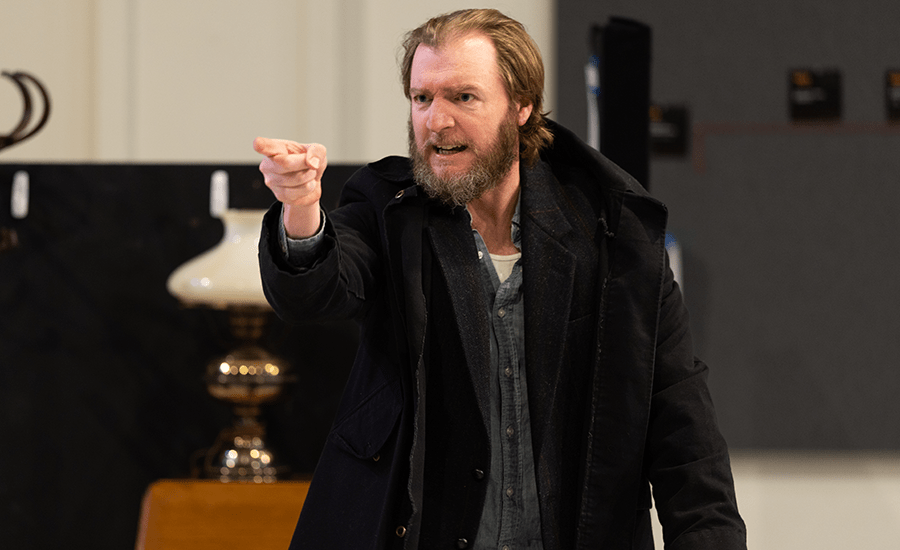
The play was written in 1900, which I didn’t realize before I came to the show, and that probably explains why “I didn’t get it.” For example, it was challenging to figure out the nature of the relationships between Alice and Kurt and the “vampire kiss.” When I read more about the play, I got an impression that it was a “symbol” of something. I think it was all about symbolism, and as I have recently realized, I do not understand it or like it.
One thing is for sure – the acting was superb. Even when you can’t make any sense of the plot, the acting is incredibly believable. My friend enjoyed it just because of that, and texted me later that it was a great experience, but to be entirely honest, I think she was just happy to see me :).
Wednesday was my first working day in Helsinki, but after work, we went to a proper concert. Helsinki Philharmonic Orchestra performed Elgar’s Violin Concerto (“the longest violin concerto”:)), and the Beethoven Fifth (and the whole concert was called “The Sound of Fate”. The soloist was Christian Tetzlaff, whom I heard a number of times at the CSO, and who is absolutely brilliant. He canceled his CSO appearance in October due to visa issues/in protest. Not sure which one is true, I heard both versions, but in any case, I was delighted to hear him again.
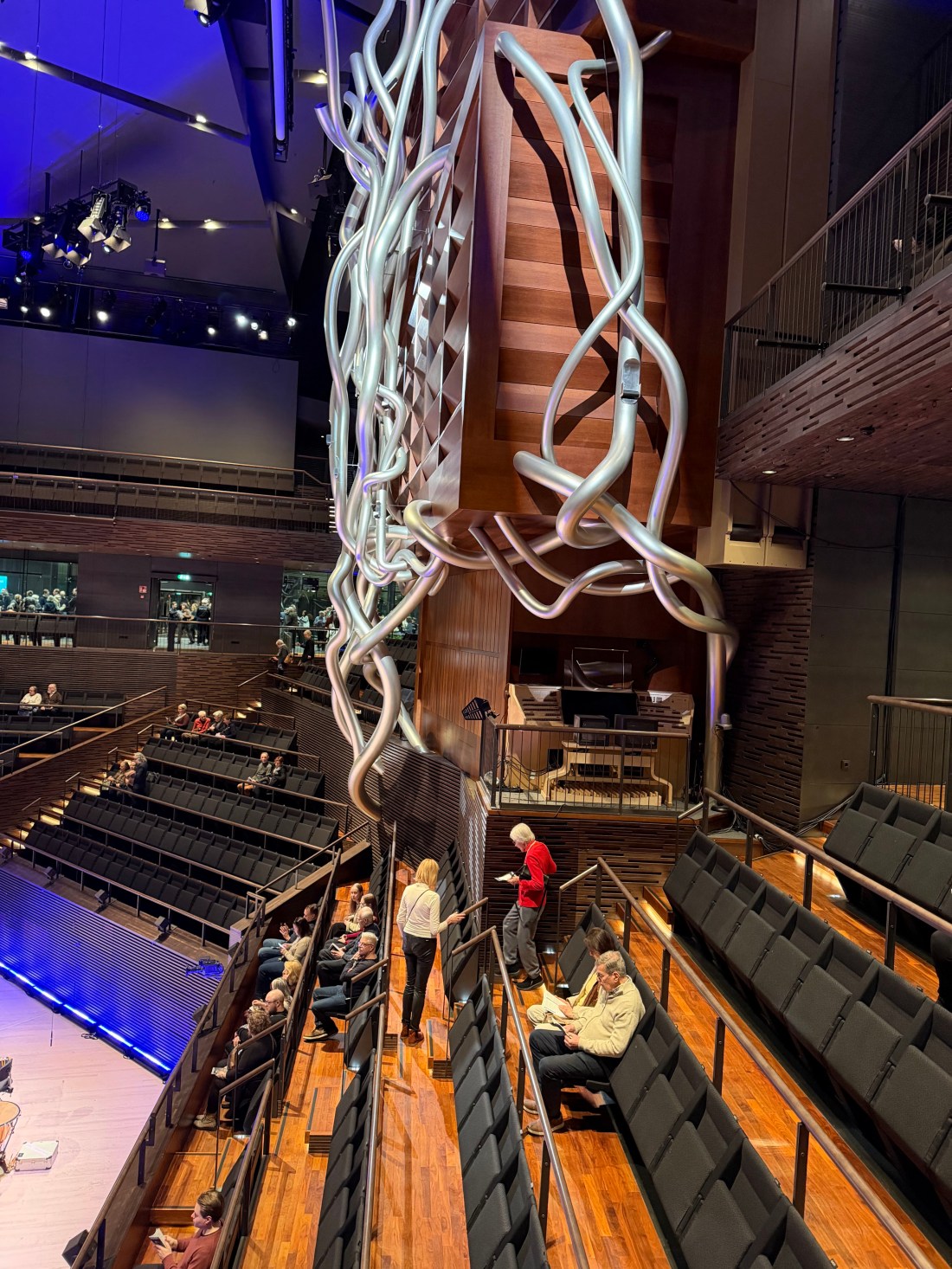
Also, that was the first time I attended a concert in the Helsinki House of Music, and I had an opportunity to experience this outstanding venue!
The coolest organ I’ve seen in my life!
Beautiful sound and great view from any seat, easy entrance and exit, fast service at the cafe and at the coat check – everything about this venue is perfect 🙂
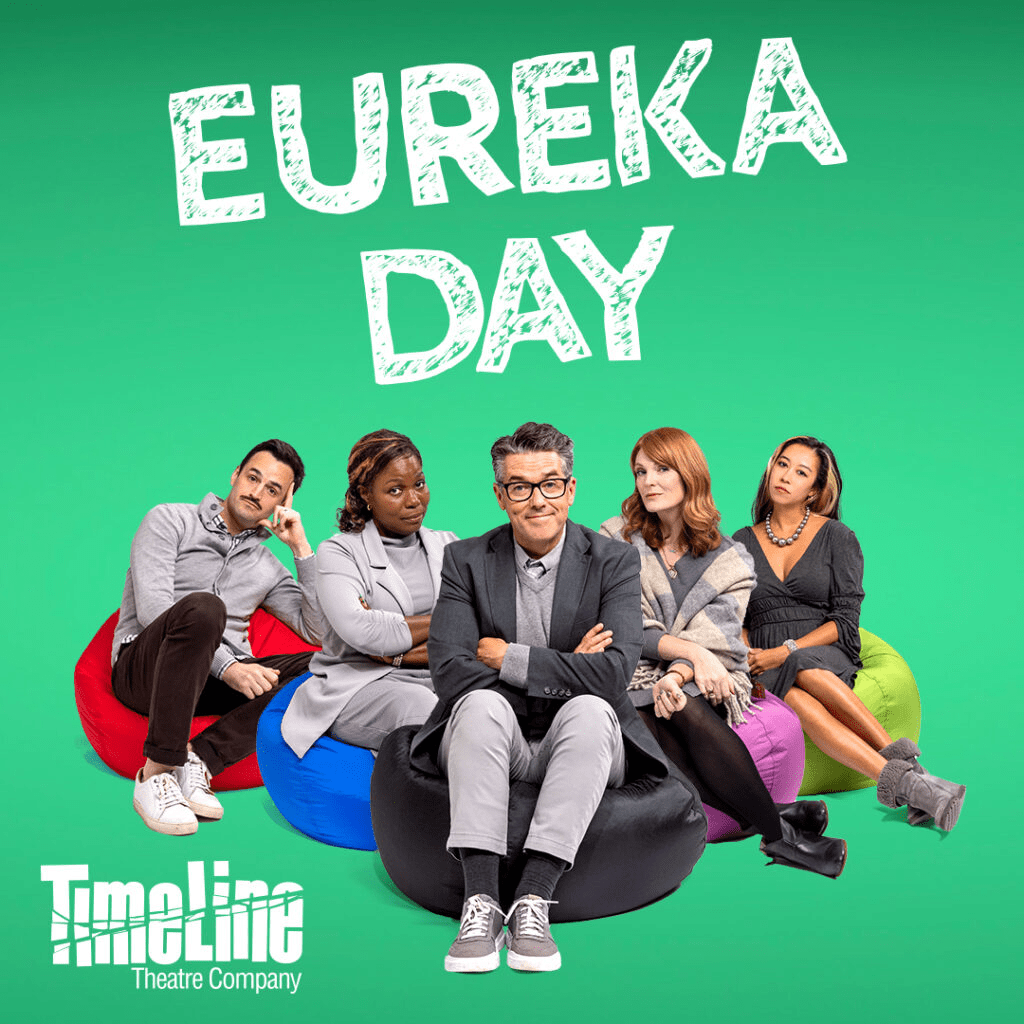
On Wednesday, I went to see the first show of the year of my Broadway subscription: Eureka Day.
This Timeline Theater production was performed at the Broadway Playhouse by the Water Tower. I have mixed feelings about this venue: it’s further from the Loop, so I need to plan for an almost 40-minute commute, including the wait (or walking for approximately the same time), and also, it is often very cold inside, but I really like the house layout (a better view from virtually any seat), and faster commute back home.
The plot is as timely as it can be. A private school in California, based on principles of consensus and inclusion, where no decisions can be made unless all Board members agree, faces an outbreak of mums. The events take place during the 2018/19 school year, when Zoom is still new and largely unfamiliar, and a quarantine decision is not taken lightly. And then comes the contradiction between parents who want to change the school rules to make vaccinations mandatory and anti-vaxxers, some of whom have deeply personal reasons to refuse to vaccinate their children.
I really liked how the Zoom message exchange was displayed on a big screen, revealing very common conversation patterns between the parties.
For those who have time to read the Behind-the-scenes booklet for Eureka Day, here is the link. There is a lot of interesting information about the history of vaccination in the world and in the US specifically. The most interesting part is that the play was actually written in 2018, before the pandemic, and now it’s hard to believe the choice of dates isn’t intentional!
Unfortunately, I didn’t find any video clips from this play. If you find any, let me know, and I will add them to the post!





 Hettie's Reflections