Detskiy Sad At The Dacha, Part 1

After Baba Ania passed away, mom had to figure out where I would spend the summer. Remember that all good parents had to find a way for their children to spend the summer in the countryside because nothing can be worse than a child left in the city’s polluted air for summer.

The only option she had was to send me to a dacha with my detskiy sad. That decision would make you somewhat a horrible parent because a poor child would be separated from her parent(s) for a long time, but you would make this sacrifice for your child’s health.

Unfortunately, I have exactly zero pictures from that summer. However, I have a lot of memories, so I will try to write down everything I still remember before these memories fade away.

The dacha was located in a village called Vyritsa, with a population of about 13,00 people at that time. There were lots of old dachas built at the beginning of the 20th century. I tried Yandex Vyritsa, and it comes back with many old dachas pictures, but I can’t identify ours. I would recognize it if I saw it unless it underwent a major reconstruction. In any case, the Yandex search brings me back a lot of dachas that look very much like ours; here is one as an example.

Not all the children from our detskiy sad would go to the dacha, and not all of them would go for the whole summer. I remember that about half of the kids there were the ones I knew, and others were from some different detskiy sad.

There were several entries into the building. We had a big room to play in and several bedrooms. There were no bathrooms inside, and we had to go to the outhouse. We were not allowed to go solo, and it had to be a group of us heading towards the wooden shed. There was a bucket placed in each bedroom at night, and if you needed to go to the bathroom at night, that’s what you would use. A custodian would take it out in the morning.

I do not recall whether there was running water in the house. I remember that we washed our hands and faces in the morning using a rather primitive washstand, and we had a place outside to wash the dirt off our feet before heading to bed at the end of the day. Once a week, all of us would go to the village bathhouse, and our teaches and custodians helped us wash.

The dacha was situated in a relatively big lot, where we had a playground which included the swing, a small wooden hut, a sandbox, and a seesaw. There was also a flower garden and some shrubs.

The woods surrounded the dacha, and our teaches would take us there almost daily. We would walk until we found a clearing in the woods, and then we would play there, gather the flowers and make the wreaths, and collect sticks and build tiny huts. We also like collecting the pieces of bark from the pines. We would bring them back to the dacha and polish them on the concrete to take the shapes of boats. Then you could let these boats sail in the creeks. Sometimes, we would go mushroom picking or berry picking.

There were lots of gypsies living close by, and our teachers always warned us (or rather, they would tell scary stories about gypsies). Then we would retell these stories to each other with more horrifying details. As I already mentioned, using the children’s fears was an acceptable practice of disciplining there says, so “and the gypsies will take you away” was used quite often. I remember at least once when a gypsy girl came relatively close to us when we played in the clearing in the woods, and we started to woo at her and point thingers, and we might even start to throw something in her direction. Her clothes were dirty, and we yelled at her, “dirty pants!” And another time, I remember two gypsy horseback riders passing us in the woods. We were scared: the horses looked giant for small children, and the gypsy men seemed to be so high above! They wore loose white shirts and black pants, and their hair was black and longer than we would usually see on men.

You would think that the horror stories about gypsies stealing children belong to the Middle ages or the 18th century. But those stories were told when I was growing up. Once, when my mom and I were taking a local train, we were sitting close to a gypsy family, and one girl about eight years old was almost blond. And I thought: that’s a child who was stolen from her parents!

To be continued.

My historical posts are being published in random order. Please refer to the page Hettie’s timeline to find where exactly each post belongs and what was before and after.


CSA

I haven’t participated in the CSA for two years in a row. First, my CSA in Palatine stopped home deliveries, and I knew it would be difficult for me to commit to Saturdays’ pickups for the whole season. And this year, I already knew I would be moving. 

Through summer, I bought fresh produce from several vendors at different farmer’s markets and asked everybody whether they were doing CSA. Several of them had a fall/winter CSA. I asked around and decided to try two. One of them, Nichol’s Orchard, had a short fall season with just seven weeks of deliveries, and another one, Urban Canopy, allowed to sign-up for a half-share (every other week, the total of four weeks. I think that this will help me to decide which one I will be doing next summer.

On Thursday, I had the first delivery from Nochol’s Orchard. I do not have a picture of the box because I had to be in the office on that day, and I asked Igor to wait for the box. Future deliveries will be documented :). 

Anyway, the box is here:). And what I love about CSA is that I am exposed to a variety of vegetables previously unknown to me, and I need to learn how to cook them. This delivery included spaghetti squash, which I know how to cook, but only because of the CSA:). The new vegetable for me was sunchoke, and I loved it! I made it roasted, and it was delicious! I gave some to Igor, and I ate the rest before I even noticed!

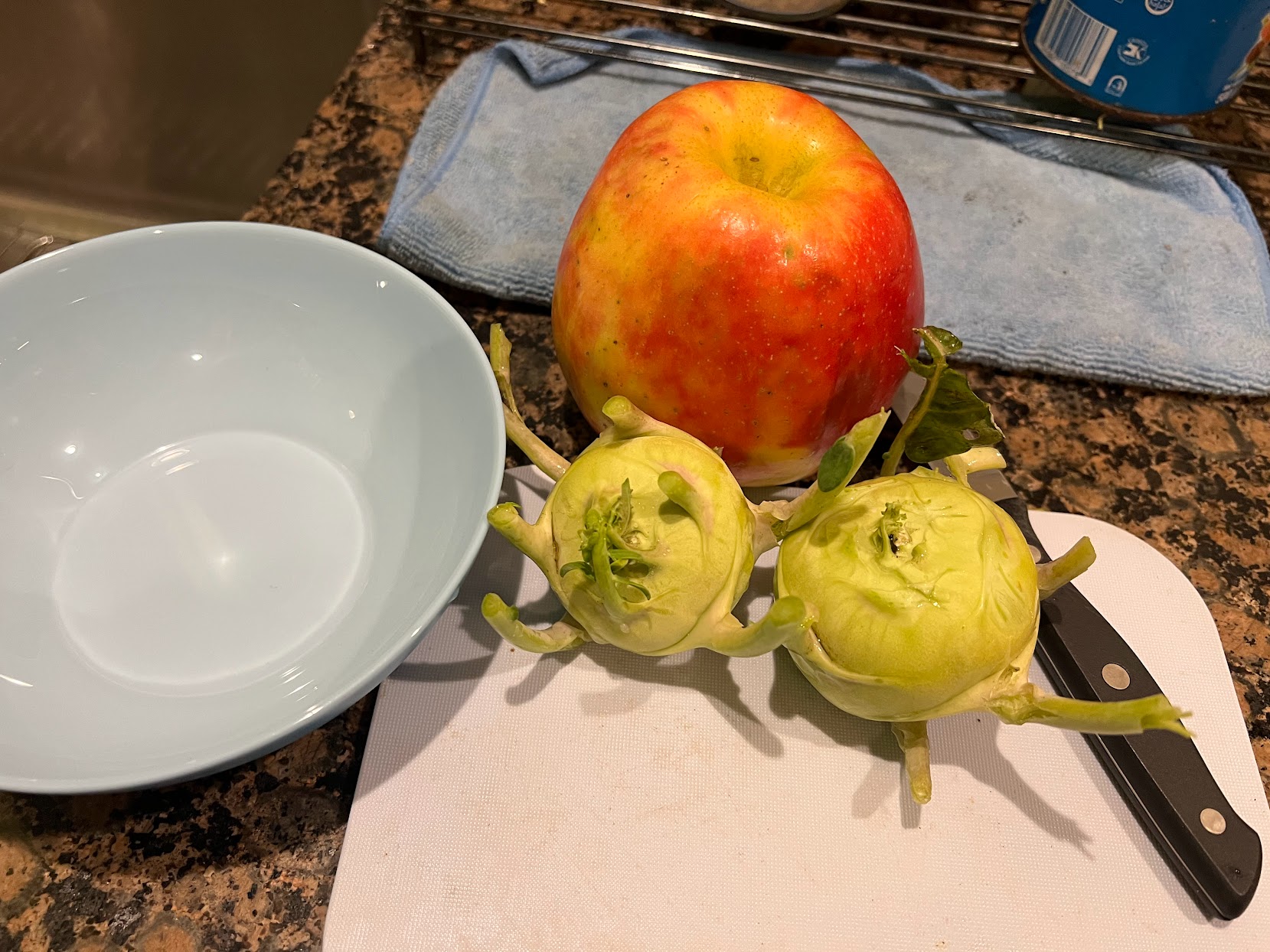
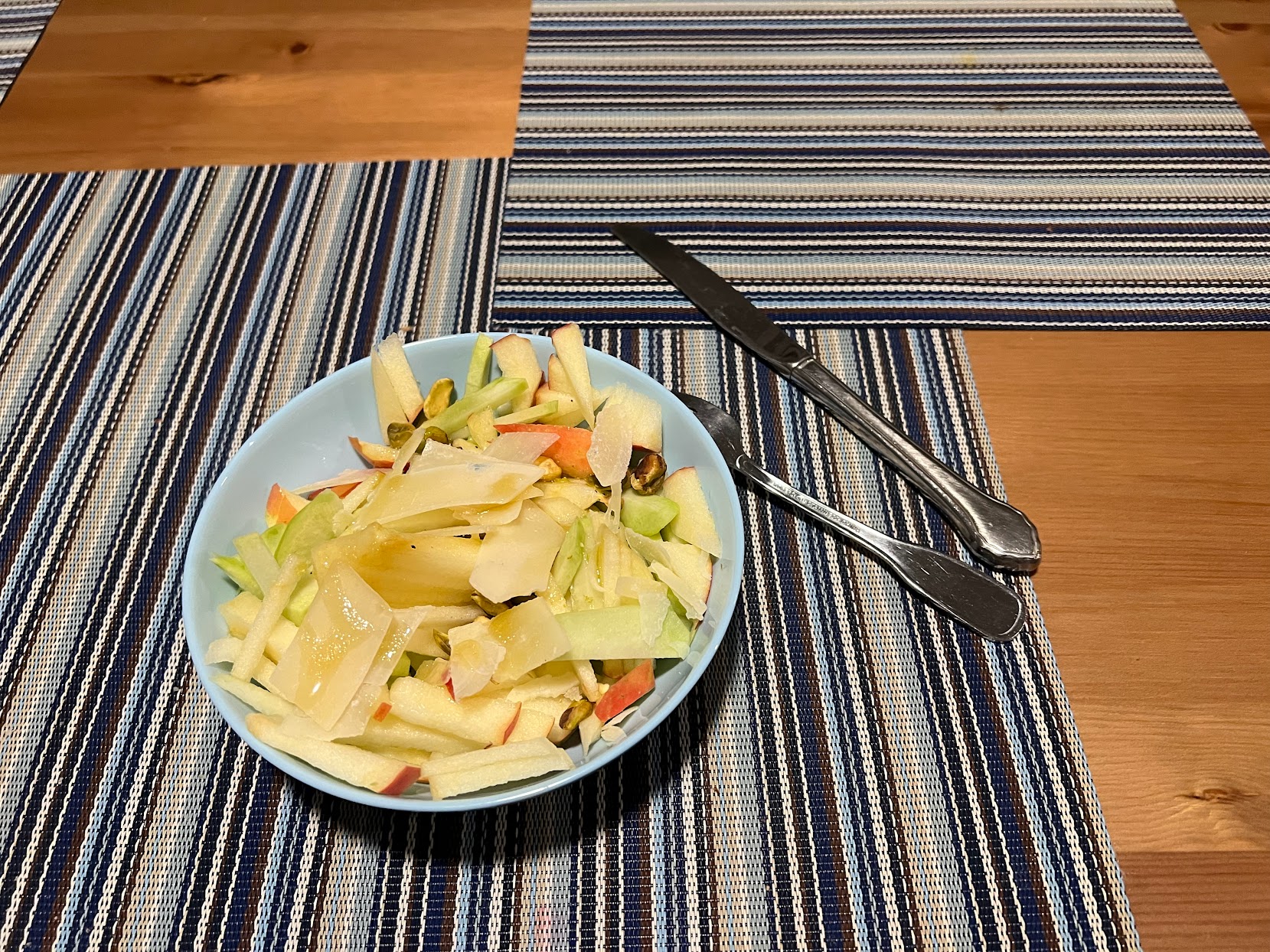
There was also some kohlrabi in this delivery; I always liked it, but this time I wanted to look up new recipes, and I found a salad with raw kohlrabi and apples, and it was great!

I can’t wait for the next one, and I am so happy that yet another piece of my life is back, or rather I found a new version of it 🙂

Stories Of The Great Chicago Fire

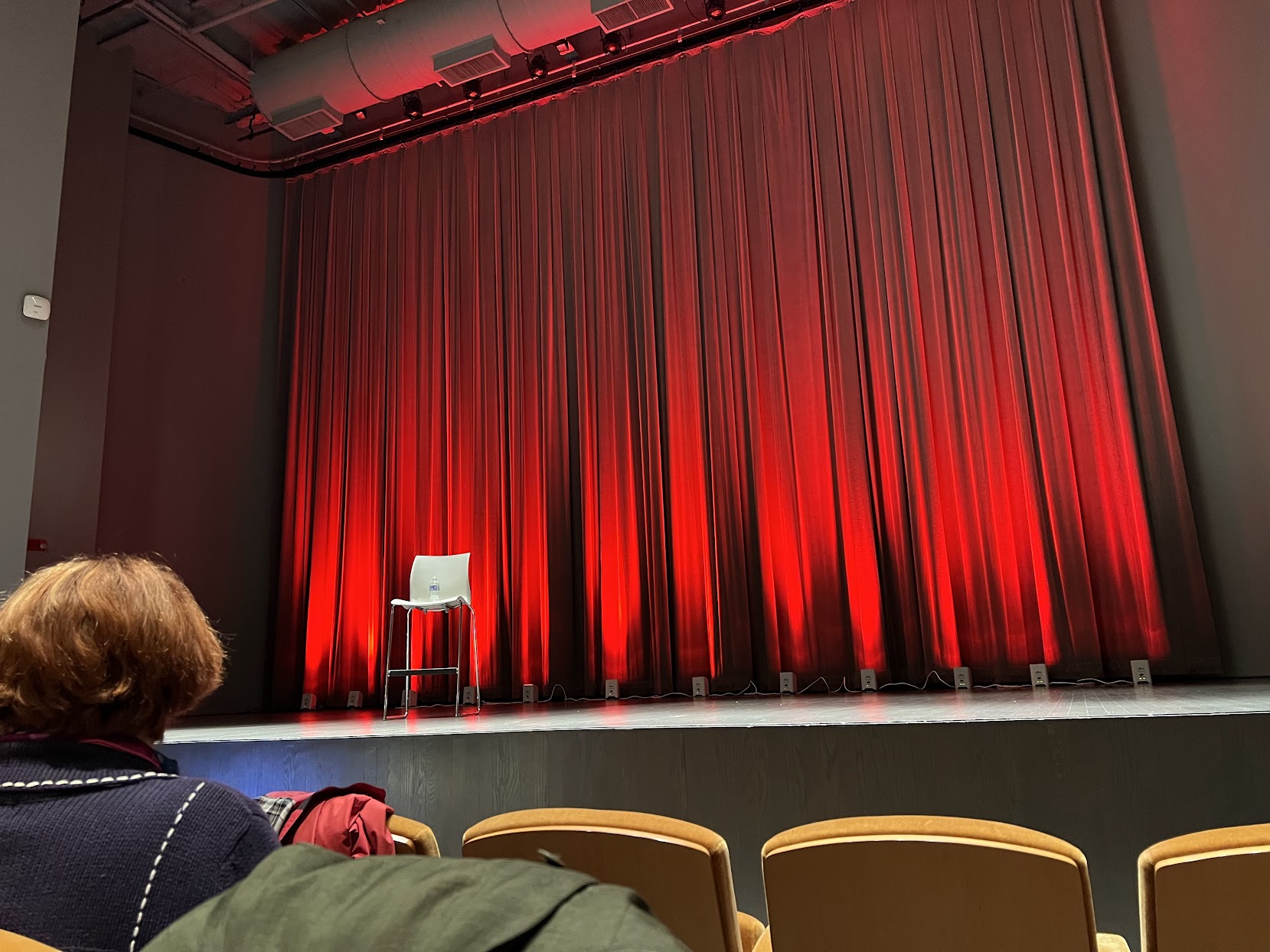
On Wednesday, I attended the first live event organized by Chicago Architectural Foundation since before the pandemic. They told us that the last event happened on March 10, 2020). I purchased the tickets the first day I saw this announcement, which was when the infections numbers were still high, and it was hard to tell in which direction things would be evolving.

The event was dedicated to the 150th anniversary of the Great Chicago Fire, and it was called “The Tales of the Night Chicago Burned.” The storyteller Scott Whitehair spent months researching the topic. In the Chicago History Museum archive, he searched for diaries, letters, and articles, which captured the lives of the ordinary people who lived in Chicago 150 years ago and witnessed that dramatic event.

The presentation was 75 minutes long. Whitehair chose the stories of five people and followed them through two days that two nights while the city was burning, and morning when the fire started to cease.


It was such a powerful and emotional presentation! Also, the author connected the Great Chicago Fire with the pandemic, and he talked about how the city will be rebuilt: not from the ashes as it was one-hundred-fifty years ago, but how it can come to life, and how we all can help.

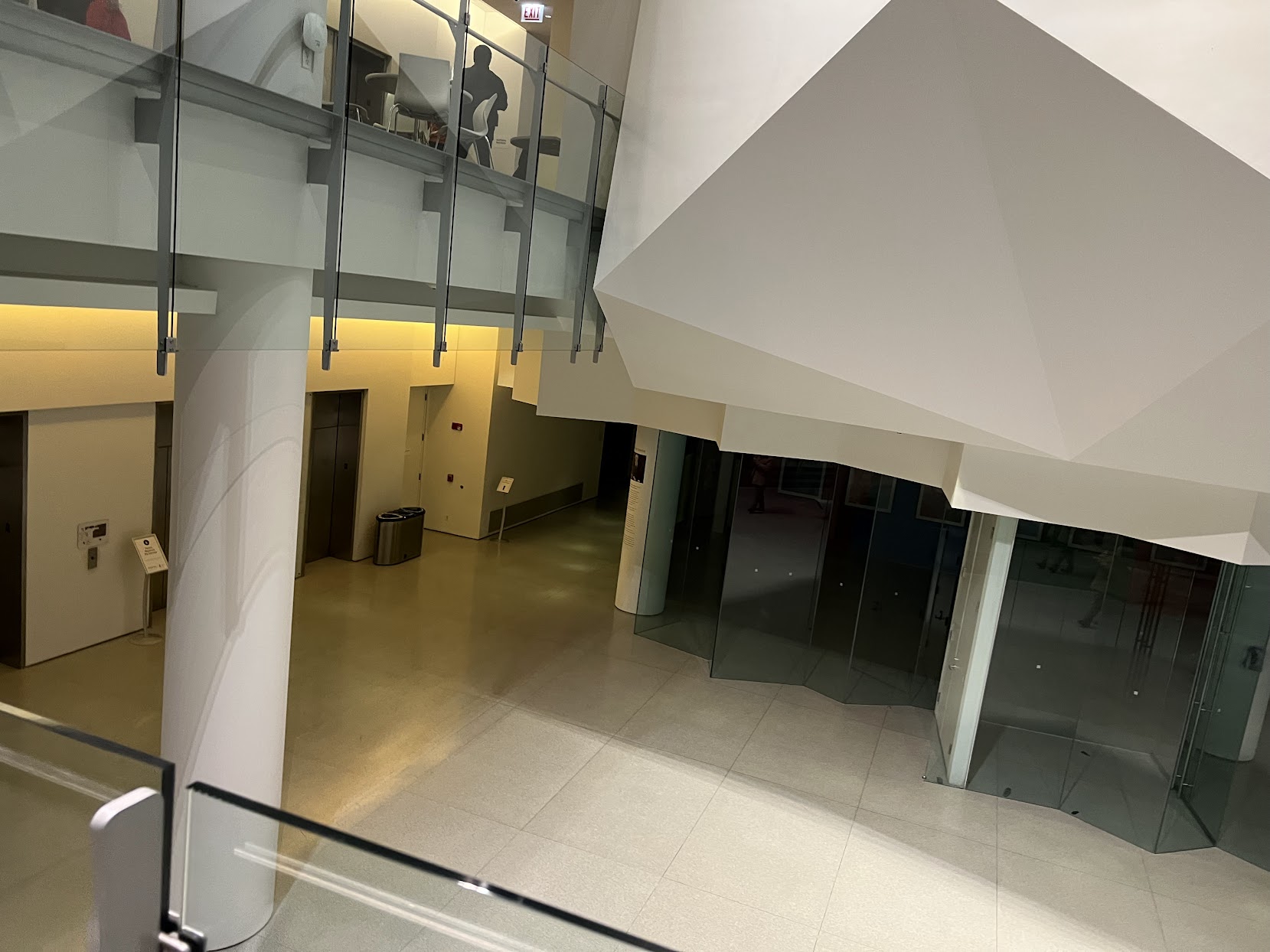
The venue: Spertus Museum building

I am so glad that things are coming back :). Can’t have enough!

Halloween!!!

The Boy’s Town Halloween Parade happened! It didn’t happen last year, and it looks like it was almost a last-minute decision this year. It was way smaller and quieter than usual, but OMG, it’s so good that it happened!

Continue reading “Halloween!!!”

The Color Of The Law: The Book Review

Just finished The Color Of Law by Richard Rothstein,

Each time I read something about Black History it strikes me how little I know. It seems like no matter how many books I read and in how many conversations I’ve participated in, it is still not enough.
I had no idea that so many discriminatory clauses in the housing regulations were actually spelled out like discriminatory. Like many other people, even those who like me are well aware of housing inequalities, I was still sure that the unjust economic positioning of Blacks resulted in unjust housing. I had no idea that many city zoning codes, state regulations, and even FHA guidelines had explicit segregation statements. It’s mind-blowing, and I can’t get over it. I didn’t know that Black veterans were effectively denied the benefits provided by GI Bill because you could not get mortgages in general.

It’s from that book that I learned about the contract sales of real estate (and I naively thought that the way people buy houses around me, that’s you get a mortgage and you own a home right away, is what everybody does. And the list of what I didn’t know before goes on and on.

I also find every important several comments which were made in the conclusion of the book. I often resent the opinions of some relatively new immigrants who are making statements to the effect of “why I should feel guilty for slavery, why I should sacrifice something to repay the past wrongdoings if my ancestors were not even here when all these things happen? The author cites an answer to a similar question: you were not there in 1776, but you still enjoy a hot dog n July 4. This means that when you come to this country in search of a better life, although you yourself work hard to achieve prosperity, you still benefit from the wealth, from the governmental institutions, from the quality of life in this country, from everything which was built by previous generations. And when you accept all the benefits of living in the US, you accept all the responsibilities for how that wealth was built.

I hear that sentiment (“My ancestors were not here”) frequently, and I know I have a good quote to answer.

November 8

I finally read the new guidelines for entering the USA for foreign tourists, which are going into effect the following Monday. I like that there are no more per country considerations, and the requirements are uniform across the globe. That is a huge plus. I am slightly upset that we still have to take a COVD test before returning to the US, but once again, that applies to both citizens and visitors, so I can’t complain. Besides, I completely understand the rationale behind this requirement.

The thing which I was upset about was the exclusion of Sputnik from the list of approved vaccines. Formally speaking, it is not targeted vaccine discrimination; it’s just that Sputnik is not approved by WHO yet. But the thing is that people in Russia who are doing the right thing and getting vaccinated still won’t be able to travel to the US.

And I am not talking about tourists. I am talking about people such as my mom’s friend whose daughter was working on her green card, and her interview in the embassy was scheduled for March 20, 2020… And I am not even talking about people from many other countries, including Mexico, that purchased Sputnik.

Biking Along The Lake.

I never had a bike ride as I had on Saturday! The weather was stormy for several days before that, and it was raining non-stop. Saturday was the first day when it finally stopped raining, and Boris and I went on a bike ride.

When we were close to the Navy Pier, we saw a police barricade across the bike path. Since we saw the bikers and runners passing it, we figured out it was not indicating any immediate danger (and we were right, it was removed on the other side of the stretch, and when we were heading back, this first one was removed as well).

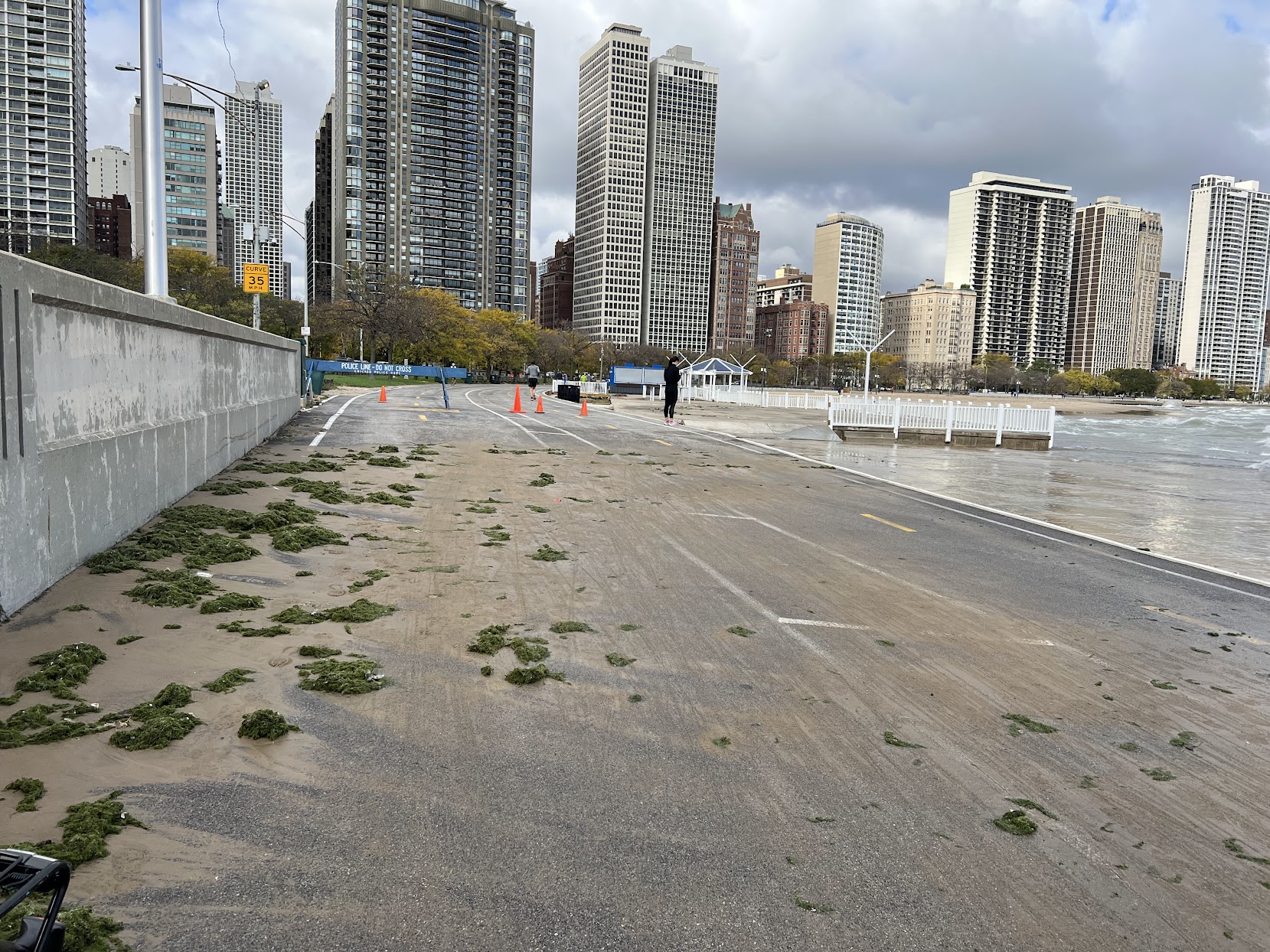
On that stretch of the Like Frnt Trial, the water often comes very close to the bike path, but this time around, the waves were running over the bike path all the time!. We saw huge chunks of seaweed on the asphalt, so thick that we had to dismount and walk the bikes. Then one of the waves reached Boris, and he was wet up to his knees! His breaks lost traction, and so did his feet, so the next time we had to stop by the crossing, his bike ran into the rear of my bike, and he fell off (no injuries). Our final destination for this ride was the Field museum (I will blog about it separately), and he had to walk around in the wet shoes.

Sometimes, life is fair, and I was covered by another wave, with a similar effect on the way back. I thought that if somebody took a picture of bikers covered by the waves, it would be very impressive!!!

You can’t really see the waves here, but that’s the only picture I took, other times I was busy fighting the heavy wind